
Revolutionary technology uncovers ancient Australian landscape.
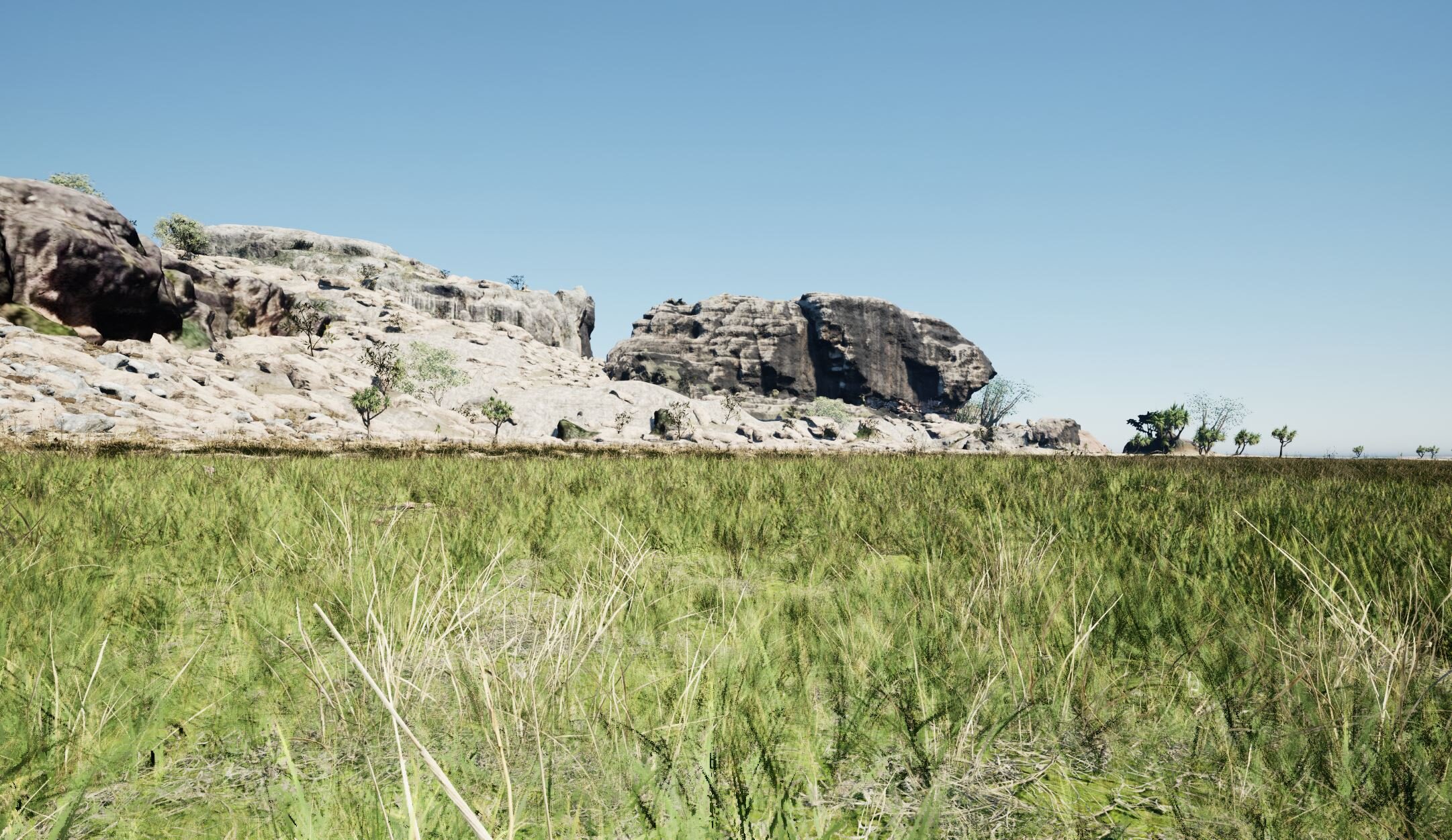
Scientists at Flinders University have used sub-surface imaging and aerial surveys to map the Red Lily Lagoon area of West Arnhem Land in Northern Australia, revealing how the landscape was altered as sea levels rose about 8,000 years ago. The findings have important implications for understanding the archaeological record of Madjedbebe—the oldest archaeological site in Australia—and provide a new way to understand the rock art in the region. By examining how sediments now buried beneath the flood plains changed as sea levels rose, the researchers can see how the transformation of Red Lily Lagoon had resulted in the growth of mangroves that have supported animal and marine life in a region where ancient Indigenous rock art is located.
- Archaeologists map important archaeological landscape where first Australians lived more than 60,000 years ago Phys.org
- Remarkable new tech has revealed the ancient landscape of Arnhem Land that greeted Australia’s First Peoples The Conversation
- Scientists say new 3D mapping of West Arnhem flood plain could be a 'game changer' ABC News
- Archaeologists map hidden NT landscape Mirage News
Reading Insights
0
1
4 min
vs 5 min read
86%
861 → 118 words
Want the full story? Read the original article
Read on Phys.org