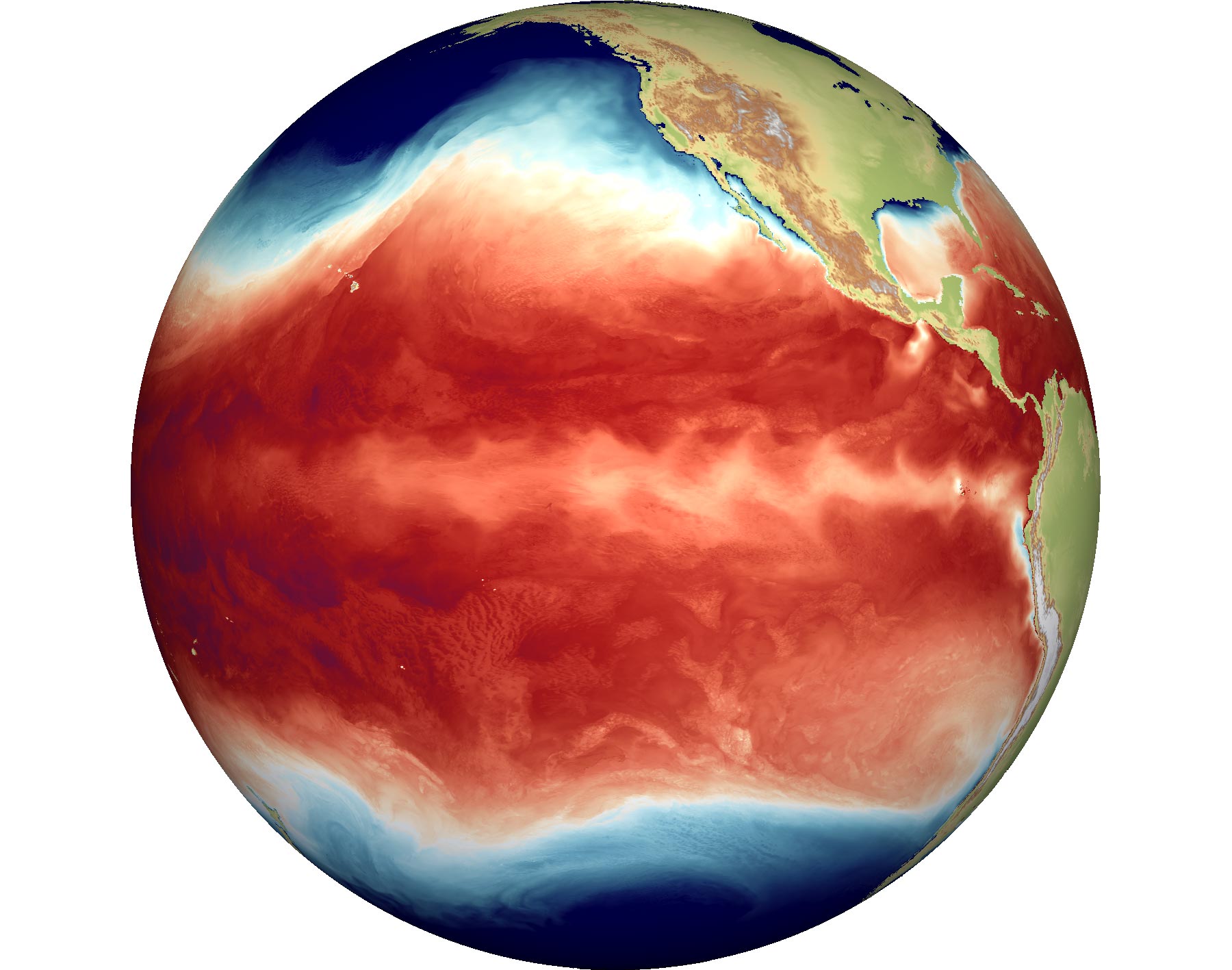
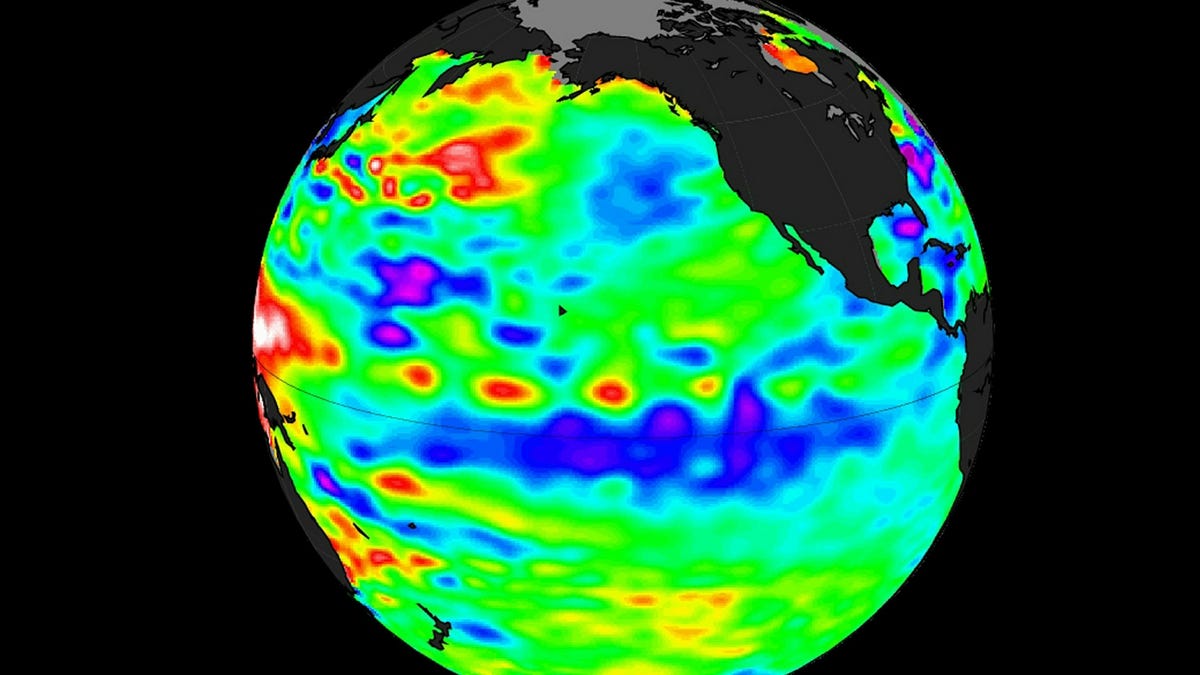
A new study predicts that global warming will significantly strengthen and synchronize El Niño–Southern Oscillation (ENSO) cycles within decades, leading to more intense and regular climate patterns worldwide, which could increase extreme weather events and rainfall variability, emphasizing the need for global preparedness.
La Niña is expected to form this year, with a 62% chance of developing during the upcoming summer months, potentially worsening the Atlantic hurricane season by weakening wind shear and increasing storm activity. While its impact on U.S. summer weather is minimal, La Niña typically brings cold and snow to the Northwest and dry conditions to the southern tier during winter, with warmer temperatures in the Southeast and mid-Atlantic. The recent strong El Niño is weakening and expected to transition to "ENSO-neutral" conditions, with the entire El Niño/La Niña cycle known to affect weather in the U.S. and around the world.
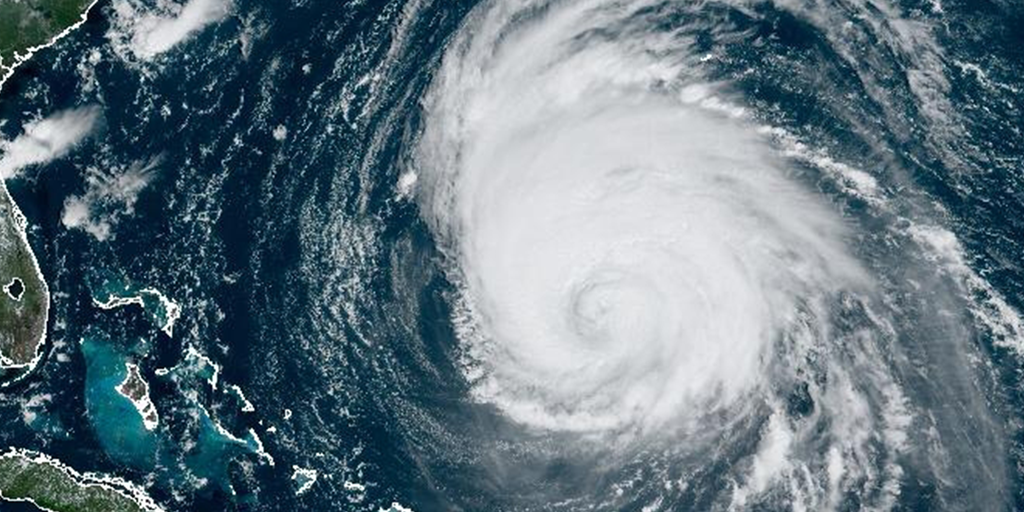
The 2024 hurricane season in the Atlantic basin is approaching, and forecasters are closely monitoring the El Niño-Southern Oscillation (ENSO) climate pattern to predict tropical cyclone activity. Early indications suggest a neutral or La Niña status for the upcoming season, potentially leading to more active hurricane activity. The National Hurricane Center plans to introduce changes, including experimental forecast cones and more frequent adjustments to watches and warnings. However, experts caution against preseason hype, emphasizing the unpredictability of hurricane activity and the limitations of long-term forecasts. The official list of names for the 2024 tropical cyclone season has been released, with retired names replaced by new ones.