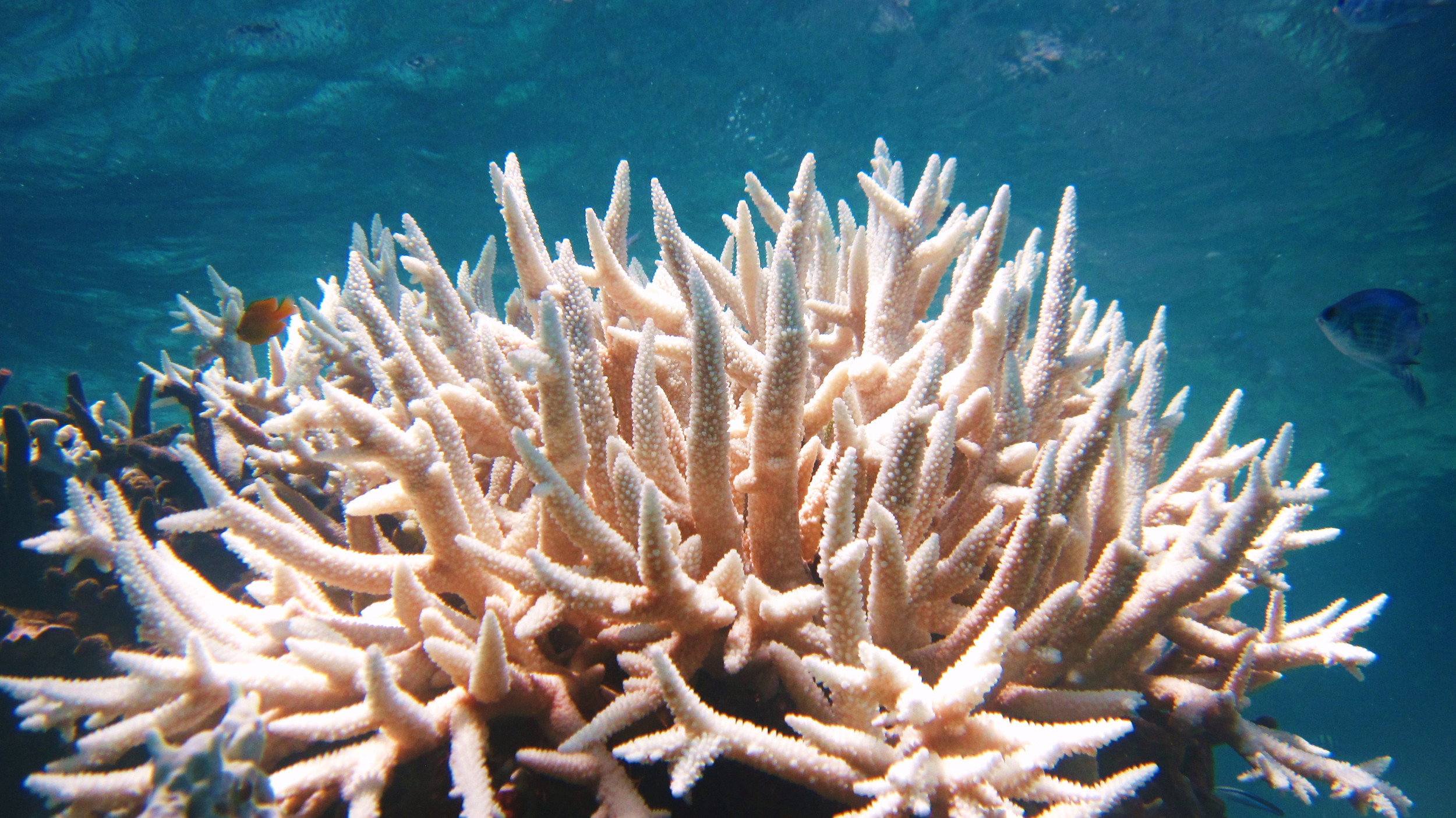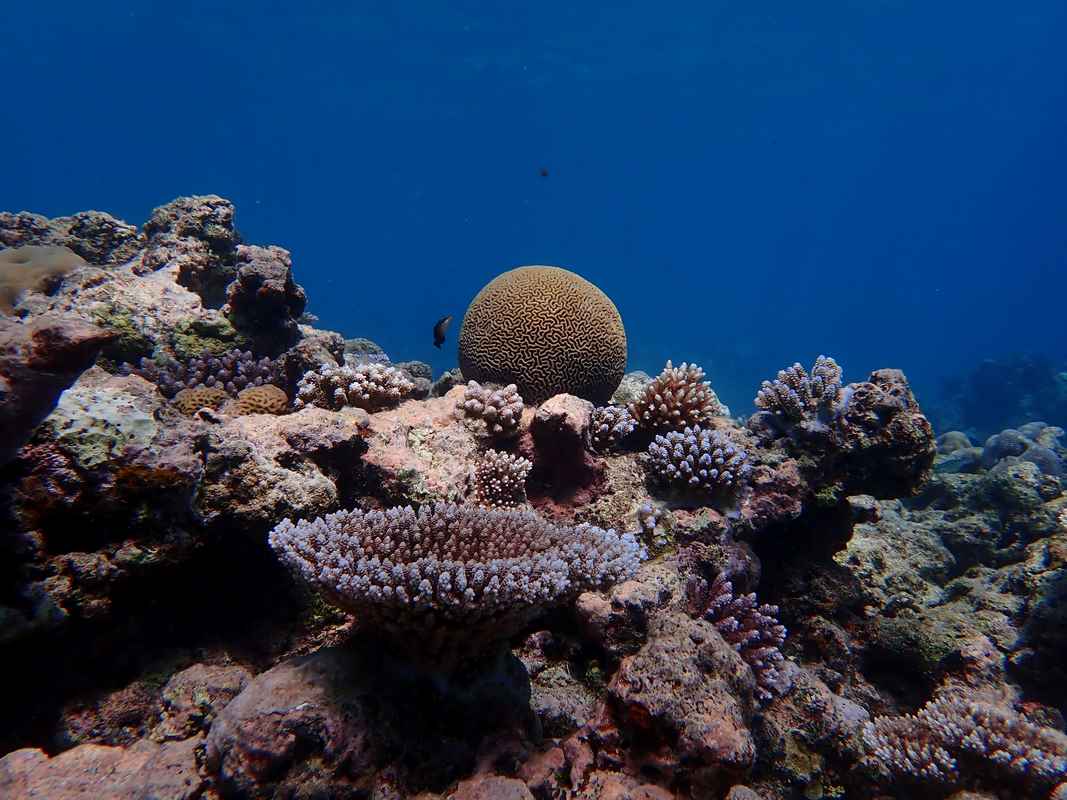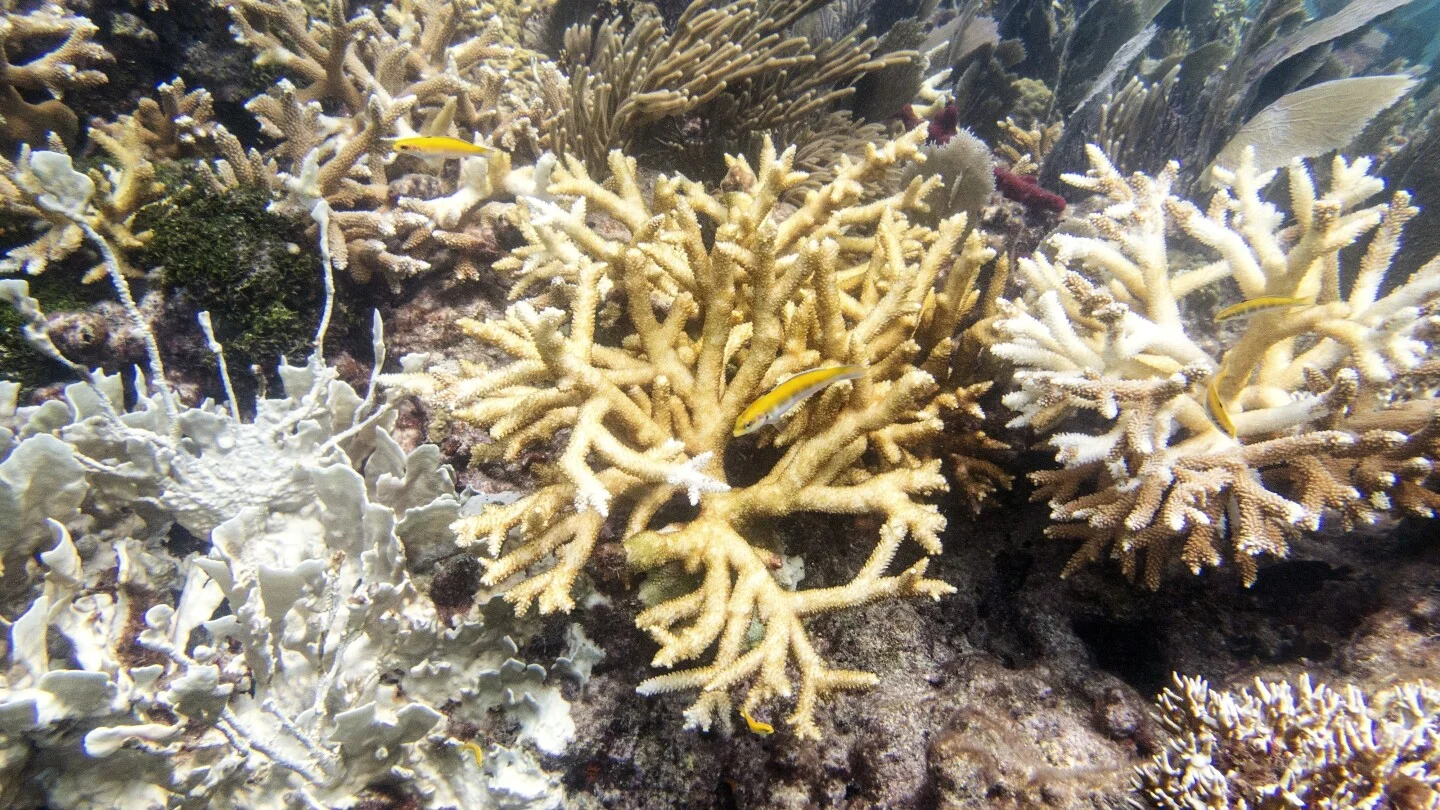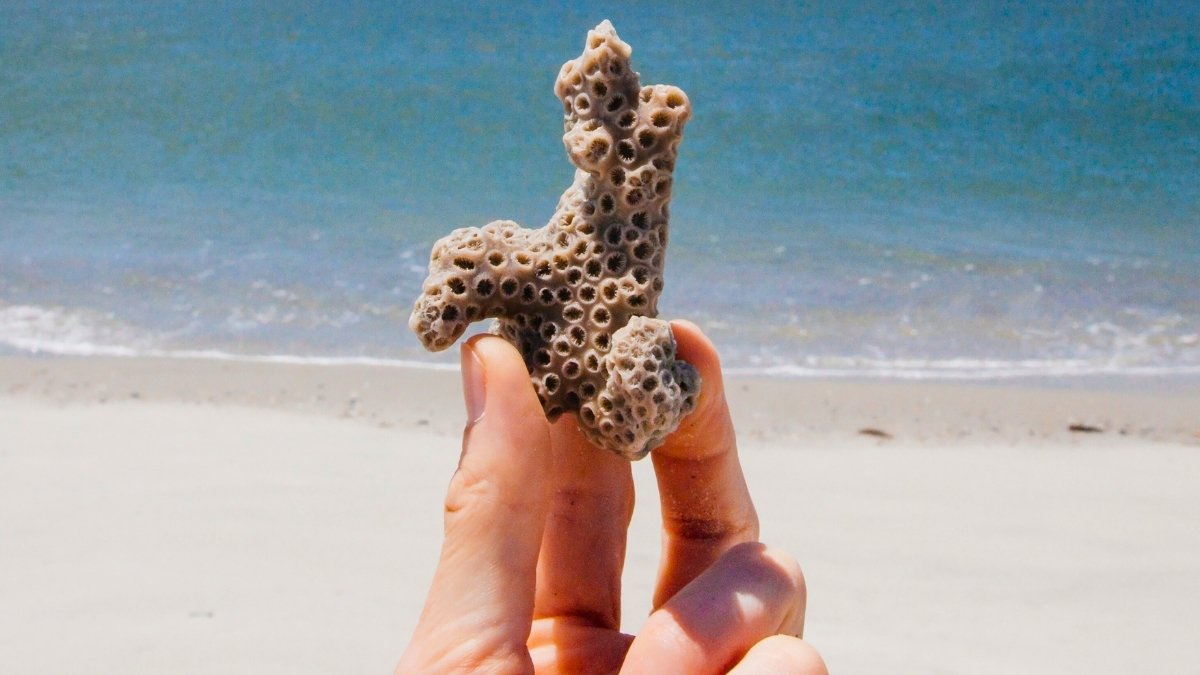
Coral reefs, vital to marine biodiversity, are nearing a potential catastrophic collapse due to increasing ocean heatwaves, especially around 2026, driven by climate change and El Niño cycles. While some reefs show resilience, many are at risk of irreversible damage, emphasizing the need for urgent global action to reduce emissions and local stressors to preserve these ecosystems.
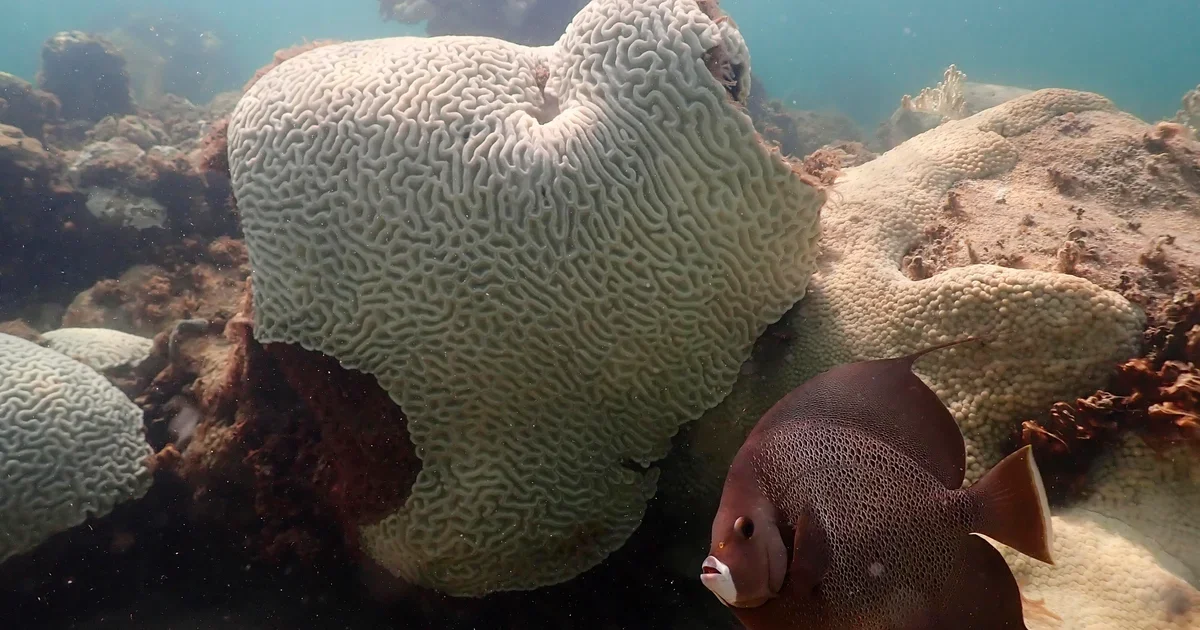
Coral reefs are the first environmental system on Earth to pass a climate 'tipping point,' with widespread bleaching and dieback due to rising ocean temperatures, signaling an urgent need for global decarbonization to prevent irreversible ecological and economic damage.
The Great Barrier Reef is experiencing its worst coral decline on record due to unprecedented heat stress and bleaching events driven primarily by climate change, with natural factors like cyclones and starfish outbreaks also contributing. Recovery may take years, and experts warn that without urgent climate action, the reef could face irreversible damage, similar to other global coral reefs.
The Flower Garden Banks National Marine Sanctuary, located off the coast of Texas in the Gulf of Mexico, is home to some of the world's healthiest coral reefs. Despite the global decline of coral reefs due to climate change, the sanctuary's deep, cool habitat and overall health have allowed its reefs to thrive. However, scientists are concerned about the future impact of warming waters and bleaching events. Climate models predict that severe bleaching will occur annually by 2040, leaving corals little chance to recover. Efforts to reduce stress on the reefs, such as protecting them from anchor damage and removing invasive species, are underway. The sanctuary's coral samples are also being studied for potential restoration efforts.
Scientists have discovered that shading coral reefs for just a few hours a day can reduce bleaching, a process that causes corals to lose their vibrant colors and increases the likelihood of their death. Coral reefs worldwide are suffering from extreme weather events due to climate change, leading to widespread bleaching. The Great Barrier Reef, for example, has experienced four mass bleaching events since 2016. The researchers involved in the Reef Restoration and Adaptation Program (RRAP) found that shading corals can moderate light stress and slow bleaching. Artificial coverings and seawater fogging systems are potential methods to shade reefs and protect them from bleaching.
Data collected over the past 40 years at a coral reef in Palau suggests that corals have already adapted to warming oceans at a rate of 0.18°F per decade. The study indicates that established models for coral bleaching events should be updated to reflect the enhanced capacity of coral reefs to sustain themselves over time. The researchers found that if coral thermal tolerance continues to rise at the current rate, significant reductions in bleaching impacts are possible. However, strong action on climate change is necessary for coral communities to endure more intense and frequent marine heatwaves.
Coral reefs in Southwest Florida are being devastated by extreme heat, with surface temperatures reaching over 100 degrees in July. The National Oceanic and Atmospheric Administration (NOAA) estimates that 90% of the reef structure has been lost since the 1980s. Coral restoration efforts offer some hope, but the ongoing marine heat wave has caused significant bleaching, leading to the death of many coral colonies. The loss of coral coverage will have long-term consequences for the local ecosystem, including increased vulnerability to rising sea levels and more powerful storms. Reefs, which cover less than 1% of the ocean, are crucial habitats for 25% of marine species.
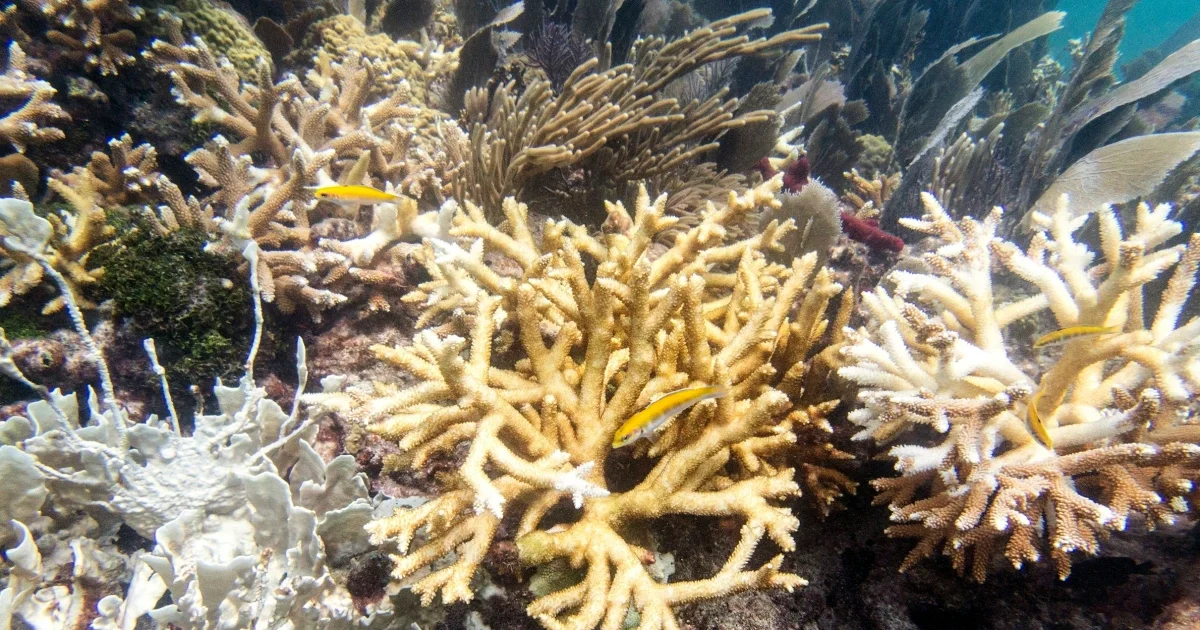
Scientists have reported that coral reefs in the Florida Keys are already experiencing bleaching due to record-high water temperatures. The bleaching, which typically occurs in late August or September, is happening a month or two earlier than expected. The loss of color in the reefs can lead to starvation and increased vulnerability to disease. The warming waters, caused by human-made global warming, pose a significant threat to the survival of coral reefs, which are not only vital for marine life but also serve as a natural buffer against storm surge and support tourism. Efforts are underway to rebuild Florida's coral reefs, including breeding heat-resistant corals and implementing cooling measures, but urgent action is needed to address climate change and reduce greenhouse gas emissions.
Record-high water temperatures in the Florida Keys are causing coral reefs to bleach weeks earlier than usual, putting their health at risk. The corals, which should be vibrant and colorful, are turning pale and white due to stress. Scientists have raised the coral bleaching warning system to Alert Level 2, the highest heat stress level, as water temperatures continue to rise. The loss of coral reefs has significant impacts on marine life, storm surge protection, and tourism. Efforts are underway to rebuild Florida's coral reefs, including breeding heat-resistant corals and implementing cooling measures. However, urgent action is needed to address climate change and reduce greenhouse gas emissions to ensure the survival of coral reefs.