Tag

Hangover

All articles tagged with #hangover

health2 months ago

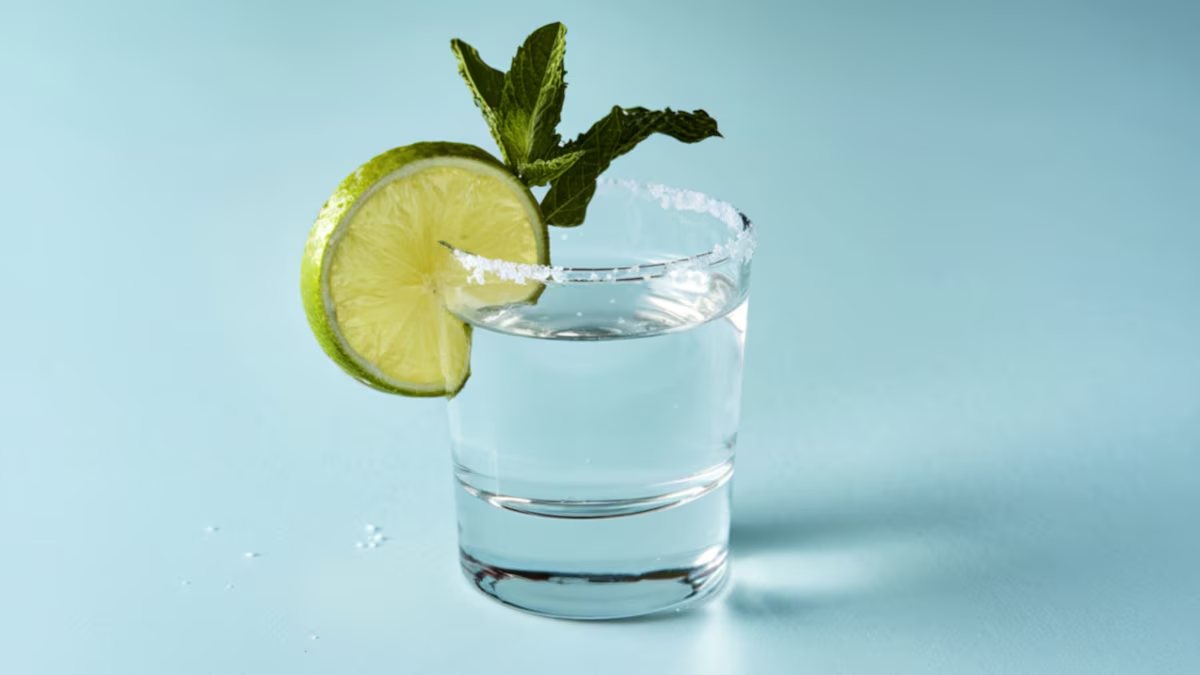
Scientists Reveal the Healthiest Alcohol Choice

The article debunks common myths about alcohol, emphasizing that no type of alcohol is truly 'healthier' than others. It clarifies that tequila is not more intoxicating or hangover-proof, and any perceived health benefits from ingredients like agavins or antioxidants are minimal or nonexistent. All alcoholic beverages, regardless of type, pose health risks, and moderation is key, as even low levels of drinking carry measurable health risks according to the WHO.
health1 year ago

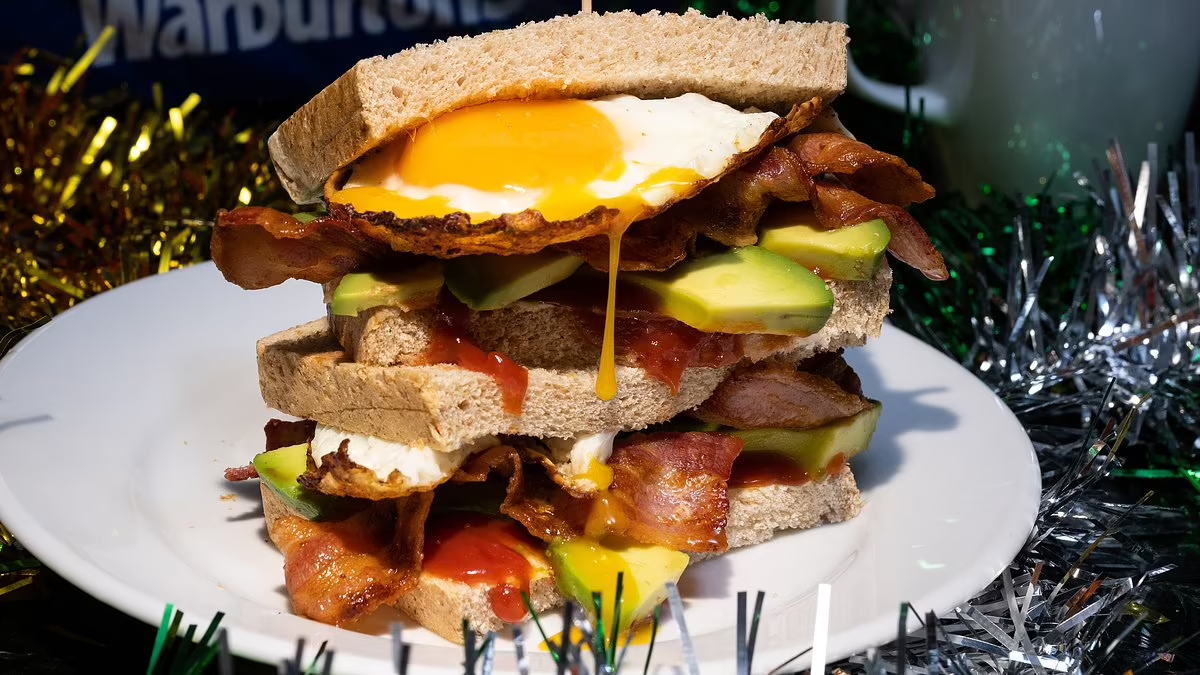
The Ultimate Hangover Cures: From Scientific Sandwiches to Superfood Breakfasts

Dr. Zoe Williams, a London-based NHS GP, has created a 'scientific sandwich' designed to alleviate hangovers by balancing lost salts, sugars, and proteins. The sandwich includes half wholemeal, half white bread, bacon, egg, and avocado, providing essential nutrients like sodium, potassium, and amino acids that aid in alcohol breakdown and brain function recovery. Dr. Williams also recommends hydrating with water or tea and suggests eating before and during drinking to prevent hangovers.

health1 year ago

The Hidden Dangers of Alcohol: What Happens to Your Body

The article explains the effects of alcohol on the body, detailing how it is absorbed and processed, and the resulting hangover symptoms. Alcohol is quickly absorbed into the bloodstream, affecting mood and cognitive functions, and is metabolized by the liver at a constant rate. Hangovers result from dehydration, acetaldehyde buildup, and immune responses, causing headaches, nausea, and fatigue. Women and older individuals may experience more severe hangovers due to slower alcohol metabolism. Experts suggest moderation and hydration to minimize hangover effects.

health1 year ago

Avoid 'Hangxiety': Best and Worst Alcohol Choices Revealed

Experts highlight that prosecco, champagne, and cocktails are more likely to cause 'hangxiety' due to their carbonation and sugar content, which lead to rapid intoxication and blood sugar fluctuations. Dark spirits like whisky also contribute to anxiety due to their complex alcohol content. In contrast, beer and lager, with their lower alcohol content, pose less risk for anxiety the next day. The process of neuroadaptation and dehydration further exacerbate anxiety symptoms after drinking.

health1 year ago

Debunking Hangover Myths: Beer Before Liquor and More

Experts debunk common hangover myths, emphasizing that the only way to prevent a hangover is to abstain from drinking. While remedies like drinking water or taking painkillers are popular, they don't effectively prevent hangovers. Factors like age, weight, and health conditions influence hangover severity, and symptoms can be both physical and mental, such as 'hangxiety.' Moderation and staying hydrated can help reduce symptoms, but ultimately, time is the only cure once a hangover sets in.

health1 year ago

Understanding "Hangxiety": The Psychological Impact of Post-Drinking Anxiety

"Hangxiety" refers to the combination of anxiety and physical symptoms experienced after drinking alcohol, and it's not just psychological – there are physiological reasons behind it. Alcohol affects neurotransmitters in the brain, leading to a depletion of gamma-aminobutyric acid (GABA) and an overabundance of glutamate, causing increased anxiety when the alcohol leaves the system. Chronic drinkers may take longer to find equilibrium, and "hangxiety" could also be a symptom of alcohol withdrawal. Relief drinking is not an effective remedy for "hangxiety" and can contribute to the cycle of addiction.

health1 year ago

The Science Behind Hangxiety: Understanding the Aftermath of a Hangover

Hangxiety, or post-drinking anxiety, is a common symptom of hangovers that is often overlooked. It is caused by alterations in brain chemicals such as GABA and glutamate due to alcohol consumption. Hangxiety can occur in occasional and chronic drinkers, and may be accompanied by other hangover symptoms or appear alone. Various biological processes, such as alcohol metabolism, poor sleep, and reduced blood sugar, can also contribute to hangxiety. While there are many folk remedies for hangover symptoms, the best way to prevent post-drinking anxiety is to limit alcohol consumption, and non-alcoholic beverage options are increasingly available for social settings.

health1 year ago

"Debunking the Myth: Does Mixing Beer and Liquor Really Make You Sicker?"

The age-old adage "Beer before liquor, never been sicker" may not have much scientific backing, as few studies have delved into the truth behind such sayings. One of the most rigorous studies to date, conducted in 2019, involved 90 students and found no significant difference in hangover severity between those who drank beer before wine and those who drank wine before beer. While many have attempted to "game" their drinking patterns to avoid hangovers, the evidence supporting these strategies remains unclear.

health-and-wellness2 years ago

"The Science of Hangovers: Duration and Fast Cures"

Hangover symptoms typically last about 24 hours, but can vary depending on the individual and amount of alcohol consumed. Hydrating with water or electrolyte drinks is crucial to alleviate symptoms, and eating fresh, carbohydrate-dense foods like fruits is recommended. Greasy food may exacerbate gastrointestinal issues. Alternating between alcoholic beverages and water can help maintain hydration. Ultimately, allowing the hangover to run its course is the best approach.

health2 years ago

The Benefits of Hydrating Between Alcoholic Beverages

While there is limited research on the topic, drinking water between alcoholic drinks may indirectly help prevent hangovers by slowing down drinking and potentially lowering dehydration hormones associated with hangovers. However, there is no solid evidence to prove its effectiveness. Other tips to avoid hangovers include limiting alcohol consumption, avoiding staying out too late, avoiding cigarettes, eating before drinking, and opting for clear liquors over dark ones. Ultimately, the best way to avoid a hangover is to limit alcohol intake or avoid it altogether.