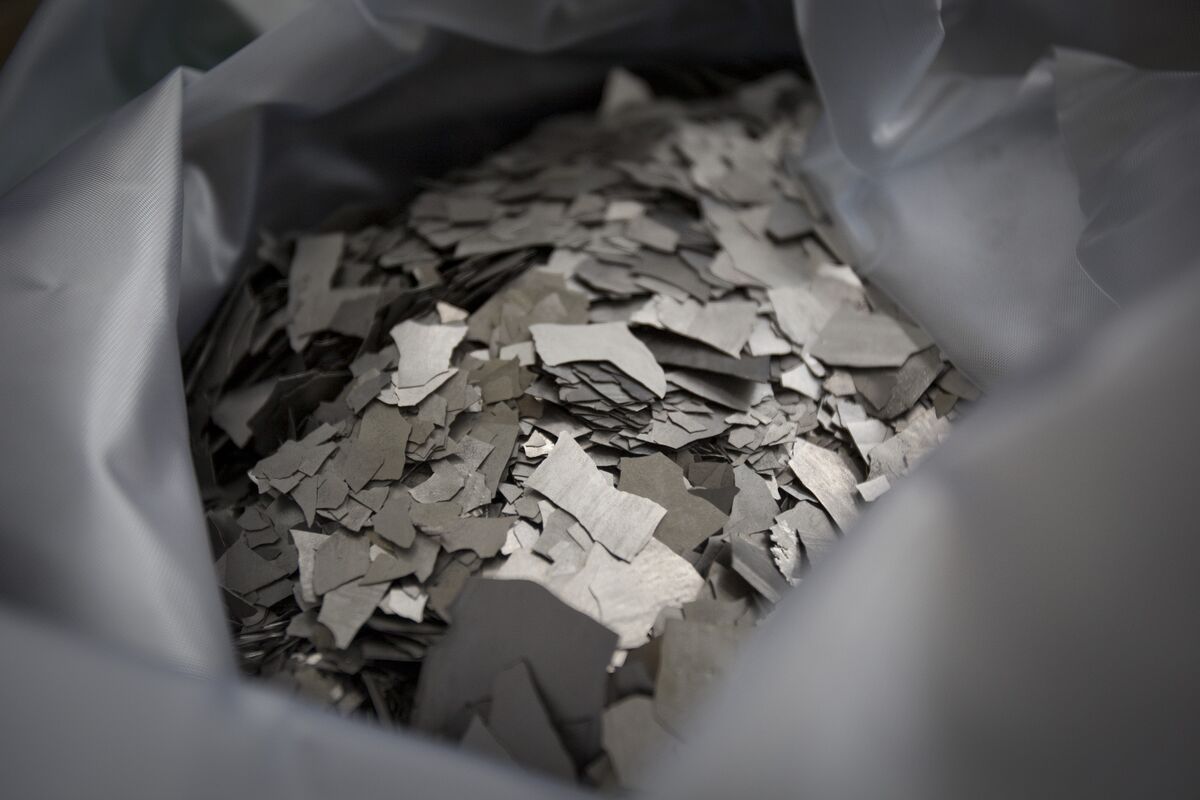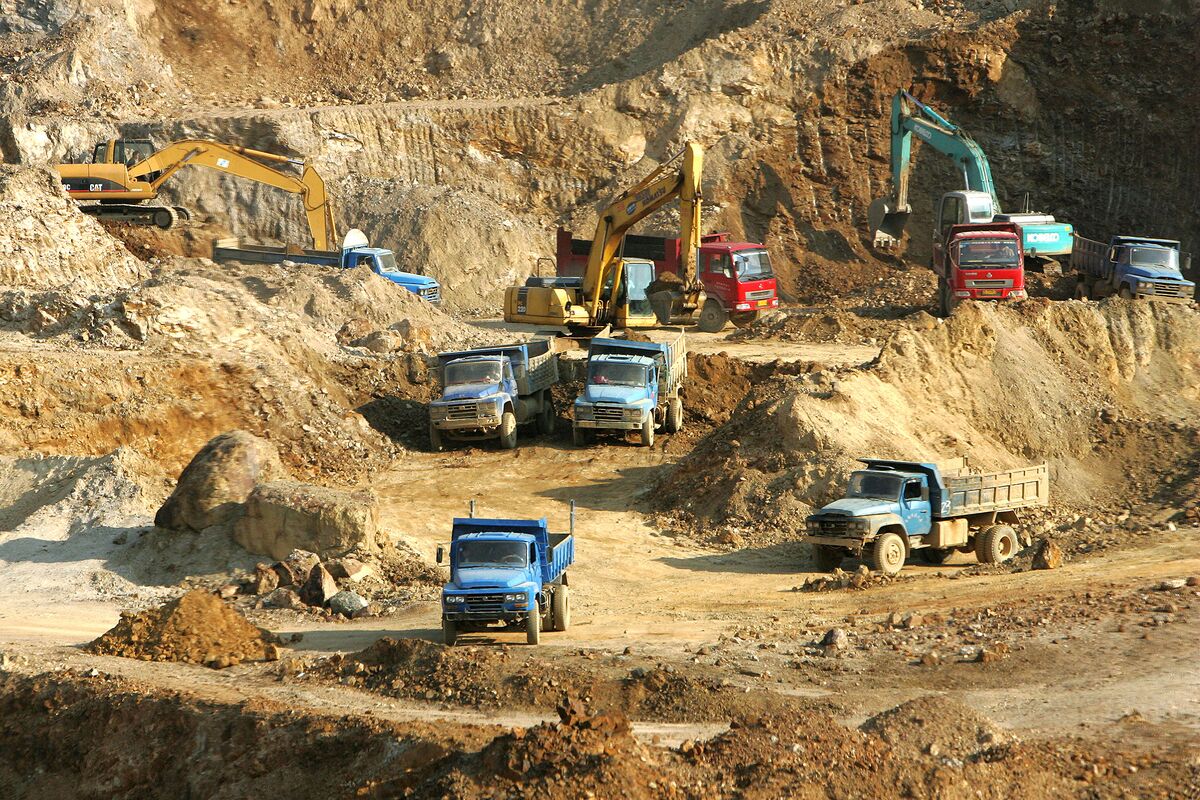
China has imposed restrictions on exports to Japan, including potential controls on rare earths, escalating tensions amid Japan's military and economic activities, with broader implications for regional stability and global supply chains.
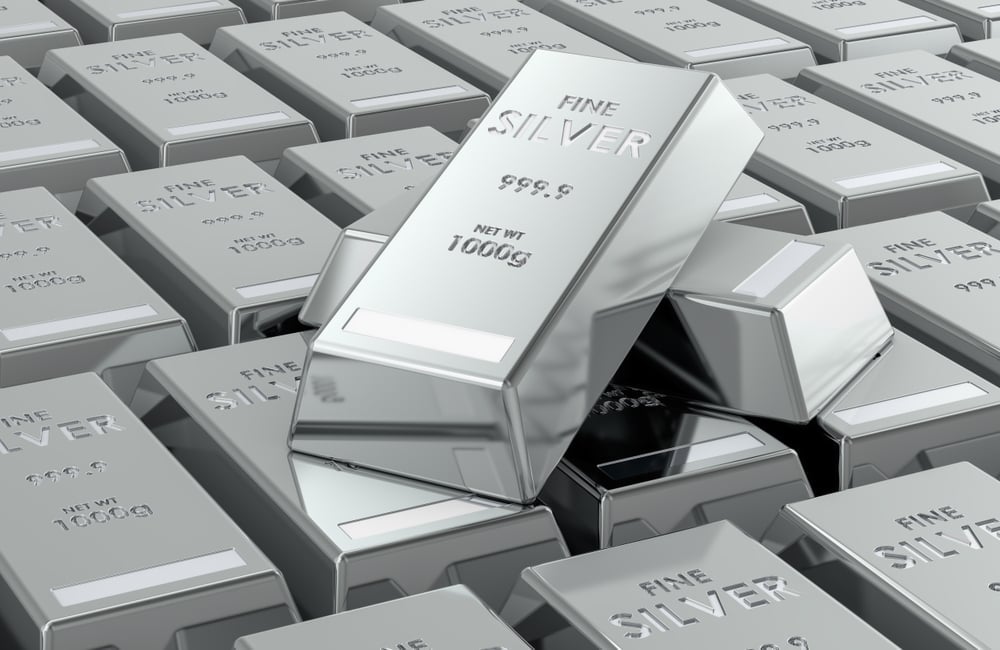
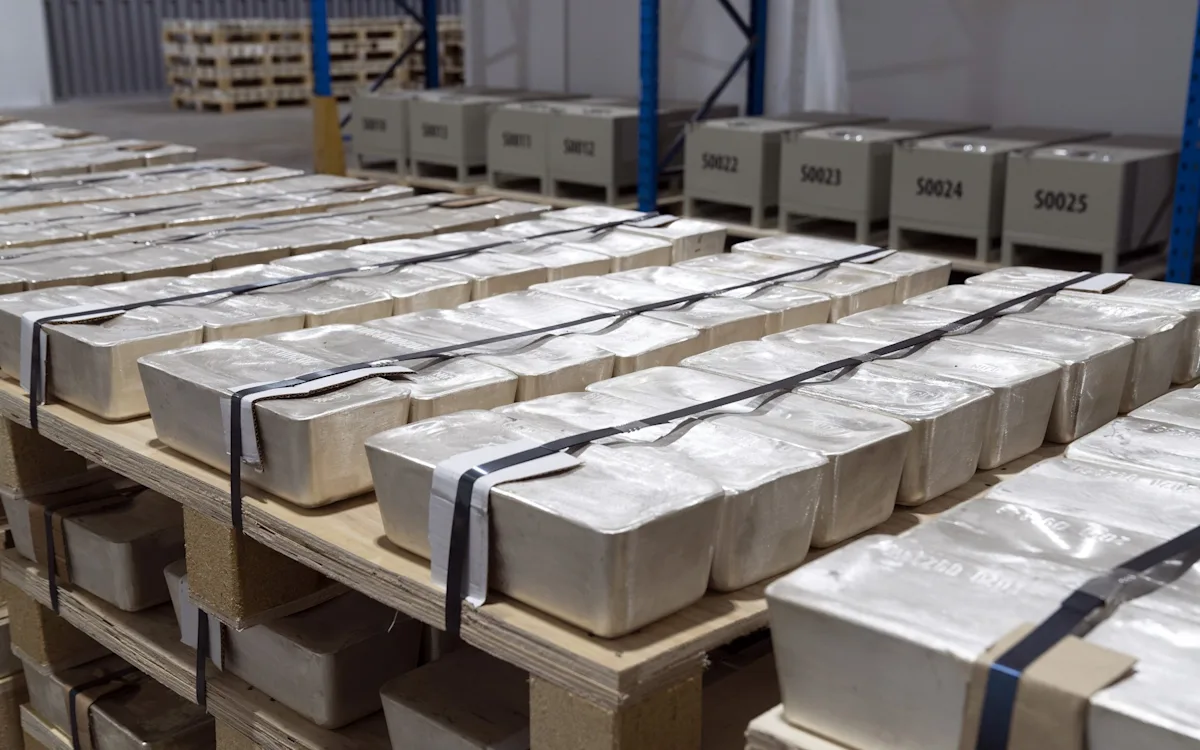
Silver prices are rising as China implements new export restrictions starting January 1, 2026, requiring licenses for silver exports, which Elon Musk warns could disrupt global supply chains and impact industries reliant on silver.
Silver has surged by 159% this year, reaching an all-time high of $76.37 per ounce, driven by a Chinese export crackdown, increased investor demand for safe-haven assets, and recent interest rate cuts, making it the best year for silver since 1979.
The article discusses potential fractures in China-US relations by 2026, highlighting issues such as China's possible reimposition of export restrictions on rare earths and pharmaceuticals, and its military expansion, which could challenge U.S. influence in the Indo-Pacific region.
Nexperia chips are resuming shipments to Europe after China eased export restrictions, providing short-term relief to the European auto industry, though supply chain risks persist due to unresolved disputes and US-China tensions.
China is expected to lift its ban on chip exports to European carmakers following a recent US-China deal, easing a dispute that threatened to disrupt European and Japanese car production. The deal includes a one-year delay in US export controls on Chinese companies like Wingtech, which owns Nexperia, a key chip supplier. This development is seen as a positive step towards restoring supply chains and stabilizing the global automotive industry.
The White House announced a trade truce with China, including Beijing's commitment to lift export restrictions on rare earths vital for U.S. industries and to curb the flow of chemicals used in fentanyl production, though concerns remain about China's commitment to these measures.
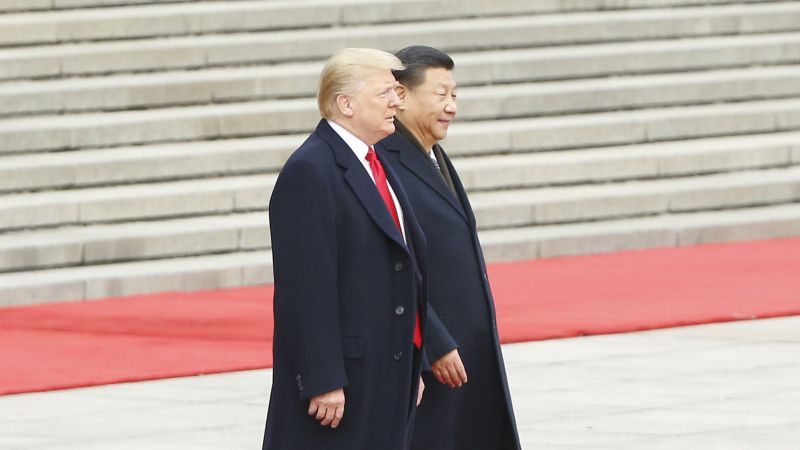
US and Chinese officials are preparing for crucial trade talks in Malaysia ahead of a high-stakes summit between President Trump and Xi Jinping, focusing on issues like tariffs, rare earths, and technology export controls amid tense relations and recent escalations.
The US is considering broad export restrictions on critical software to China in retaliation for China's restrictions on rare-earth minerals and port fees, potentially impacting global trade and technology markets, amid ongoing trade negotiations between the two countries.
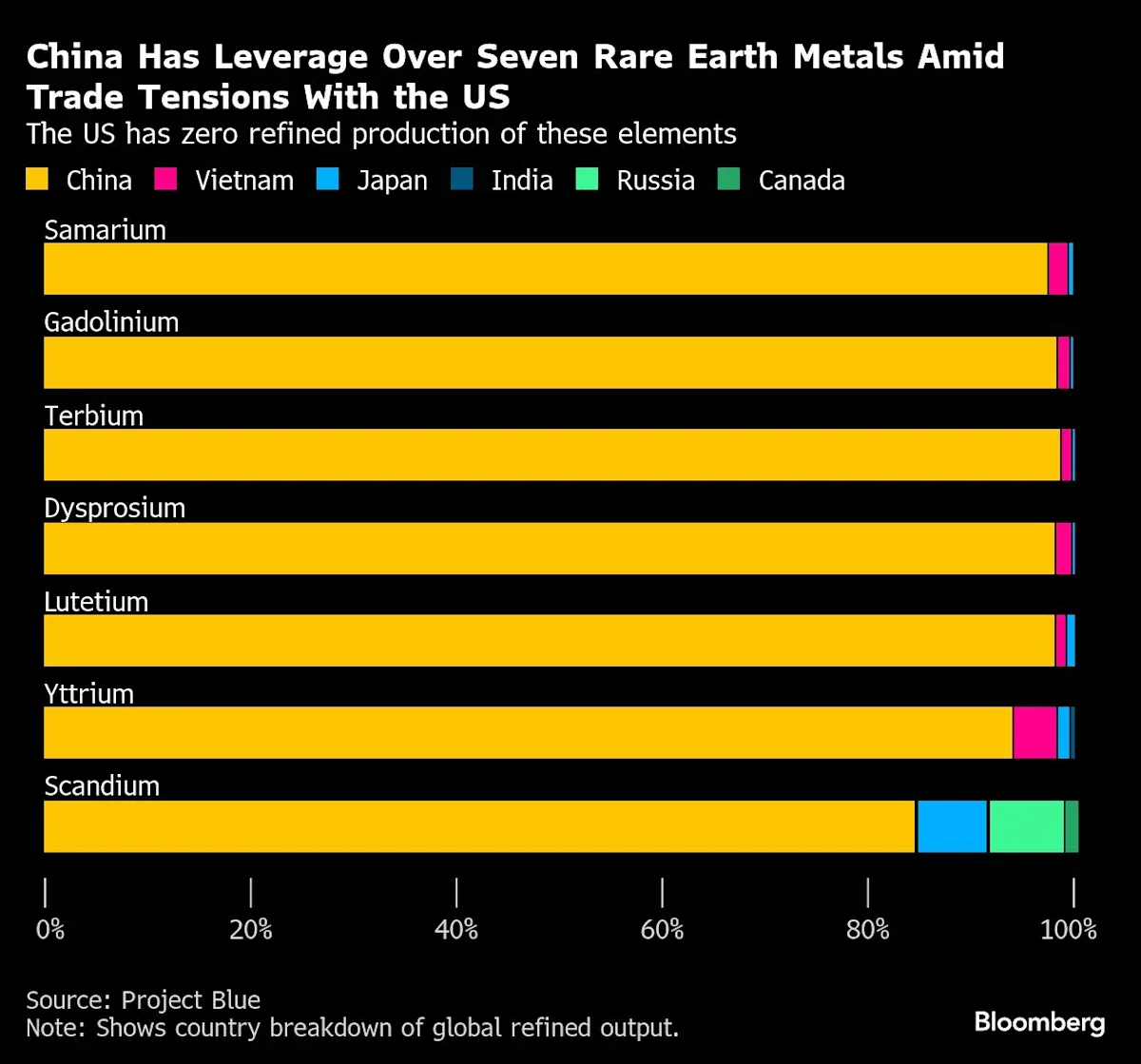
China has expanded restrictions on rare earth minerals, crucial for technology and defense, escalating tensions with the US just before a planned meeting between President Trump and Xi Jinping. The move is seen as a strategic effort to increase leverage in trade negotiations, prompting threats of tariffs from the US and raising concerns about global supply chains and national security.
China has imposed new restrictions on rare earth exports, asserting control over critical minerals vital for global industries, prompting international concern and potential countermeasures from the US, EU, and other nations.
Rare earth stocks in Asia and the US surged due to escalating US-China tensions and China's expanded export restrictions on key minerals, boosting investor interest in alternative suppliers.
China's recent restrictions on rare earth exports, combined with US tariffs and export controls, threaten to disrupt the global semiconductor industry, potentially causing delays and price increases, amid escalating US-China trade tensions.
Germany expressed concern over China's new export restrictions on rare earths, which are vital for the tech industry, and is seeking a coordinated European response to reduce dependence on outside supplies amid ongoing US-China trade tensions.
China has imposed new restrictions on rare earth exports and related technology, aiming to strengthen its bargaining position ahead of upcoming US-China talks, particularly targeting US defense tech companies and emphasizing national security concerns.