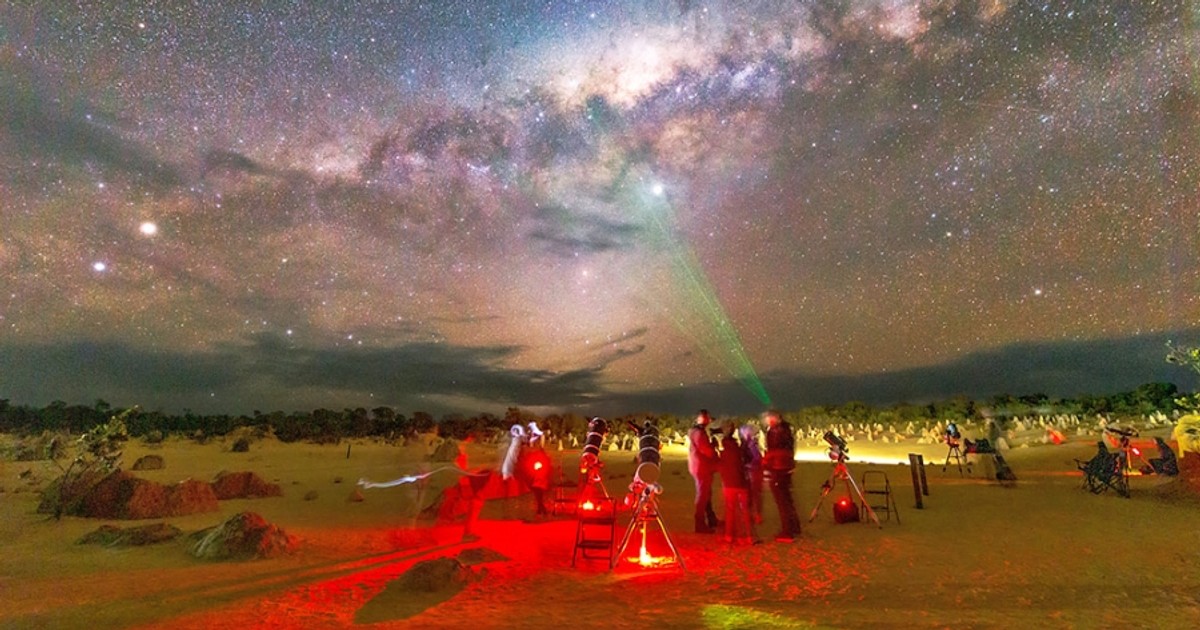
Kenya has launched its first astro-tourism experience in Samburu County, coinciding with a lunar eclipse, aiming to attract eco-tourists and astronomy enthusiasts, and boost its tourism revenue which is projected to reach $4.33 billion in 2025.
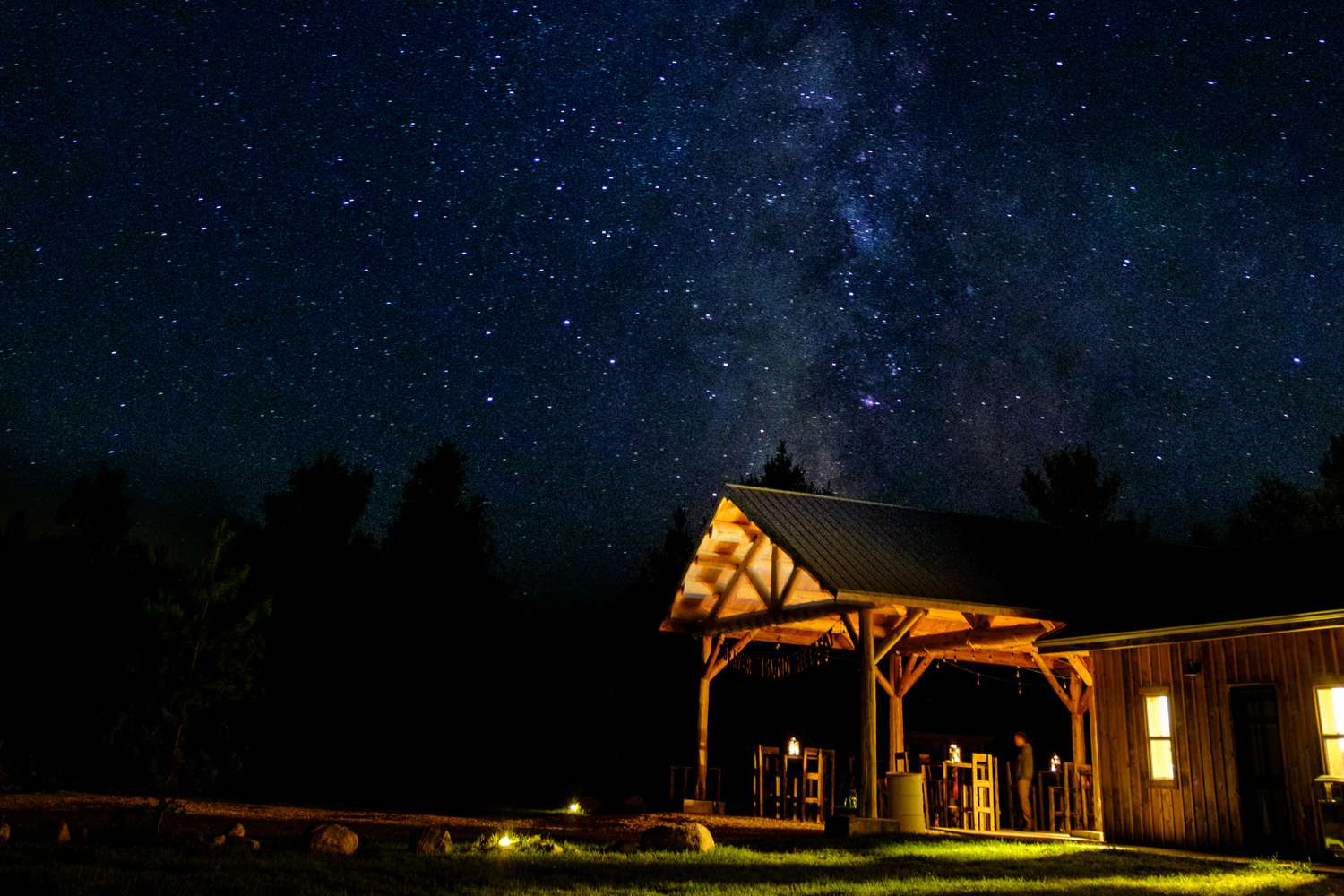
Michigan's Beaver Island State Wildlife Research Area has been designated as the state's first Dark Sky Sanctuary and is also part of the UNESCO Obtawaing Biosphere. This recognition aims to protect the area's exceptional night skies and natural environment, promoting eco-tourism and sustainable practices while offering stunning stargazing opportunities for visitors.
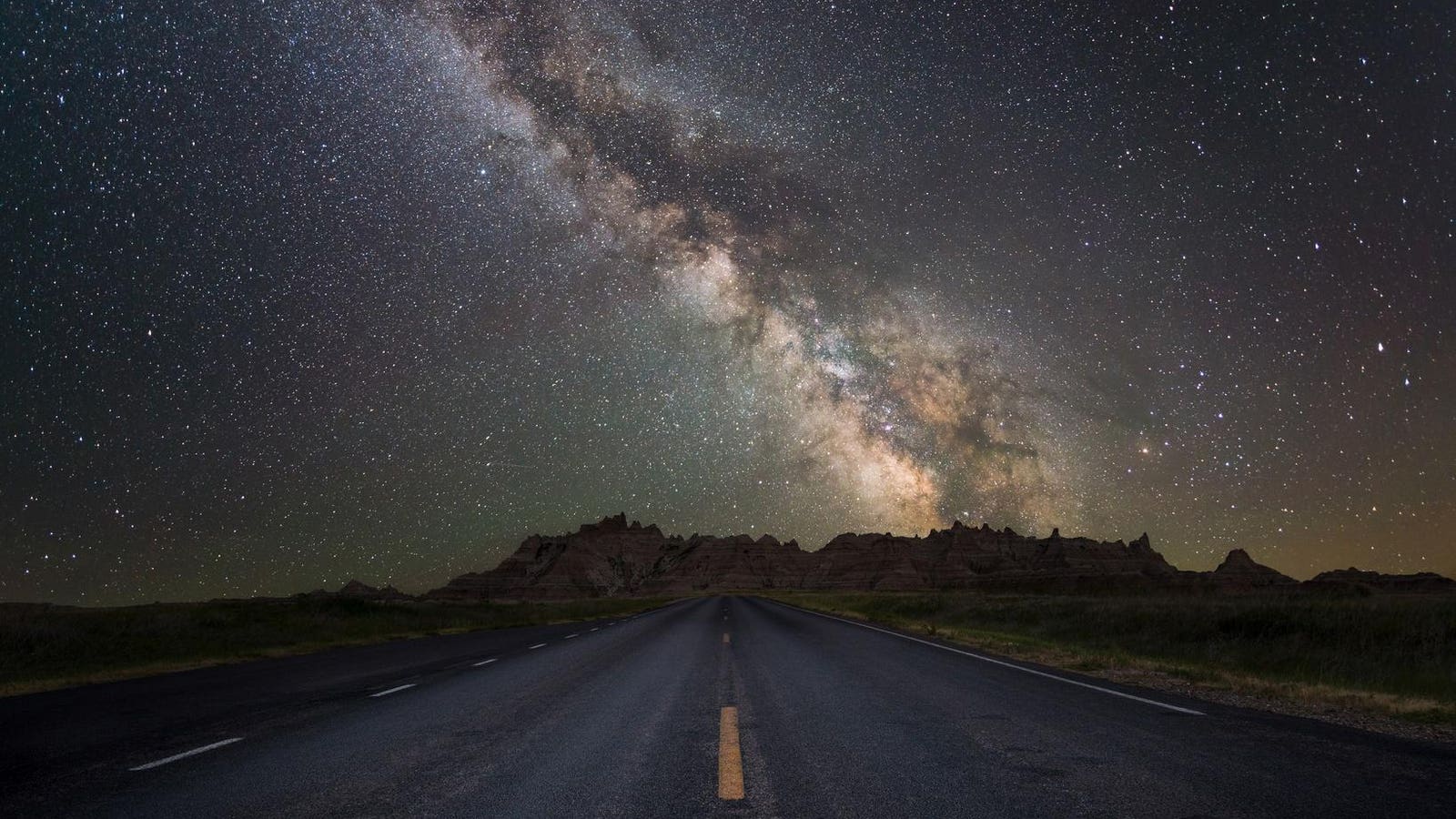
Astro-tourism is a growing trend for 2024, with stargazing road trips in the U.S. being a popular choice due to the abundance of prime stargazing locations in the west. When planning a stargazing trip, consider the moon's phase for optimal viewing, and book camping or RV accommodations well in advance at popular national parks. Additionally, alternative, less crowded stargazing locations near famous parks can offer darker skies and better stargazing opportunities.
Wyoming Stargazing, a nonprofit organization, is offering private stargazing parties in Jackson Hole, Wyoming, near Grand Teton National Park. With a team of astrophysicists, they provide a unique experience for tourists, students, and corporations to enjoy the unpolluted night sky. The organization offers transportation, including curbside pickup, and caters to various events such as weddings and corporate gatherings. The stargazing tours include educational lessons on astrophysics, highlighting the vast distances in space measured in light years. Guests have the opportunity to observe stars like Vega, learn about the Hercules globular cluster, and contemplate the immense distances and age of the universe. Astro-tourism is growing in popularity, not only in Wyoming but also in other remote destinations worldwide.
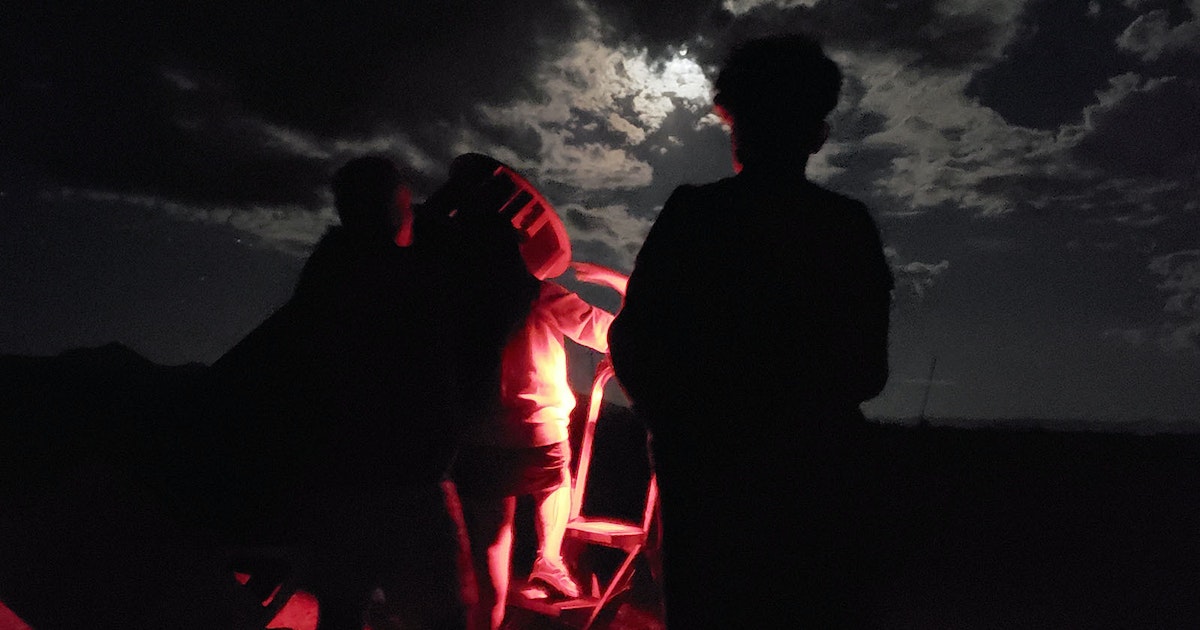
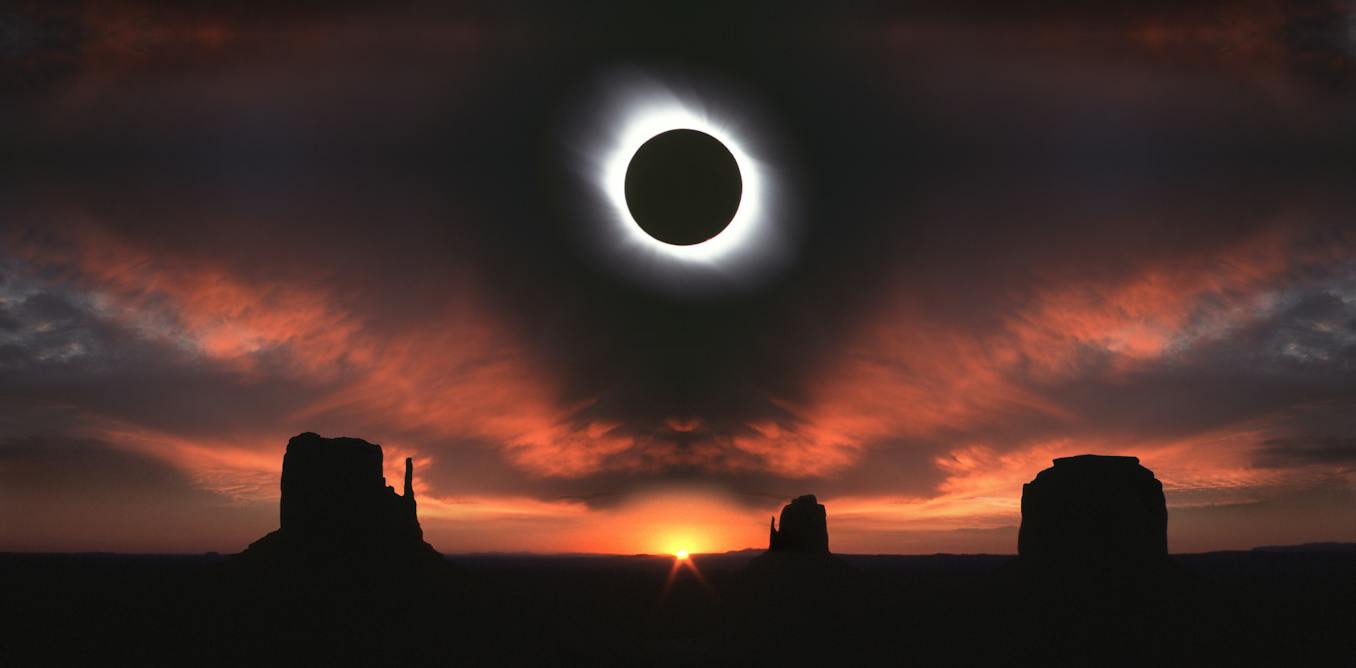
Astro-tourism, the act of traveling to natural, dark-sky locations to witness astronomical events, is gaining popularity as light pollution prevents most people from seeing the Milky Way from their homes. In addition to chasing eclipses, such as the upcoming annular solar eclipse in 2023 and total eclipse in 2024, astro-tourists can also enjoy meteor showers, which occur when Earth passes through comet dust. Tips for aspiring astro-tourists include considering the phase of the Moon, checking weather conditions, finding dark-sky locations using light pollution maps, arriving early to adapt to the dark, and using red light to preserve night vision.