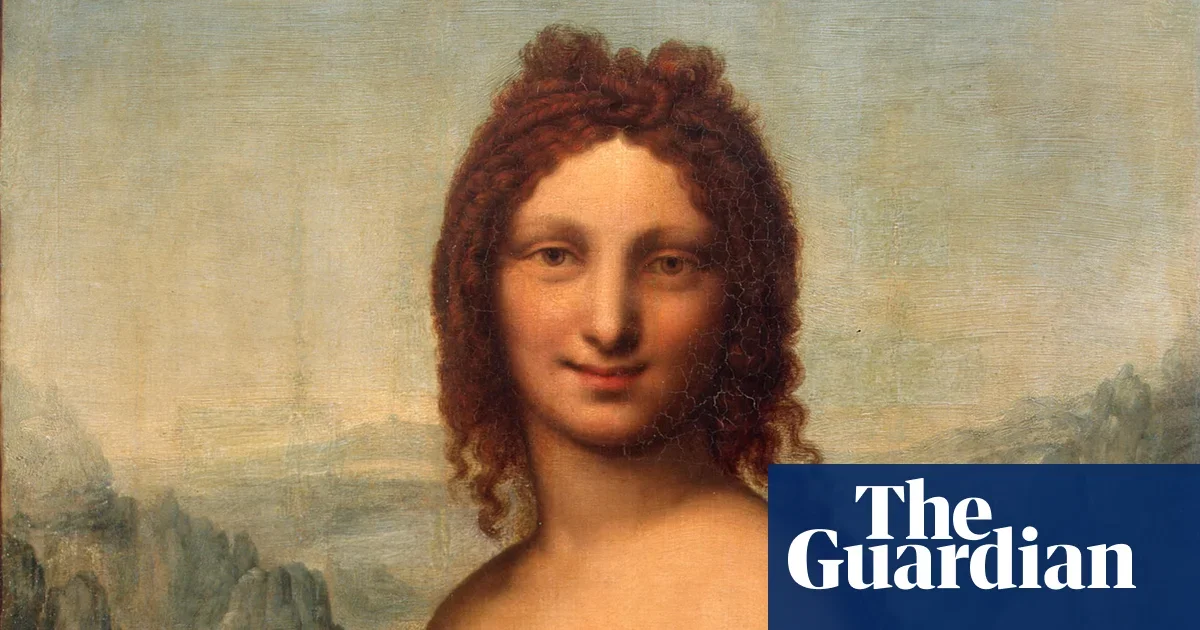
The article explores the possibility that Leonardo da Vinci may have painted a nude version of the Mona Lisa, based on historical accounts, sketches, and comparisons with other Renaissance artworks, suggesting that the famous portrait could have had a more provocative origin.
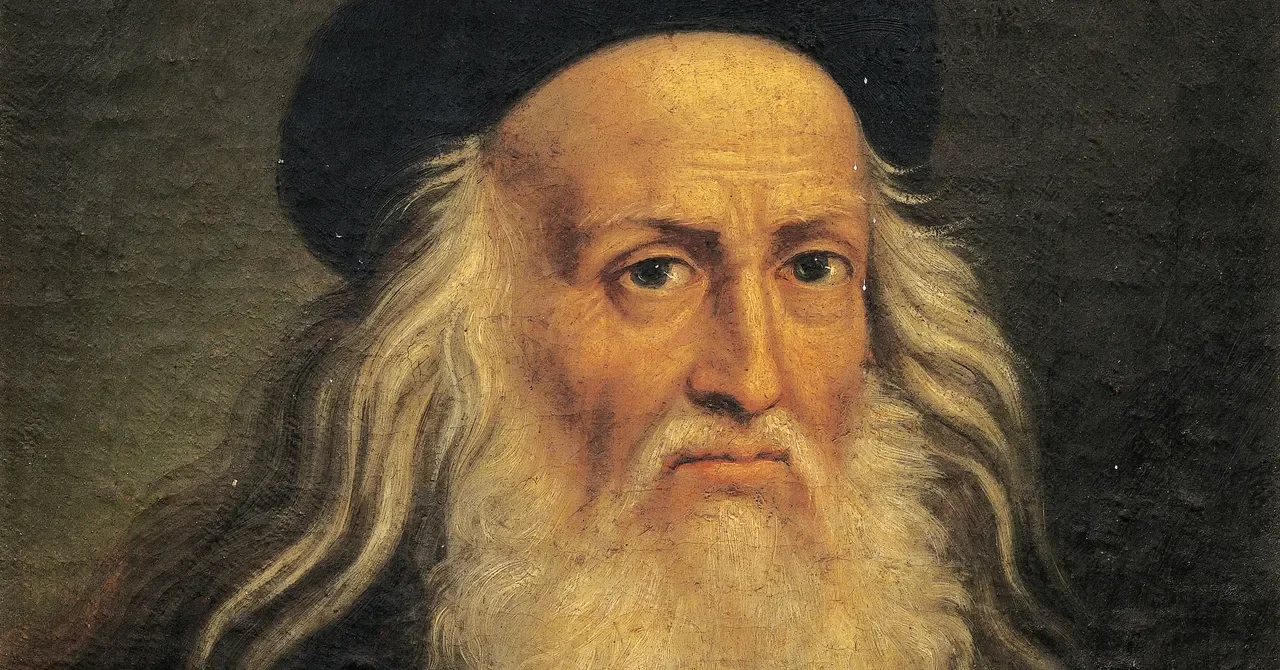
Researchers from the Leonardo da Vinci DNA Project have potentially identified traces of da Vinci's DNA on a Renaissance drawing, using a gentle swabbing method to analyze environmental DNA, though conclusive proof of his identity remains challenging due to the lack of confirmed DNA samples from da Vinci himself and his unknown descendants.
Scientists are close to reconstructing Leonardo da Vinci's DNA through a 30-year genealogical and genetic project, involving DNA analysis of living descendants and archaeological excavations in Vinci, Italy, which could reveal insights into his physical traits, health, and origins, and potentially authenticate his artworks and manuscripts.
Researchers are close to uncovering Leonardo da Vinci's genetic profile by studying his living male descendants and ancient remains, aiming to understand his biological traits, health, and possibly the origins of his genius through a groundbreaking international DNA project.
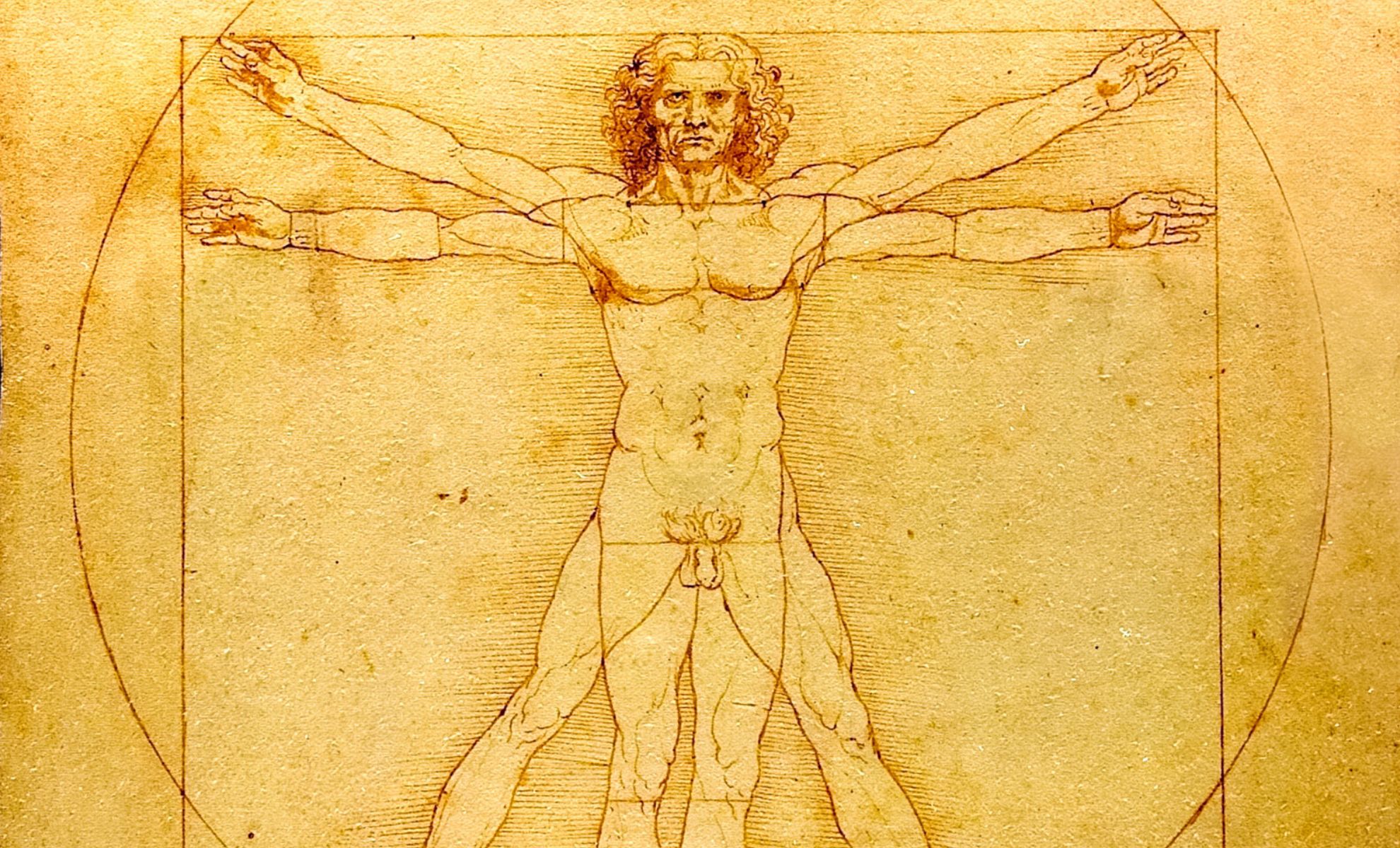
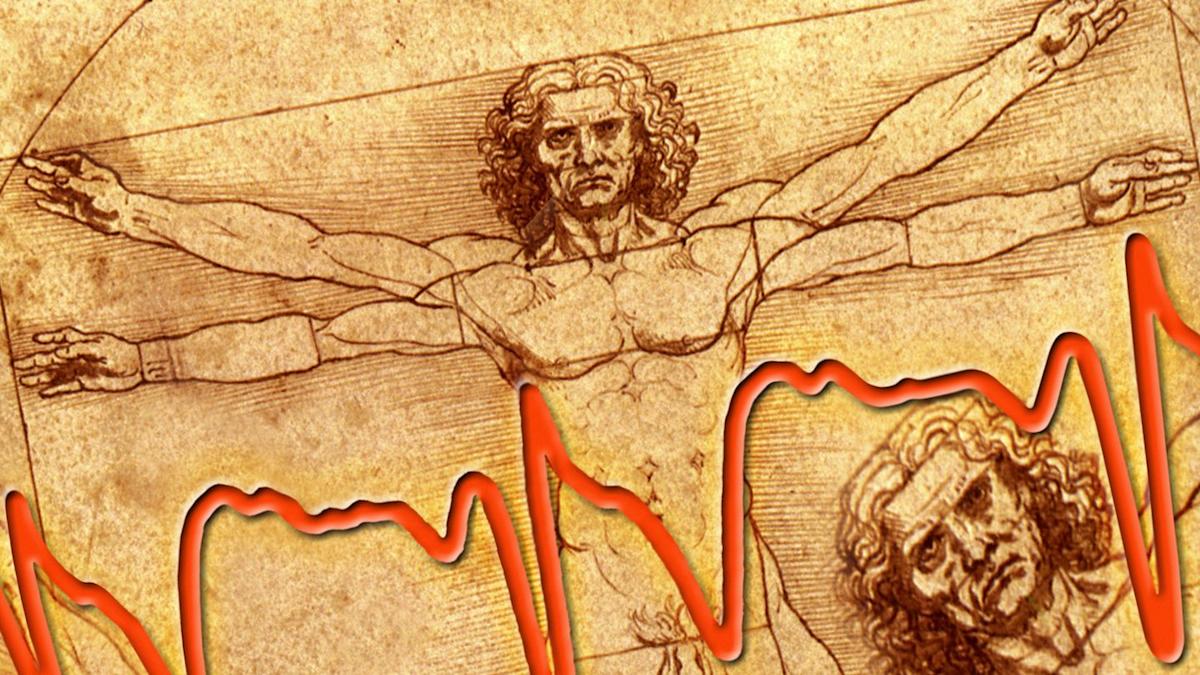
Researchers have solved a 500-year-old mystery about the heart's trabeculae, structures first sketched by da Vinci, revealing their crucial role in heart function and disease, using advanced imaging, fractal analysis, and genetic studies, which could lead to improved heart disease diagnosis and treatment.
Scientists have finally uncovered the function of trabeculae in the human heart, structures first described by Leonardo da Vinci, using fractal analysis, genetics, and MRI data, revealing their role in heart performance and disease risk.
The article summarizes a series on the math behind everyday phenomena and offers a quiz to test knowledge on topics like taxicab geometry, the golden ratio, and sphere packing, encouraging readers to assess what they've learned.
A groundbreaking DNA and genealogical study spanning 21 generations has confirmed the male-line descendants of Leonardo da Vinci, uncovered new details about his family, and explored biological traces in artifacts and remains, offering fresh insights into his life and legacy.
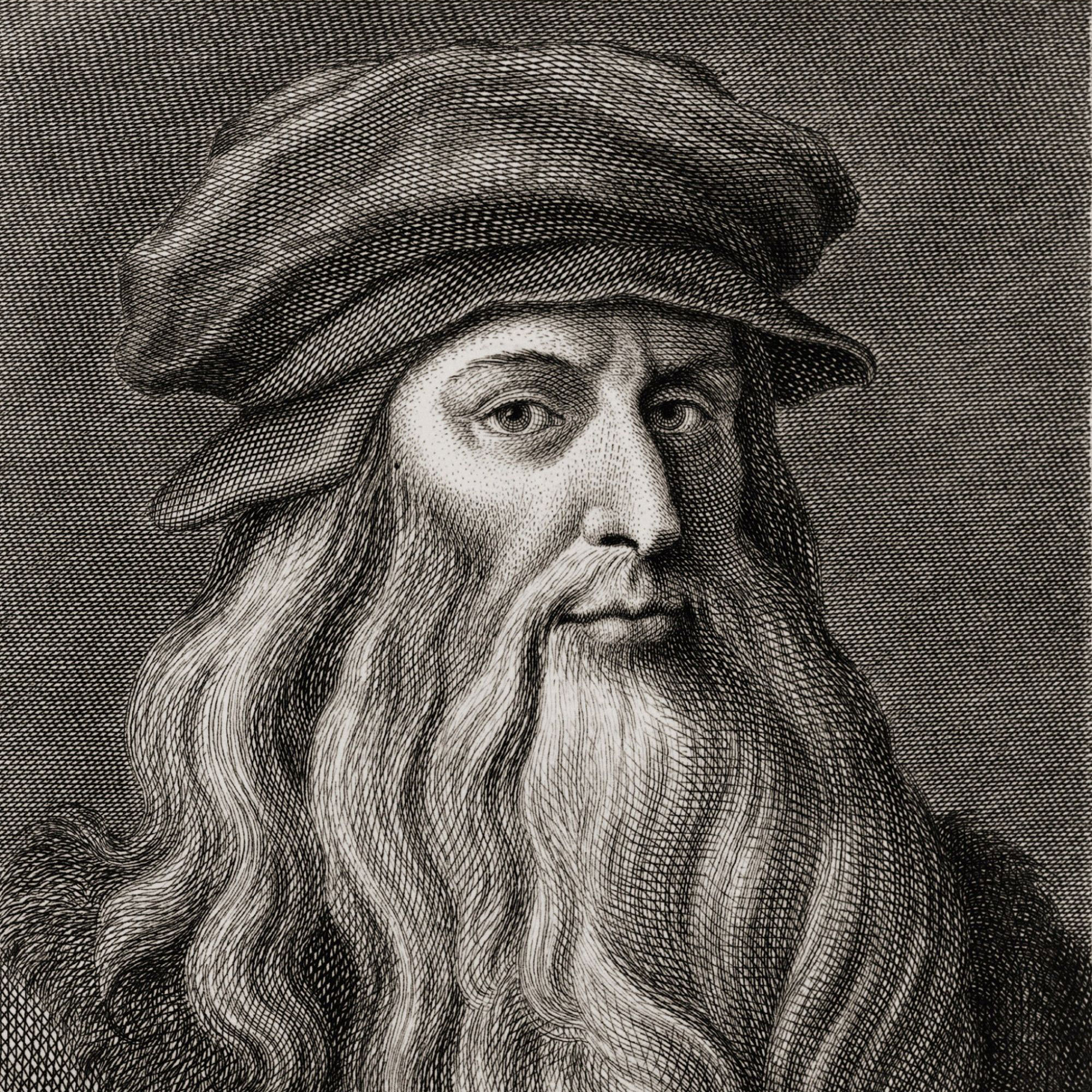
Ken Burns, along with co-directors Sarah Burns and David McMahon, has created a new PBS documentary on Leonardo da Vinci, marking a departure from their usual focus on American history. The film explores da Vinci's life and works, emphasizing his insatiable curiosity and contributions to art and science. Despite initial reluctance, Ken Burns was convinced to broaden his scope, reflecting da Vinci's own philosophy of exploration. The documentary uses da Vinci's notebooks and expert insights to delve into his genius, portraying him as a timeless thinker whose ideas prefigured modern advancements.
Ken Burns' new PBS docuseries "Leonardo da Vinci" explores the life and legacy of the renowned artist and polymath through a unique visual and rhetorical approach. The two-part series delves into da Vinci's intellectual and artistic processes, using his notebooks as a central theme. While the documentary struggles with biographical details, it excels in showcasing da Vinci's interdisciplinary genius and his impact on art and science. Featuring insights from experts like Guillermo del Toro, the series offers a fresh perspective on da Vinci's work and influence.
Ken Burns' new PBS documentary on Leonardo da Vinci spans nearly four hours, exploring the artist's multifaceted career but often indulging in excessive praise. While featuring insights from experts like Carmen Bambach and Martin Kemp, the film misses opportunities for deeper analysis by glossing over controversies such as the authenticity of "Salvator Mundi." The documentary's style is more dynamic than Burns' previous works, yet it remains a largely uncritical celebration of Leonardo's genius, raising questions about the cultural need to idolize historical figures.
Ken Burns, renowned American documentary filmmaker, discusses his new documentary on Leonardo da Vinci, marking his first exploration of a non-American subject. The film delves into Leonardo's life as a polymath, highlighting his contributions to art, science, and engineering. Burns, known for his works on American history, was initially hesitant to take on the project but was persuaded by his family and friend Walter Isaacson. The documentary, airing on PBS, features insights from various experts and aims to demystify Leonardo, portraying him as a genius with a wide-ranging curiosity.
Sotheby's wins a federal jury trial against Russian billionaire Dmitry Rybolovlev, who accused the auction house of defrauding him in art sales, including the purchase of "Salvator Mundi" attributed to Leonardo da Vinci. The jury ruled in favor of Sotheby's, stating it had no knowledge of any deception by Swiss art dealer Yves Bouvier, and rejected Rybolovlev's claims of inflated prices. The case sheds light on transparency issues in the art market and has been one of the highest-profile art fraud disputes in recent years.
X-ray analysis of a tiny speck from the "Mona Lisa" has revealed new insights into Leonardo da Vinci's painting techniques. Scientists discovered a rare compound called plumbonacrite in the base layer of the painting, confirming that Leonardo likely used lead oxide powder to thicken and dry his paint. This finding provides scientific evidence for previously hypothesized techniques used by the artist. The research highlights Leonardo's experimental nature and the ongoing potential for further discoveries about his iconic masterpiece.
Scientists have used X-rays to analyze a tiny speck of the "Mona Lisa" and discovered a rare compound, plumbonacrite, in Leonardo da Vinci's base layer of paint. This finding confirms that Leonardo likely used lead oxide powder to thicken and dry his paint, providing new insight into his experimental painting techniques. The research sheds light on the distinctive chemical signature of the "Mona Lisa" and highlights Leonardo's spirit of constant experimentation as a painter. The discovery is considered significant for the art world and offers further opportunities for uncovering secrets in Leonardo's works.