Unveiling the Dynamic Dance of Iron Atoms in Earth's Core
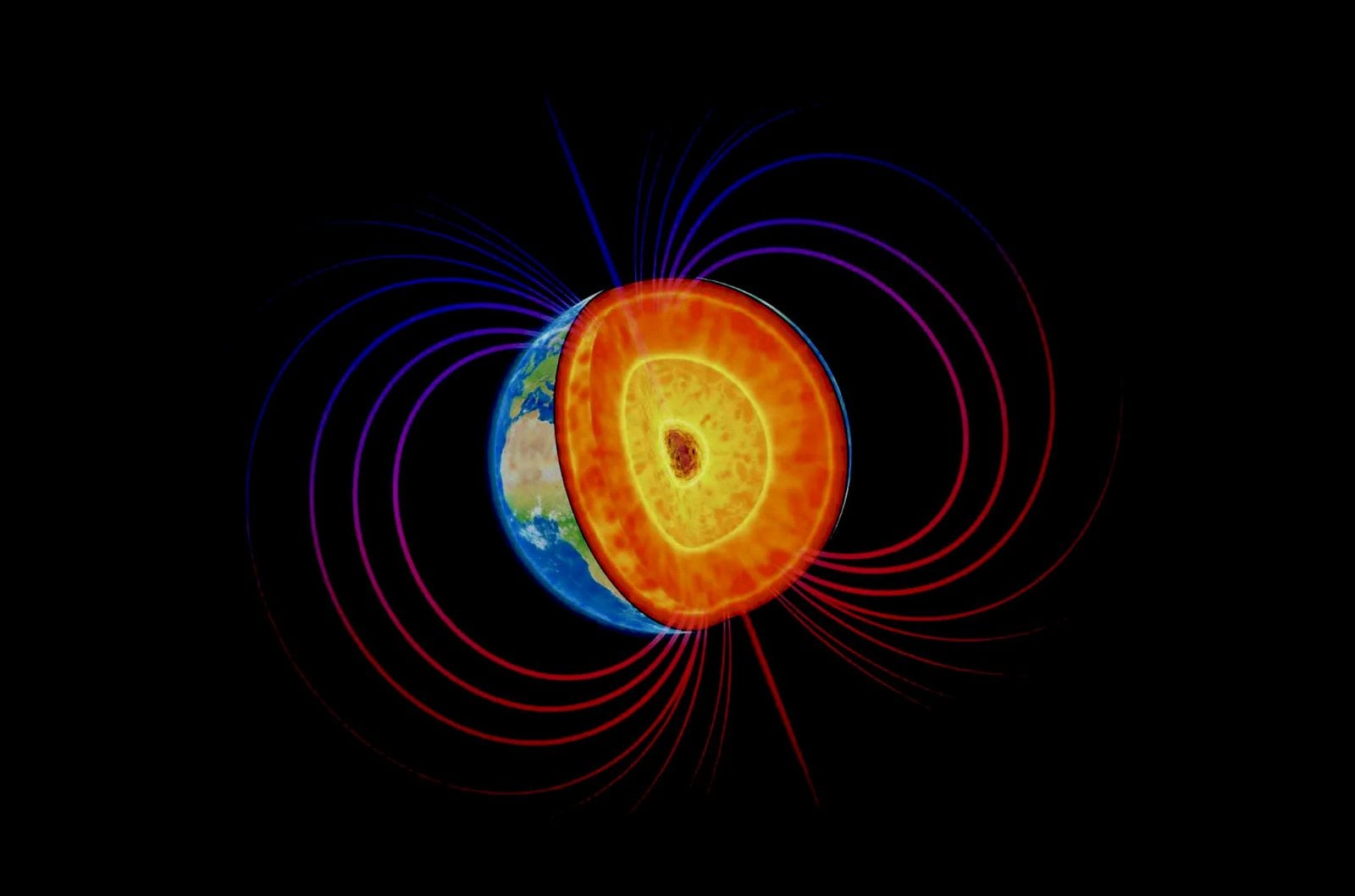
A new study led by The University of Texas at Austin and collaborators in China has discovered rapid "collective motion" of iron atoms in Earth's solid inner core. This movement, akin to dinner guests changing seats at a table, may explain the core's unexpected softness in seismic data and has implications for understanding Earth's magnetic field generation. By using laboratory experiments and theoretical models, researchers observed groups of iron atoms moving about while maintaining the overall hexagonal structure of the inner core. This increased movement makes the inner core less rigid and weaker against shear forces, shedding light on the inner core's role in powering Earth's geodynamo and magnetic field.