Tag

Airglow

All articles tagged with #airglow

space-science1 year ago

"Stunning Photo Captures Earth's Golden Atmospheric Glow from Space"

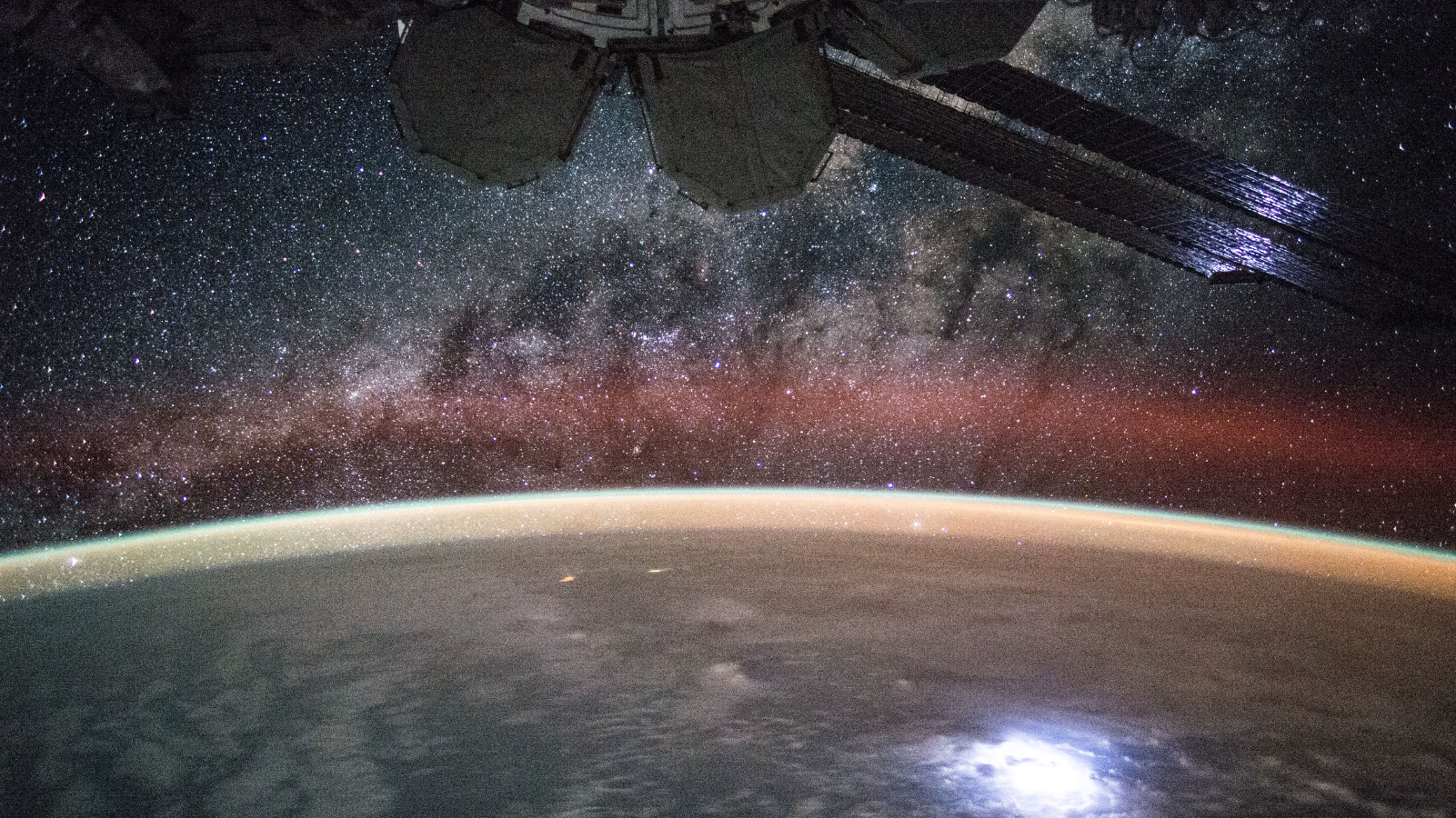
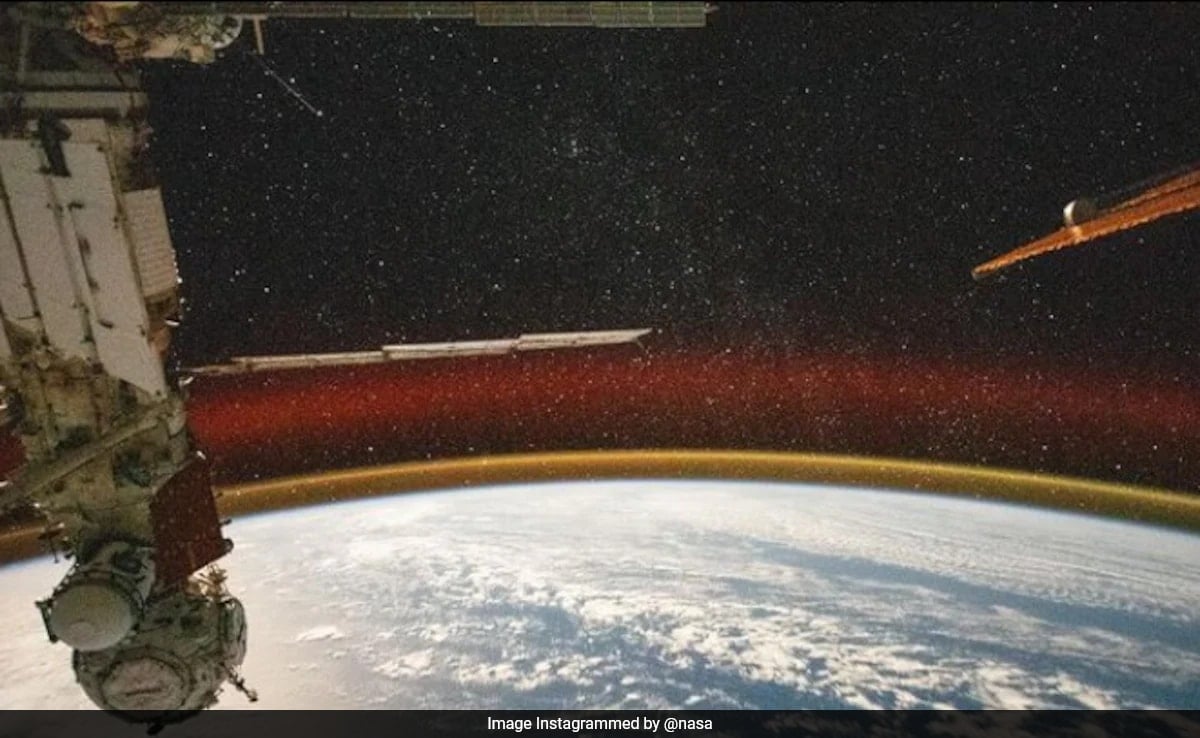
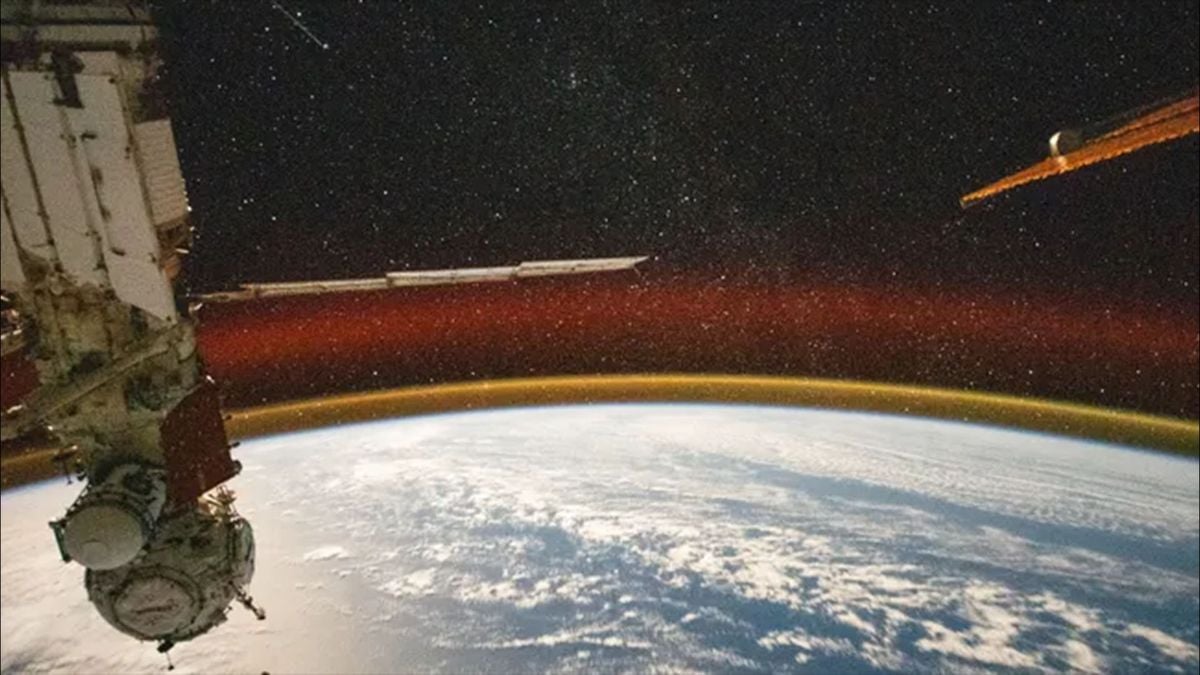
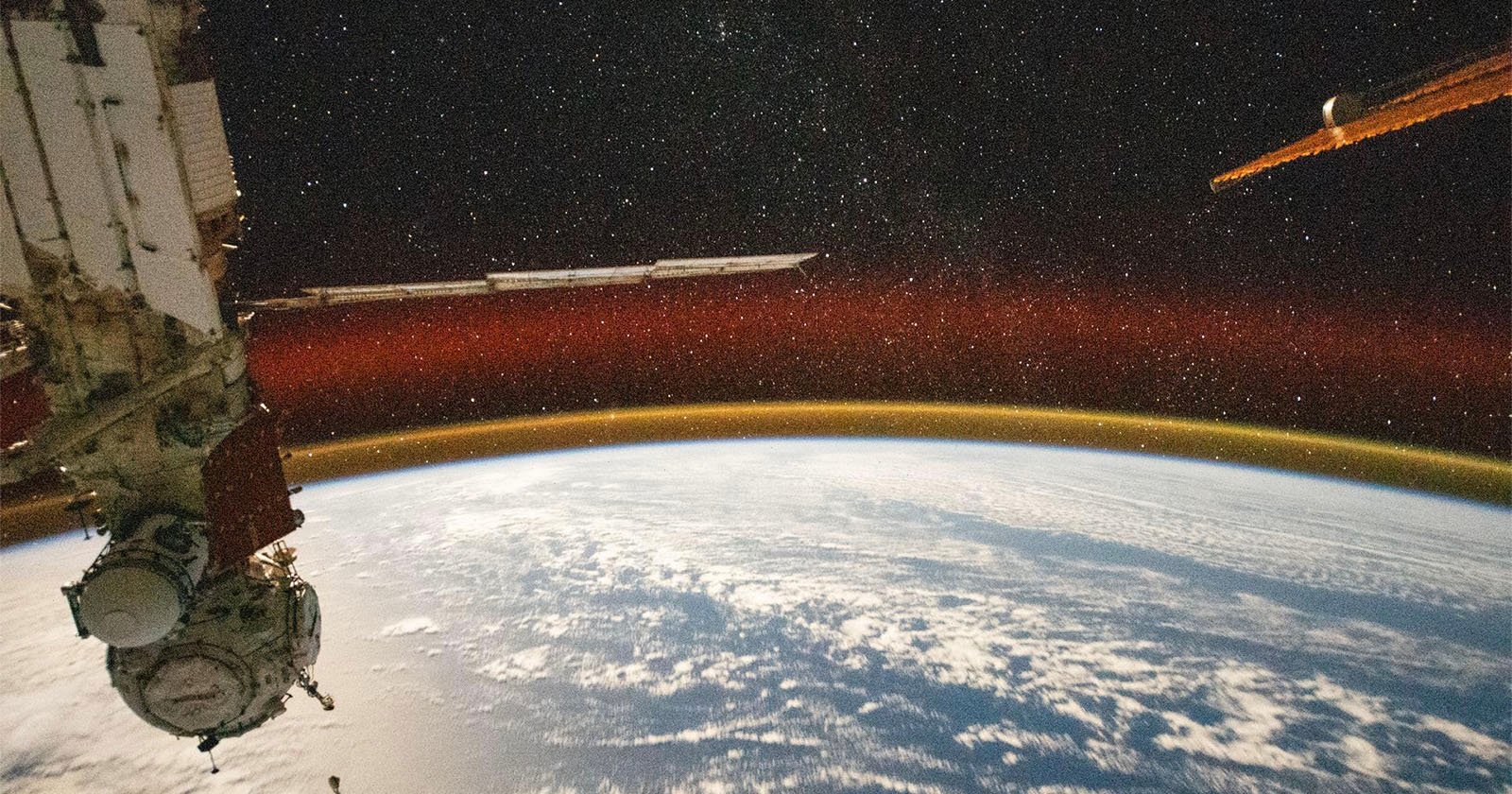
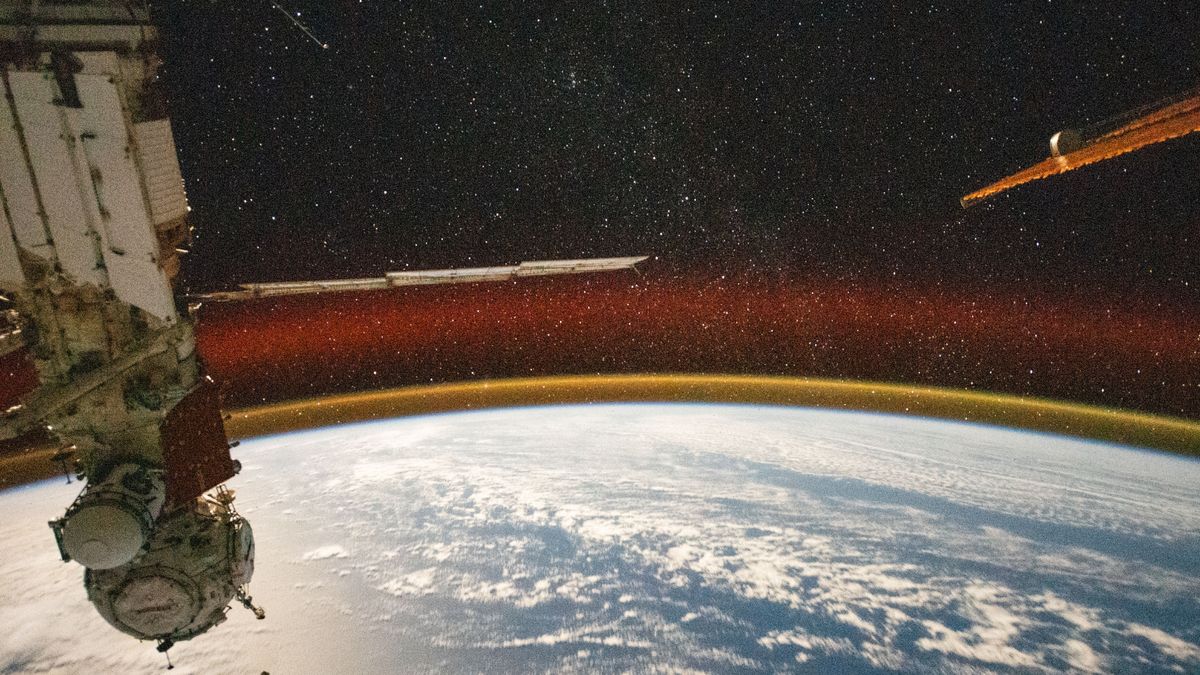
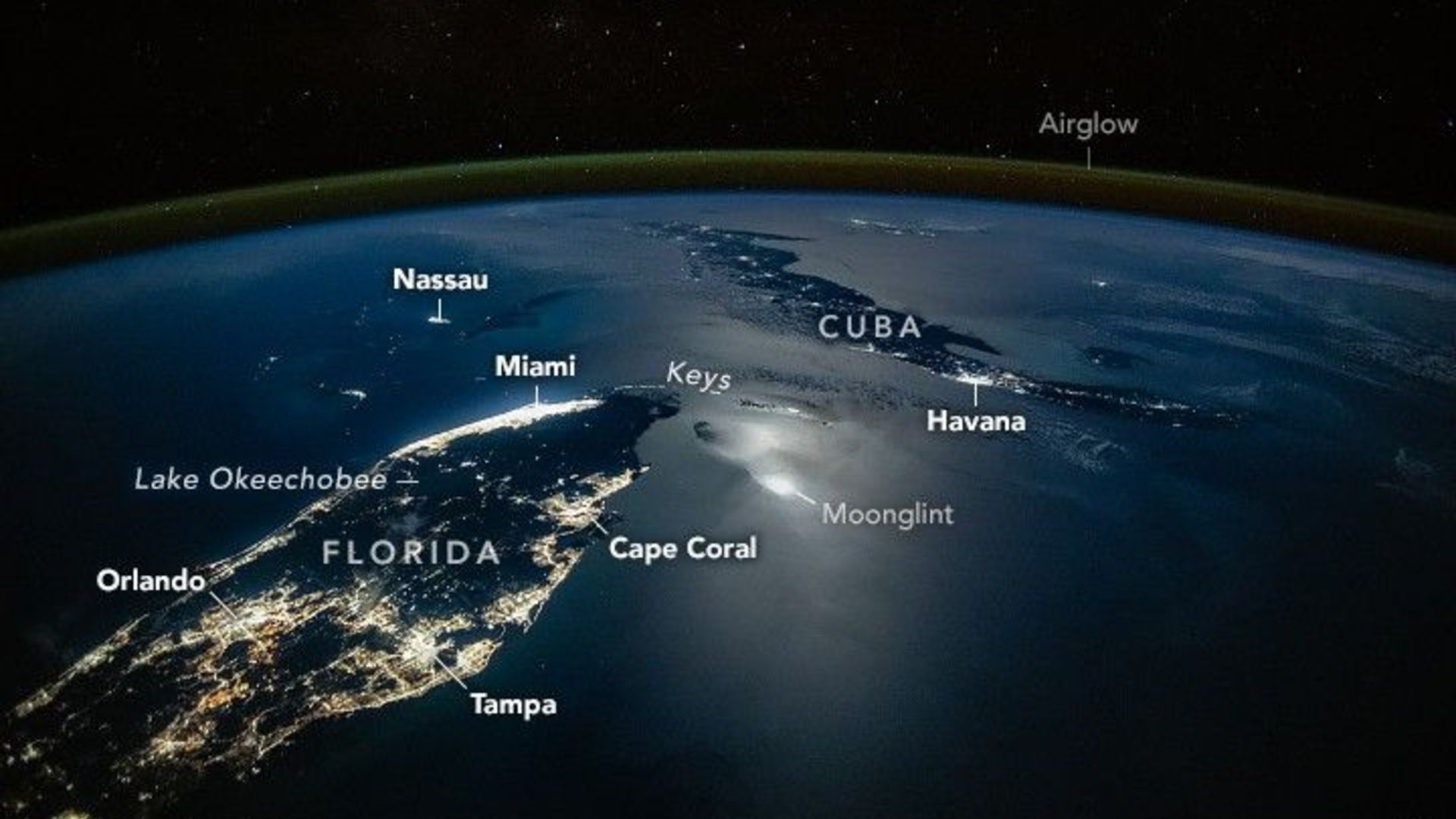
A stunning photo taken from the International Space Station shows Earth's atmosphere glowing gold due to airglow, a phenomenon caused by sunlight interacting with molecules in the upper atmosphere. The image, captured over the Pacific Ocean, also features the ISS, including the Prichal docking module and the Nauka laboratory module belonging to Russia's space agency Roscosmos. This breathtaking view showcases the beauty of our planet and the space station's orbit around it.

spacescience1 year ago

"Golden Glows: Stunning Views of Earth's Atmosphere from the ISS"

The International Space Station captured a stunning photo of Earth's atmosphere glowing golden with a starry night sky backdrop, showcasing a phenomenon called airglow caused by sunlight interacting with atoms and molecules in the atmosphere. The one-second exposure photograph taken on a Nikon D5 shows a firm golden band of airglow aligned with Earth's curvature, along with the ISS's modules and whispy clouds above the Pacific Ocean. Airglow, similar to auroras but energized by ordinary solar radiation, is becoming more prominent due to increased solar activity, and can be captured by photographers in dark areas.

space1 year ago

"Capturing Earth's Radiant Atmosphere: Stunning Views from Space"

A stunning photo taken from the International Space Station shows Earth's atmospheric glow, known as airglow, as it interacts with sunlight and molecules in the atmosphere. The image, captured at an altitude of 258 miles above the Pacific Ocean, also features a starry sky backdrop and the space station itself. The airglow phenomenon is caused by the interaction of molecules such as nitrogen, oxygen, sodium, and ozone with ultraviolet radiation from sunlight, resulting in a colorful display best seen at night.

space2 years ago

"Captivating Airglow Image of Earth Revealed by NASA from Space Station"

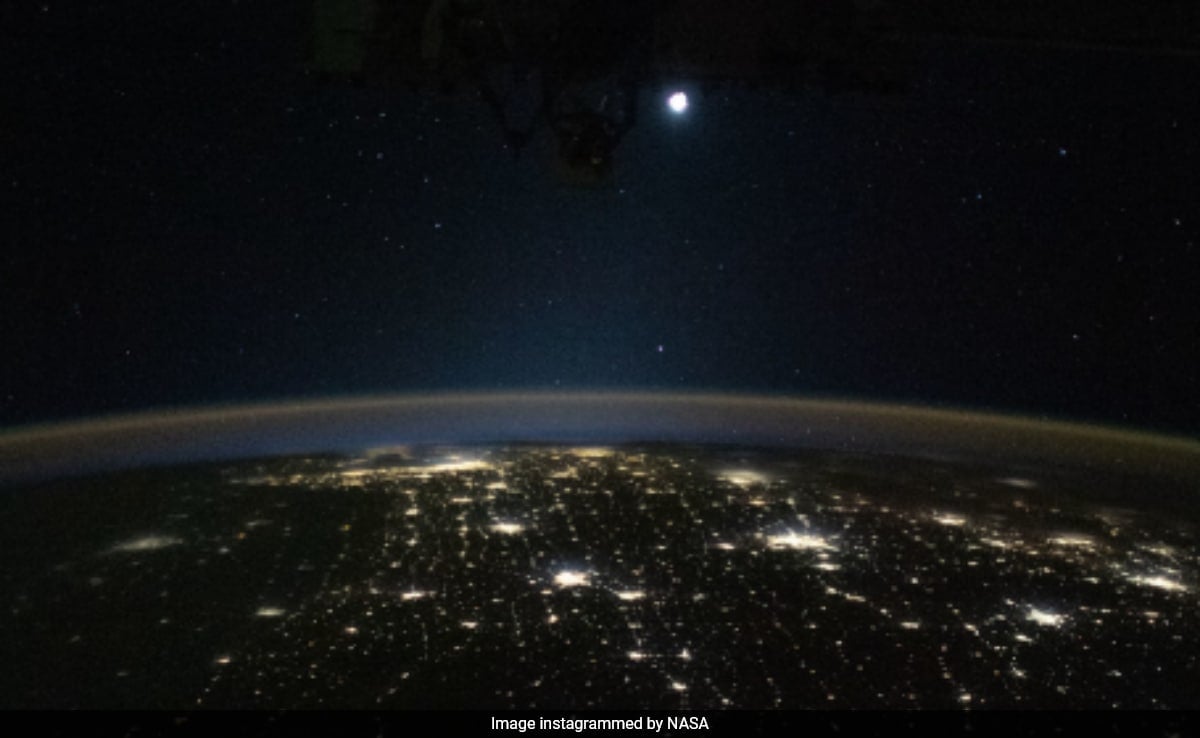
NASA shared a stunning image taken from the International Space Station, showing Earth's airglow outlining the planet's horizon with the Moon above. Airglow is caused by atoms and molecules in the upper atmosphere emitting light to shed excess energy. The image, captured on November 14, 2023, also reveals city lights, including Chicago and Denver. NASA explained that studying airglow helps understand the upper atmosphere's temperature, density, and composition, as well as the movement of particles. The image has received over 780,000 likes on Instagram.

space2 years ago

"Scientists Discover Eerie Green Glow in Martian Night Sky"

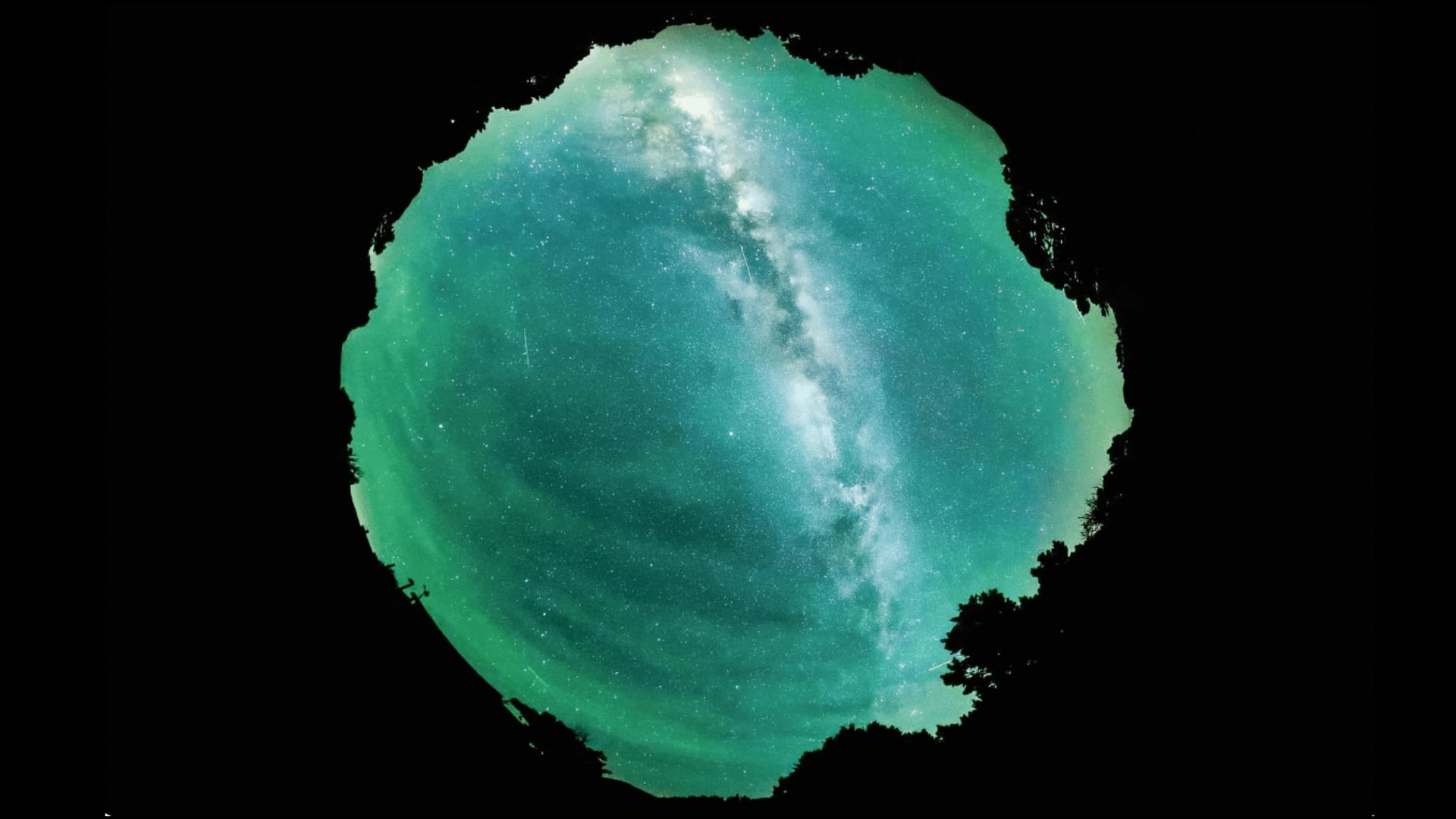
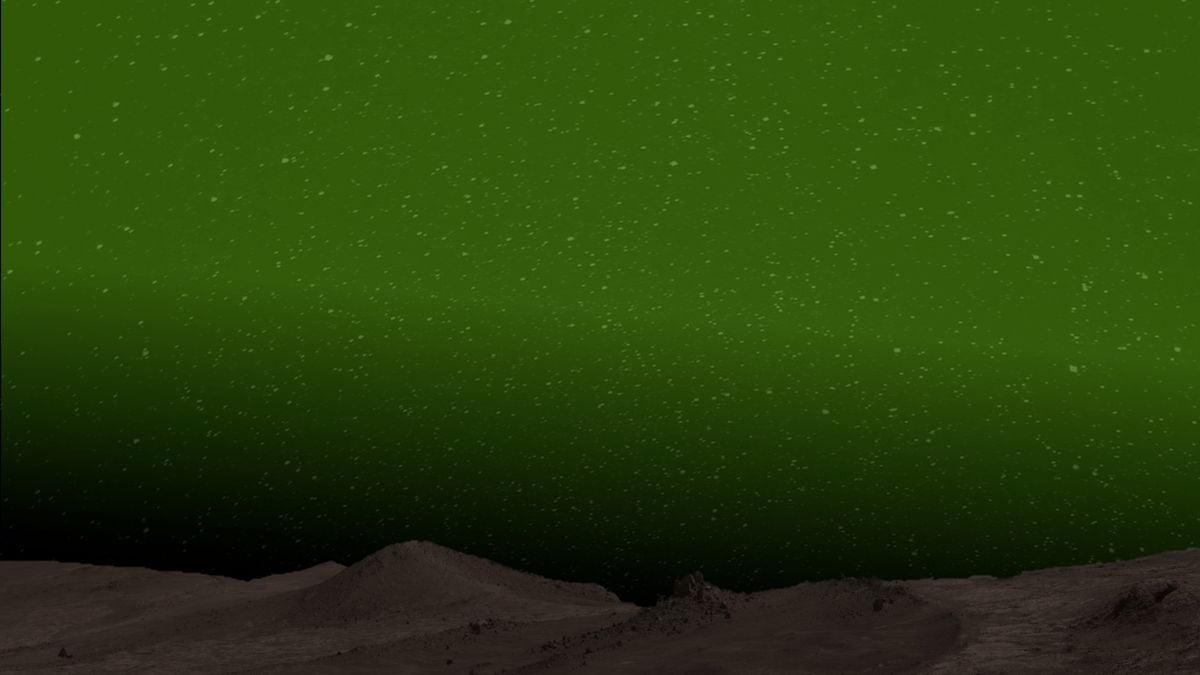
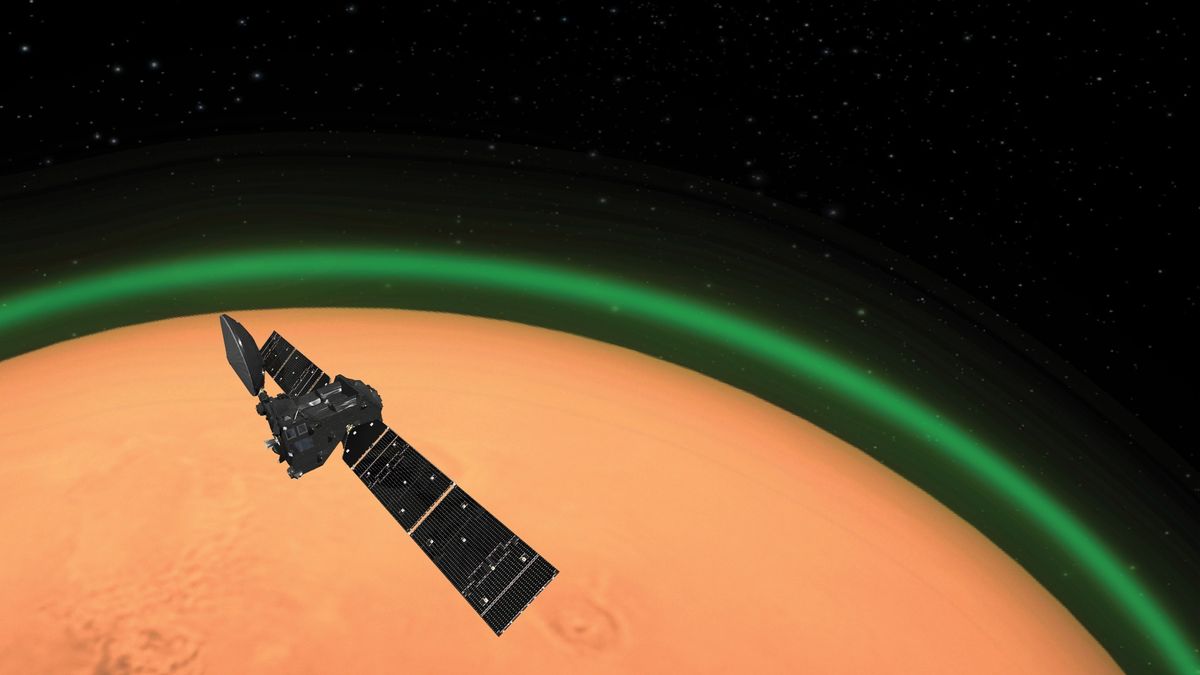
Scientists using the ExoMars Trace Gas Orbiter (TGO) have observed Mars' atmosphere glowing green for the first time in visible light, a phenomenon known as airglow. This unexpected discovery could have implications for future missions to Mars, as the intensity of the nightglow in the polar regions could be mapped and monitored by relatively inexpensive instruments in Martian orbit. Studying Mars' nightglow will provide insight into the composition and dynamics of the planet's upper atmosphere, which is otherwise inaccessible to direct measurement. Additionally, understanding Mars' atmosphere can aid in the design of spacecraft and equipment for future missions.

science-and-astronomy2 years ago

"Mars Probe Discovers Surprising Green Glow in Red Planet's Atmosphere"

The European Space Agency's ExoMars Trace Gas Orbiter has observed Mars' atmosphere glowing green for the first time in visible light. This phenomenon, known as airglow, occurs when two oxygen atoms combine to form an oxygen molecule. Scientists have suspected Mars to have airglow for 40 years, and the first observation occurred a decade ago. Studying Mars' nightglow will provide insight into the composition and dynamics of its upper atmosphere, aiding in the design of future spacecraft and potential manned missions to the Red Planet.

science-and-technology2 years ago

"Alaska's Skies Illuminate with HAARP's Artificial Airglow"

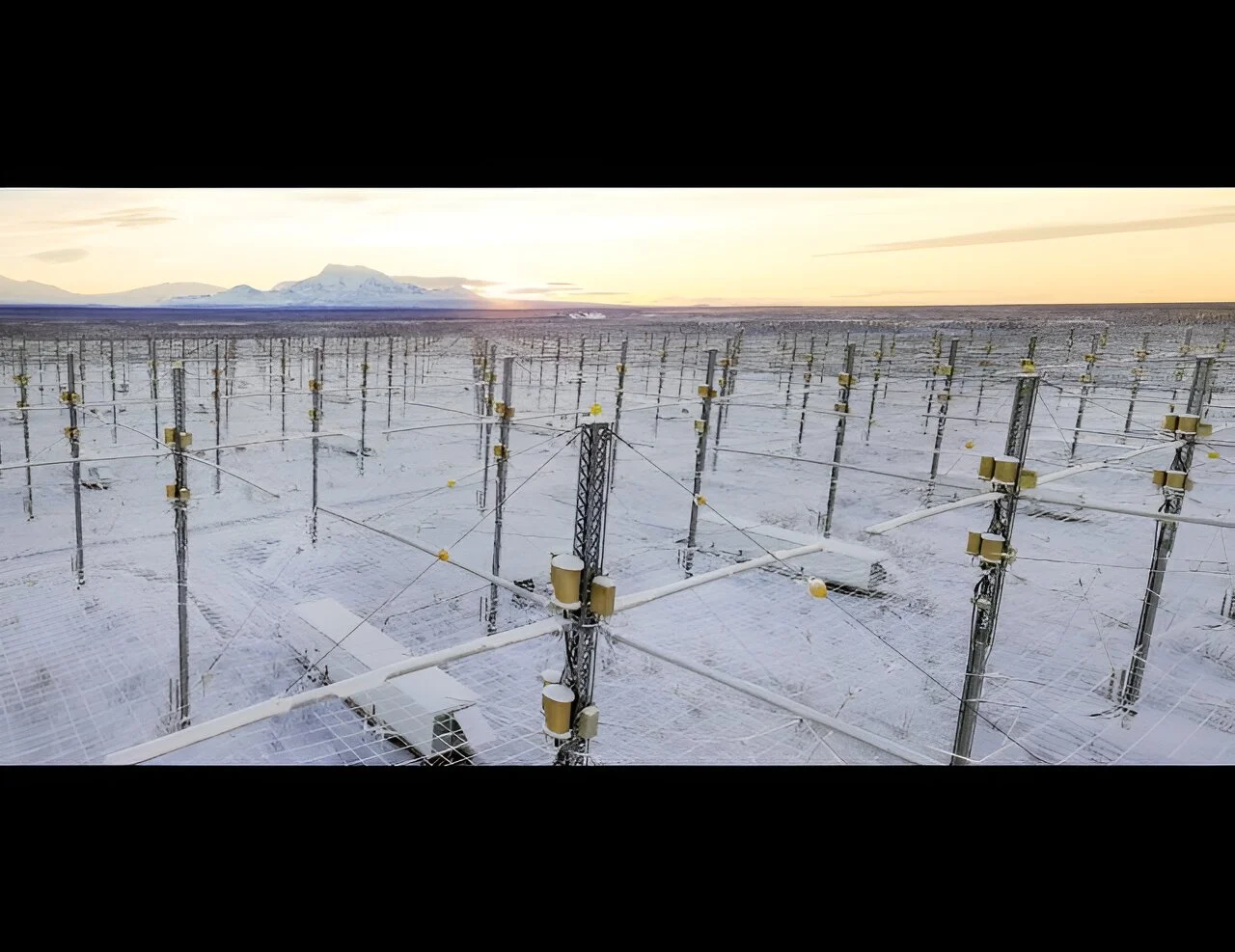
The High-frequency Active Auroral Research Program (HAARP) will conduct a four-day research campaign in Alaska, during which an artificial airglow may be visible in the sky. Scientists from multiple universities will investigate ionosphere mechanisms, plasma waves, and satellite collision detection. The airglow, created by exciting electrons in the ionosphere, will appear as a faint red or green patch and can be seen up to 300 miles from the HAARP facility. HAARP's research aims to explore Earth's upper atmosphere and geospace environment.

astronomy2 years ago

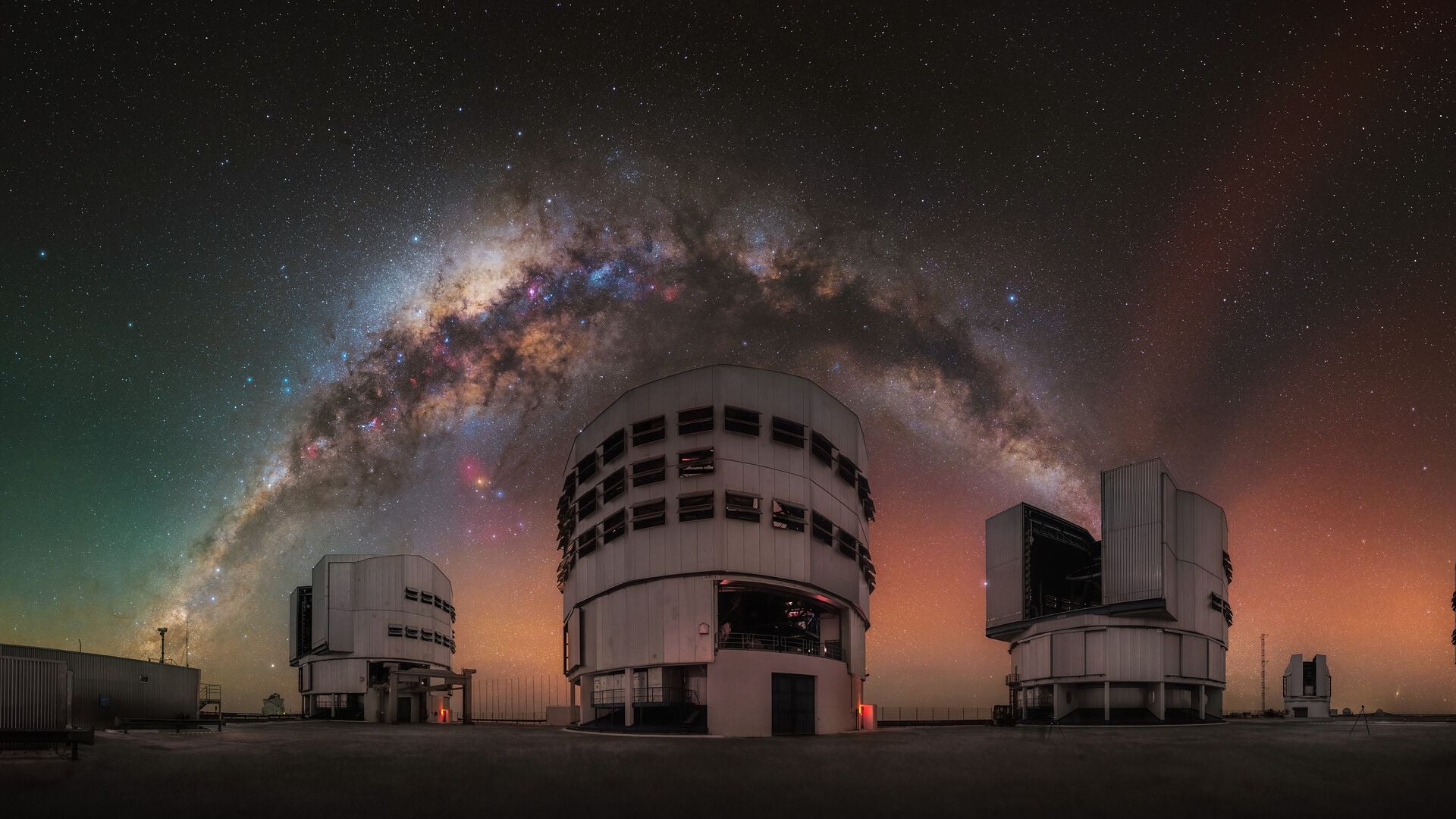
Stunning Night Sky Airglow Captured by Photographer

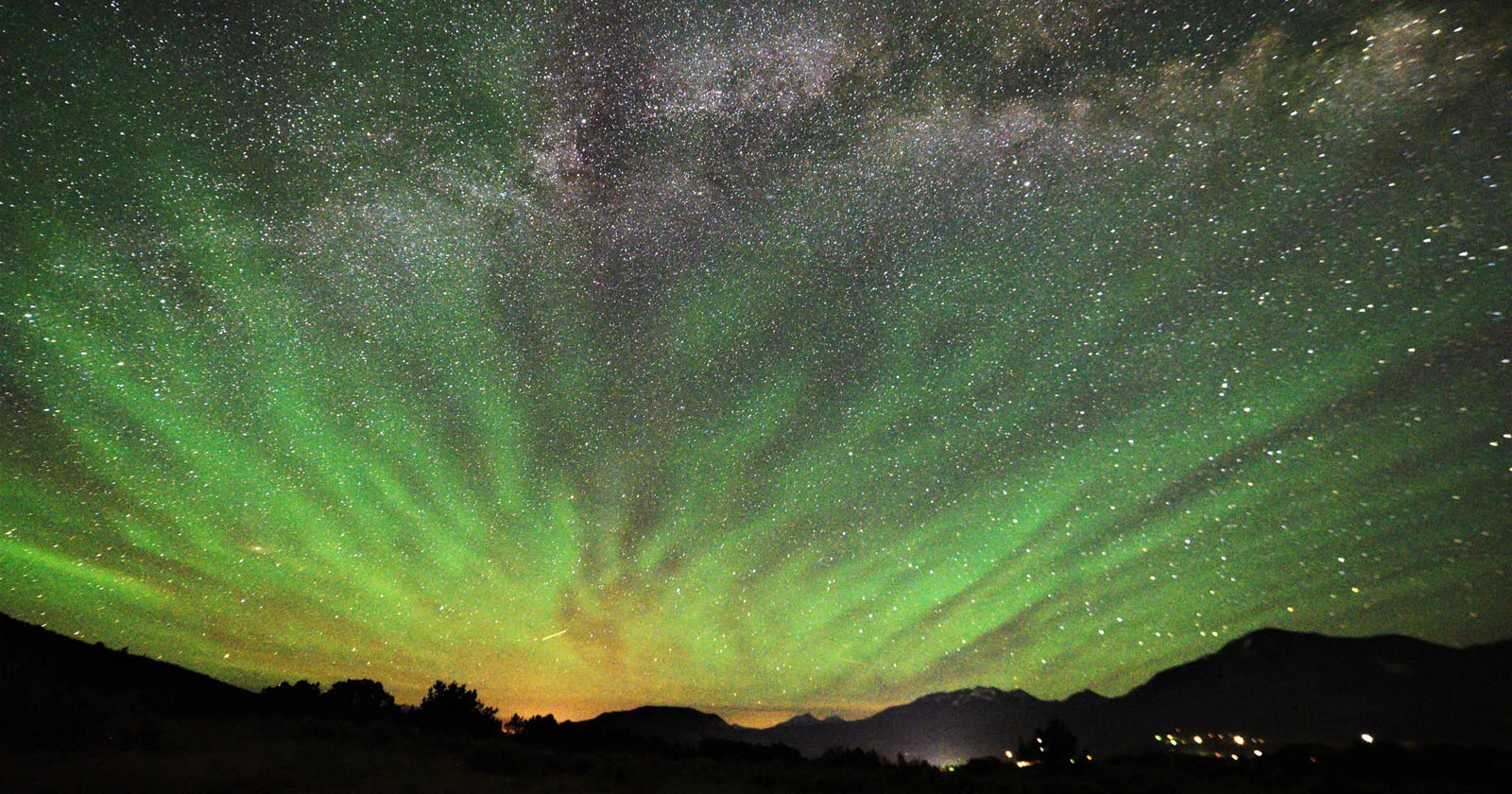
Photographer Aaron Watson captured stunning photos of airglow, a constant phenomenon in the Earth's upper atmosphere that emits light when atoms and molecules shed excess energy. Unlike auroras, which are driven by high-energy particles from the solar wind, airglow is energized by day-to-day solar radiation. Increased solar activity is boosting airglow, and Watson's photos provide valuable insight into the state of the upper atmosphere. NASA is funding experiments to further study the ionosphere and its relationship with the Sun and Earth.