An 80-year-old woman who has received all COVID vaccines, including the latest in August, is considering whether to get the updated 2025-26 vaccine to better protect against circulating variants. Dr. Roach advises that she has some protection from her recent vaccine but recommends the new vaccine if she wants enhanced protection, especially given her age and risk factors. The decision can be made now or in a few months depending on community virus levels.
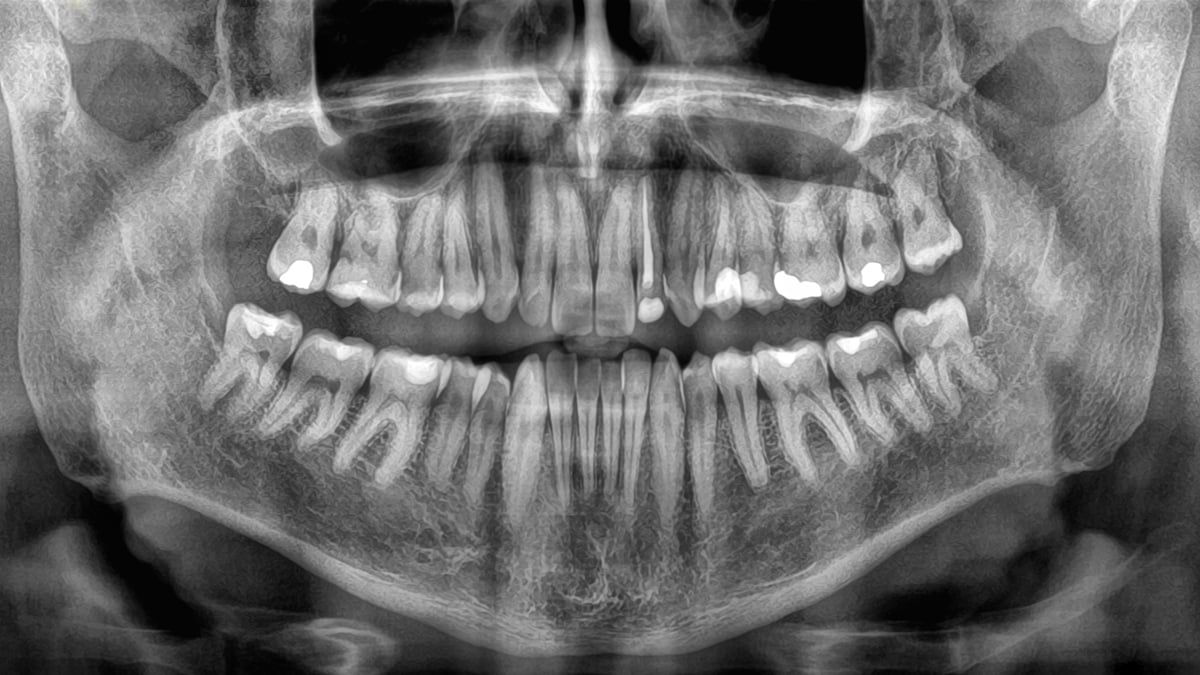
A study from Sichuan University found that rapid tooth loss in older adults is linked to a higher risk of death, suggesting that tooth loss could serve as an indicator of overall health and mortality risk, emphasizing the importance of good oral hygiene and regular dental care.
An 85-year-old woman with gallstones is considering surgery; Dr. Roach advises weighing the risks and benefits carefully, especially given her age and health status, and recommends consulting her primary doctor for a personalized assessment.
Research from Pennsylvania State University shows that significant year-to-year weight fluctuations in people over 65 are linked to faster cognitive decline, emphasizing the importance of regular weight monitoring in older adults to potentially mitigate dementia risk.
A longitudinal study suggests that eating breakfast later in the day is associated with a higher risk of early death among older adults, possibly serving as an indicator of declining health, though causality remains uncertain.
A study of 33,000 Europeans found that loneliness and hearing loss together accelerate memory decline in older adults, highlighting the importance of early hearing care and social engagement to protect cognitive health.
A new study suggests that participation in the US Supplemental Nutritional Assistance Program (SNAP) is associated with a slower rate of cognitive decline in older adults, potentially preserving 2-3 extra years of cognitive health over a decade, highlighting the importance of food security for brain health.
Taking excessive prescription medications can be very risky for older adults, leading to dangerous interactions and side effects such as confusion, unsteadiness, and blood pressure issues, as illustrated by the case of Argie, a woman in her 70s experiencing health problems potentially linked to polypharmacy.
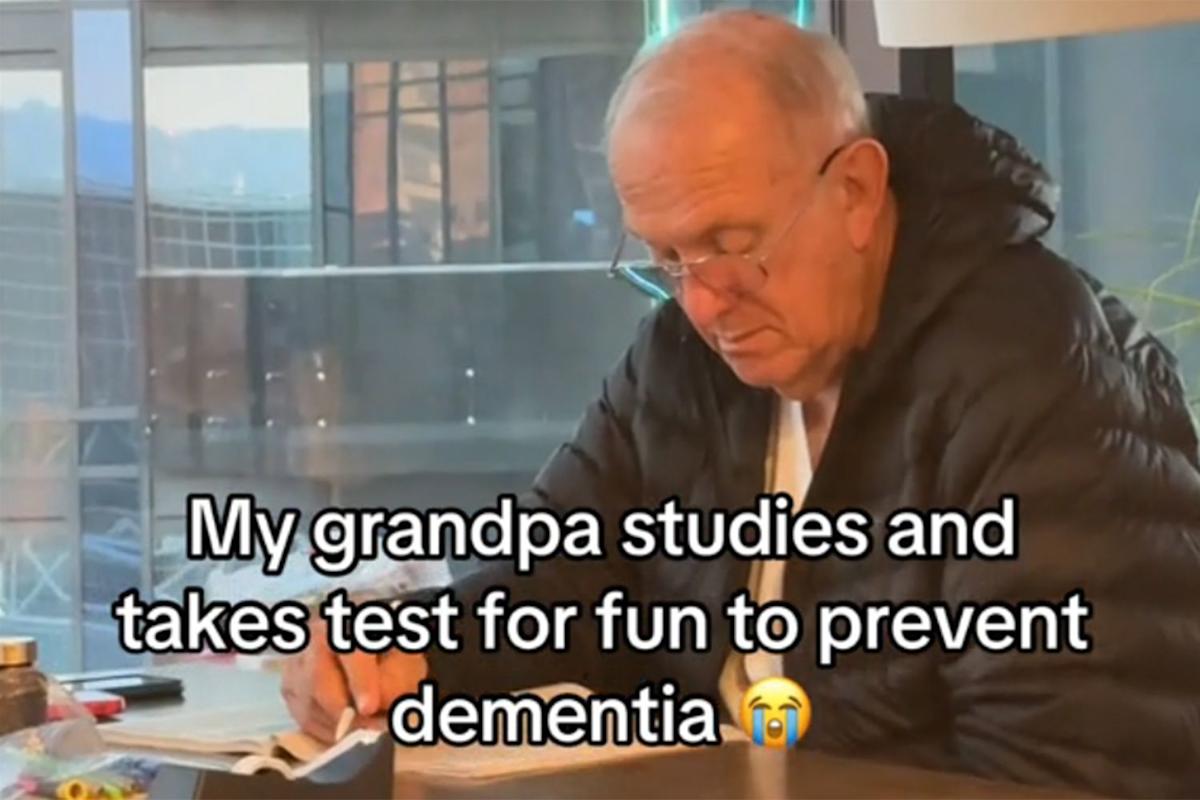
A 75-year-old man from El Salvador actively maintains his cognitive health by reading, solving puzzles, and studying for fun, which experts say can delay dementia onset. His efforts, supported by family and supported by research, highlight the importance of mental stimulation, a healthy diet, social engagement, and managing medical conditions to promote brain health as we age.
A study presented at the American Heart Association's Scientific Sessions 2024 suggests that older adults with significant year-to-year fluctuations in cholesterol levels may face an increased risk of dementia and cognitive decline. The research, involving nearly 10,000 participants from the ASPREE trial, found that those with the most variable cholesterol levels had a 60% higher risk of dementia. The findings highlight the need for further investigation into cholesterol variability as a potential risk factor or biomarker for dementia, though the study's observational nature means it cannot establish causation.
A study published in Neurology suggests that excessive daytime sleepiness and lack of enthusiasm in seniors may increase the risk of developing motoric cognitive risk syndrome (MCR), a pre-dementia condition. The research, involving 445 dementia-free adults, found that those with poor sleep habits were over three times more likely to develop MCR. While the study highlights an association rather than causation, it underscores the importance of addressing sleep issues to potentially prevent cognitive decline. The study was supported by the National Institute on Aging.
A study published in JAMA Network Open reveals that adopting a healthy lifestyle after age 80, including a balanced diet and regular exercise, significantly increases the likelihood of living to 100. Researchers found that participants with higher healthy lifestyle scores had better longevity outcomes. Experts emphasize that it's never too late to start making healthy choices, which not only extend life but also improve overall well-being.
Shingles, caused by the varicella-zoster virus, is often misunderstood as being related to herpes simplex. It is recommended that individuals over 50 get vaccinated to prevent shingles. The virus reactivates in older adults, leading to painful symptoms, and is not related to sexual activity.
A large study has found that episodes of delirium, characterized by symptoms such as agitation, confusion, and poor focus, are associated with a significantly increased risk of dementia and death in older adults. Researchers analyzed data from over 600,000 patients and found that those who experienced delirium had a 39 percent higher risk of death and three times the risk of being diagnosed with dementia compared to those without delirium. The study highlights the potential link between delirium and dementia, emphasizing the importance of delirium prevention and treatment as opportunities to reduce the global burden of dementia.
A 103-year-old woman seeks advice on excessive mucus production, and a 68-year-old man inquires about chronic numbness in his thigh. The doctor suggests that the mucus may be from nasal or lung issues and recommends further tests or medication trials. For the numbness, the doctor explains that relieving pressure on the nerve may help, but long-lasting or permanent nerve damage is possible. He also suggests exploring other potential causes such as meralgia paresthetica and advises seeking a neurologist or pain medicine specialist for further evaluation.