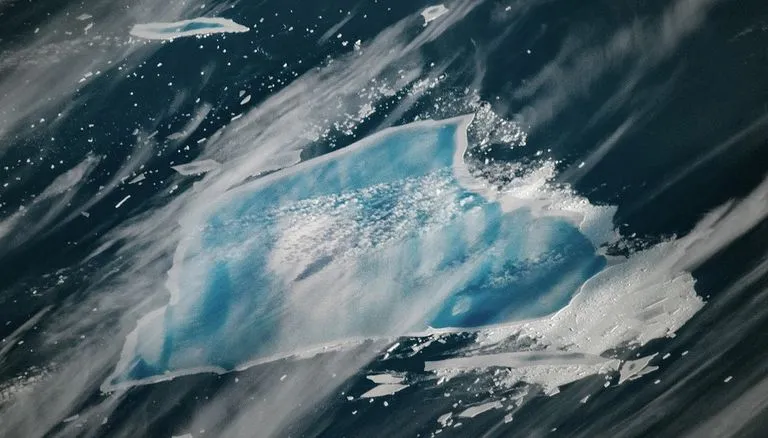
NASA reports that the massive iceberg A-23A, one of the largest and oldest tracked, is on the verge of complete disintegration after losing significant mass, and could break apart within days or weeks as it drifts in the South Atlantic.
The article discusses how a potential return of the Pahlavi dynasty could exacerbate Iran's internal divisions, especially among ethnic minorities like Azerbaijanis, and risk disintegration, urging Western caution in supporting such a move.
Scientists tracked and studied the disintegration of asteroid 2023 CX1 as it entered Earth's atmosphere over France, revealing it broke apart violently at high altitude, losing 98% of its mass, with collected meteorites providing new insights into asteroid breakup processes. The event was observed with high precision thanks to collaboration between professional and amateur astronomers, and the findings contribute to understanding asteroid impacts and potential hazards.
Comet Tsuchinshan-ATLAS (C/2023 A3), initially expected to become a bright naked-eye object by fall 2024, is now predicted by comet expert Dr. Zdeněk Sekanina to disintegrate before reaching perihelion in late September. While some astronomers agree with Sekanina's assessment, others remain skeptical, noting the comet's current healthy appearance. The future of the comet remains uncertain, with observers adopting a "wait and see" approach.
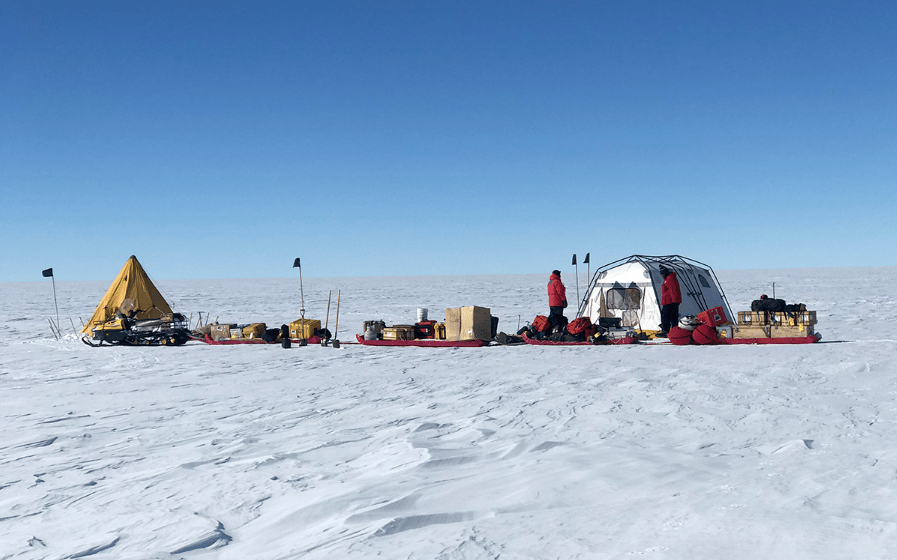
The sea ice tongue of the Thwaites Glacier in Antarctica has disintegrated, marking a significant development in the impact of climate change on the region. This disintegration could have far-reaching consequences for sea level rise and the stability of the entire glacier.
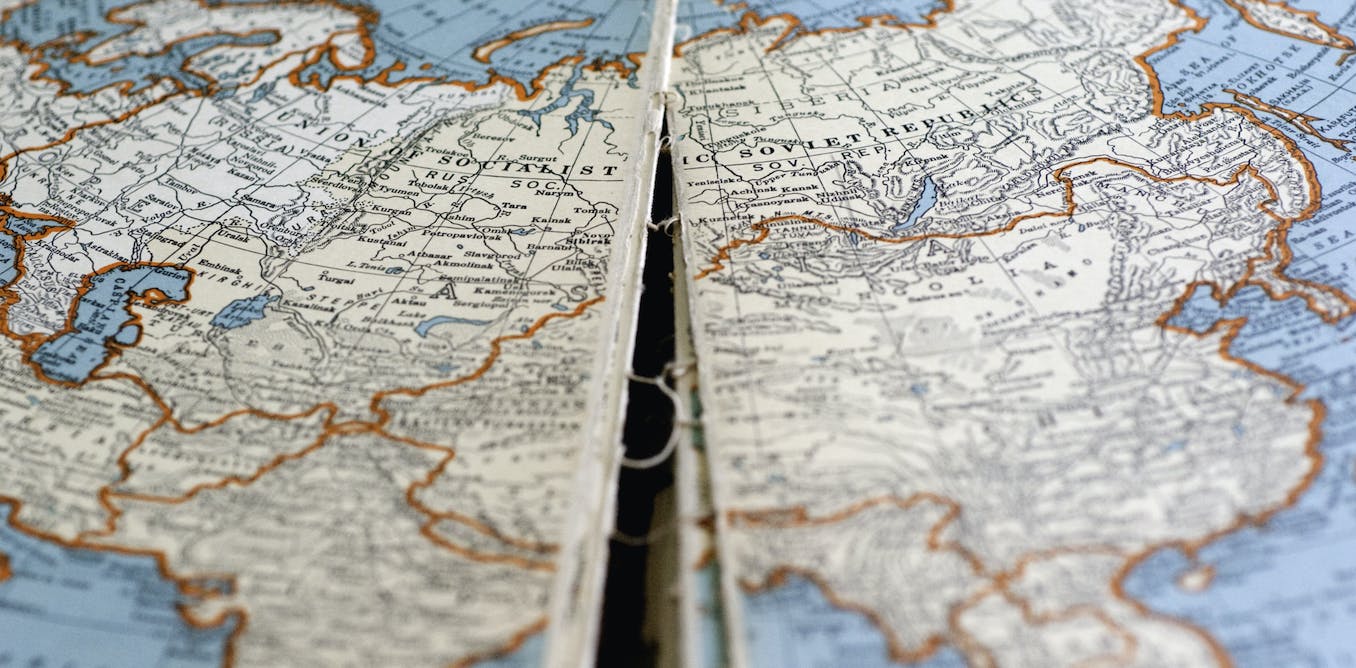
Calls for the disintegration of Russia into smaller states have been growing in Western foreign policy circles, but the prospect of a broken-up Russia is unlikely. While some regions in Russia, such as Tatarstan and Dagestan, have genuine mass appeal for autonomy, most regions lack public support for independence. The idea of a fragmented Russia taps into concerns about the country's challenge to the West and its war in Ukraine. However, the potential disintegration of Russia could pose security threats to China and may lead to China exerting its influence in Russia's Far East. The war in Ukraine has had a unifying effect in Russia, with many Russians becoming reluctant supporters due to propaganda emphasizing the threat from the West to Russia's territorial integrity.
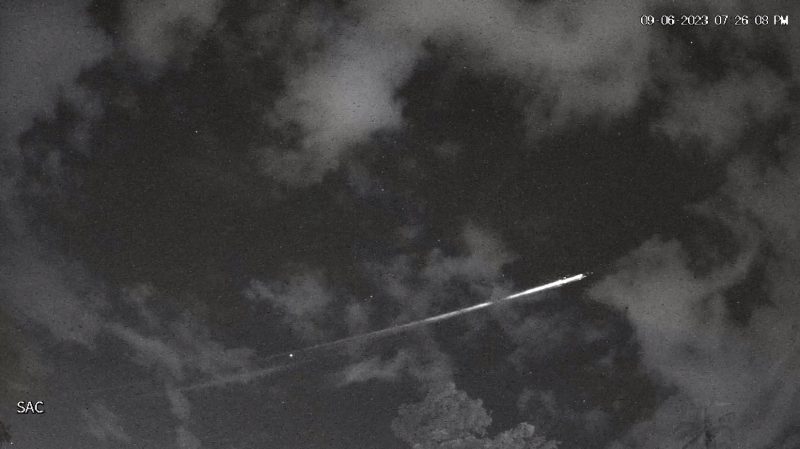
A Starlink satellite, part of SpaceX's Starlink constellation, disintegrated over the Caribbean on September 6, 2023. Witnesses in Puerto Rico and the Dominican Republic observed the reentry, which appeared as a slow-moving object with noticeable fragmentation. This is not the first time Starlink satellites have been seen disintegrating in the sky, as previous instances have occurred due to geomagnetic storms affecting the satellites' intended orbits.
Serhii Plokhy, a Ukrainian historian and professor of Ukrainian history at Harvard, has written a new book, The Russo-Ukrainian War, which examines the ongoing conflict between Ukraine and Russia. Plokhy argues that the invasion of Ukraine is an important chapter in the disintegration of the Russian empire, which began in 1914 with the outbreak of the first world war. He also suggests that the longer the war goes on, the stronger the narrative that Russia is using its Muslim peoples and peripheral autonomous republics as cannon fodder. Plokhy is on Ukraine's side and believes that the country is choosing not to be a no man's land.