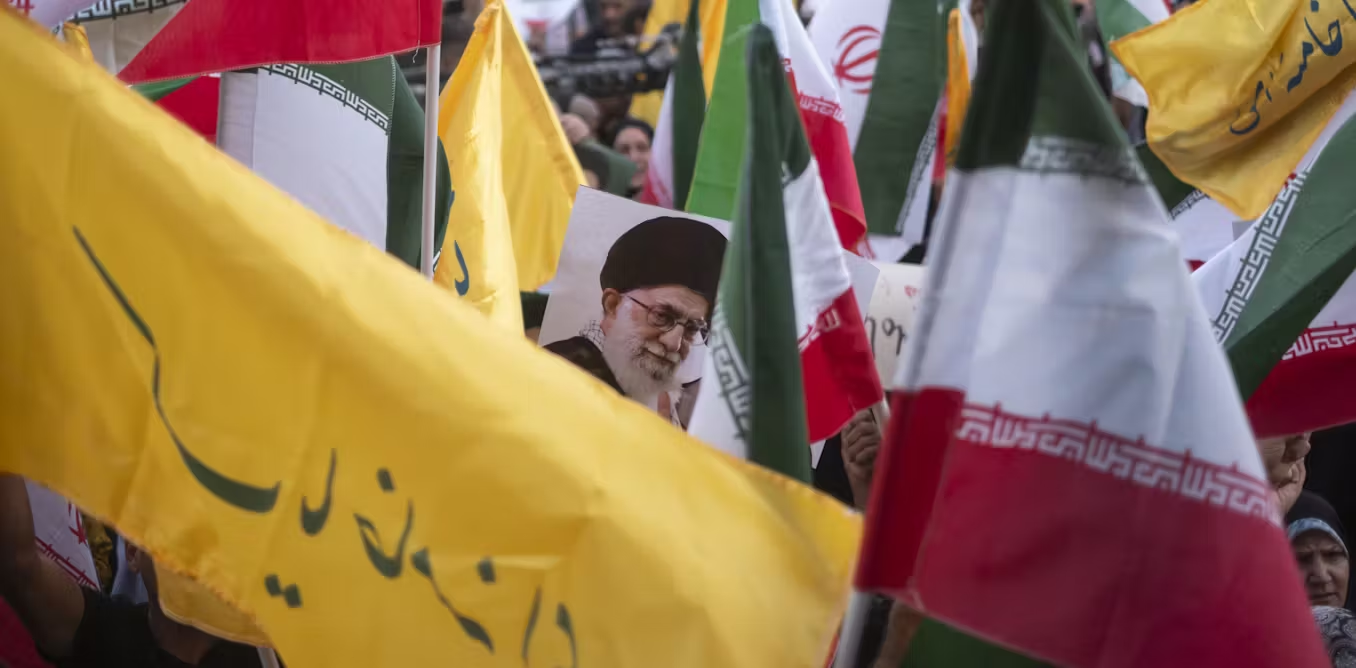
The article discusses how a potential return of the Pahlavi dynasty could exacerbate Iran's internal divisions, especially among ethnic minorities like Azerbaijanis, and risk disintegration, urging Western caution in supporting such a move.
AI medical tools tend to underrepresent or downplay symptoms in women and ethnic minorities, raising concerns about bias and equity in healthcare diagnostics.
The 2025 Iran-Israel conflict has exposed Iran's weakened military and diminished soft power, leading to internal unrest and increased repression of ethnic minorities like Kurds, highlighting the government's vulnerability and historical pattern of suppression.
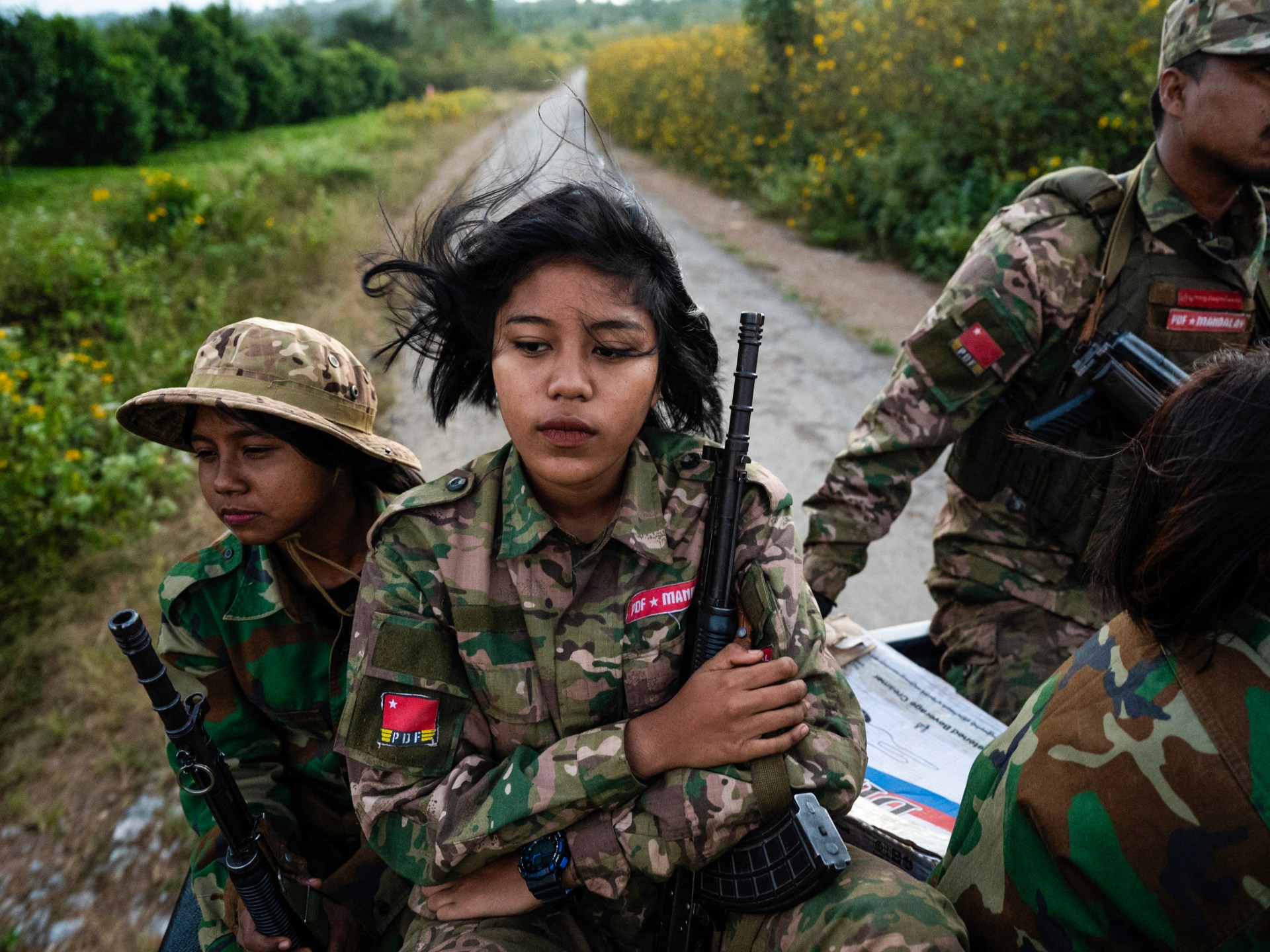
Since the military coup in Myanmar, nonviolent protests have escalated into an armed uprising, with ethnic armed organizations joining the fight for autonomy and a federal democracy. Al Jazeera spoke with four individuals involved in the armed resistance, each with different backgrounds but sharing a common goal. They are using noms de guerre to protect their families from military reprisals. The resistance forces are fighting to overturn Myanmar’s military-dominated political system and establish a federal democracy that grants the right to self-determination for ethnic minorities.
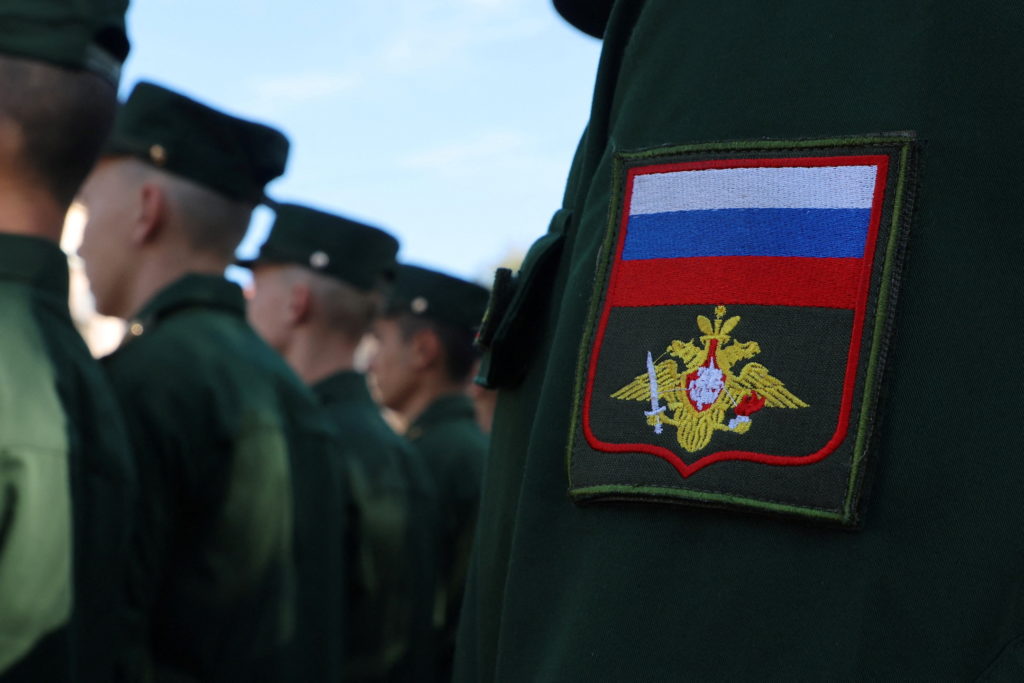
Ethnic minorities in Russia, particularly those from Siberia and the Far East, have been disproportionately affected by the war in Ukraine, with many soldiers dying or being injured. These regions, which are home to various minority groups, have seen a high number of conscriptions and casualties. Critics argue that the Russian government considers these ethnic minorities with less education and resources as cannon fodder, and recruitment from these remote areas is seen as a continuation of long-standing discrimination. Some advocacy groups are helping men from these communities avoid conscription or leave the country, but many individuals remain in limbo, hoping for asylum in other countries.
A study suggests that the most common risk factors for dementia, such as high blood pressure and diabetes, have a more pronounced effect on black and Asian people, highlighting the need for greater efforts to address health inequalities. The research found that some risk factors are not only more prevalent in ethnic minorities but also have a greater impact on their risk of developing dementia compared to white individuals. The study calls for tailored dementia prevention strategies that consider ethnicity and risk-factor profiles to ensure equitable prevention. Another study conducted by the same researchers found that people with early Alzheimer's disease have difficulty turning when walking, providing valuable insight into the early noticeable changes of the disease.
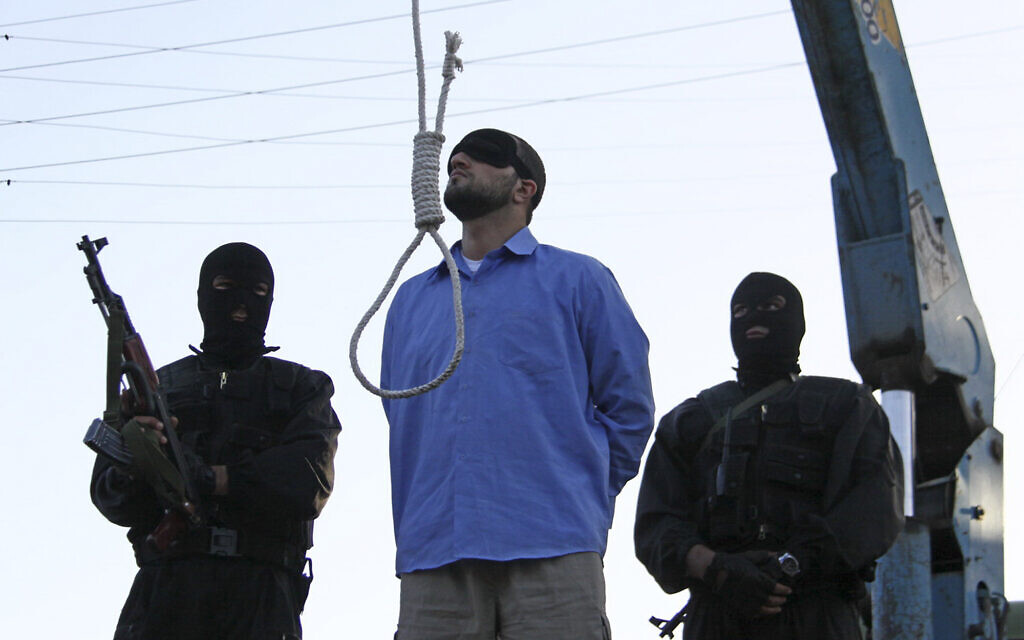
Iran has executed over 300 people this year, with 142 people executed in May alone, the highest monthly figure since 2015, according to Norway-based Iran Human Rights (IHR). The surge in hangings is believed to be an attempt to strike fear into the population and quell the protest movement that erupted in September. Ethnic minorities are disproportionately targeted, particularly over drug and murder convictions. The IHR warns that if the international community doesn't react, hundreds more will fall victim to Iran's "killing machine" in the coming months.
Singapore's use of the death penalty for drug-related offenses has been criticized by human rights experts, who point out that a disproportionate number of minority persons are being sentenced to the mandatory death penalty. The Transformative Justice Collective believes that there are currently 54 people on death row in Singapore, with all but three of them sentenced to death for drug-related offenses. The prisoners profiled in this article are part of a group civil litigation suit against the Singapore Prison Service over private letters being released to the Attorney-General’s Chambers.