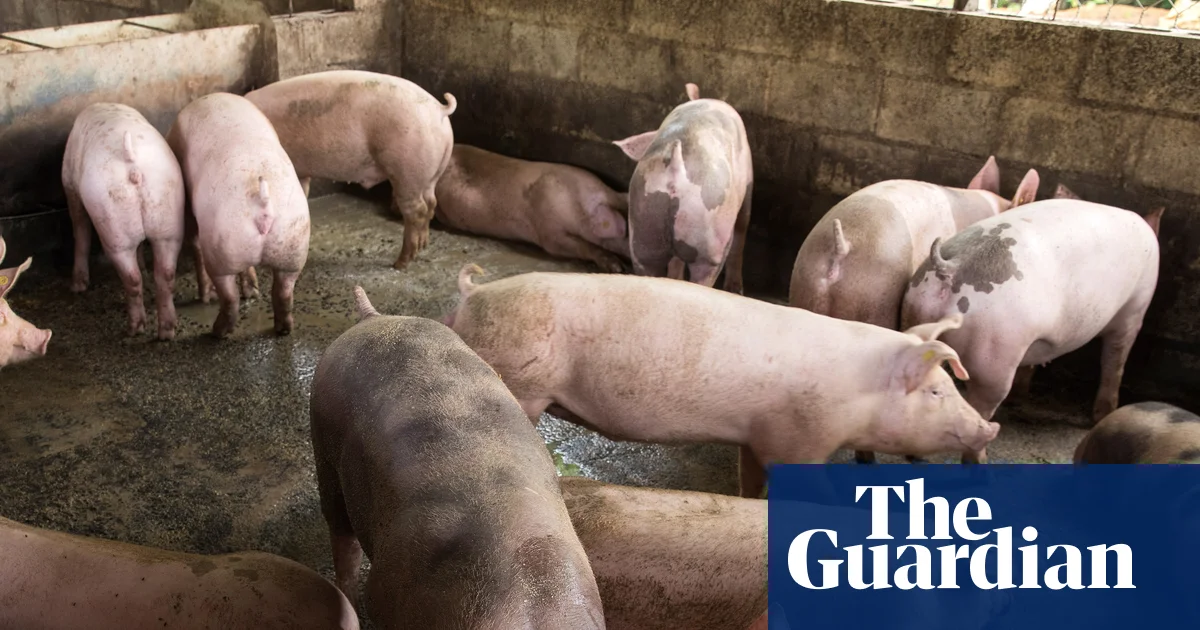
Scientists at Edinburgh’s Roslin Institute have created gene-edited pigs resistant to classical swine fever, a highly contagious and often fatal disease, by targeting a gene involved in viral replication, potentially offering a new tool for disease control in livestock.
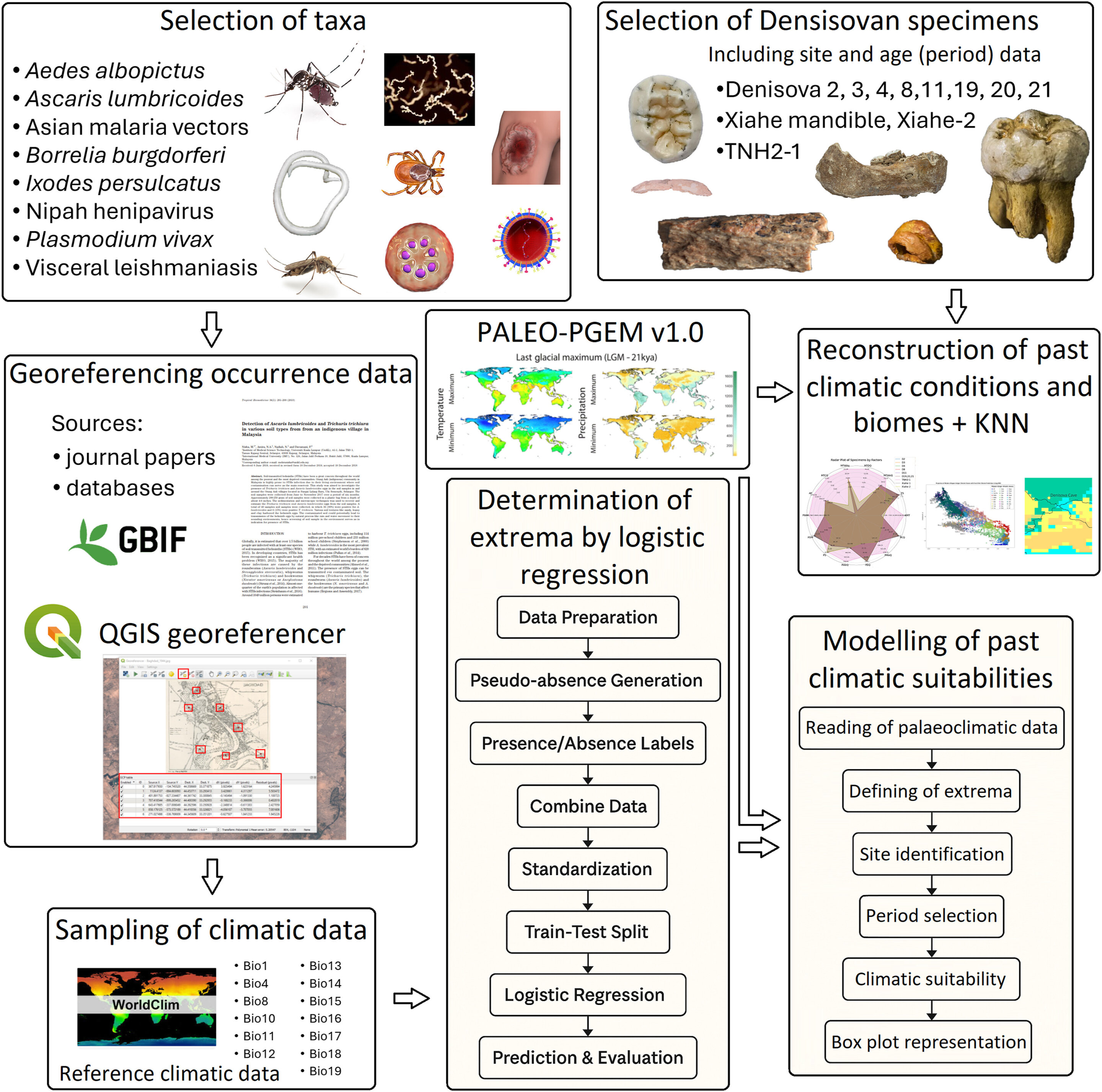
Research suggests that DNA inherited from extinct Denisovan ancestors may provide modern humans, especially in Melanesia, with genetic resistance to certain tropical diseases like malaria, shaped by the diverse environments Denisovans inhabited.
A study of Swedish individuals born between 1920 and 1922 suggests that people who live to 100 or older tend to have a healthy cardiovascular system and maintain a positive outlook on life, which may contribute to their resistance to age-related diseases and exceptional longevity.
Scientists have successfully mapped the complex genome of sugarcane, a major crop used for sugar production and bioenergy. This breakthrough could lead to improved crop resilience, disease management, and increased agricultural productivity. The research, published in the journal Nature, involved the development of a highly accurate reference genome for sugarcane, which could aid in breeding more resilient crops and increasing sugar production. The study also identified specific genes responsible for disease resistance and utilized advanced genetic sequencing techniques to unravel the complexities of sugarcane's genetic blueprint. This milestone has significant implications for both agriculture and bioenergy development.
A new study has identified one gene and seven chemicals that differentiate the flavor of oranges from mandarins, shedding light on the components essential for proper orange flavor. This discovery could aid in breeding disease-resistant yet tasty orange hybrids, as well as enable the screening of seedlings to determine which will yield the most flavorful fruit before they ripen.
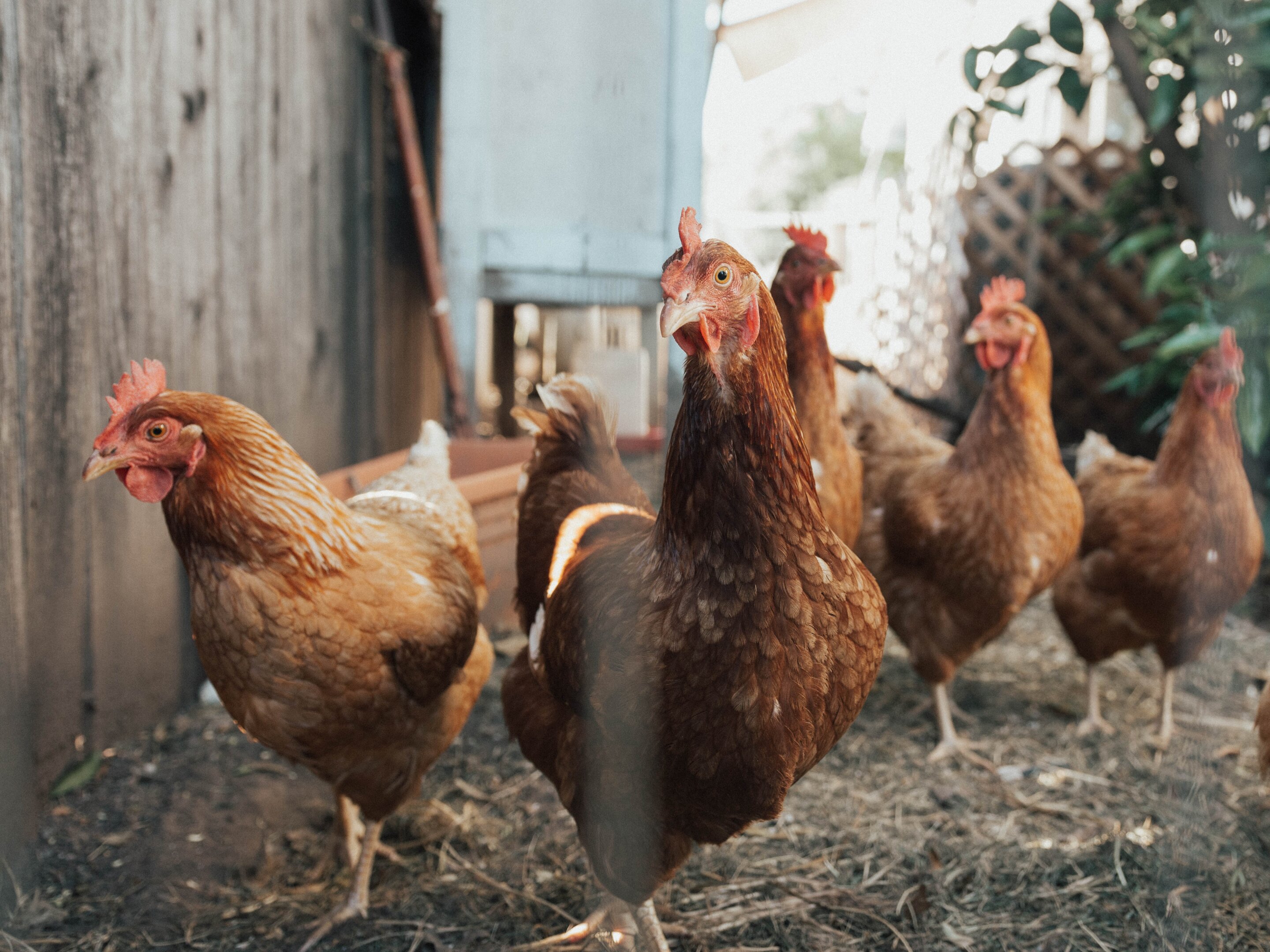
Gene editing technology has the potential to create disease-resistant chickens, which could help eradicate bird flu. A recent study published in Nature Communications demonstrated that gene editing can protect chickens from bird flu by targeting proteins vital for all strains of the virus. The study found that gene-edited chickens displayed complete resistance to the virus, and further experiments showed that editing multiple proteins could completely suppress the virus. This breakthrough could significantly reduce economic losses and the risk to human health caused by bird flu outbreaks. However, supportive government regulations will be necessary to promote the development of gene editing for animal health and welfare.
A study of 176 healthy Japanese centenarians has found that their unique combination of intestinal bacteria and bacterial viruses significantly contributes to their longevity. The researchers used an algorithm to map the composition of the participants’ microbiomes and found great biological diversity in both bacteria and bacterial viruses, which they believe to be associated with a healthy gut microbiome that provides efficient protection against aging-related diseases. Better understanding this balance could help scientists optimize the gut microbiome in order to increase the organism’s resilience against disease.