global-health4.07 min read
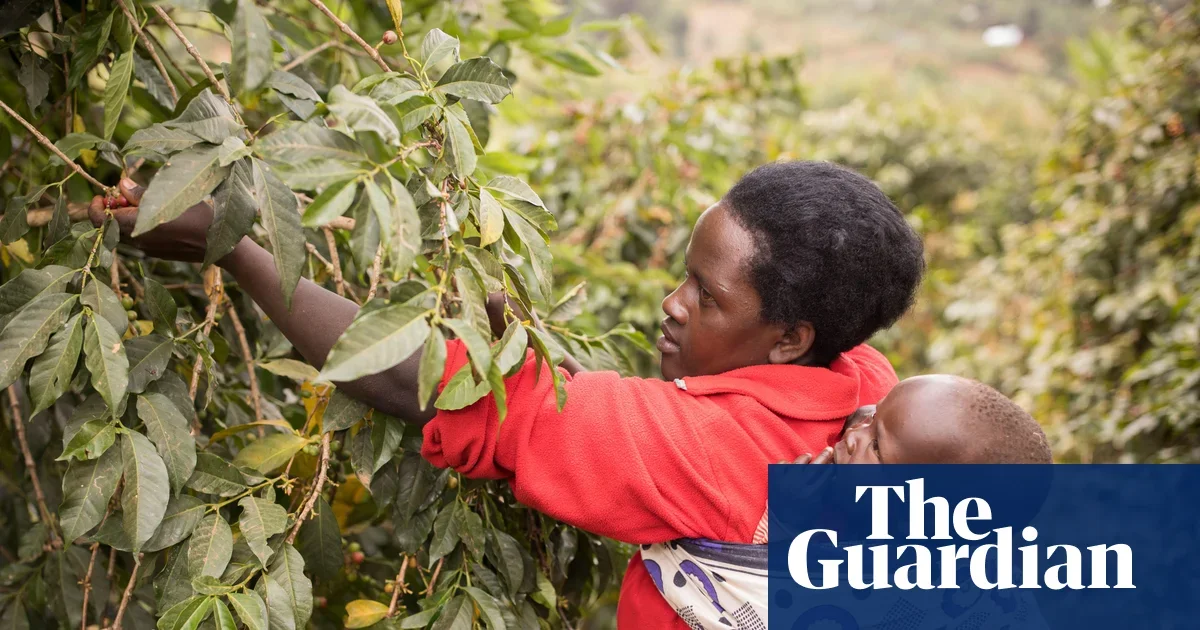
Permethrin-treated baby wraps cut malaria risk in Ugandan trial
1 month ago•Source: The Guardian

The latest global health stories, summarized by AI
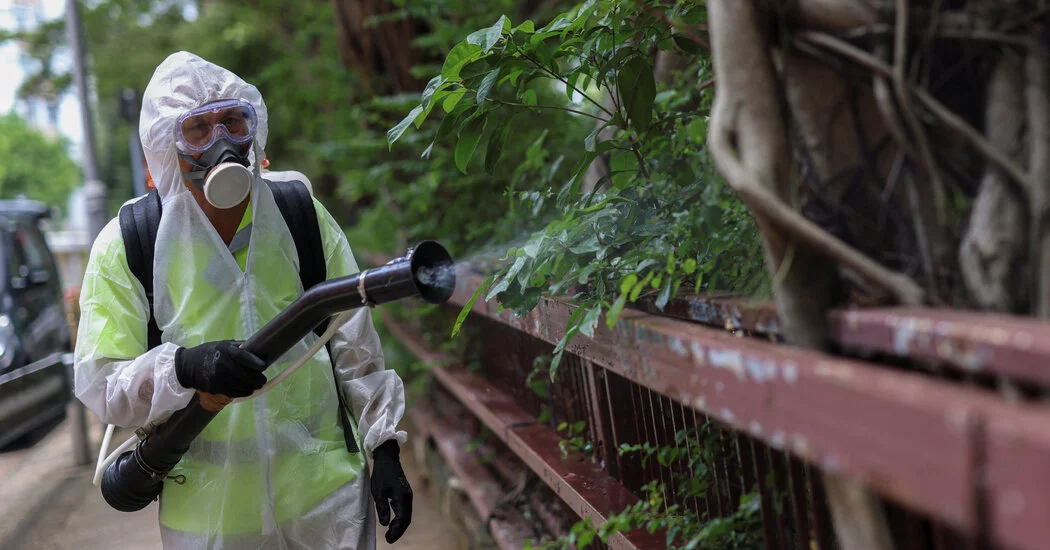
Chikungunya, a mosquito-borne virus causing debilitating joint pain, is rapidly spreading worldwide due to climate change expanding mosquito habitats, with over 240,000 cases reported this year. While not usually fatal, the disease can cause long-term health issues and economic impacts, and current vaccines are limited in availability. Efforts focus on mosquito control and surveillance to prevent further outbreaks.

Voice of America - VOA News•1 year ago
The Associated Press•1 year ago

Negotiators for the global pandemic treaty failed to meet their deadline due to unresolved issues, particularly around vaccine and treatment sharing between richer and poorer countries. WHO Director-General Tedros Adhanom Ghebreyesus remains hopeful and expects an extension of six to twelve months to finalize the treaty. Concerns about the treaty's implications and misinformation have also contributed to the delay.
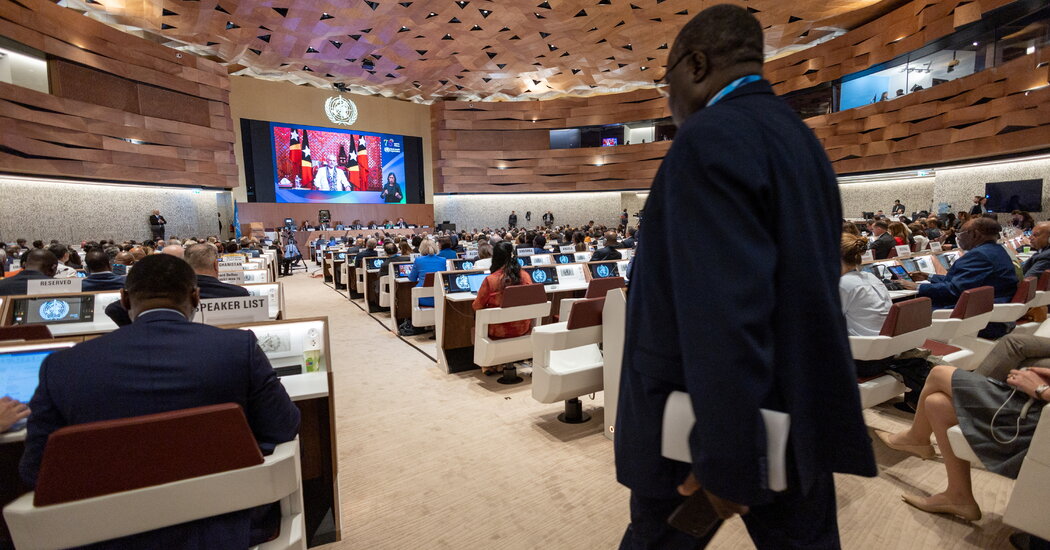
Countries have failed to agree on a global treaty to prepare for future pandemics, with key issues like equitable access to vaccines and financing for surveillance systems causing delays. Negotiators will request more time to finalize the treaty, which was a major agenda item for the upcoming World Health Assembly in Geneva.
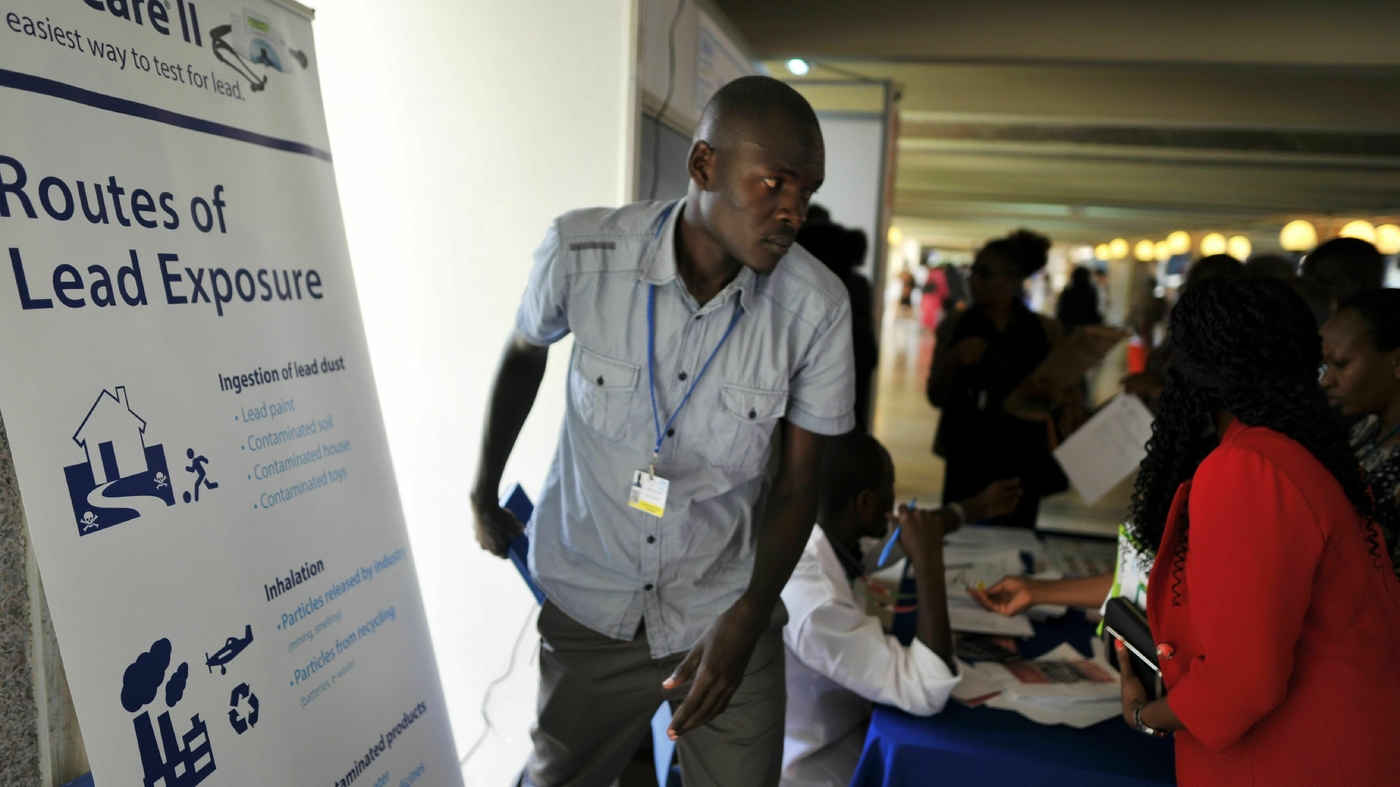
Lead poisoning, a significant but often overlooked global health crisis, is gaining attention and funding, particularly for its devastating impact on children's cognitive development. At a U.N. conference in Kenya, experts highlighted the severe consequences of lead exposure and the need for increased awareness, measurement, and regulation. USAID has allocated $1.5 million to address the issue, focusing on eliminating lead in consumer goods and enforcing regulations, especially in low- and middle-income countries where the problem is most severe.
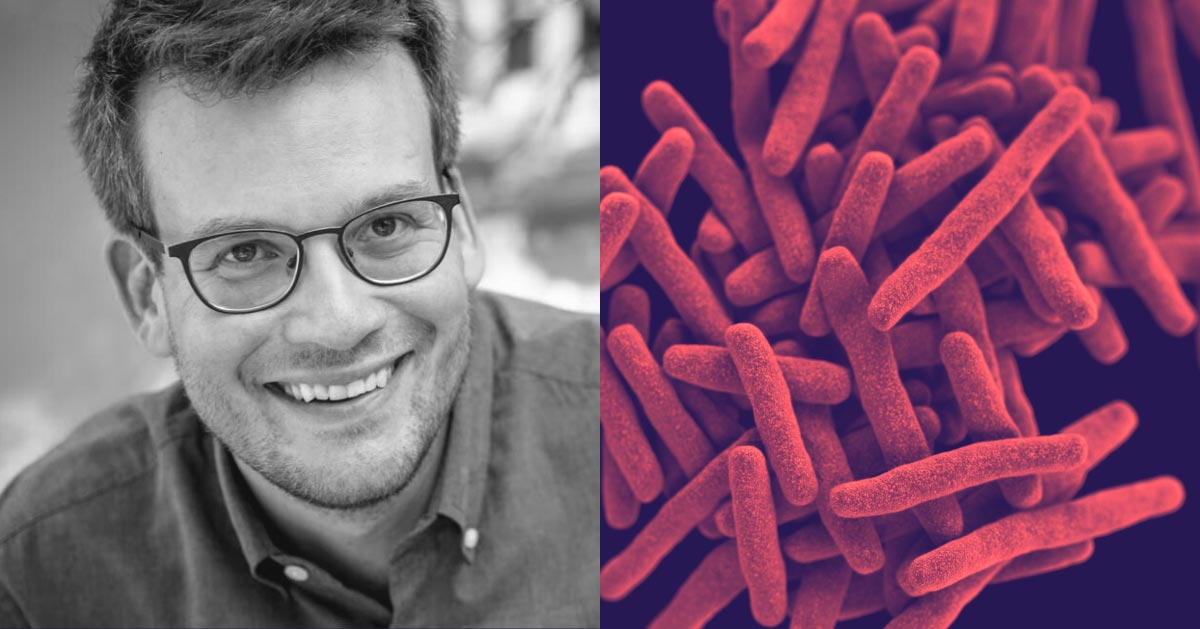
Author and global health advocate John Green has pledged a $1 million annual donation to fight tuberculosis, a disease he is passionate about eradicating. The donation will support a major investment to bring comprehensive TB care to regions in Ethiopia and the Philippines, with additional funding from government agencies and public health advocates. Green's community, known as Nerdfighters, has been instrumental in advocating for accessible TB products and lowering prices, contributing to the success of this initiative. The project aims to reduce the burden of TB in communities and save many lives through screening, treatment, and preventative therapy.
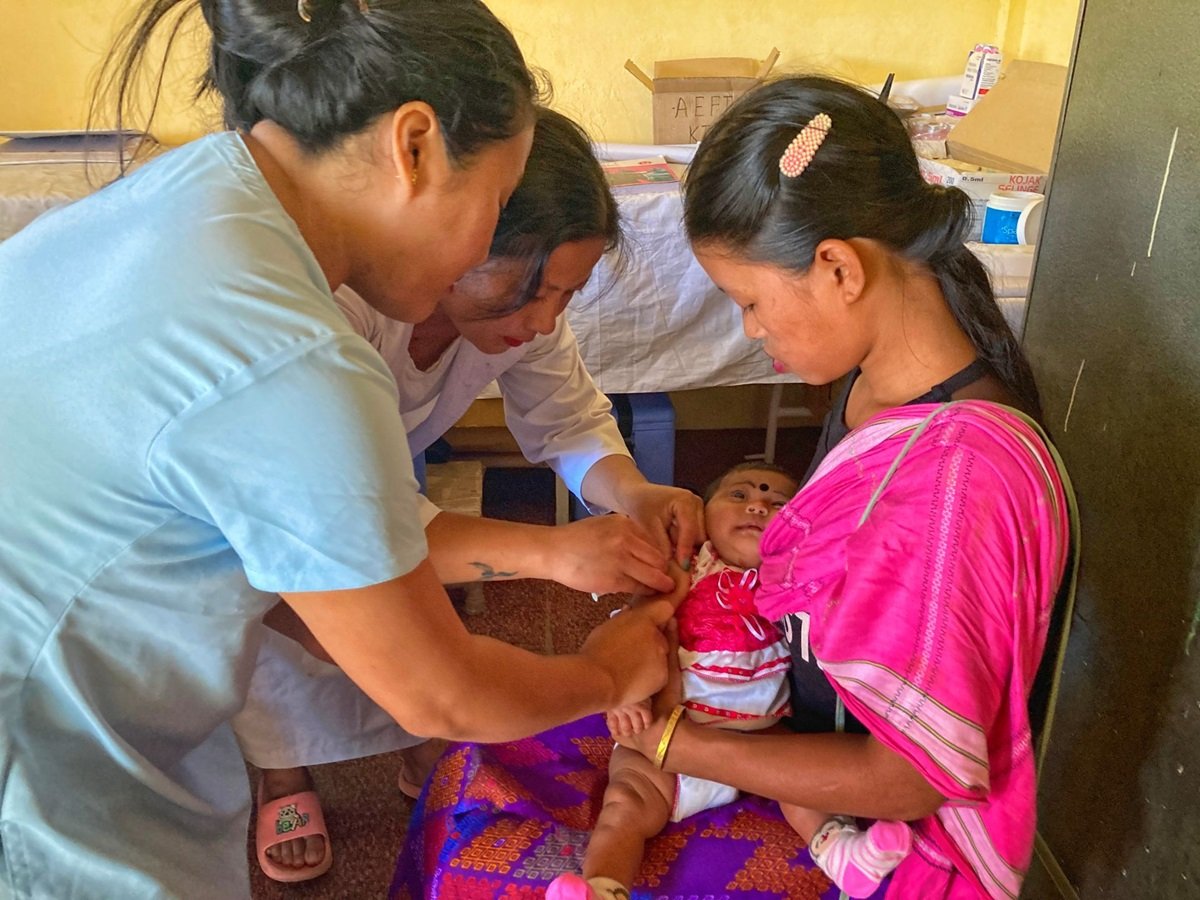
The Director of the Department of Immunization, Vaccines and Biologicals at WHO, Kate O'Brien, highlights two upcoming pivotal events in global immunization: the Meeting of the Strategic Advisory Group of Experts on Immunization and the first WHO high-level meeting to defeat meningitis. Additionally, significant progress has been made in the fight against meningitis, with the endorsement of a novel meningococcal conjugate vaccine and a landmark commitment of nearly US$600 million to eliminate cervical cancer. The Measles and Rubella Partnership also convened to strategize on eradicating these diseases, while updated data reveals escalating measles outbreaks in Europe and beyond. Furthermore, efforts are underway to fortify surveillance activities, ramp up routine immunization services, and expand malaria vaccination programs across Africa.
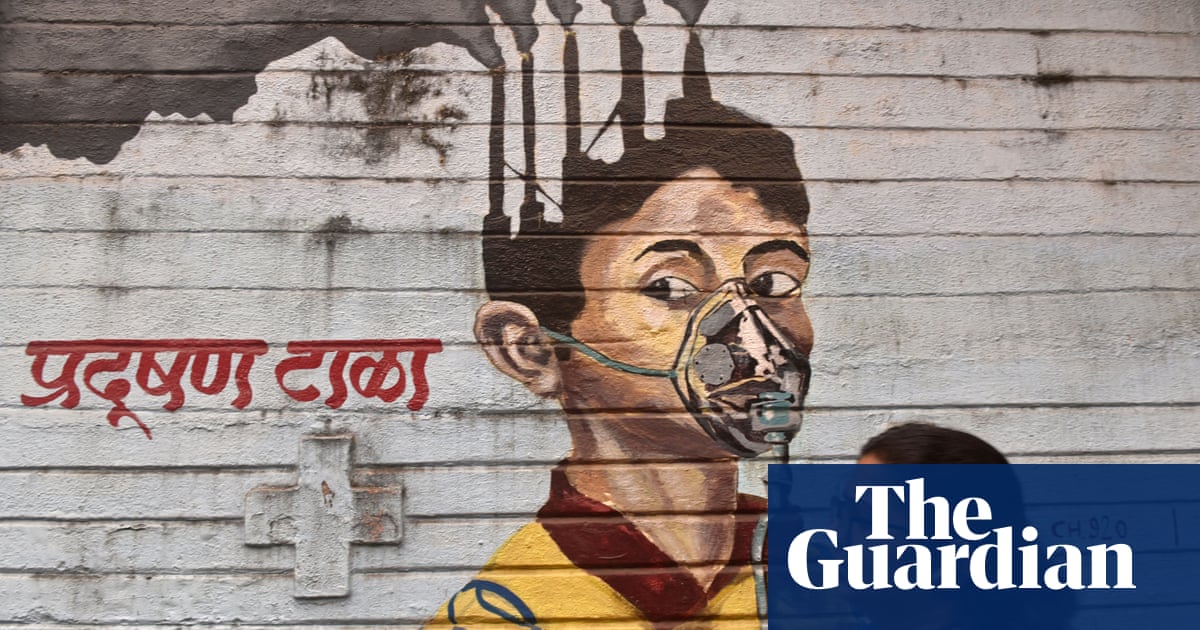
Calls are growing for the establishment of a global fund to address air pollution, which is responsible for the deaths of seven million people annually from illnesses such as heart disease, cancer, and pneumonia. Despite its significant impact on public health, air pollution has not received the same level of global recognition and funding as other health issues like Aids, tuberculosis, and malaria. Advocates argue that investing in tackling air pollution could help reduce multiple non-communicable diseases (NCDs) and improve public health outcomes, particularly in lower and middle-income countries where the impact is most severe. However, some experts caution that addressing air pollution and NCDs requires complex, multi-sectoral solutions that may be challenging for a single global fund to manage.
The World Health Organization has warned that more than half of the world's countries will be at high risk of measles outbreaks by the end of the year unless urgent preventative measures are taken. Missed vaccinations during the COVID-19 pandemic have contributed to increasing measles cases globally. Urgent action is needed to protect children, as the virus poses a risk to both low and high income countries. Measles, a highly contagious virus, can be prevented with two doses of vaccine, and more than 50 million deaths have been averted since 2000.
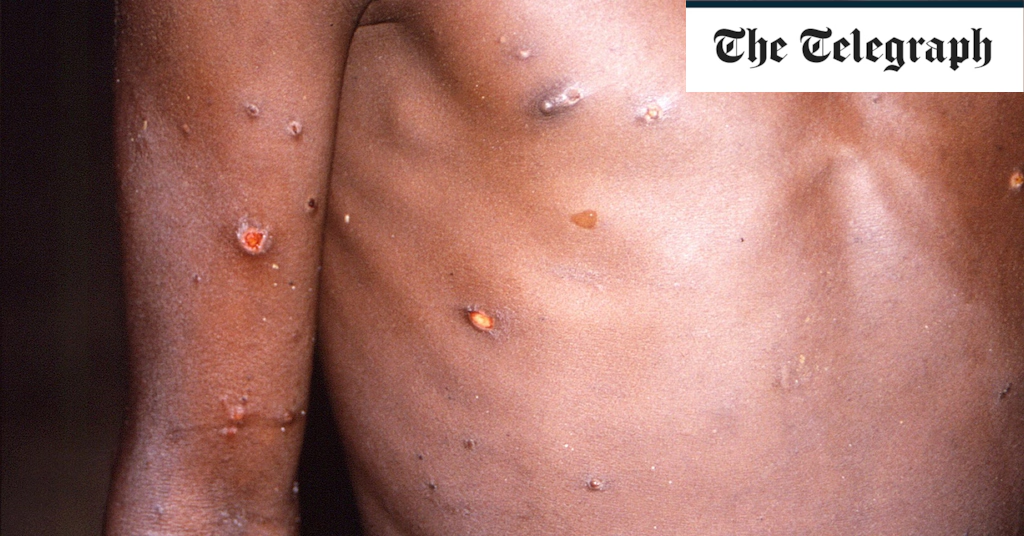
The Democratic Republic of Congo is facing a severe outbreak of a deadlier form of mpox, known as clade one, with children accounting for the majority of infections and deaths. The outbreak is accelerating at a much greater rate than previously assumed, with concerns that it could spread beyond central Africa if not contained soon. Waning immunity due to the discontinuation of smallpox vaccinations and shifting patterns of spread, including sexual transmission, are contributing to the crisis. The response to the outbreak has been hampered by limited resources, including a lack of rapid tests, vaccination campaigns, and access to healthcare, making it difficult to accurately assess the full extent of the outbreak and provide adequate care.
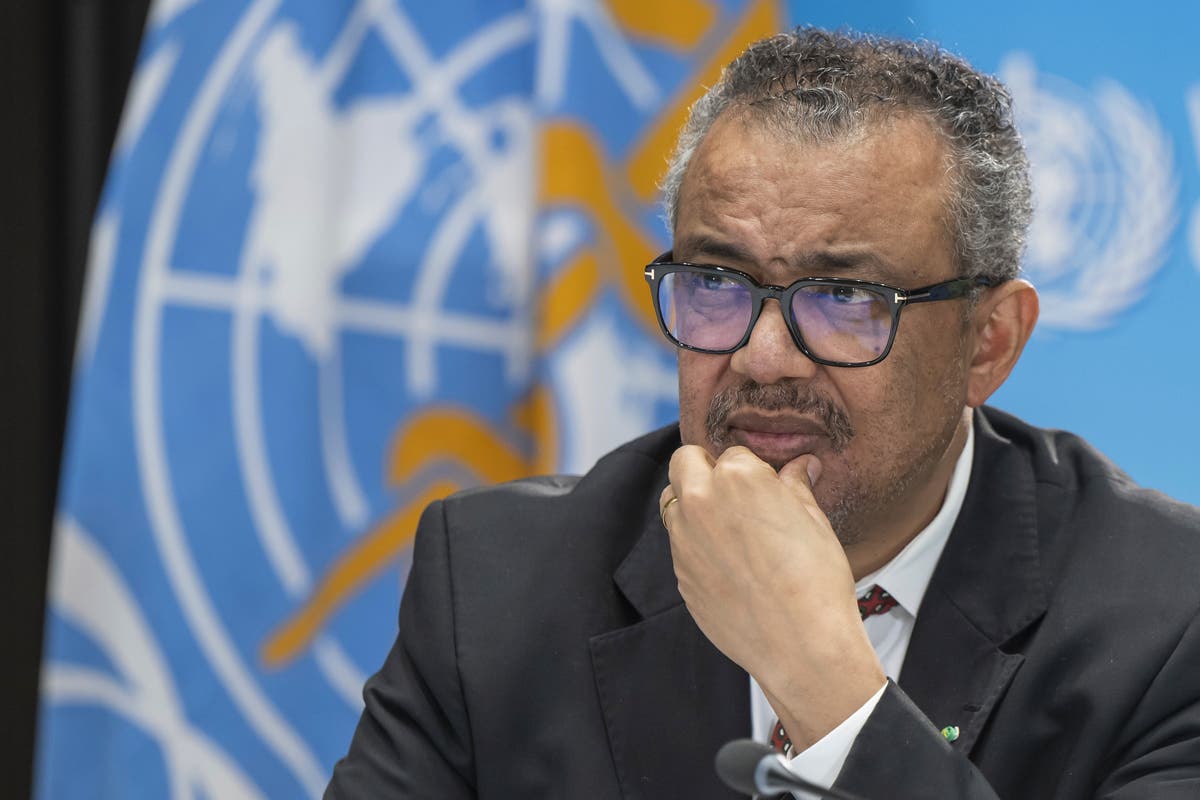
World leaders are gathering at the World Economic Forum in Davos to discuss the potential threat of a future pandemic known as "Disease X," which could be 20 times more fatal than Covid-19. The World Health Organization has prioritized Disease X as a potential global health concern and is leading discussions on preparing healthcare systems for such a scenario. With the ongoing risk of emerging pathogens, scientists are emphasizing the need for continued surveillance, improved biosecurity, and rapid vaccine development to address future pandemic threats.
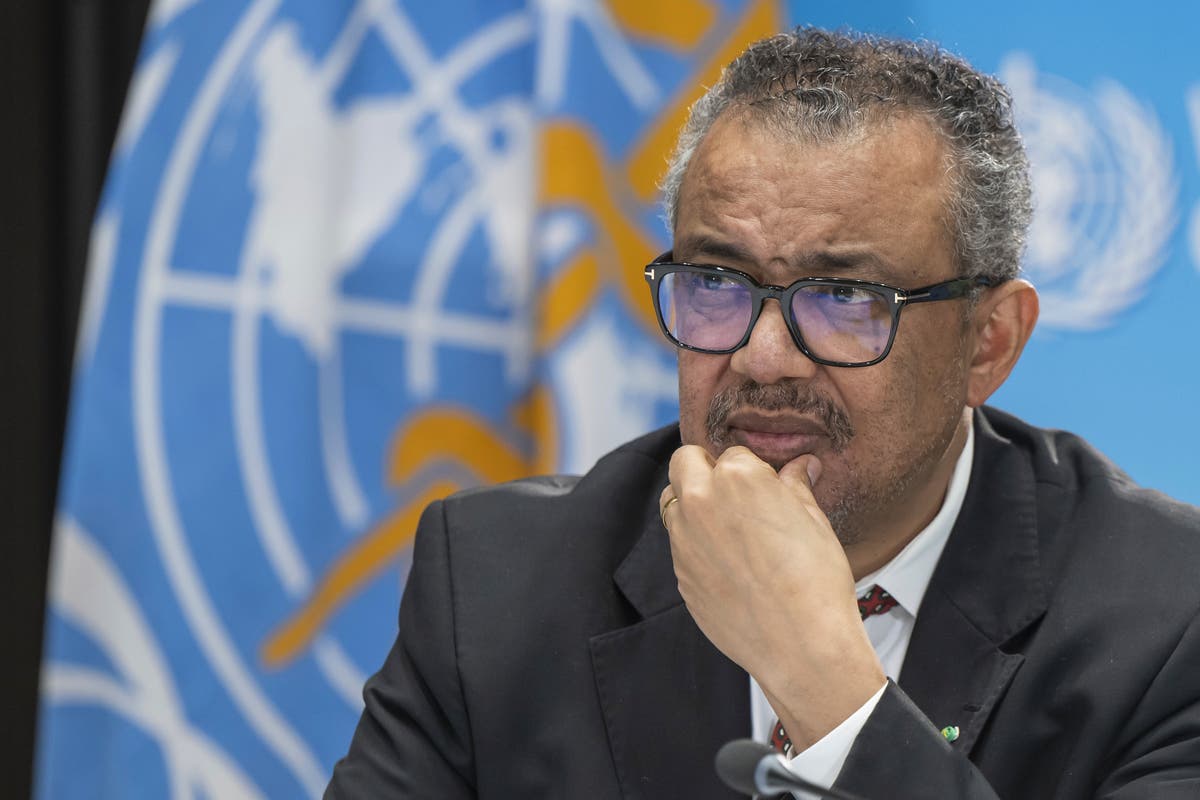
World leaders are gathering at the World Economic Forum in Davos to discuss the potential threat of a future pandemic known as "Disease X," which could be 20 times more fatal than Covid-19. The World Health Organization has prioritized Disease X as a potential global health concern and is leading a panel discussion on preparing for this hypothetical international epidemic. With the rise of zoonotic diseases and the need for improved biosecurity, experts are emphasizing the importance of global readiness and surveillance to prevent the collapse of healthcare infrastructure. Researchers are also exploring the development of vaccines to combat potential future threats.