Scientists have discovered that mosses and bryophytes can serve as unique forensic clues, acting like fingerprints to help solve crimes, with documented cases dating back to 1929, including a notable case in Michigan where moss helped locate a buried body.
Decades after Rhonda Fisher's murder in 1987, DNA analysis of preserved paper bags linked her killer to Vincent Groves, a prolific Colorado serial killer, providing closure to a long-unsolved case and highlighting advances in forensic science.
Researchers at Maynooth University have developed a new technique to recover high-detail fingerprints from heated bullet casings, potentially revolutionizing forensic investigations by allowing identification of shooters from evidence previously thought impossible to analyze. The method involves chemical reactions and electrical stimulation to reveal residues that survive the firing process, although further testing is needed to confirm its effectiveness on actual fired bullets.
An army veteran, Stephan Smerk, was arrested and pleaded guilty to a 1994 Virginia murder after DNA testing linked him to the crime scene, leading to his 70-year sentence.
Decades after wrongful convictions, DNA from a discarded straw has led to the indictment of Richard Bilodeau for the 1984 murder of Theresa Fusco in Long Island, highlighting advances in forensic science and persistent pursuit of justice.
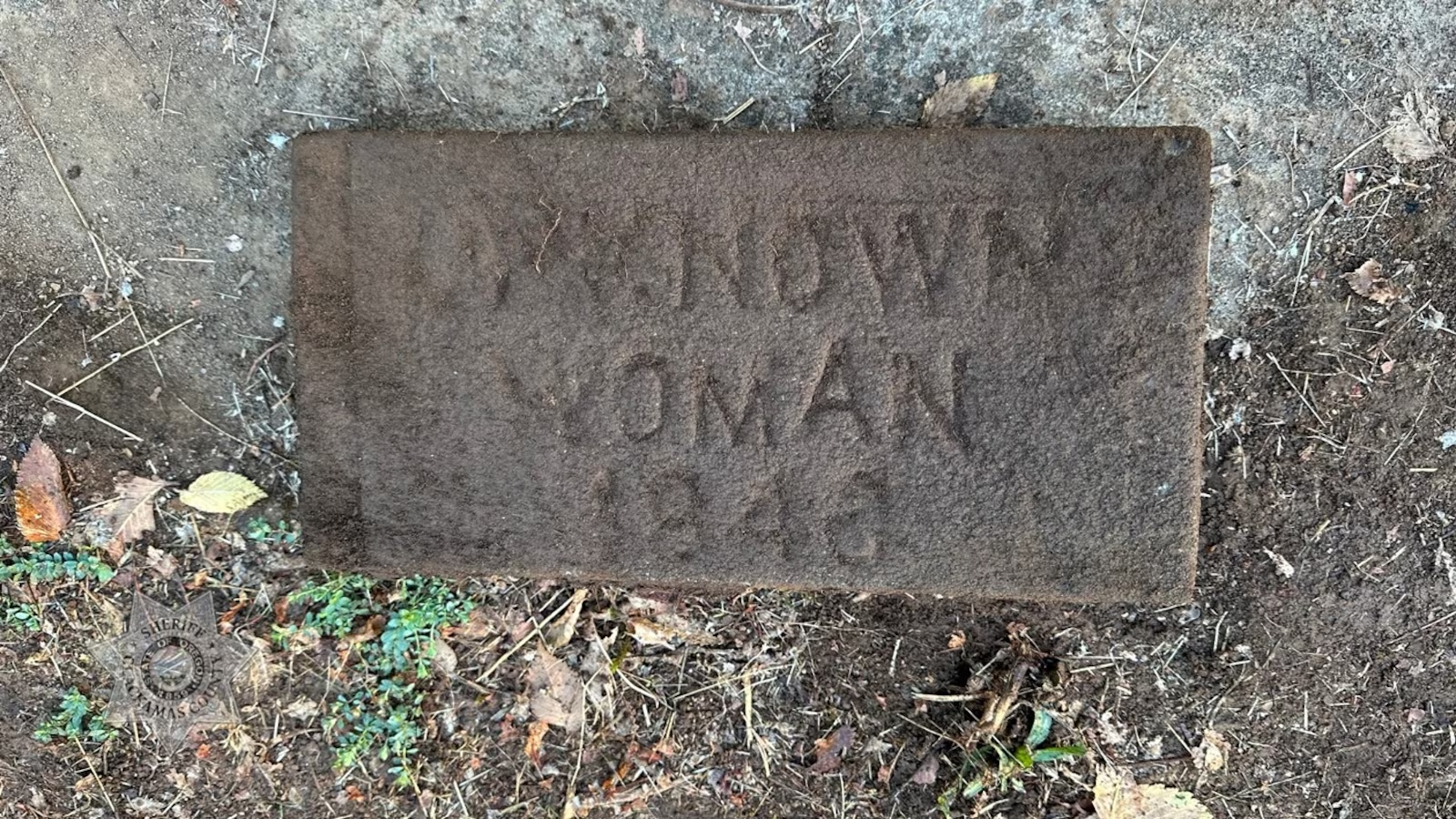
Oregon police have recovered partial remains of 'Oak Grove Jane Doe,' a woman murdered nearly 80 years ago, in the state's oldest unidentified case. The remains, exhumed from Mountain View Cemetery, are degraded but will undergo advanced forensic testing in hopes of identifying her and solving the long-standing mystery.
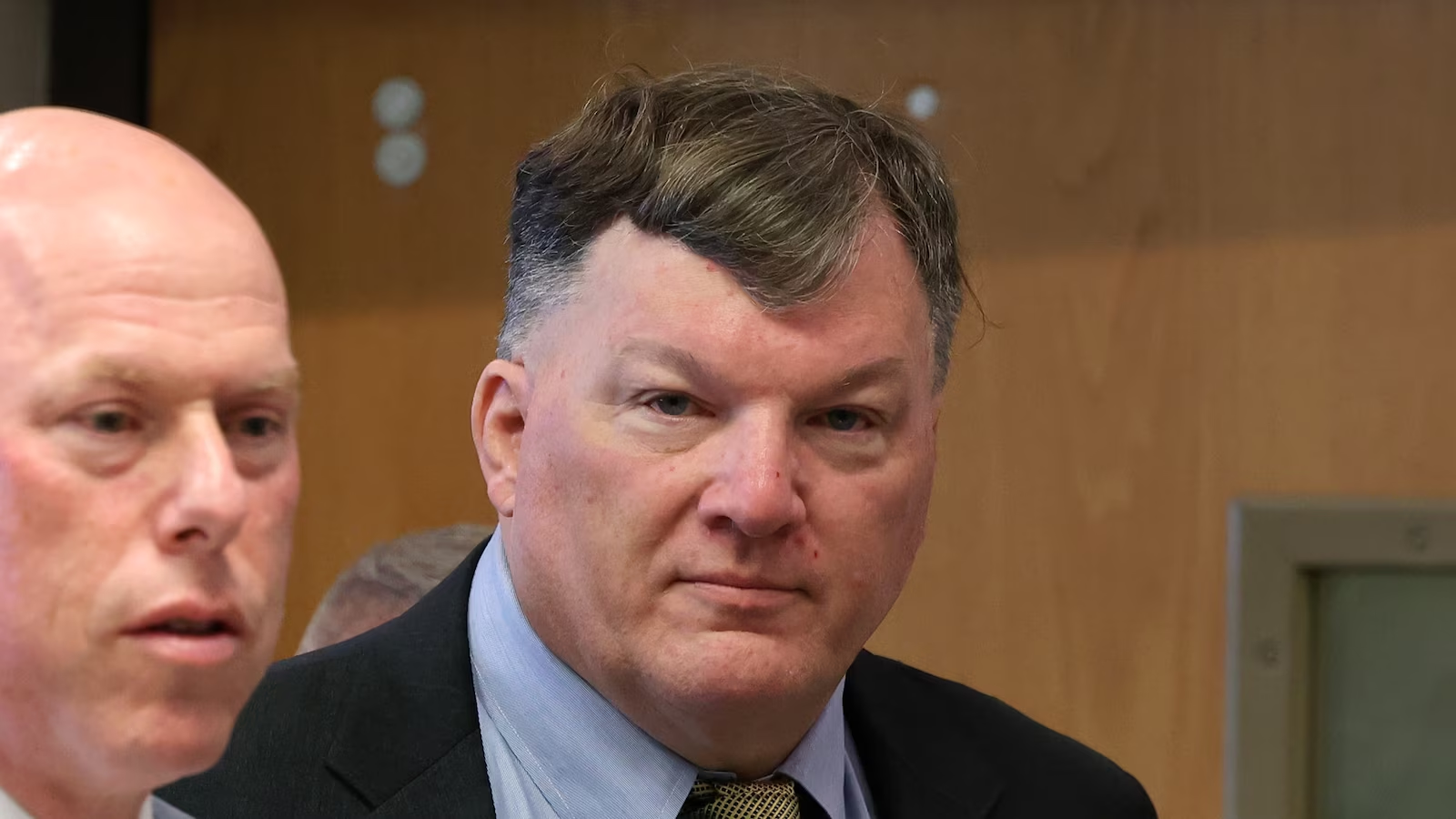
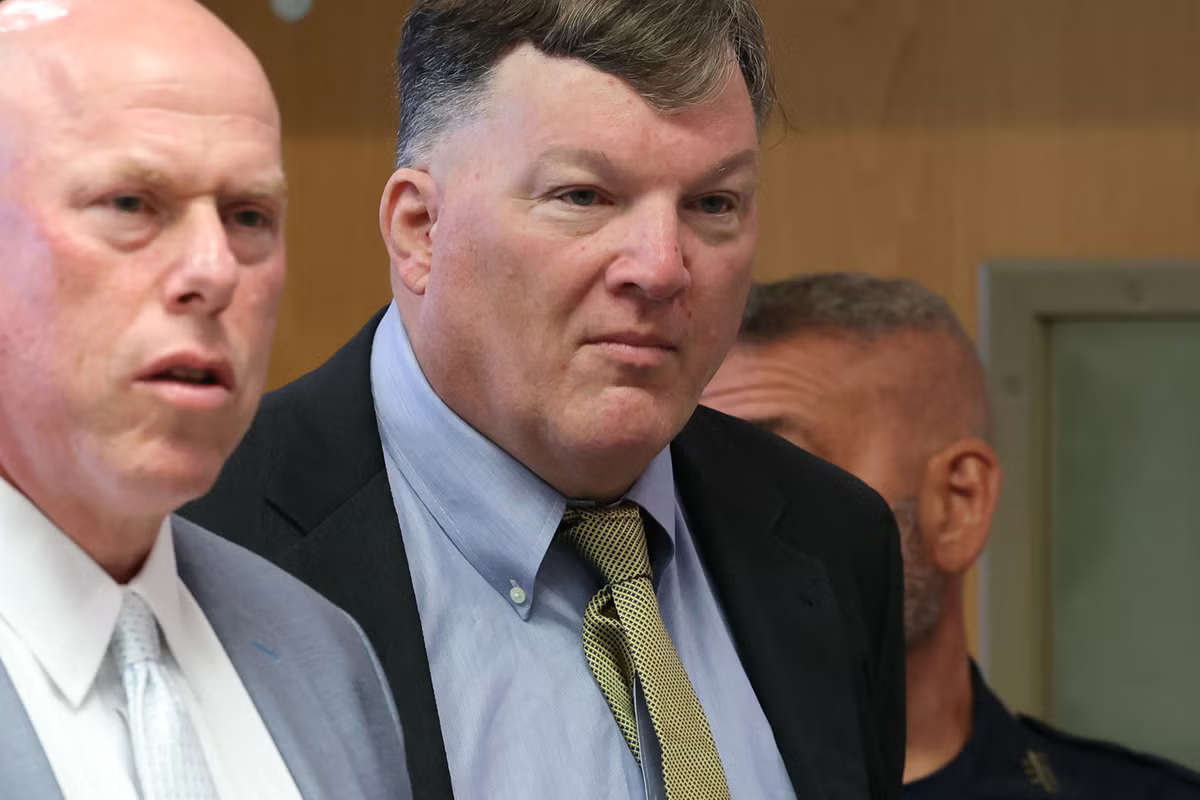
A New York judge has admitted DNA evidence obtained through whole genome sequencing linking Rex Heuermann to six of the seven women he is accused of killing at Gilgo Beach, marking the first use of this technology as evidence in a New York court and potentially advancing the case.
A New York judge has allowed the use of advanced DNA technology in the trial of Rex Heuermann, accused of being the Gilgo Beach serial killer, after prosecutors demonstrated its scientific validity. The case involves complex forensic evidence, including degraded hair samples analyzed with new techniques, linking Heuermann and his family to multiple victims. Heuermann has pleaded not guilty, and a trial date has yet to be scheduled.
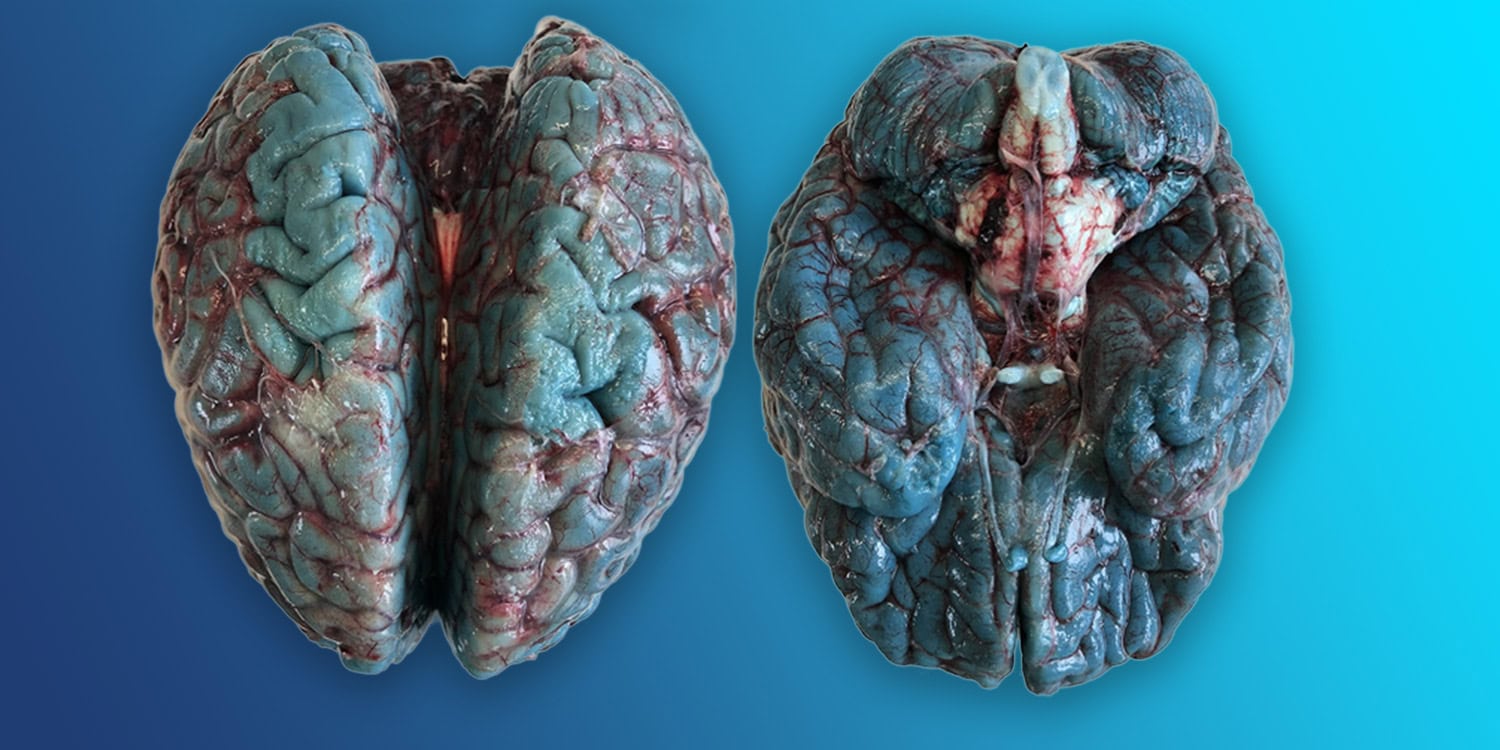
Autopsies revealed that blue-green organ discoloration can result from exposure to dyes like methylene blue and toluidine blue, often used in medical treatments or ingested substances, with patterns depending on the route of exposure, aiding forensic investigations.
DNA analysis is the gold standard for identifying victims of mass disasters by comparing postmortem samples from remains with antemortem samples or known relatives, despite some challenges like sample degradation and ethical considerations.
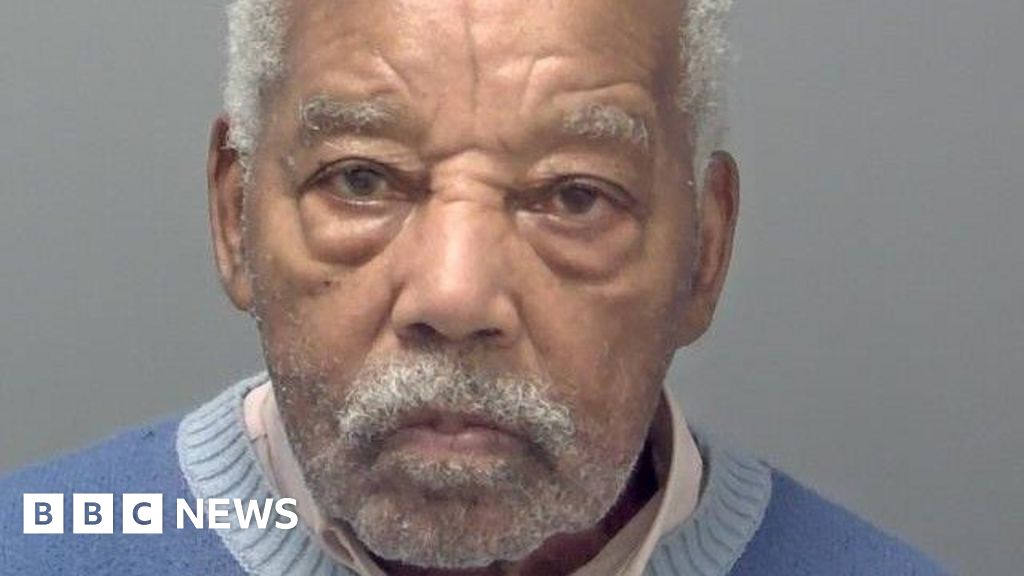
Ryland Headley was finally convicted of the 1967 murder and rape of Louisa Dunne after decades, thanks to preserved evidence and modern DNA analysis, highlighting that justice can be delayed but not denied.
A University of Oregon study highlights the limitations of forensic DNA analysis, particularly when dealing with DNA mixtures from groups with low genetic diversity. The research found that such mixtures are more prone to false positives, potentially implicating innocent individuals. This issue is exacerbated when more contributors are involved. The study underscores the importance of understanding the technique's limitations and the ethical challenges in genetic research, especially regarding informed consent.
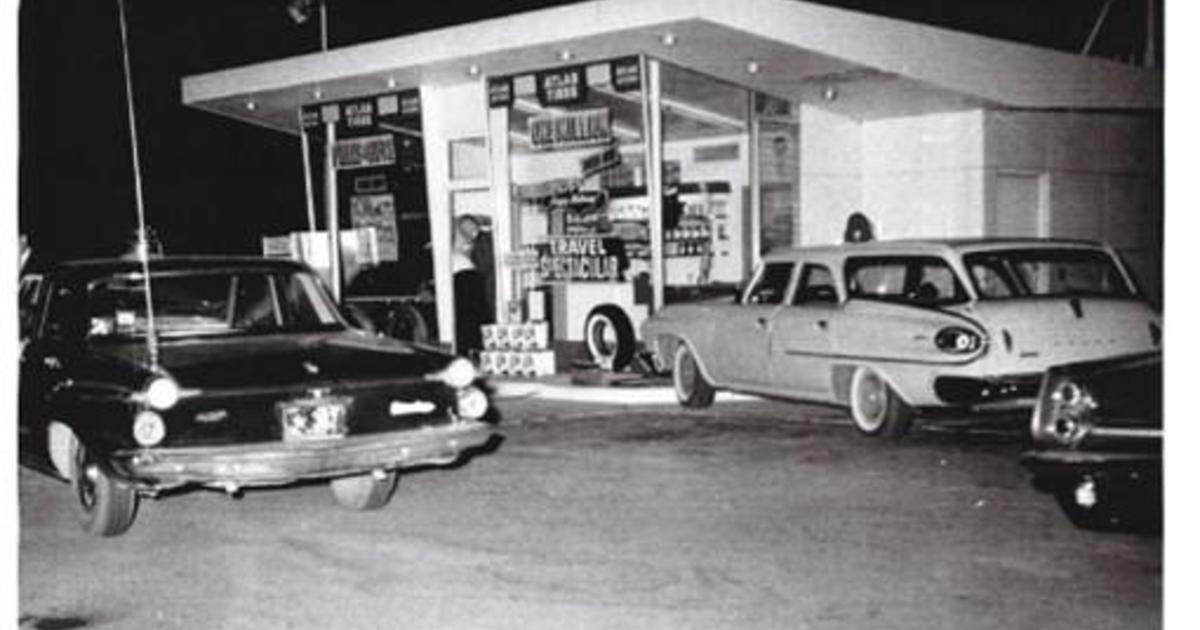
Authorities in Wisconsin have solved the 1963 cold case murder of Wayne Pratt, a gas station operator, through advanced DNA testing. The suspect, William Doxtator, was identified using forensic analysis but had died in 2022. The case was reopened in 2011, and recent DNA breakthroughs led to the resolution, providing closure for the victim's family.
Researchers from the Foundation for Research and Technology–Hellas have identified 18 civilians executed in Adele, Rethymnon during World War II using ancient DNA analysis. This pioneering study, published in Forensic Science International: Genetics, utilized low-coverage genome sequencing and anthropological methods to achieve molecular identification, providing closure for the victims' families and contributing to historical and cultural understanding.
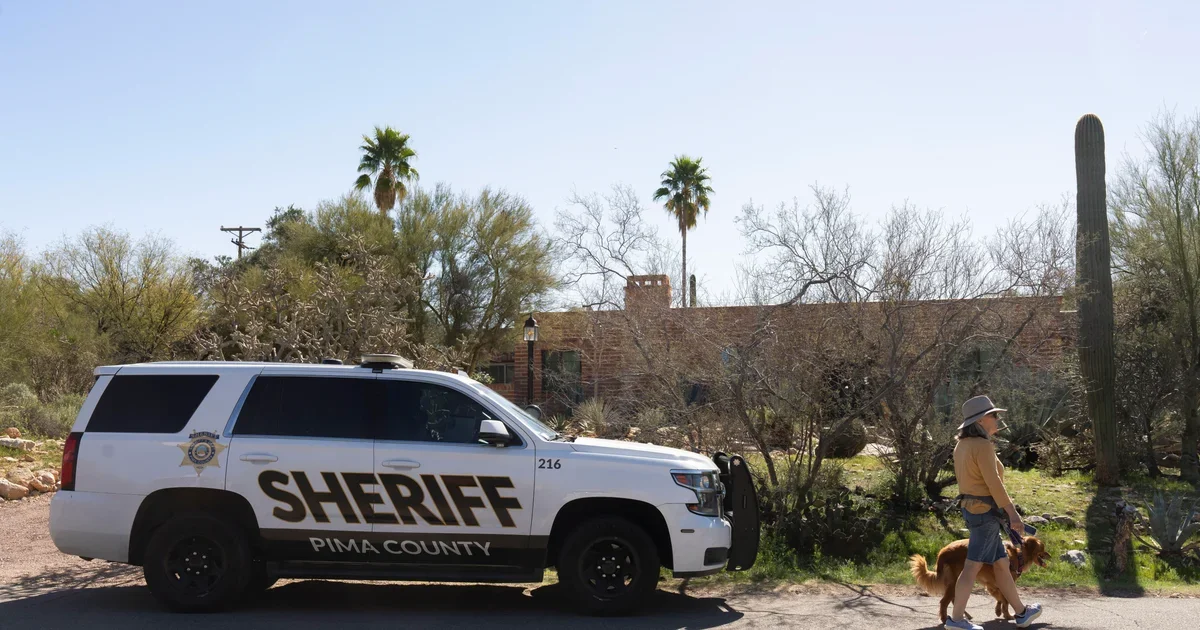
A jawbone found by a child in Arizona 20 years ago has been identified as belonging to U.S. Marine Capt. Everett Leland Yager, who died in a 1951 training accident. Traditional DNA testing had previously yielded no results, but a genetic profile was developed using genome sequencing and bioinformatics, leading to a match with Yager's daughter's DNA sample. The remains will be returned to Yager's family after being found in the child's rock collection and undergoing extensive forensic investigation.