Cyprus’ first lady Philippa Karsera says she is stepping down from the AFKS charity fund’s management committee, citing an ‘unrelenting attack’ on social media; the move follows a secretly recorded video alleging ways to bypass campaign spending caps, grant access to the president and first lady, and misuse corporate social contributions. The government denies the claims and has sought international help to trace the video’s origin, while the opposition questions donor transparency as coalition allies weigh their support ahead of May elections and the 2028 presidential vote.
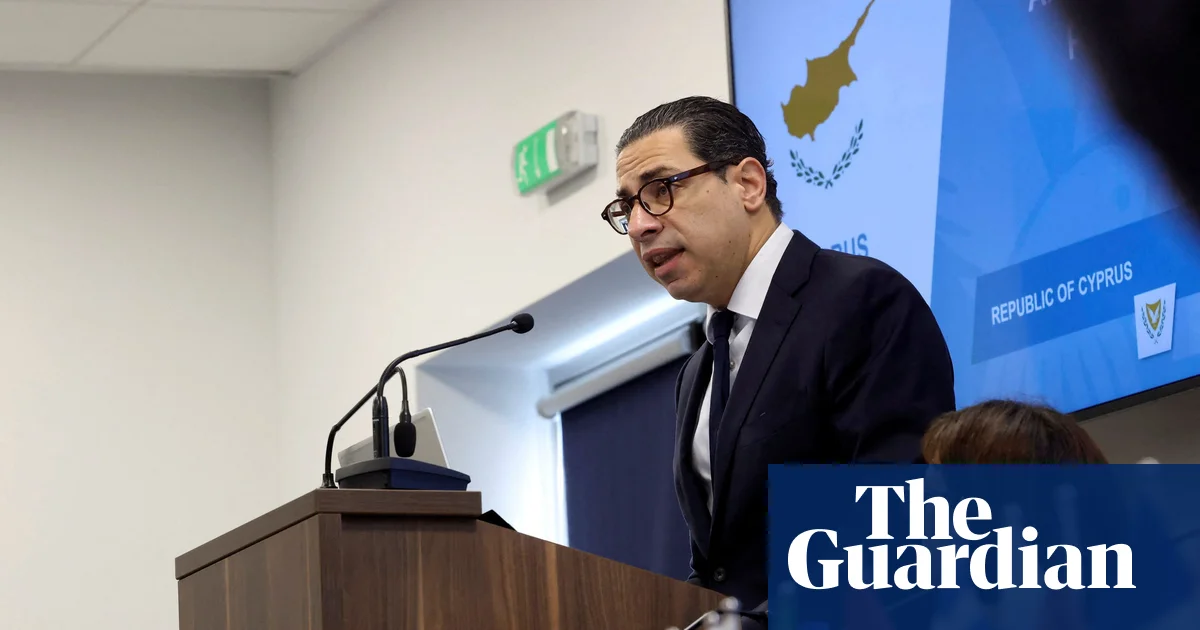
Cyprus pledges a 'different mindset' as it assumes the EU presidency, focusing on Ukraine, regional issues, and expanding EU engagement with the Middle East and India, while navigating regional tensions and promoting strategic autonomy.
Israel, Greece, and Cyprus have signed a trilateral work plan for 2026 to enhance military cooperation through joint exercises, strategic dialogue, and a rapid-response force aimed at deterring Turkey's regional activities, with a focus on quick deployment in crises across land, sea, and air.
Israel, Greece, and Cyprus are considering forming a joint intervention force to counter Turkish activity in the eastern Mediterranean, primarily to protect regional strategic interests and deter Turkish military expansion, with preliminary planning underway but no concrete steps taken yet.
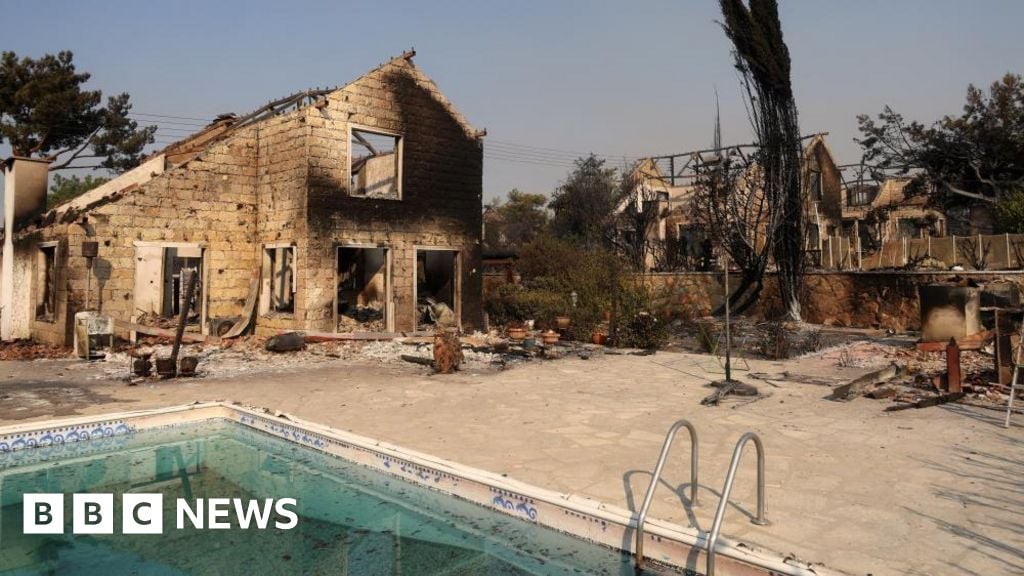
A wildfire in southern Cyprus has resulted in two deaths, destroyed homes, and burned 100 sq km of land amid a heatwave with temperatures reaching 44°C, prompting international firefighting support and raising concerns about climate-related wildfires.
Cyprus has the most public holidays in Europe with 15 days, while France ranks around average with 11 days, and proposals to cut holidays in France aim to boost the economy. The number of holidays varies across countries and regions, with some countries like Slovakia and Denmark having recently reduced holidays for economic reasons. Public holidays are just one aspect of workers' time off, with other factors like annual leave and school holidays also significant.
Cyprus commemorates 51 years since Turkey's 1974 invasion that resulted in the island's ongoing partition, with Turkey controlling about 36% of the territory and only recognizing the breakaway Turkish Republic of North Cyprus, amid ongoing tensions, displacement, and failed diplomatic efforts.
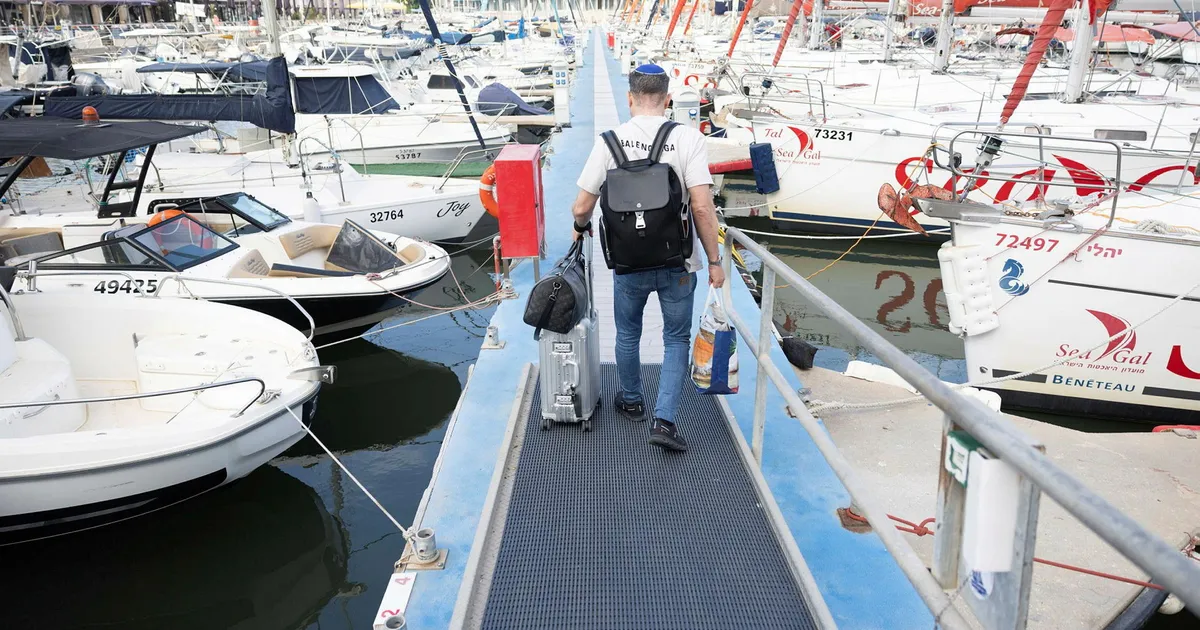
Amid ongoing conflict, some Israelis are fleeing the war zone by yacht from Herzliya marina to Cyprus, seeking safety outside the country, as tensions and violence escalate in the region.
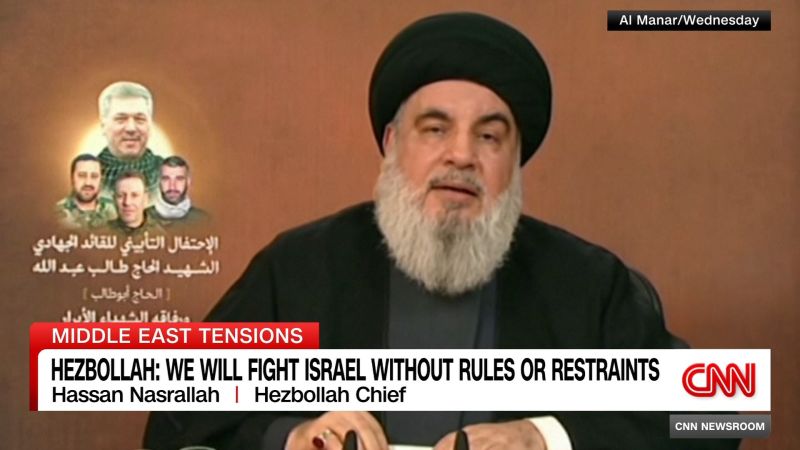
Hezbollah leader Hassan Nasrallah has threatened Cyprus, warning it could become a target if it aids Israel in a potential conflict between the militant group and Israel. Cyprus, an EU member, has denied involvement in any war operations, and the EU and Greece have expressed solidarity with Cyprus. The situation highlights Cyprus's strategic position and its complex relations with Israel and the broader Middle East. While experts believe an all-out war is unlikely, the threats add a new dimension to the ongoing Israel-Hamas conflict.
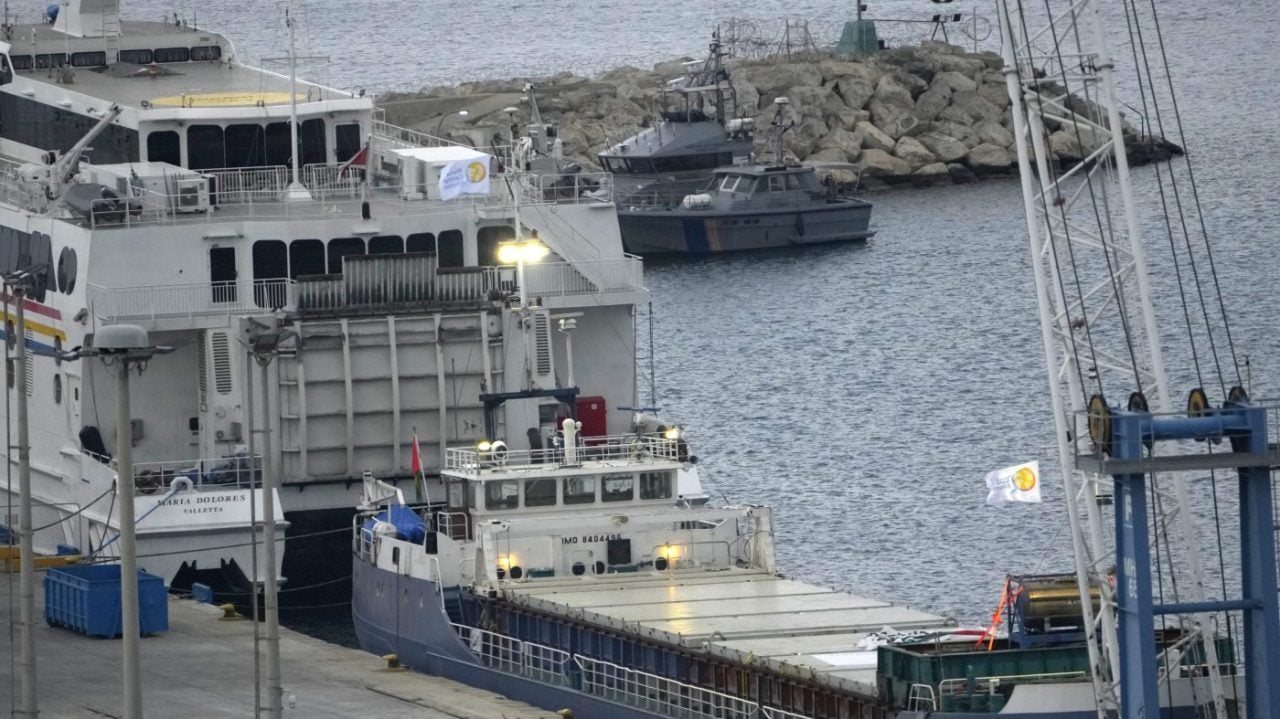
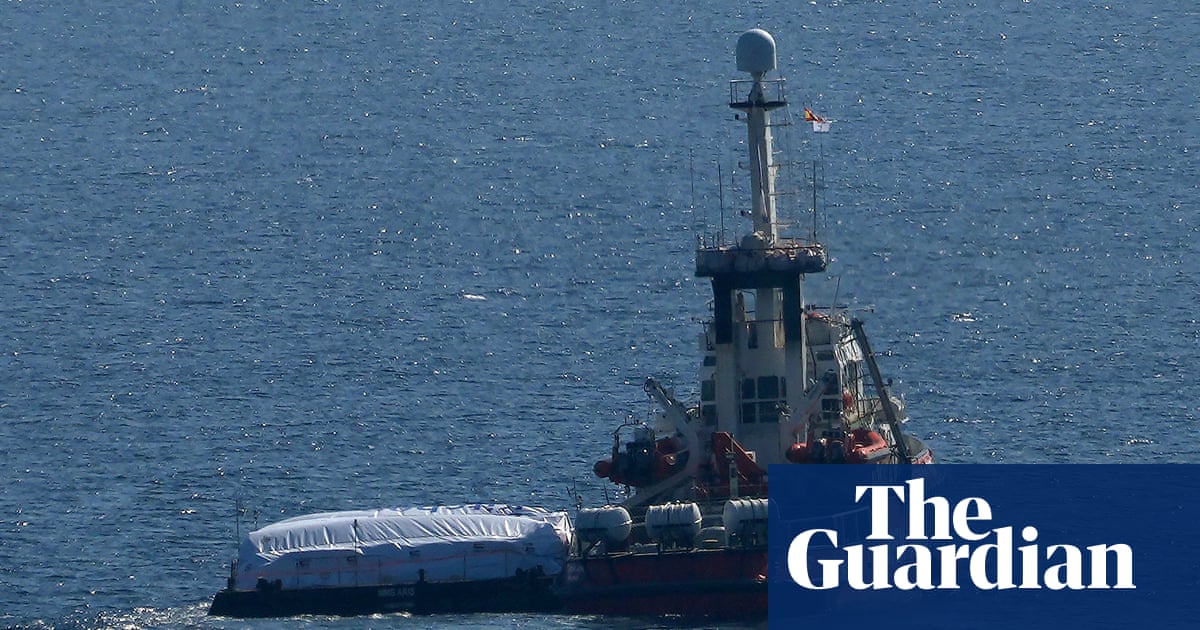
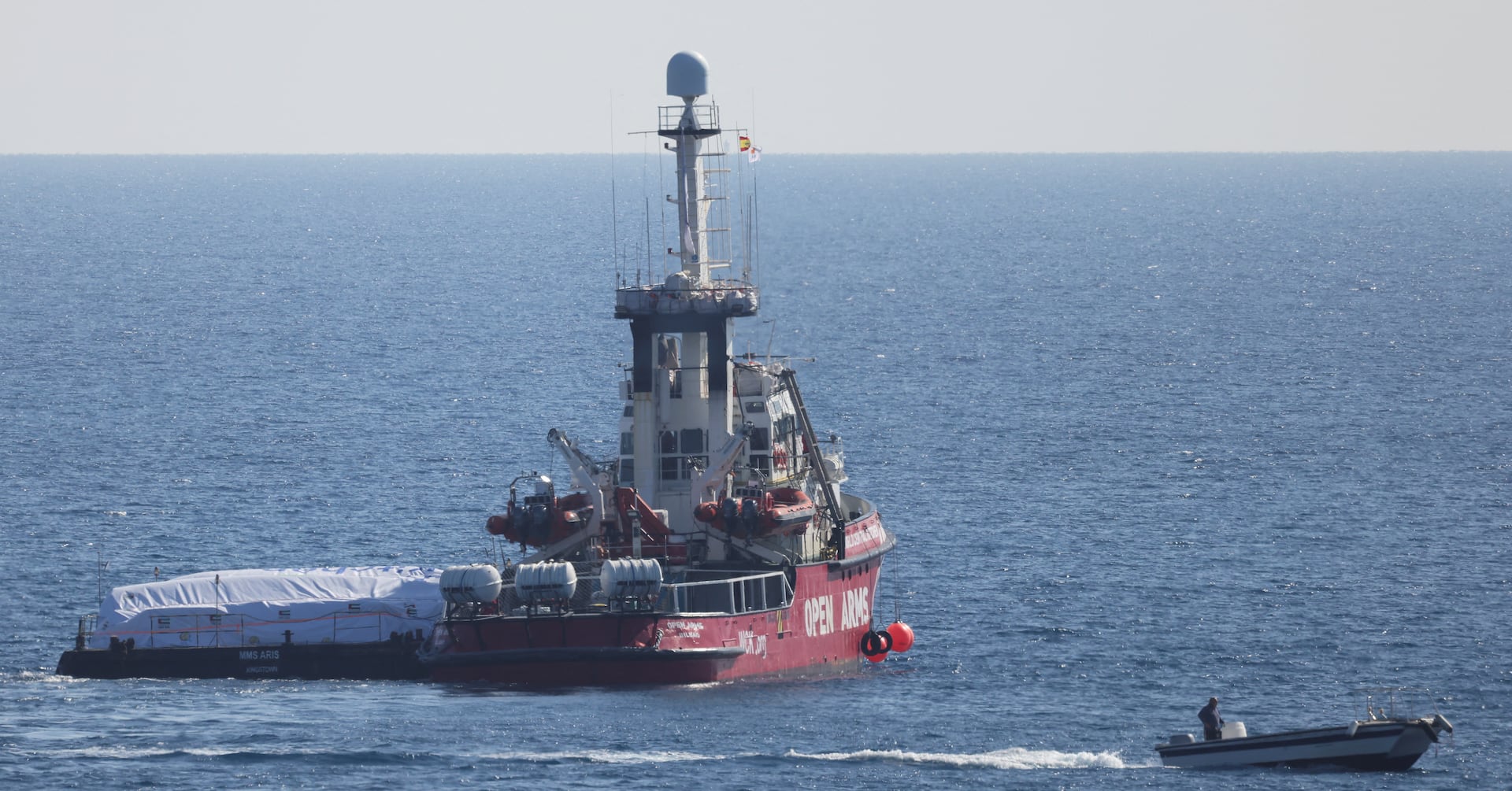
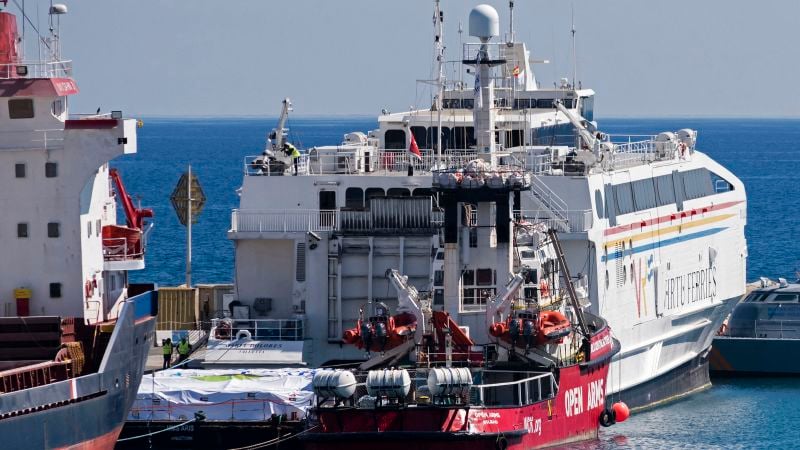
A convoy carrying 332 tons of food for Gaza, sourced by U.S. charity World Central Kitchen (WCK) and financed mainly by the UAE, has left Cyprus's Larnaca port in the second aid shipment this month after Israel eased a 17-year naval blockade on the Gaza Strip. The aid, which will be taken to Gaza on a cargo ship and a barge towed by a salvage vessel, aims to alleviate the imminent famine in the northern Gaza Strip, where 300,000 people are trapped by fighting. The United Nations has warned that more than half of Gaza's population of 2.3 million could face famine by July, and while the aid delivered by sea is welcome, it cannot meet people's needs, prompting calls for Israel to allow more aid to arrive by land.
The first ship carrying 200 tons of food aid from World Central Kitchen has arrived in Gaza, with preparations underway to dispatch a second boat carrying more aid and heavy machinery. The aid delivery, organized with the United Arab Emirates and Cyprus, includes rice, flour, legumes, canned vegetables, and proteins. This comes as the U.S. and other allies have begun sending air drops of aid to Gaza, and President Biden announced plans for the U.S. military to build a temporary port on Gaza's coast to increase aid deliveries by sea. The deliveries are crucial as a quarter of Gaza's population is reported to be starving amidst ongoing negotiations for a temporary cease-fire.
The first aid ship has successfully unloaded 200 tons of food, water, and supplies in Gaza, marking the inauguration of a humanitarian sea corridor from Cyprus. A second vessel is being loaded in Cyprus to follow, and efforts are being made to increase the volume of humanitarian aid transfer. The United Nations reports a shocking increase in child malnutrition in northern Gaza, with at least 23 children dying from malnutrition and dehydration in recent weeks. While various countries are providing aid through sea and air deliveries, experts emphasize the need for unblocked land convoys to address the humanitarian crisis.
A ship carrying aid is nearing Gaza from Cyprus, with a second vessel on standby, as the EU foreign policy chief warns of starvation being used as a weapon of war. The aid mission, led by World Central Kitchen and supported by Cyprus and the United Arab Emirates, aims to provide much-needed assistance to Gaza, where a humanitarian crisis is worsening due to Israeli restrictions on aid access. Alternative routes, including sea and airdrops, are being explored as traditional road access is limited. The UN has delivered food via a road convoy, but ongoing fighting and Israeli bombardment continue to impede aid operations, while a recent bombing of a UN aid warehouse in southern Gaza has further exacerbated the situation.
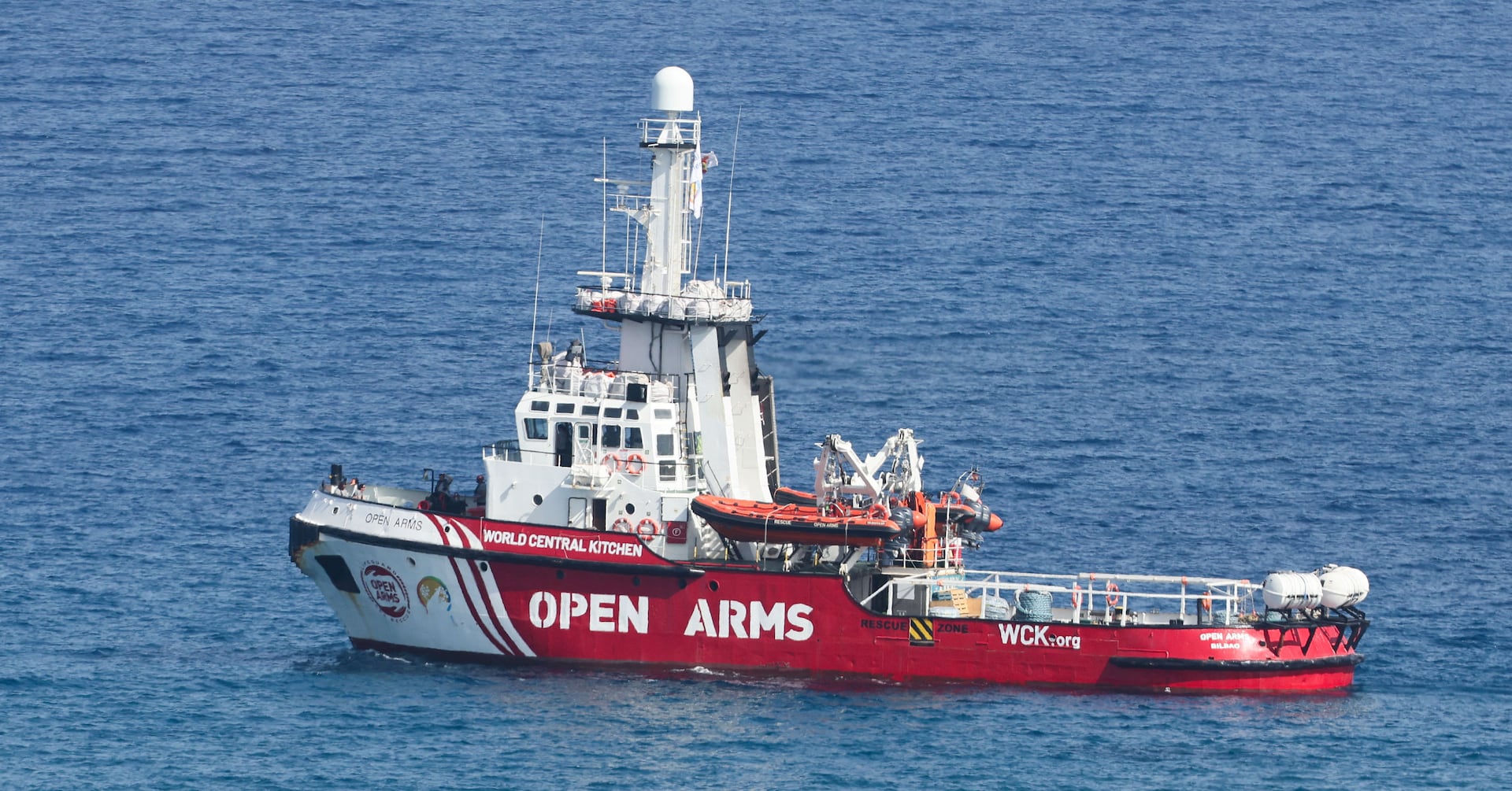
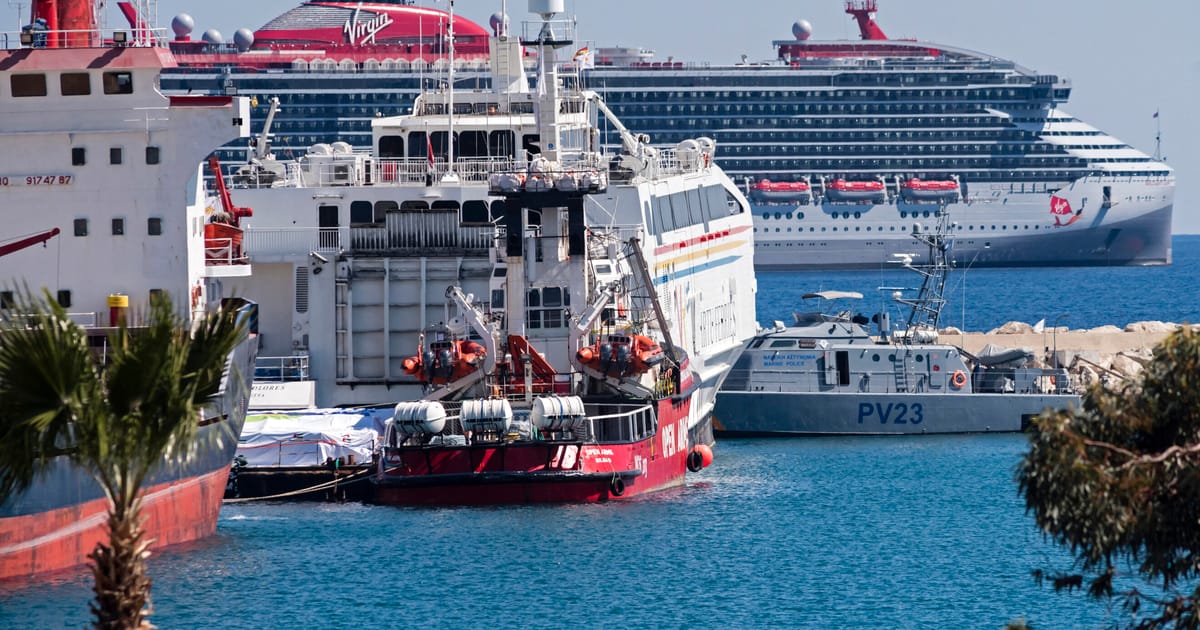
The Open Arms, a rescue vessel owned by a Spanish NGO, has departed from Cyprus with almost 200 tons of food for Gaza in a pilot project to establish a new sea route for aid delivery. The mission, funded mostly by the United Arab Emirates and organized by U.S.-based charity World Central Kitchen, aims to establish a maritime highway of boats and barges continuously delivering aid to Gaza, which has been under an Israeli naval blockade since 2007. The initiative includes building a landing jetty in Gaza using material from destroyed buildings and rubble, and if successful, it would signify the first easing of the blockade.
A ship carrying 200 tons of food aid has departed from Cyprus to Gaza, coordinated by World Central Kitchen in partnership with the UAE, Cyprus, and the Spanish charity Open Arms. The ongoing delivery is crucial as northern Gaza faces a famine, with children dying of malnutrition and dehydration. Israeli restrictions on land crossings into Gaza have hindered aid distribution efforts, with humanitarian workers and officials reporting a pattern of obstruction by Israeli authorities.