Tag

Chemicals

All articles tagged with #chemicals

health4 months ago

Rising Chemophobia Linked to MAHA's Role

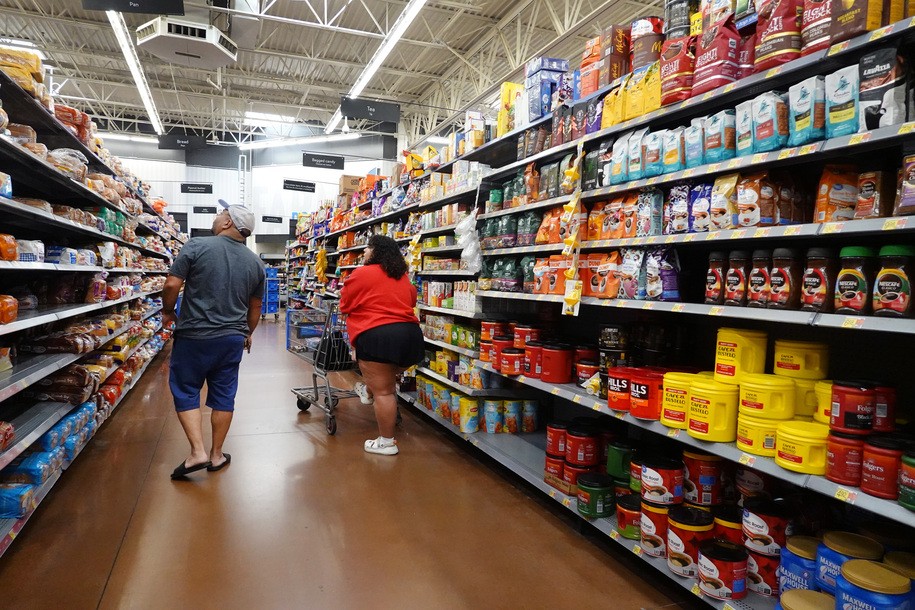
Chemophobia, a fear and distrust of chemicals, has grown across political lines, fueled by misinformation and marketing tactics that promote 'natural' and 'clean' products. This fear leads to unnecessary health risks, distracts from real health issues, and is exploited by industries and political groups, ultimately harming public health and safety.

business5 months ago

Kodak Faces Potential Closure Amid Financial Uncertainty

Kodak, the iconic American photography company, warns it may go out of business due to over $470 million in debt, declining revenues, and financial struggles, despite efforts to focus on its chemicals and pharmaceuticals sectors. The company has a 'substantial doubt' about its ability to continue operating and is taking measures like pension plan cuts to stay afloat.

crime7 months ago

FBI arrests linked to Palm Springs fertility clinic bombing and related incidents

The FBI arrested Daniel Park at JFK Airport in connection with the May car bombing outside a Palm Springs fertility clinic, which injured four and resulted in the death of the bomber, Guy Edward Bartkus. Park allegedly sent bomb ingredients to Bartkus, who carried out the attack, motivated by anti-natalist beliefs. The investigation revealed online discussions and experiments related to the bombing, and Park was detained after traveling to Europe.

health-food-safety1 year ago

"States Consider Banning Popular Snacks Over Cancer Concerns"

Several US states are considering banning popular snacks and candies due to cancer-causing chemicals in their ingredients, including cereals like Lucky Charms and Froot Loops, candies such as Skittles, M&M’s, and Swedish Fish, and snacks like Flamin’ Hot Cheetos and Doritos. Chemicals like brominated vegetable oil, potassium bromate, and certain food dyes have been linked to cancer and behavioral problems, prompting states like California and New York to propose bans. The purpose of these bans is to pressure companies into changing their recipes, but the approach is currently enacted state by state.

health1 year ago

"Garage Chemicals Linked to Increased ALS Risk"

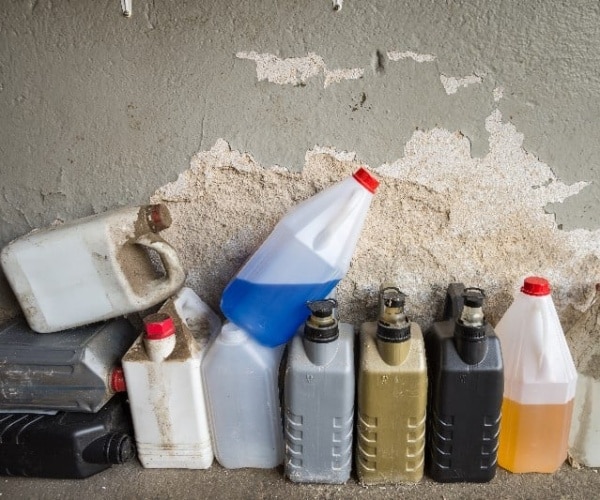
Storing volatile and toxic chemicals in garages, particularly in homes with attached garages, can increase the risk of developing amyotrophic lateral sclerosis (ALS) by around 15%. Gasoline, kerosene, gas-powered equipment, lawn care chemicals, pesticides, paint, and woodworking supplies were identified as significant risk factors. The flow of air from attached garages into living spaces is believed to contribute to this heightened risk. Modern building codes aim to address this issue, and further research is needed to understand how these chemical exposures increase ALS risk.

health1 year ago

"Potential Link Between Paints and Pesticides Exposure and ALS Risk"

Storing volatile chemicals such as pesticides, gasoline, and paint in attached garages at home is significantly associated with an increased risk of developing amyotrophic lateral sclerosis (ALS), according to a study by University of Michigan researchers. The findings highlight the importance of the "ALS exposome" and suggest interventions to minimize exposure and potentially reduce ALS risk by modifying storage practices in homes. The study surveyed over 600 participants and identified several residential chemical exposures linked to ALS risk and survival, emphasizing the need for further research to understand how environmental exposures contribute to the development of ALS.

health1 year ago

The Brain-Damaging Potential of Common Household Chemicals

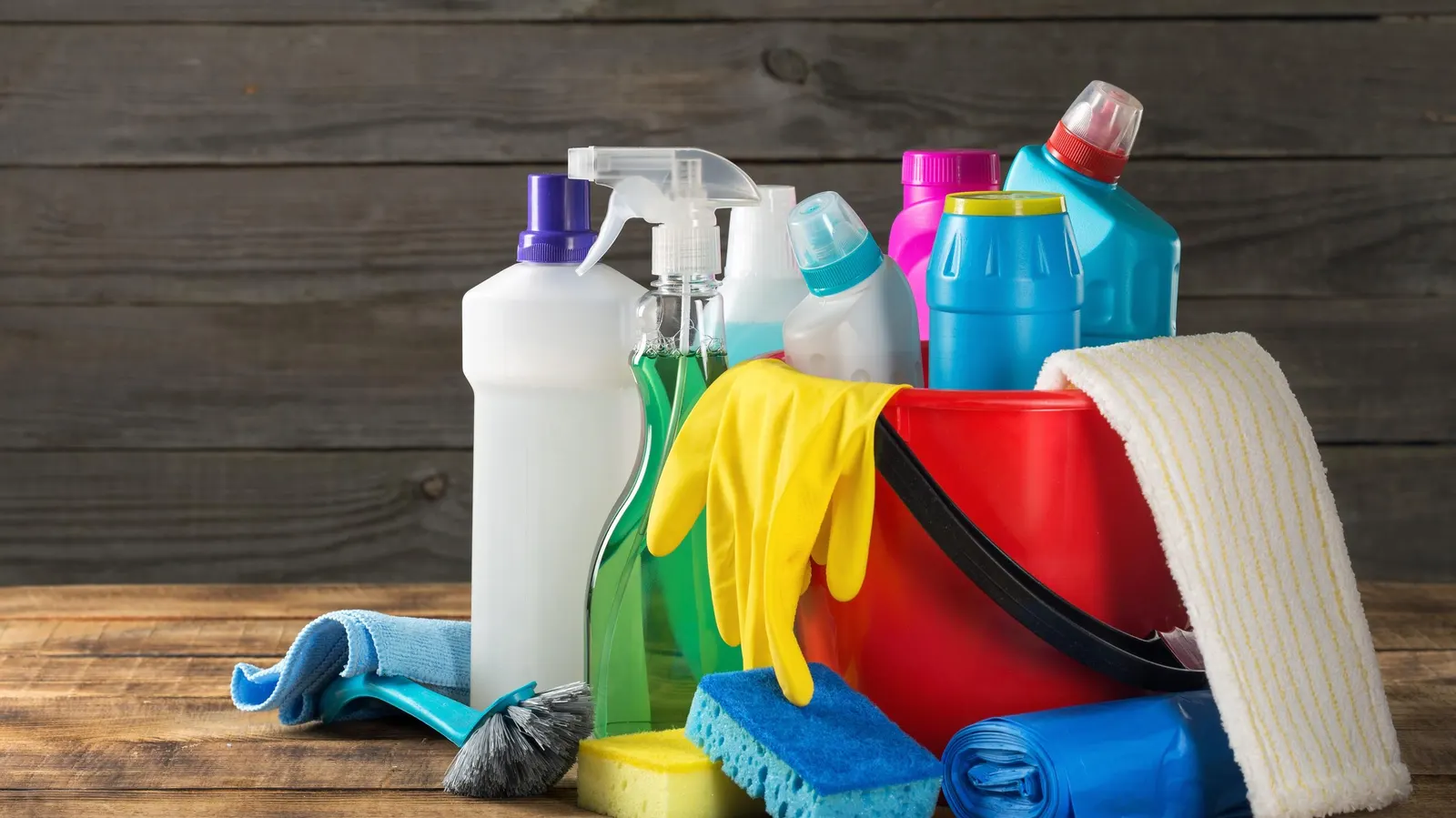
A new study suggests that chemicals found in hand sanitizers, disinfectants, glues, textiles, and household items may damage supporting cells in the brain during critical developmental stages. The study identified two chemical classes, including quaternary compounds used in hand sanitizers and organophosphates found in various household products, as potential culprits. These chemicals were found to kill or halt the maturation of oligodendrocyte cells, which are responsible for insulating neurons. The findings raise concerns about the potential impact of these common environmental toxins on brain health.

health1 year ago

Household Chemicals Linked to Autism and Multiple Sclerosis, Study Finds

A new study suggests that two chemicals commonly found in household products, quaternary ammonium compounds (quats) and organophosphate flame retardants, may be linked to the development of neurological disorders such as autism and multiple sclerosis. Quats, found in items like disinfectants and personal care products, were found to cause brain cell death, while organophosphate flame retardants, present in electronic devices and furniture, hindered the maturation of brain cells. The researchers hope their findings will lead to informed decisions regarding regulatory measures and behavioral interventions to minimize chemical exposure and protect human health.

health1 year ago

"Fast Food, Plastics, and Preterm Births: Understanding the Risks for Expectant Mothers"

New research from the University of Washington School of Medicine warns that consuming ultra-processed or fast food during pregnancy exposes the fetus to harmful chemicals called phthalates, which have been linked to various health risks including autism, ADHD, preterm birth, and low birth weight. The study found that greater consumption of ultra-processed foods was associated with higher concentrations of these chemicals in pregnant women. Researchers are urging pregnant women to avoid fast and processed foods and opt for healthier options like fruits, vegetables, and lean meats to reduce the risk to their unborn children.

business1 year ago

Air Products (APD) Q1 Earnings Slump Leads to Sharp Stock Decline

Air Products and Chemicals, Inc. (APD) reported first-quarter fiscal 2024 earnings of $2.73 per share, up from $2.57 in the year-ago quarter, driven by higher pricing and volumes. However, adjusted earnings per share missed estimates, and revenues were down around 6% year over year. The company faced headwinds from a slowdown in manufacturing in China, lower helium demand, higher costs, and currency devaluation in Argentina. Air Products now expects fiscal 2024 adjusted EPS of $12.20-$12.50, down from previous expectations, and anticipates second-quarter adjusted earnings per share in the range of $2.60-$2.75.

health2 years ago

"Link Between Household Chemicals and Breast Cancer Risk"

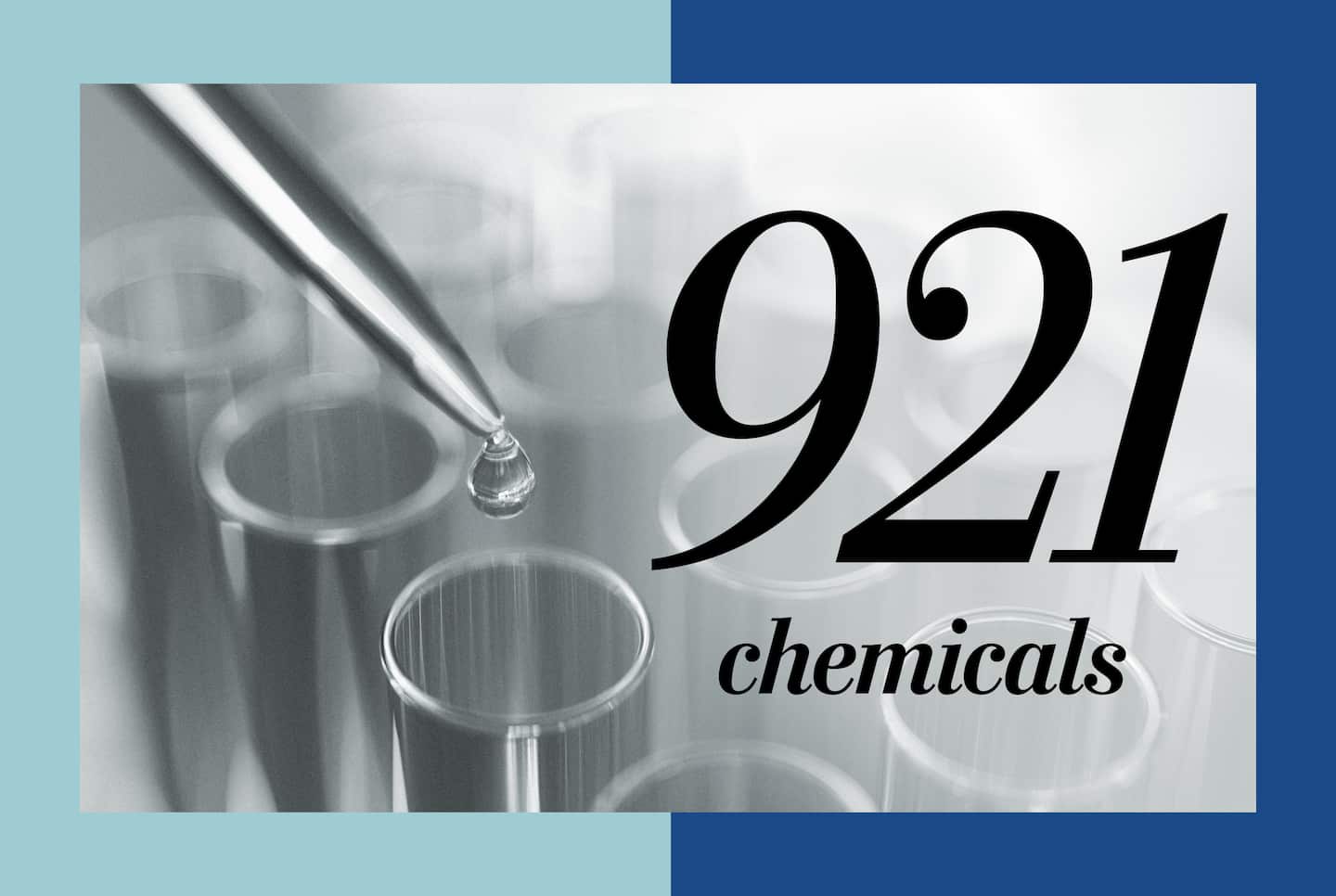
A research sponsored by Silent Spring Institute has identified 921 chemicals that are thought to pose risks for breast cancer, including 279 mammary carcinogens and 642 chemicals that alter the body’s hormones. These chemicals are commonly found in consumer products such as food, drinks, pesticides, and medications. The researchers believe that this list can guide regulatory prioritization, product formulation, and consumer disclosures, potentially improving our ability to prevent the leading cause of cancer death among women worldwide.

health2 years ago

"Identifying Breast Cancer Risk: Over 900 Common Chemicals Implicated"

A new study suggests that more than 900 widely used chemicals may increase the risk of breast cancer. These chemicals, found in everyday products such as plastics, cosmetics, and pesticides, were identified as potential risk factors for the disease. The research highlights the importance of understanding the impact of environmental factors on breast cancer risk and calls for further investigation into the potential health effects of these common chemicals.

health2 years ago

"Study Reveals Over 900 Everyday Chemicals Linked to Breast Cancer Risk"

A study has identified 829 chemicals commonly found in consumer products, food, drinks, pesticides, medications, and workplaces that could potentially promote the development of breast cancer by altering the body's hormones. These chemicals have been linked to activating estrogen receptors and causing cells to overproduce estrogen and progesterone, increasing the risk of breast cancer. Researchers emphasize the need for new tools to identify environmental exposures contributing to this trend and develop prevention strategies to reduce the burden of the disease.

health2 years ago

"Study Reveals Over 900 Chemicals Linked to Breast Cancer"

A study has identified over 900 chemicals, many of which are commonly found in consumer products, food and drink, pesticides, medications, and workplaces, that display traits linked to breast cancer. These chemicals have been found to cause mammary tumors in animals, alter hormone levels, and damage DNA, making them potential breast carcinogens. The findings provide a roadmap for regulators and manufacturers to identify and prevent the use of harmful chemicals in consumer products, and could influence how the EPA assesses chemicals for safety.