The NIH is investing millions to enhance autism research through the Autism Data Science Initiative, aiming to accelerate understanding of autism's genetic and environmental factors, following a White House announcement.
Microsoft's claim that AI will make geographers obsolete is challenged by Trisalyn Nelson, who argues that AI actually enhances the field by enabling geographers to analyze vast amounts of geographic data more efficiently, thereby increasing their impact on solving global challenges. Geographers use advanced technology to address issues like urban planning, environmental management, and disaster response, making their profession more vital and relevant than ever in the age of AI.
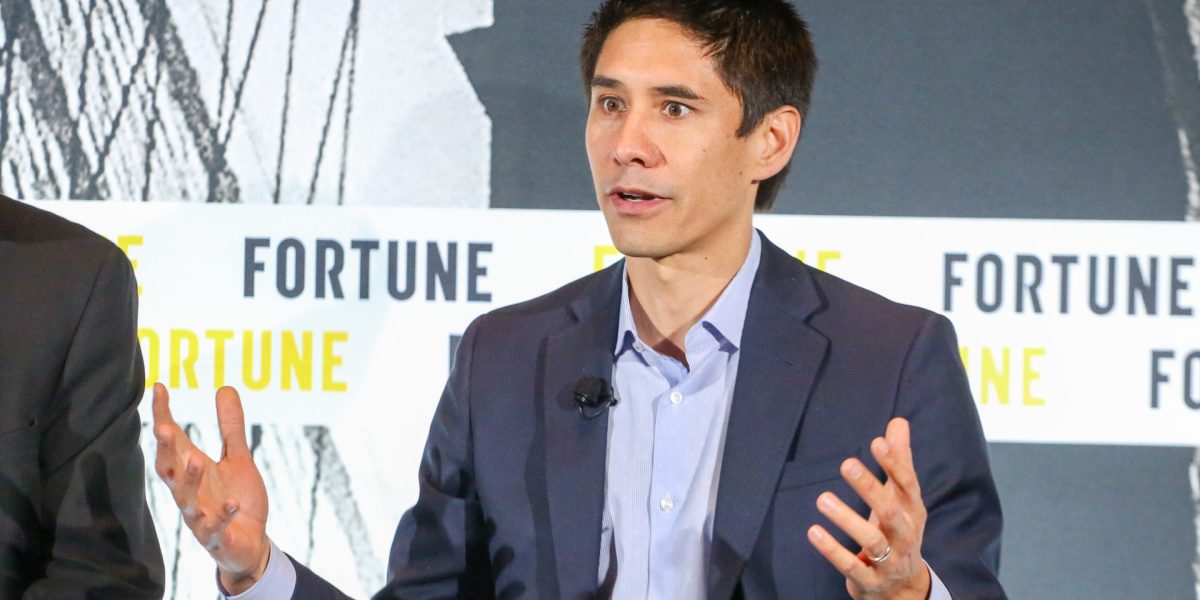
Glassdoor CEO Christian Sutherland-Wong highlights the impact of AI on the job market, noting a surge in demand for roles like machine learning engineers and data scientists, while positions such as copywriters are declining due to advancements in generative AI.
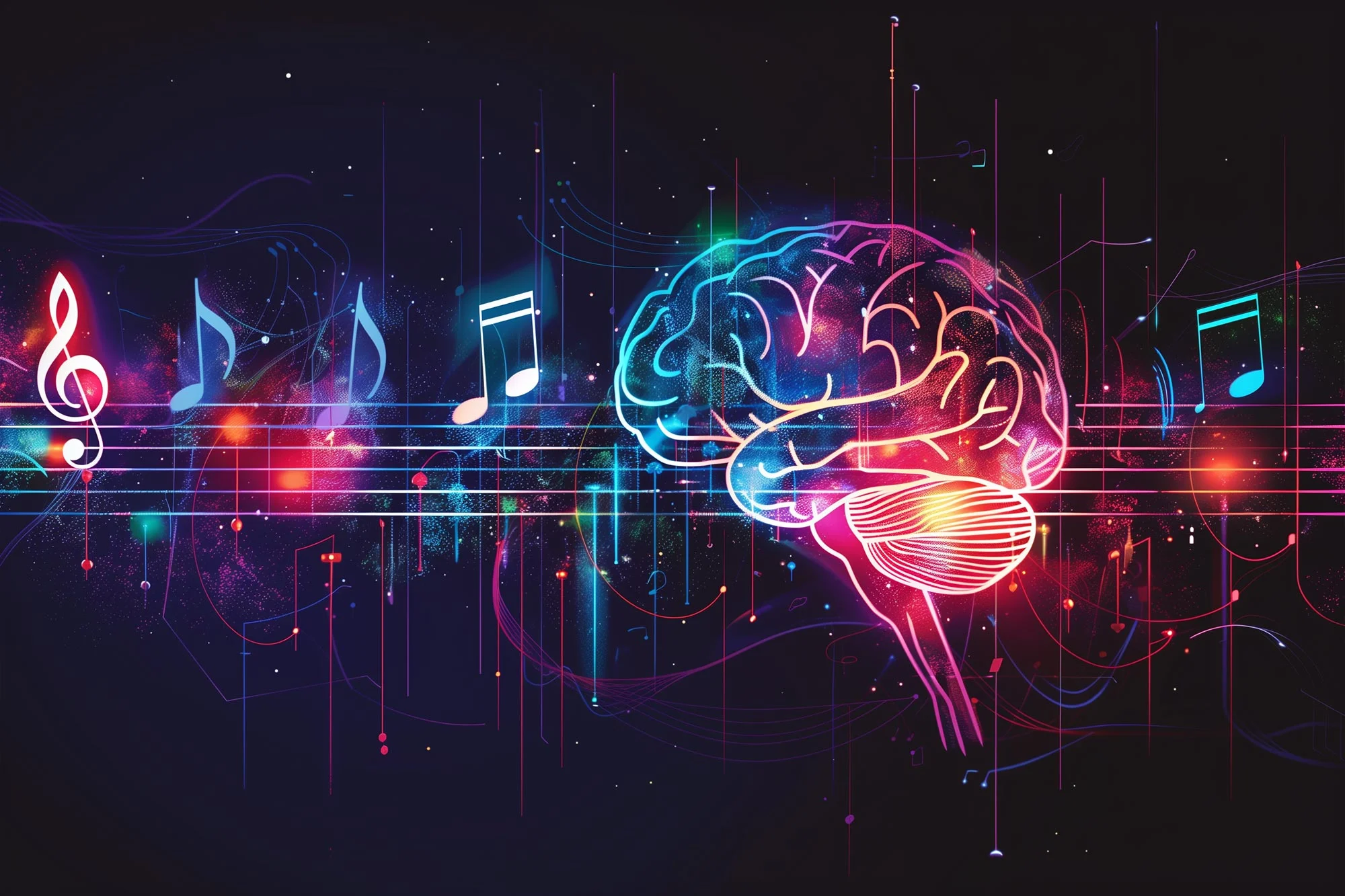
Researchers have empirically quantified the emotional impact of music by analyzing the predictability of musical sequences, using time series analysis to measure the 'transition times' from predictable to unpredictable patterns. This study, published in Nature Communications, examined over 450 jazz improvisations and 99 classical compositions, revealing that jazz typically has shorter transition times, making it less predictable than classical music. The research also found that Mozart's compositions tend to have longer transition times compared to Bach's, offering more predictability and less variability.
In a Quanta Magazine podcast, statistician Emmanuel Candès discusses how AI and machine learning are transforming the science of prediction across various fields, including college admissions, election forecasting, and drug discovery. The conversation highlights the use of 'black box' models, which can make accurate predictions without a deep understanding of the underlying phenomena, and the importance of quantifying uncertainty in these predictions. Candès emphasizes the evolving role of statistics in this new landscape, advocating for a balance between traditional statistical methods and modern data science techniques.
Data scientist Antoine Mayerowitz applies the Pareto front, a principle from 19th-century economist Vilfredo Pareto, to determine the best character, vehicle, and wheels combinations in Mario Kart 8. By narrowing down the 703,560 possible decisions to 25,704, Mayerowitz plots the potential builds on a chart, revealing the most optimal choices based on speed and acceleration. The best build for prioritizing speed and acceleration is Peach on the Teddy Buggy with roller tires and the Cloud Glider.
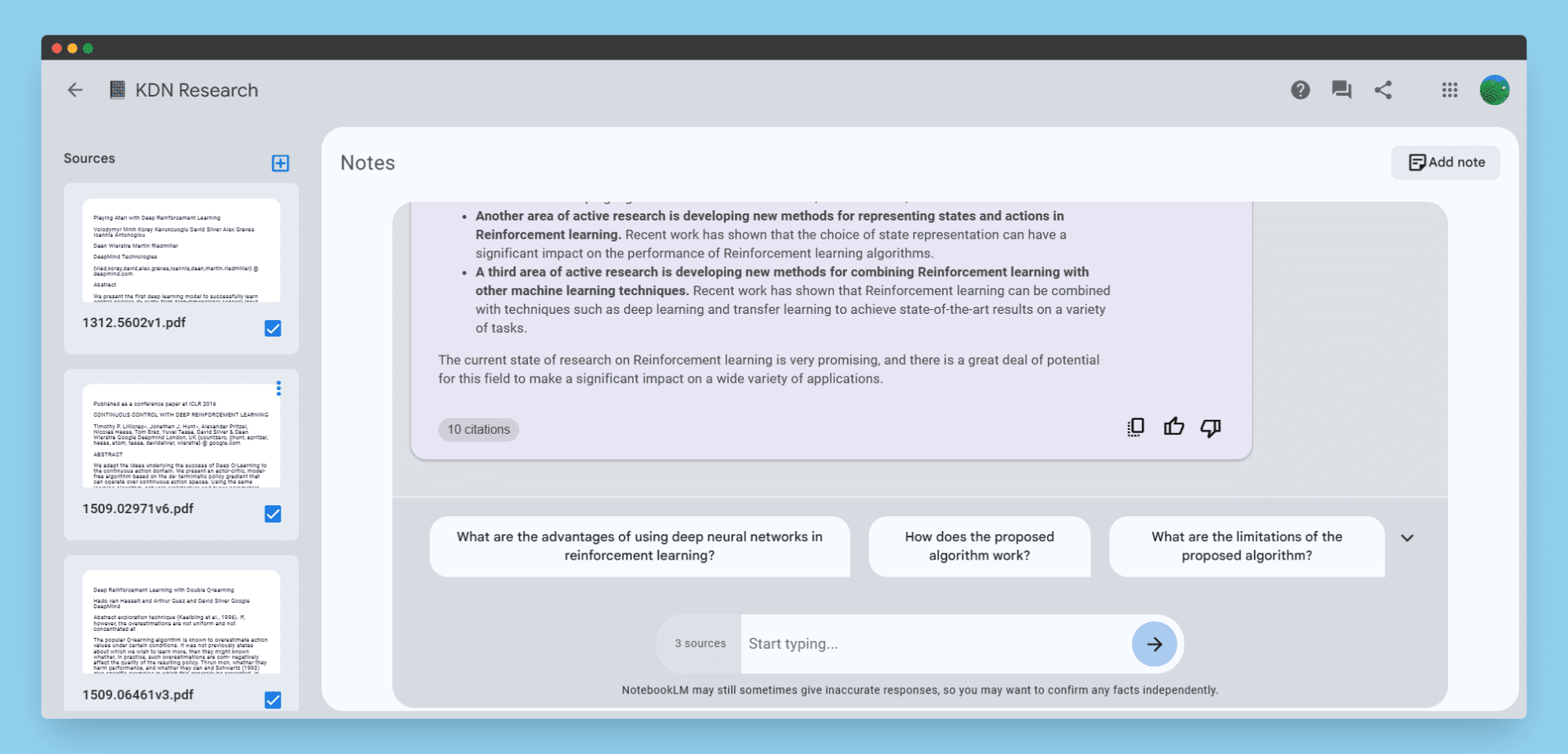
Google's NotebookLM is an experimental product based on large language models that allows users to upload up to 10 documents, including Google Docs and PDFs, to understand and analyze data. It offers features such as summarization, terminology extraction, trend analysis, and creative assistance. NotebookLM addresses limitations of other applications like ChatGPT and Poe by allowing users to upload multiple documents and understand large documents quickly. While NotebookLM is currently in its early testing phase and limited to the U.S. and personal Google accounts, it has the potential to become an essential tool for data scientists as it continues to evolve.
Researchers at Johns Hopkins University have developed a data science method to match astronomical objects across different surveys, allowing for a deeper understanding of the cosmos. By assigning a "score" to pairs of observations from different surveys, the researchers were able to quickly and effectively match objects between 100 different catalogs. This method helps scientists extract more knowledge from the vast amount of data collected by telescopes, contributing to the building of theories about the universe. The team's code is publicly available, and their research was published in The Astronomical Journal.
Researchers at Johns Hopkins University have developed a data science approach that can match observations of celestial objects taken across multiple telescope surveys. This method assigns a "score" to each pair of observations, increasing the likelihood that they are of the same object based on their angular distance in the sky. The tool improves the accuracy and reliability of astronomical catalogs, enabling deeper insights into the universe. The method is fast, handles vast datasets, and outperforms previous approaches in finding accurate matches between observations. Further validation and consensus within the astronomy community are needed for broader adoption.
Microsoft is introducing Python support in Excel, allowing users to write and run Python code directly within the spreadsheet editor. This integration extends Excel's data science capabilities, enabling users to perform advanced data analysis, create visualizations, and train machine learning models. The new version of Excel comes with preinstalled Python modules, eliminating the need for manual installation and configuration. This integration simplifies the workflow for data scientists who previously had to switch between separate code editors and Excel.
Microsoft has introduced support for running Python code within Excel, partnering with Anaconda to provide its data science-oriented Python distribution. This integration allows Excel users to create more sophisticated visualizations, data manipulation, analytics, and machine learning models with their spreadsheet data. The Python code runs on hypervisor isolated containers built on Azure Container Instances, ensuring security and preventing access to the user's computer or network. This feature is currently available in the Excel public preview and will bring Python scripting capabilities to the world's most popular spreadsheet software.
Microsoft has announced the release of a public preview of Python in Excel, allowing users to add Python code directly into a spreadsheet. This integration enables data analysts, engineers, marketers, and students learning data science to perform complex statistical analysis, advanced visualizations, predictive analytics, and machine learning within Excel. Users can enter Python code directly into cells using the new =PY function, leveraging the Anaconda distribution of Python, which includes pre-packaged libraries and packages. The functionality runs on the Microsoft Cloud with enterprise-level security, ensuring data privacy and authorized operations. The public preview is available to Microsoft 365 Insiders using the Beta Channel in Excel for Windows.
Data scientists play multiple roles in collaborations, including data analysis, data acquisition, software development, and project management. However, misunderstandings and undervaluing their contributions can hinder effective collaboration. To improve working relationships, it is important to establish a communication plan, communicate openly, learn each other's jargon, encourage questions, and use creative communication methods. Additionally, setting a timeline, avoiding scope creep, planning for data storage and distribution, prioritizing reproducibility, documenting everything, and developing a publishing plan are crucial. Embracing creativity, sharing knowledge, and recognizing when a project has run its course are also important for successful interdisciplinary collaborations in data science.
California's public universities, including Berkeley and U.C.L.A., are reconsidering whether high school students can skip Algebra II and instead take data science as a substitute. The universities initially allowed data science as an "equity issue" to increase college access, but concerns have been raised about the potential for less challenging coursework and limited opportunities. The State Board of Education has voted to remove its endorsement of data science as a substitute for Algebra II, following the state university system's decision to re-examine admission requirements. The debate reflects the national challenge of balancing educational standards with equity, as data science could draw students into higher-level math but may divert them from acquiring necessary quantitative skills. Racial disparities in advanced math and concerns about lowering academic standards have also been raised.
OpenAI has launched the Code Interpreter plugin for ChatGPT Plus users, offering functionalities that could potentially replace data scientists by enabling tasks such as data analysis, chart creation, file editing, math operations, and code execution. The plugin provides tools commonly used by data scientists, including data visualization and transformation. OpenAI is addressing safety concerns related to user data security and privacy, actively working on improving plugin security. Despite these concerns, OpenAI continues to make announcements, including plans for achieving super alignment and the general availability of the GPT-4 API.