OpenAI is offering free ChatGPT Plus subscriptions for a year to U.S. military veterans within their first year of civilian life to assist with career transition, resume writing, and emotional support, aiming to ease the challenging shift from military to civilian life and address higher veteran suicide rates.

The article discusses the author's experience testing AI tools and highlights ChatGPT Plus and Midjourney as the only two AI services worth paying for. ChatGPT Plus, costing $20 per month, significantly enhances programming productivity by providing reliable code assistance. Midjourney, at $10 per month, excels in generating creative images, particularly for specific artistic styles and themes, making it valuable for projects like promotional images. While Adobe's Creative Cloud is also used, its generative fill feature is not considered a primary AI expense.
Apple is integrating OpenAI's ChatGPT into its iOS 18.2 update, allowing users to upgrade to ChatGPT Plus directly from the Settings app. This partnership aims to enhance Siri and other features with advanced AI capabilities. While OpenAI benefits from exposure, it's unclear if Apple will take a revenue cut from ChatGPT Plus subscriptions. The deal is non-exclusive, with Apple planning to integrate AI models from other developers. Meanwhile, OpenAI is navigating financial challenges and executive departures.
OpenAI's release of the new GPT-4o model, which includes features like voice input and multimodal capabilities, has led to a significant spike in mobile revenue as users flock to upgrade to ChatGPT Plus to access these features. The model's availability on mobile but not for free has driven daily app revenue to nearly double, highlighting strong consumer interest and willingness to pay for the latest AI advancements.
Google's Gemini Advanced and OpenAI's ChatGPT Plus are both powerful multimodal AI tools, each with its own strengths and weaknesses. Gemini Advanced focuses on achieving realism in image generation and offers seamless read-aloud features, while ChatGPT Plus provides PDF analysis and integrates with third-party apps. The choice between the two depends on individual needs and preferences, with factors such as privacy, speed, voice convenience, and additional features playing a significant role in the decision-making process.
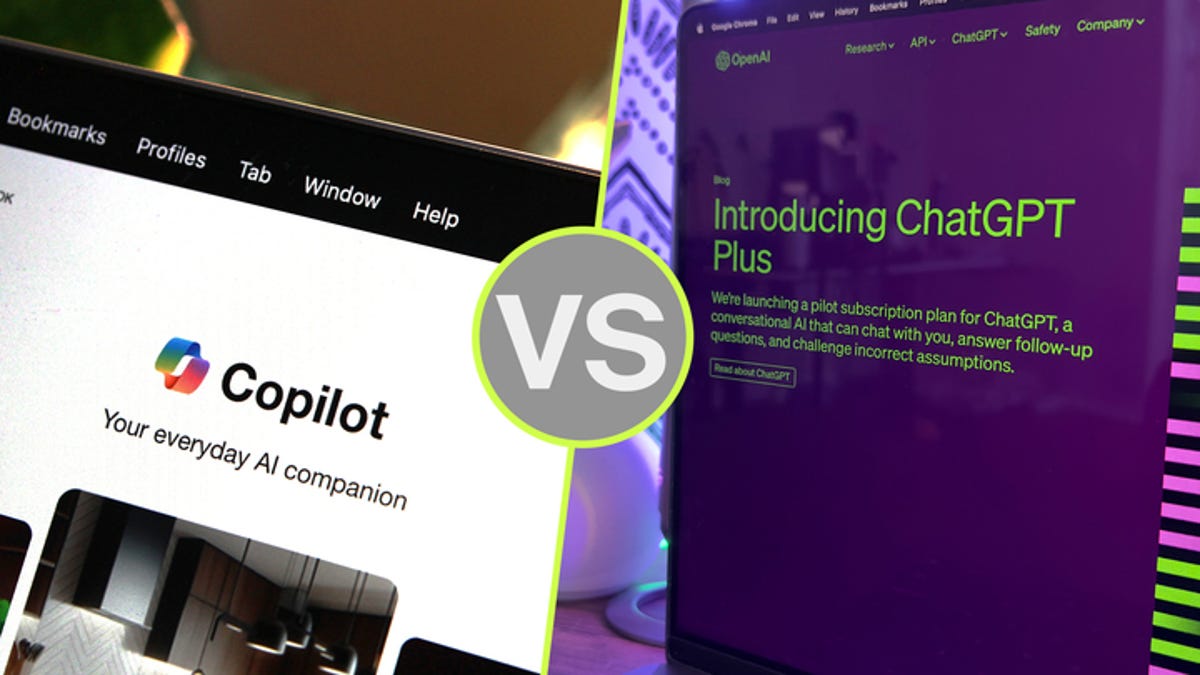
Microsoft's Copilot Pro and OpenAI's ChatGPT Plus are both available for a $20 monthly subscription, offering advanced AI-powered features. ChatGPT Plus allows analysis of a wider range of file types, access to custom GPTs from the GPT Store, and the ability to create custom GPTs, while Copilot Pro integrates with Microsoft 365 apps, provides more visually appealing information, and offers superior image creation skills. Ultimately, the choice between the two depends on specific needs and preferences.
OpenAI is introducing new beta features for ChatGPT Plus members, including the ability to upload and analyze files, as well as multimodal support. The update brings some of the office features from ChatGPT Enterprise to the individual chatbot subscription. Users can now work with various file types, such as text and images, allowing the chatbot to perform tasks like data summarization, answering questions, and generating visualizations. The multimodal support enables users to upload images and prompt the chatbot to create new images based on them.
OpenAI has expanded access to its AI image generator, DALL-E 3, allowing ChatGPT Plus and Enterprise subscribers to use the system within the ChatGPT app. DALL-E 3 leverages natural language processing to create images from textual prompts and aims to improve on its predecessor with enhanced visual detail. While OpenAI claims to have implemented safety measures, concerns remain regarding harmful content and intellectual property violations. The rollout represents a significant advancement in publicly available AI image generation capabilities, highlighting the need for industry-wide collaboration on AI ethics and regulations.
ChatGPT Plus, powered by OpenAI's Code Interpreter add-on, can be used to mine and analyze corporate data for valuable insights. By uploading a data set, users can leverage ChatGPT to perform data analytics tasks quickly and efficiently. The article provides a step-by-step guide on how to use ChatGPT Plus for data analysis, showcasing its ability to generate charts, conduct sentiment analysis, and identify patterns in large data sets. While there are concerns about data security and privacy, the author highlights the productivity and cost-effectiveness of using ChatGPT Plus as a real tool for obtaining valuable insights.
OpenAI has launched the Code Interpreter plugin for ChatGPT Plus users, offering functionalities that could potentially replace data scientists by enabling tasks such as data analysis, chart creation, file editing, math operations, and code execution. The plugin provides tools commonly used by data scientists, including data visualization and transformation. OpenAI is addressing safety concerns related to user data security and privacy, actively working on improving plugin security. Despite these concerns, OpenAI continues to make announcements, including plans for achieving super alignment and the general availability of the GPT-4 API.
ChatGPT Plus, an AI agent, now has access to the internet and plugins, which allow third-party functionality to be added to the AI. The internet access feature allows ChatGPT to browse the web and pull data from the internet, while plugins like OpenTable, Wolfram, and Kayak can be added to provide specific functionalities. However, these features come at a cost of $20 per month, and only three plugins can be enabled at once.
OpenAI is reportedly planning to introduce a "Beta features" page for ChatGPT Plus users, which will allow them to try experimental new features such as web browsing, plugins, and code interpreter. The new page aims to provide access to more users instead of the selected few who have access to the Alpha version. OpenAI's generative AI technology in the chatbot has become popular, and several plugins by the company and third-party developers have surfaced.