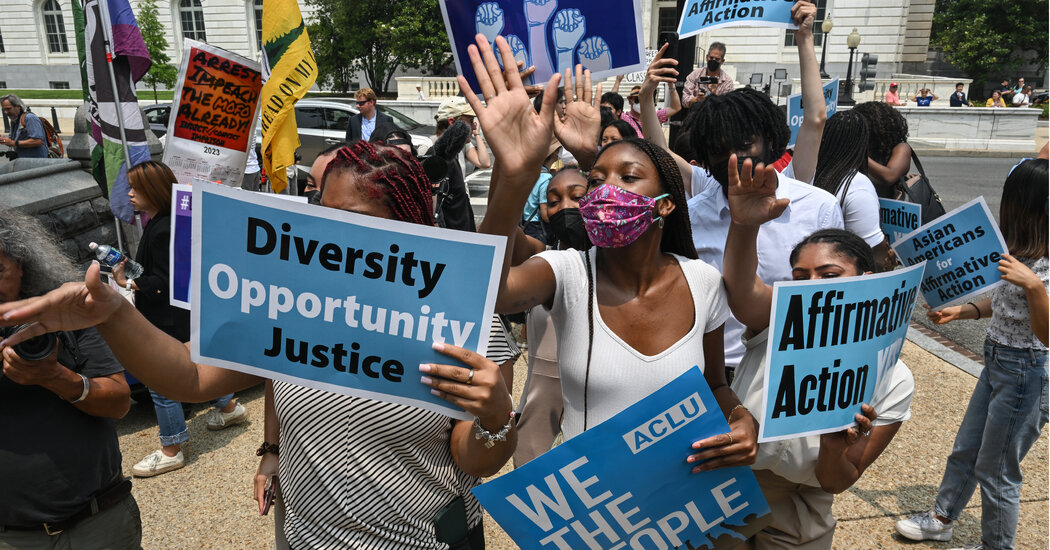
California Governor Gavin Newsom vetoed a bill that would give descendants of slaves preference in college admissions, citing the need for universities to review and determine how such preferences could be adopted, amidst broader tensions over diversity initiatives and reparations in the state.
The College Board has discontinued its Landscape tool, which helped universities identify promising low-income high-achieving students, following the Supreme Court's ban on affirmative action and criticism from the Trump administration, leading to concerns about diversity efforts in college admissions.
The Trump administration has fired most staff at the National Center for Education Statistics, which was responsible for collecting data on college admissions, including race, grades, and test scores, raising concerns about data analysis and transparency in education policy.
A lawsuit alleges that elite colleges conspire through early decision policies to inflate tuition prices and reduce competition, primarily benefiting wealthy students and potentially exacerbating inequality. The case targets 32 selective schools, claiming their practices hinder fair financial aid distribution and violate antitrust laws, while also raising concerns about the fairness and transparency of the college admissions process.
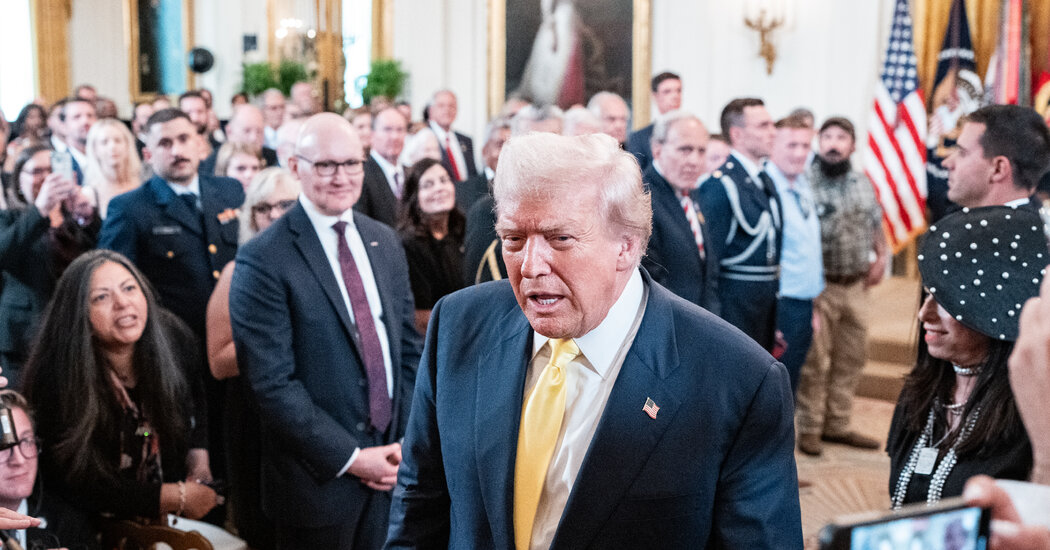
President Trump signed an executive order requiring universities to disclose detailed applicant data, intensifying debates over merit, diversity, and the role of race and standardized tests in college admissions, with concerns about potential resegregation and legal challenges.
The Trump administration plans to mandate new disclosures of college admissions data, prompting legal challenges and concerns about creating chaos and fear on campuses, while advocates see it as a step toward transparency and fairness in admissions practices.
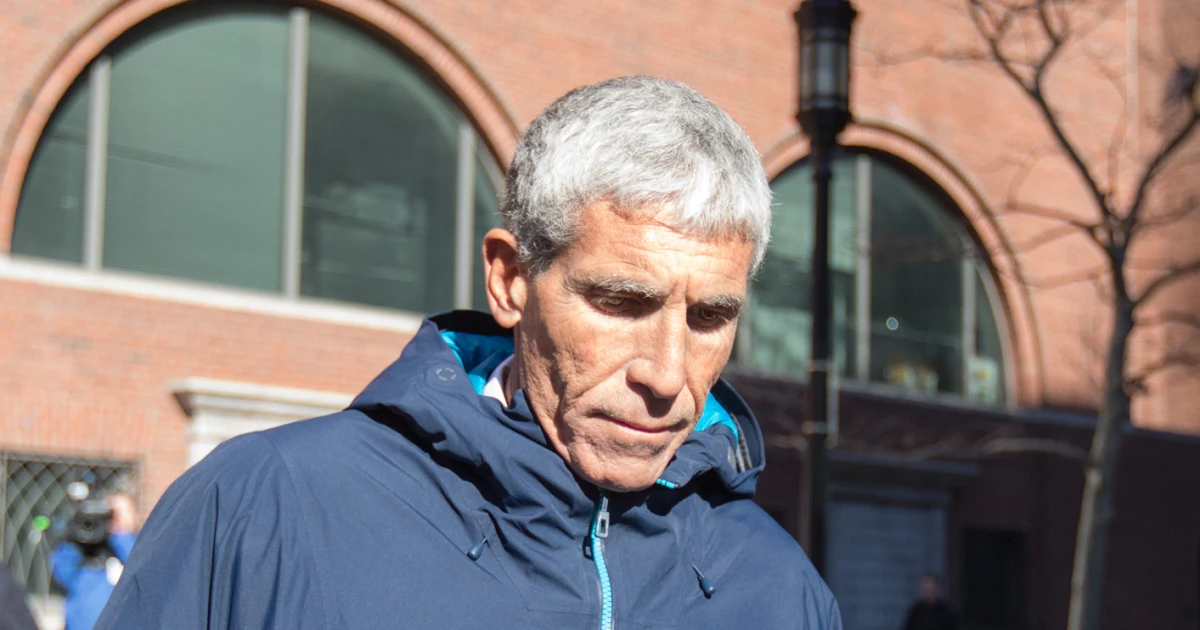
A federal judge has allowed Rick Singer, the mastermind behind the Varsity Blues college admissions scandal, to resume working as a college consultant, provided he discloses his criminal record to clients, after he was released from prison and launched a new advising company.
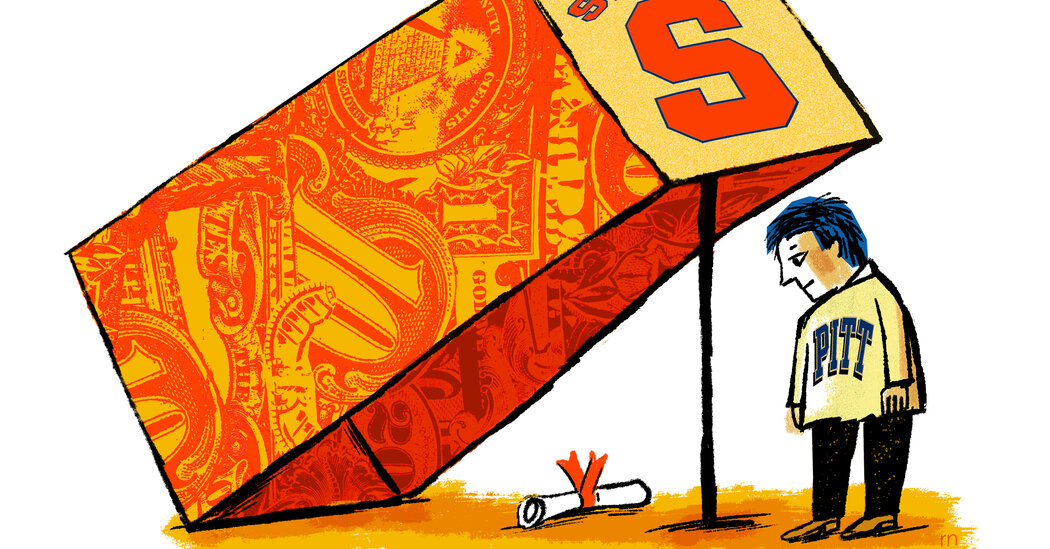
Syracuse University initially offered no merit aid to a student who had committed elsewhere, but later increased its offers significantly in an attempt to attract her, revealing a possible misjudgment of families' willingness to pay and the competitive nature of college pricing.
Problems with the new FAFSA form have caused major delays in getting applicants’ correct information to schools, leaving most high school seniors unsure of how much college will cost them next school year and making it difficult to decide where to enroll by the typical May 1 deadline. The botched rollout and glitches in the new application are causing stress and uncertainty for students and families, potentially preventing some low-income students from enrolling at a college this fall.
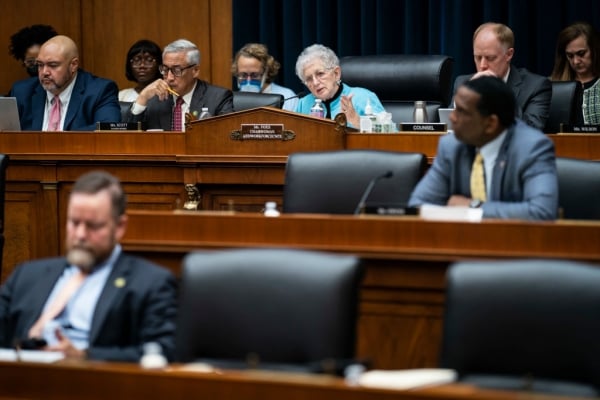
The House higher education subcommittee held a hearing to scrutinize the botched launch of the new FAFSA, which has caused disruptions and shaken confidence in the Education Department. Lawmakers expressed frustration with the Biden administration's handling of the FAFSA, and witnesses gave critical testimony, grading the roll-out poorly. The hearing highlighted bipartisan frustration with the FAFSA roll-out, with Republicans calling for more oversight and Democrats emphasizing the need to support students. The Education Department shared new data about issues with the FAFSA launch and outlined plans to address the problems.
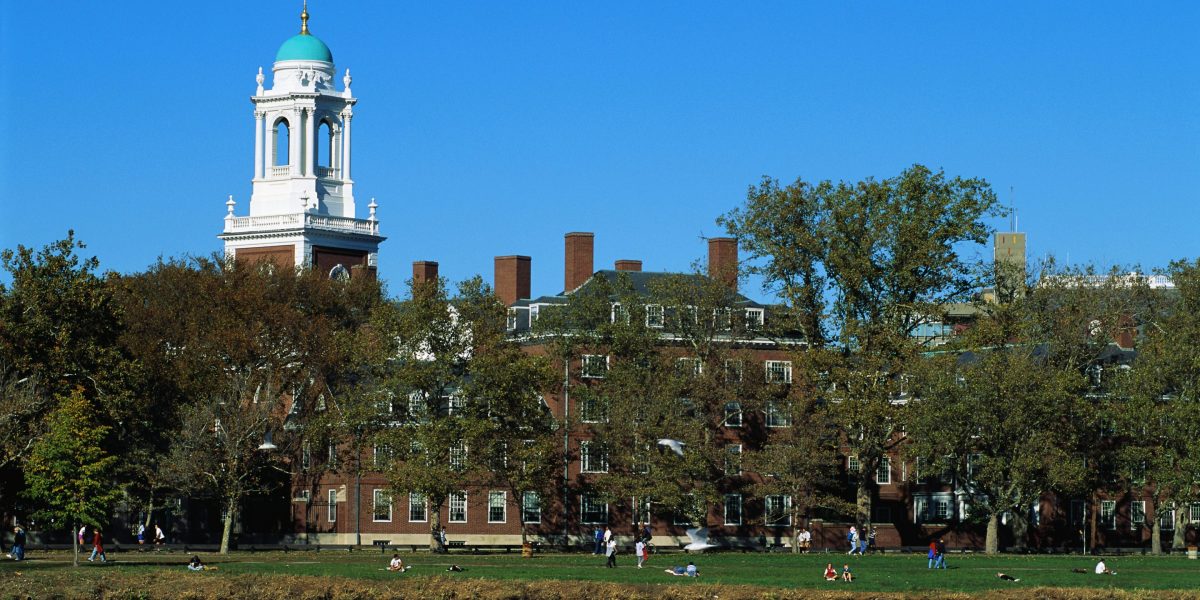
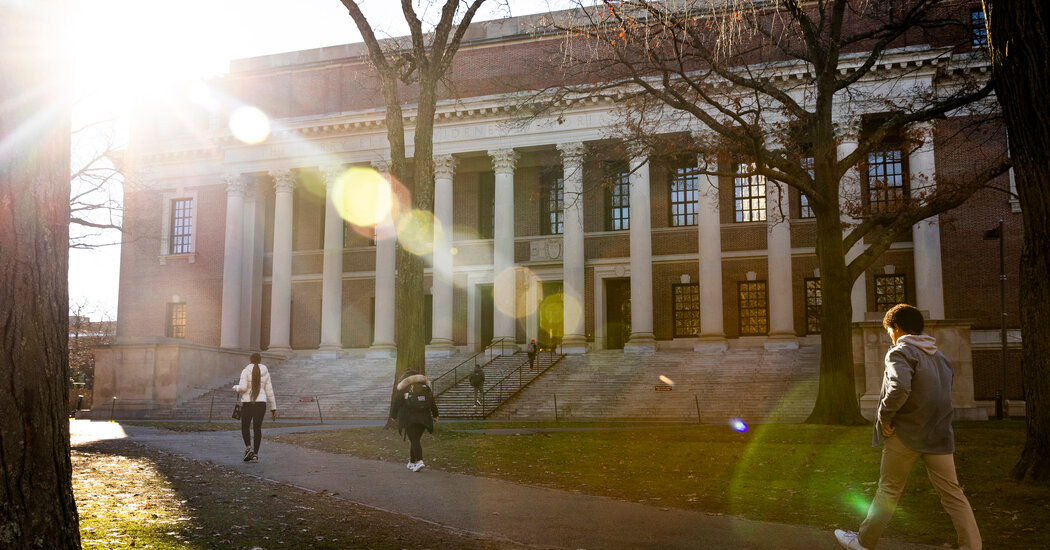
Harvard College saw a 5% decrease in applications for the upcoming freshman class, while rival universities like Yale, Duke, Dartmouth, and the University of Pennsylvania reported increases. The decline in applications to Harvard comes amid a period of turmoil, including the resignation of its president and a Supreme Court defeat. The admissions landscape is being closely watched after a Supreme Court ruling against Harvard and the University of North Carolina regarding race in admissions. Harvard disclosed data showing a 17% decline in non-binding early admissions, fueling concerns about the school's reputation. The school admitted 1,937 students for the upcoming class, with plans to provide full financial support to students from families with incomes of $85,000 or less.
Colleges and universities are facing technical problems with the Free Application for Federal Student Aid (FAFSA) as errors in processed forms, including blank fields, incorrect tax data, and miscalculated eligibility for federal grants, are causing delays in aid offers for students. The Education Department has acknowledged some errors but has yet to provide a definitive timeline for resolving them, leading to concerns among college leaders about the accuracy of the data. Additionally, a high percentage of records must be returned to applicants for correction, and colleges fear that some students won't receive financial aid offers until May, prompting flexibility with enrollment deadlines.
Harvard College experienced a decrease in applications this year, while other highly selective schools, except for Brown University, saw a surge in applicants. The decline in Harvard's applications is speculated to be linked to a year of turmoil, including controversies and a historic Supreme Court decision on affirmative action. Despite this, the college remains optimistic about the talents and experiences of the incoming class.
Harvard College accepted 3.59 percent of applicants to its Class of 2028, marking the highest acceptance rate in four years. The admissions cycle was the first since the fall of affirmative action, which prohibited the consideration of race during the process. The College offered admission to 1,245 applicants, with a total of 1,937 students admitted. Notably, race and ethnicity data for the incoming class was not released, and tuition continued to rise. The Class of 2028 is diverse, with students from all 50 states and over 94 countries, and the College remains test-optional through the Class of 2030. Students have until May 1 to accept or deny their offers of admission.
Several universities in the US are reinstating standardized testing requirements for undergraduate applicants after finding that test-optional policies have hurt minority students. The move comes after concerns that dropping testing requirements may have been viewed as a way to increase the applicant pool. While some argue that standardized testing disproportionately favors students from privileged backgrounds, others believe that reintegrating standardized testing alongside other factors will pave the way for a more fair admissions process. The debate continues as some argue that maintaining SAT test-optional policies is imperative for advancing equity and diversity in college admissions.