Microsoft's Copilot service is set to receive several new features, including OpenAI's latest GPT-4 Turbo models, an updated DALL-E 3 model, a code interpreter, and deep search functionality within Bing. Copilot will soon utilize the GPT-4 Turbo model, allowing for a larger context window and improved responses. The DALL-E 3 model has been enhanced for higher quality image creation. Additionally, a code interpreter feature will enable Copilot to provide accurate calculations and code generation. Microsoft is also introducing "Deep Search" in Bing, leveraging GPT-4 to deliver more comprehensive and relevant search results.
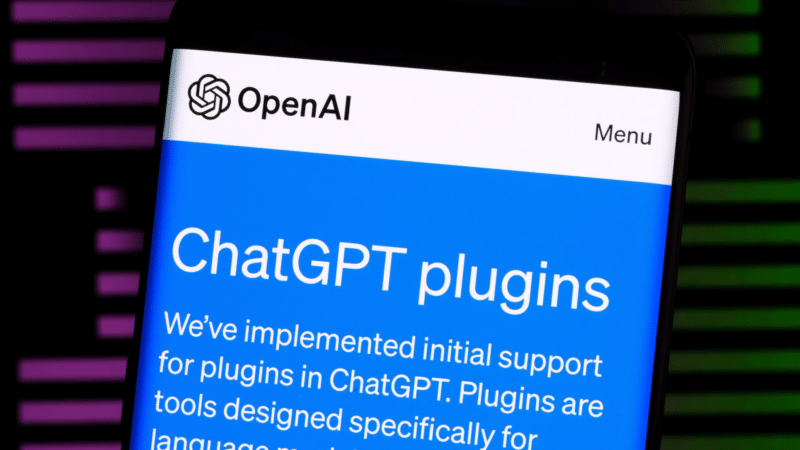
OpenAI's Code Interpreter, an experimental ChatGPT model, has the potential to revolutionize PPC marketing by allowing users to upload and analyze various file types, perform analytics and visualization tasks, and quickly extract actionable insights from large datasets. The plugin can generate graphs, heatmaps, and correlation analyses, making it easier for marketers to identify opportunities for optimization and communicate findings to clients or leadership teams. As the tool continues to evolve, it is expected to have a significant impact on search marketers and businesses.
OpenAI has announced that all ChatGPT Plus users will now have access to Code Interpreter, an official plugin for data analytics, image conversions, and code editing. This feature allows users to run code, analyze data, create charts, edit files, and perform mathematical operations. Digital marketing professionals have found unique ways to use Code Interpreter for search engine optimization (SEO), such as analyzing search engine algorithms and user behavior to optimize content and boost site rankings. However, OpenAI is currently facing legal troubles and privacy concerns, including a recent breach of user credentials and legal action over the use of copyrighted books and personal data. OpenAI must address these concerns to maintain user trust and prevent users from turning to alternative AI chatbots.
OpenAI's ChatGPT Code Interpreter is a versatile tool that streamlines various tasks, including data interpretation, visualization, image processing, file conversions, QR code creation, financial data analysis, data-based predictions, interacting with personal data, optimizing Python code, and crafting presentations from datasets. This feature has the potential to revolutionize digital tasks and improve productivity in research, data analysis, and other fields.
OpenAI has launched the Code Interpreter plugin for ChatGPT Plus users, offering functionalities that could potentially replace data scientists by enabling tasks such as data analysis, chart creation, file editing, math operations, and code execution. The plugin provides tools commonly used by data scientists, including data visualization and transformation. OpenAI is addressing safety concerns related to user data security and privacy, actively working on improving plugin security. Despite these concerns, OpenAI continues to make announcements, including plans for achieving super alignment and the general availability of the GPT-4 API.
OpenAI has announced a new ChatGPT Code Interpreter plugin that can revolutionize programmer workflows by transforming data into more digestible formats and generating clean Python code. The tool has also been used to prove to flat Earthers that the Earth is round, using code-based demonstrations that show how the Earth's curvature affects the stars we see and why certain constellations are only visible from specific locations. The ChatGPT Code Interpreter opens up possibilities for efficient workflows and settling age-old debates.
OpenAI's new Code Interpreter tool, integrated into the ChatGPT platform, allows users to run code, analyze data, create charts, edit files, and perform math, making it a valuable tool for data analysis. Wharton professor Ethan Mollick praises the tool, stating that tasks that took him weeks to master in his Ph.D. can now be completed in seconds with fewer errors. Code Interpreter's ability to reason about data in a human-like manner and its potential to automate tedious work and democratize access to complex data analysis make it a promising application of AI technology.