
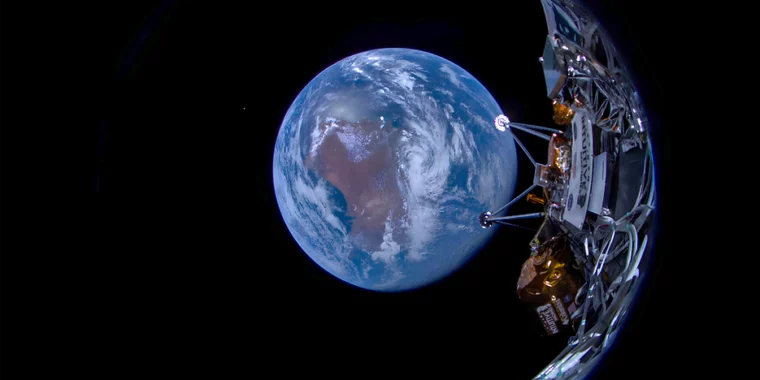
NASA's science division faces a quandary as it seeks to send experiments and payloads to the Moon within a limited budget. With the resurgence of interest in lunar exploration and the emergence of the commercial space industry, NASA is considering incentivizing private companies to develop small lunar landers. This approach presents risks due to the technical challenges of landing on the Moon and the need to accept potential failures, but it offers a cost-effective alternative to traditional, expensive missions.

Russian President Vladimir Putin announced plans to have the first segment of Russia's new orbital station operational by 2027, as part of the country's continued efforts in space exploration. Putin emphasized the need for the development of the new station to keep pace with advancements in manned space flight and to ensure Russia's capabilities in the field. He also expressed commitment to Russia's lunar program despite the recent failure of its first moonshot in 47 years. The Russian space agency, Roscosmos, supported Putin's stance, highlighting the aging International Space Station and the necessity of a Russian orbital station to fill the gap when the ISS reaches the end of its lifespan.