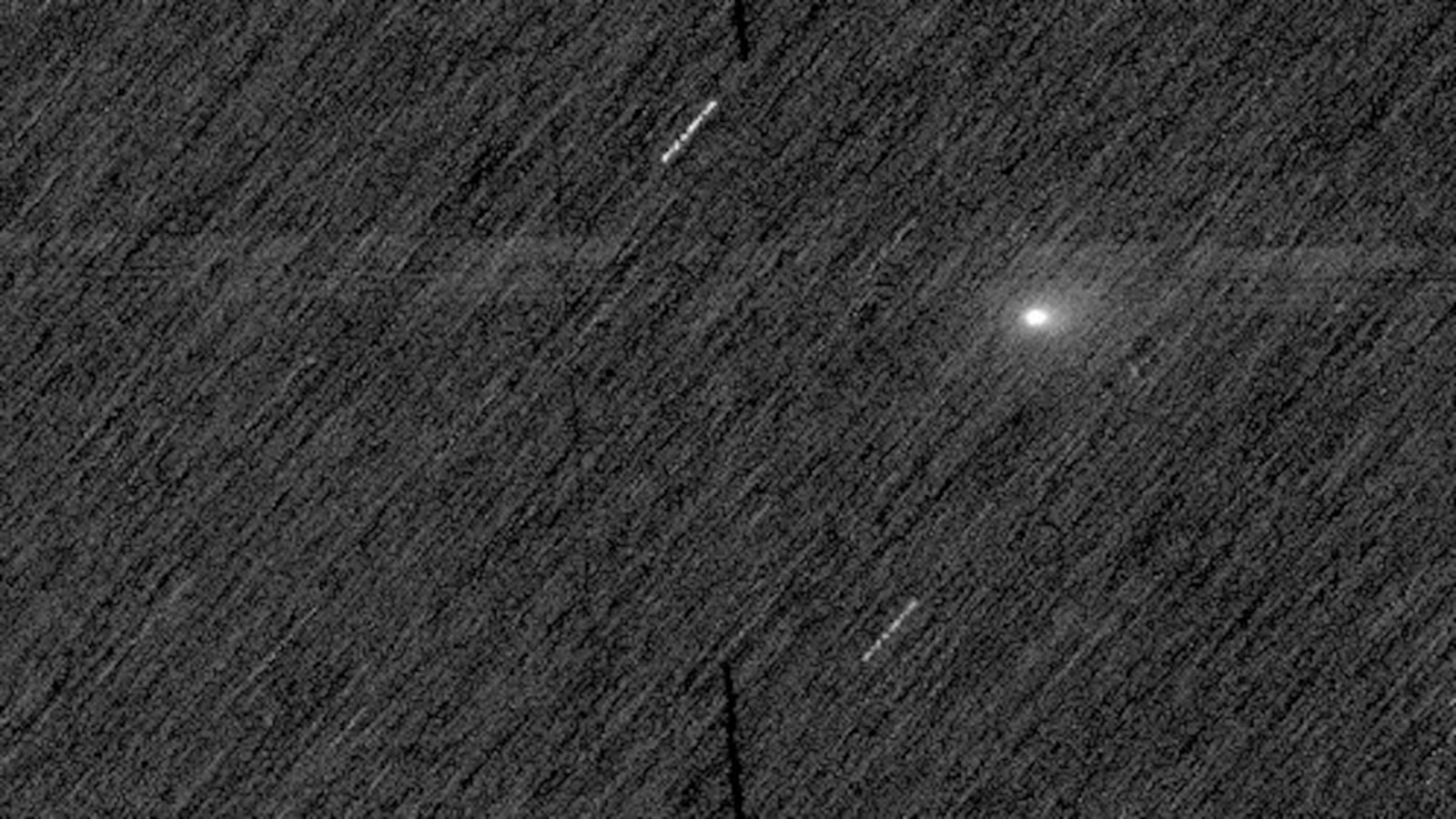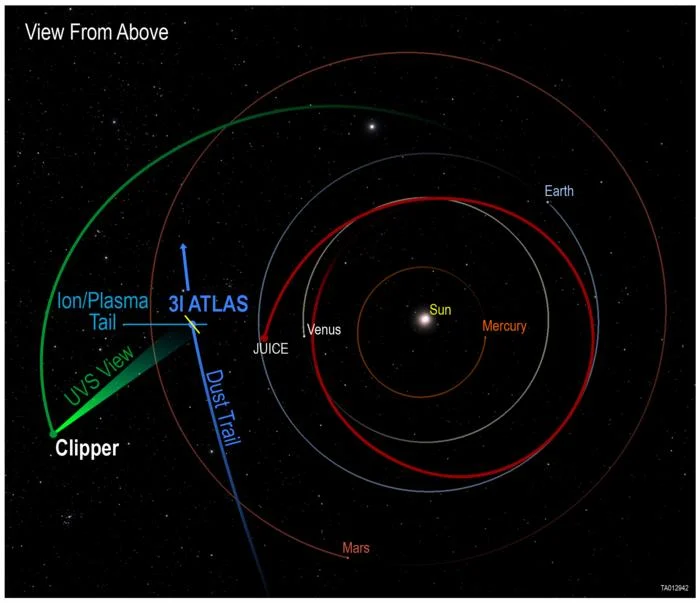
NASA's Europa Clipper spacecraft, during its journey to Jupiter, observed interstellar comet 3I/ATLAS from a unique vantage point, capturing detailed images of its tails and gaining insights into its composition and behavior as it passes close to the Sun, with additional observations from ESA's JUICE spacecraft enhancing the data.
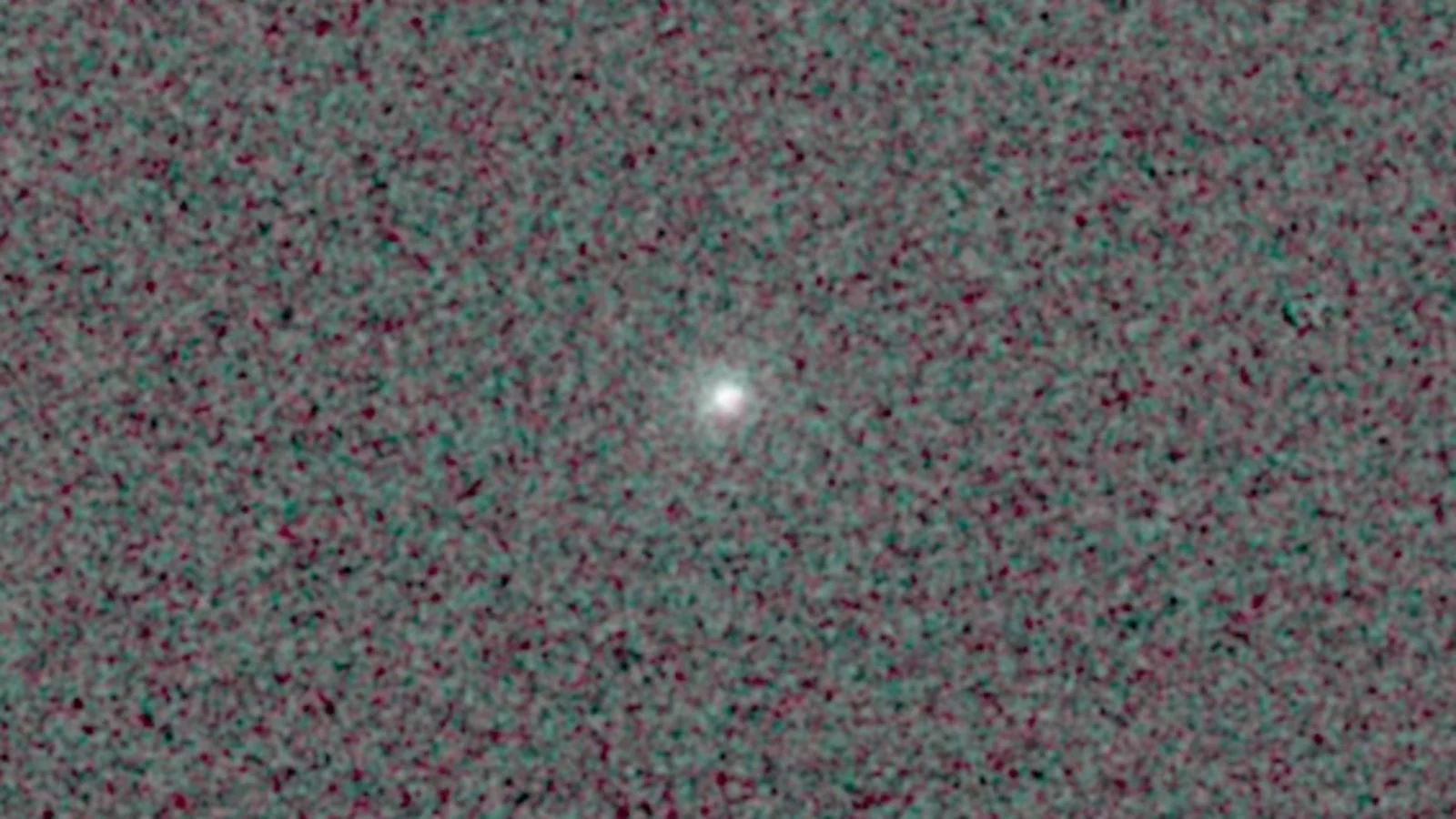
Amateur astronomers can now observe interstellar comet 3I/ATLAS returning to the pre-dawn sky in November, with visibility expected to improve over the next few weeks as it moves away from the Sun. The comet, the third known interstellar visitor to our solar system, was captured by Qicheng Zhang and is visible near the constellation Virgo before sunrise, though it may fade quickly.
New observations suggest that the interstellar comet 3I/ATLAS may be turning blue for the third time, possibly due to gas leaks, after a brightening event; its color changes have been temporary and further study is ongoing as it approaches Earth.
Astronomers captured rare images of the interstellar comet 3I/ATLAS as it passed near Mars, using ESA's Mars orbiters, marking only the third interstellar object observed in our solar system. The comet, which is possibly the oldest and largest ever seen, is being studied to understand its composition and origin.
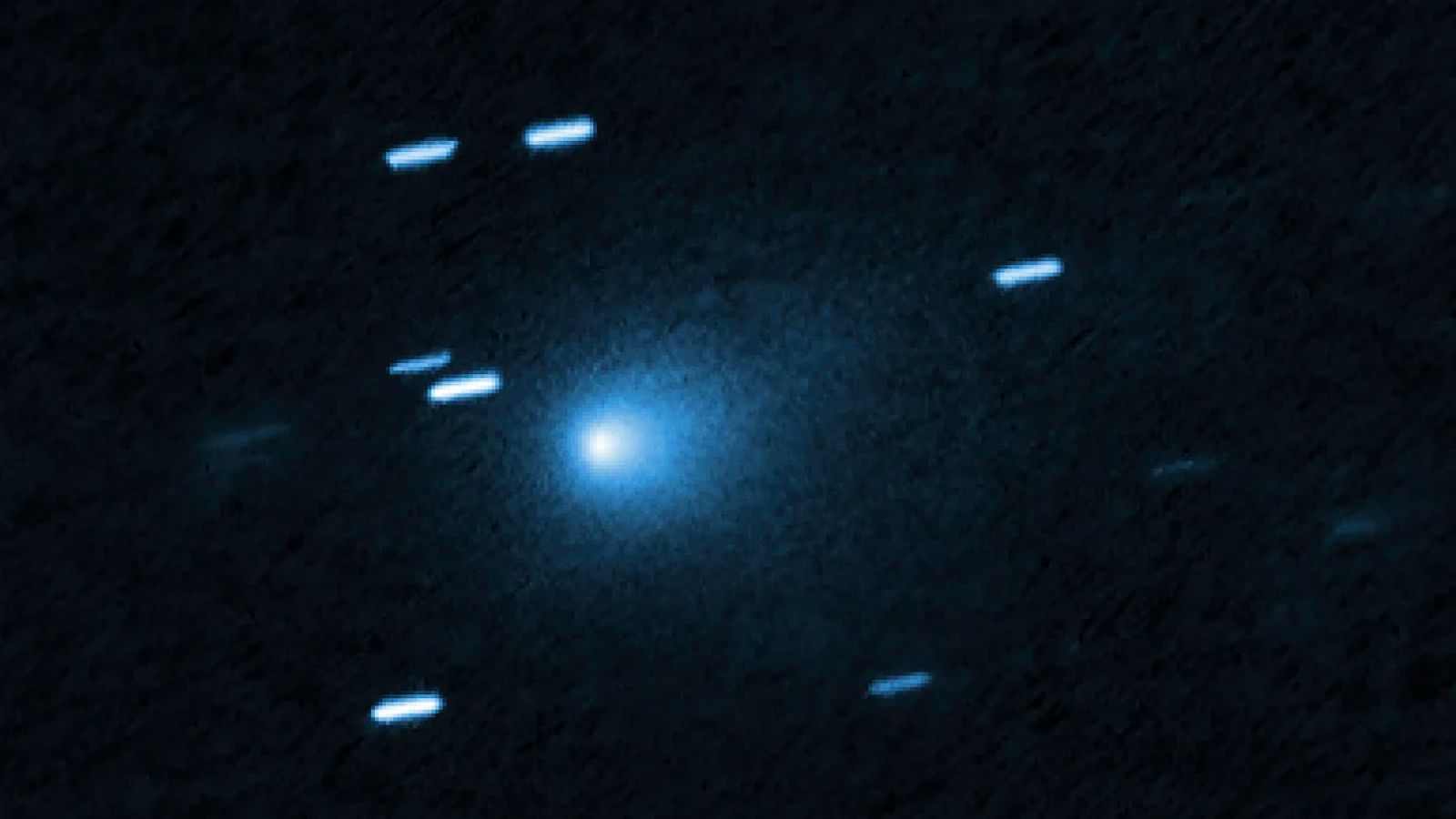
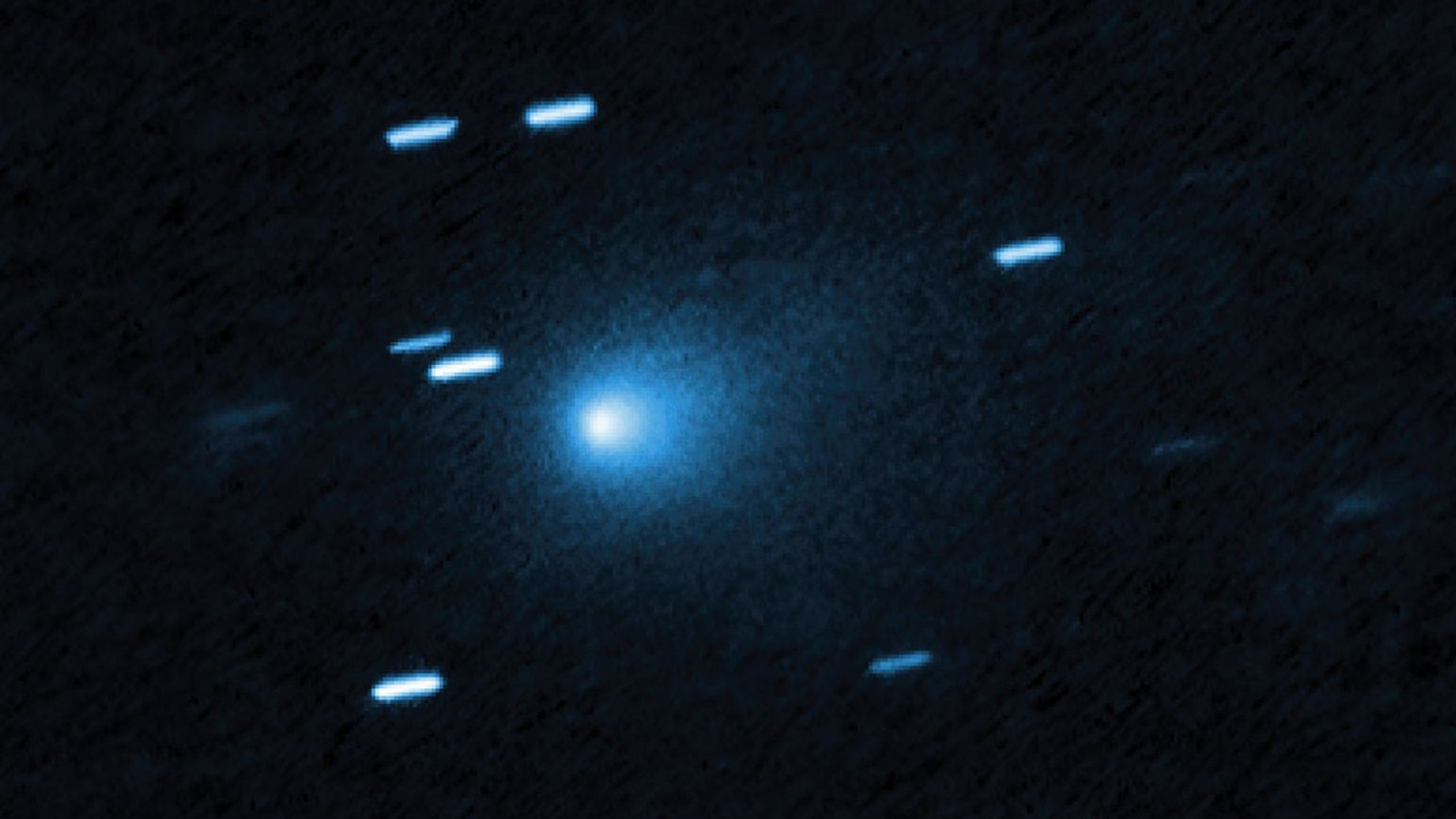
The Hubble Space Telescope captured the clearest image yet of the interstellar comet 3I/ATLAS, revealing it as a typical comet with a dust-filled coma and hints of a tail, while its high velocity and trajectory confirm its interstellar origin. Discovered in 2025, it is passing through our solar system at an unprecedented speed and will leave forever, offering a rare opportunity to study a comet from beyond our solar system.