
Congo Basin peatlands leak carbon, challenging its sink status
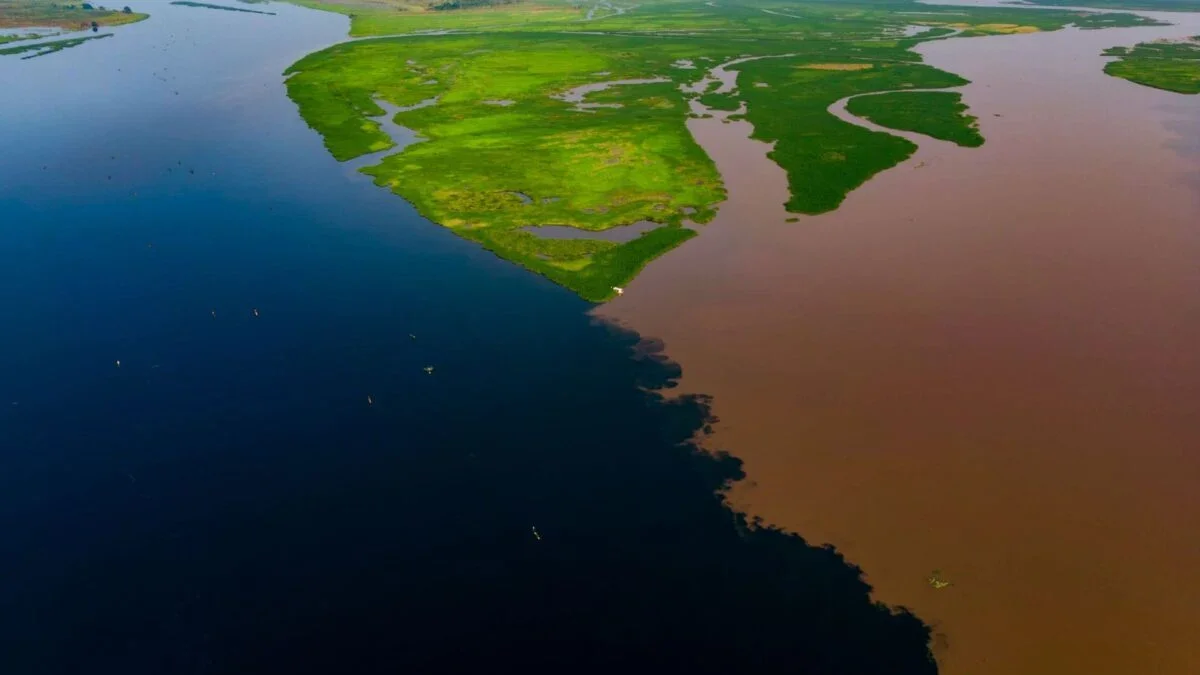
A Nature Geoscience study finds two Congo Basin lakes, Mai Ndombe and Lac Tumba, releasing carbon from ancient peat, challenging the idea that the region is a strict carbon sink. About 39–40% of the lakes’ carbon comes from peat, with Mai Ndombe potentially emitting more than 150 gigatons of ancient carbon annually. Microbial activity may convert peat carbon to methane that then becomes CO2, and warming or land-use changes could accelerate release. The basin’s peatlands cover only about 0.3% of Earth's land surface but hold roughly 30 billion tonnes of carbon—one-third of tropical peatland carbon—raising concerns about a climate feedback loop unless the carbon budget can be better constrained; researchers plan further work to understand mechanisms and the 12,000-year history of these emissions.
- Earth’s Largest Land-Based Carbon Sink Has Sprung a Disturbing Leak Gizmodo
- Peatland lakes in Congo Basin release carbon that is thousands of years old Phys.org
- Millennial-aged peat carbon outgassed by large humic lakes in the Congo Basin Nature
- Bot Verification ScienceBlog.com
- Congo Lakes (Mai Ndombe and Tumba) INSIGHTS IAS
Reading Insights
1
3
3 min
vs 5 min read
85%
809 → 123 words
Want the full story? Read the original article
Read on Gizmodo