Tag

Carbon Sink

All articles tagged with #carbon sink

science2 months ago

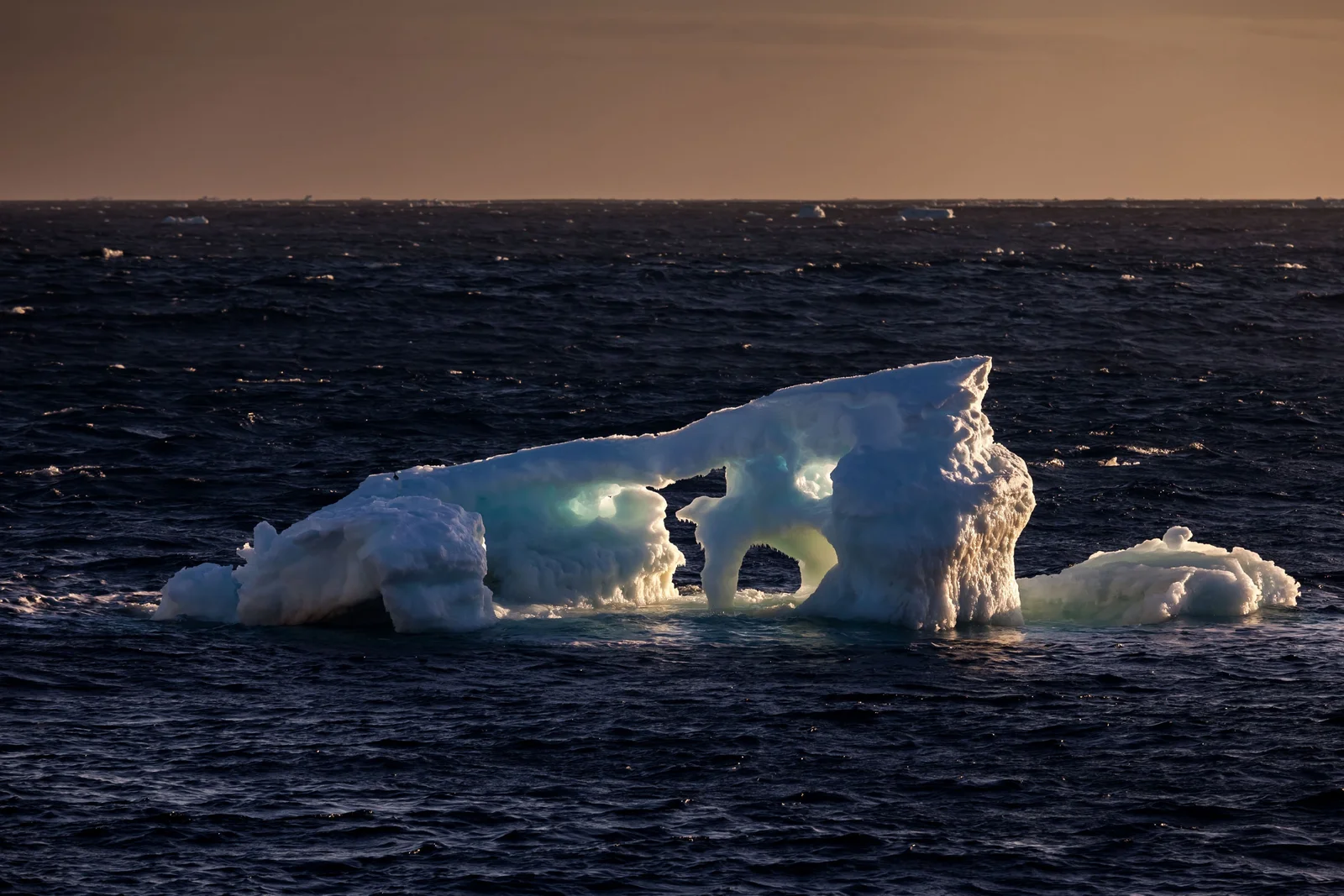
Southern Ocean's Hidden Role in Climate Change Revealed

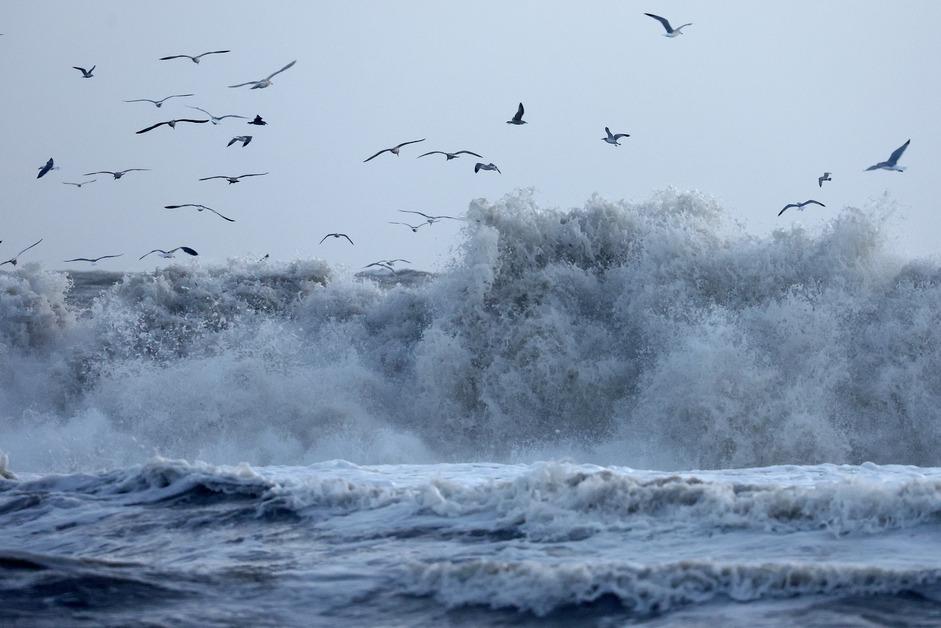
A study reveals that despite climate change predictions, the Southern Ocean continues to absorb CO2 due to increased freshwater input from melting glaciers and sea ice, which enhances water stratification and temporarily prevents deep water from releasing stored CO2. However, ongoing wind strengthening may soon disrupt this balance, potentially reducing the ocean's capacity to act as a carbon sink and accelerating climate change.

environment3 months ago

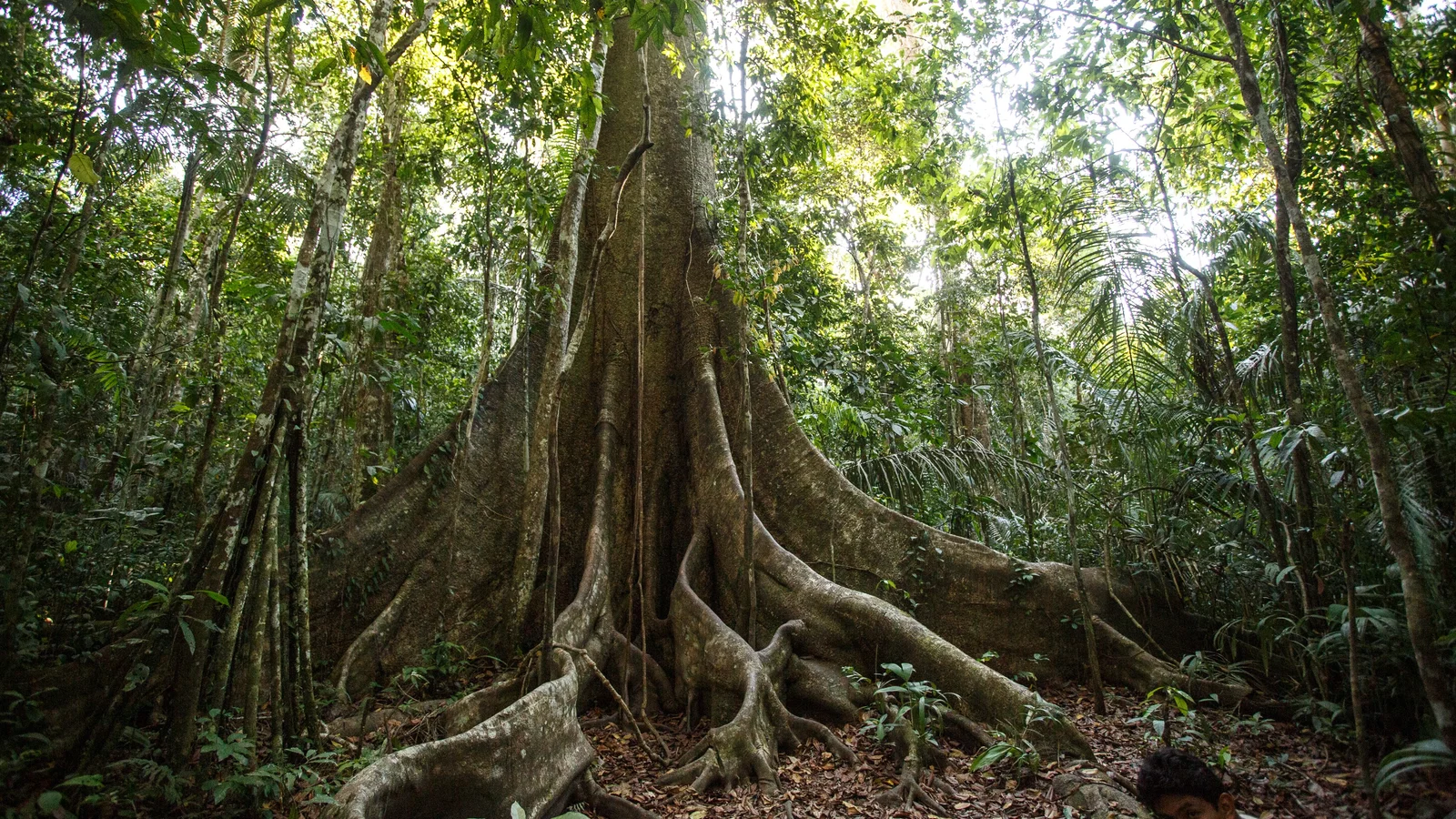
Amazonian Trees Grow Larger and More Resilient Amid Rising CO₂ Levels

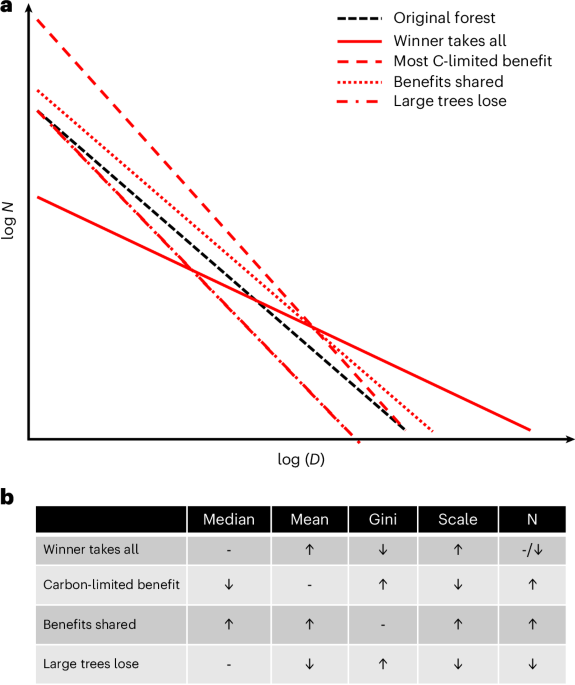
Over three decades, Amazonian forests have experienced an increase in tree size and biomass, especially among large trees, likely driven by increased atmospheric CO2 levels, with no evidence of decline in large trees despite climate-related stresses. This suggests a strengthening of the forest carbon sink, with structural changes favoring larger trees, although declines in smaller stems may impact future resilience.

environment2 years ago

"Rising Temperatures Fuel Vines' Threat to Earth's Carbon Sink"

Warmer temperatures are driving the takeover of the world's forests by woody vines, threatening their role in storing carbon and cooling the atmosphere. A global study has identified tropical forests at low elevation as the most vulnerable, with mean annual temperatures above 27.8°C and reduced rainfall being key factors. The dominance of lianas, a type of woody vine, hinders forest recovery following disturbances and poses a threat to the global carbon sink. Efforts are underway to understand and manage the impact of these vines on forests and the environment.

environment2 years ago

Arctic Ocean's Carbon Emissions Escalate with Warming Waters

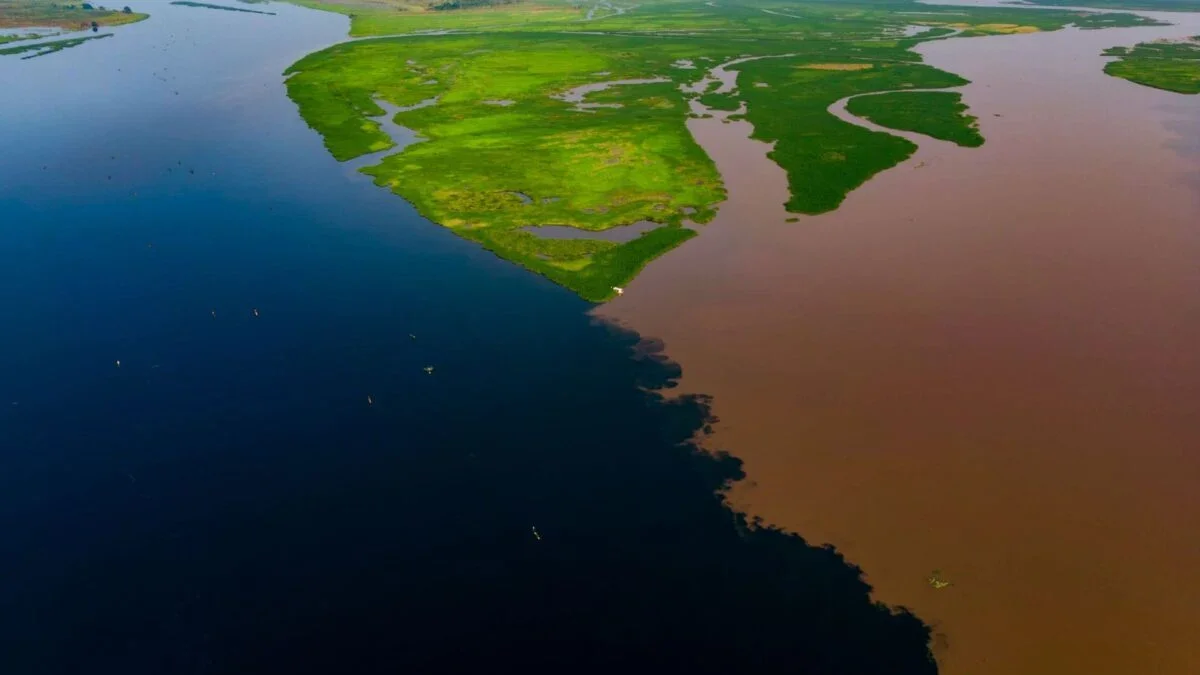
Warming waters in the Arctic Ocean, particularly in the Beaufort Sea region, are causing the ocean to release more carbon dioxide than it absorbs, according to a study by NASA's Jet Propulsion Laboratory. The culprit is the runoff from Canada's Mackenzie River, which carries carbon and sediment into the ocean, resulting in outgassing. The warmer temperatures in recent years have led to increased thawing and runoff, triggering a net release of carbon dioxide equivalent to the annual emissions of 28,000 gasoline-powered cars. This study highlights the significant impact of small changes in the ocean on the global carbon cycle.

environment2 years ago

"Biden Administration's Bold Actions to Safeguard Old-Growth Forests and Combat Climate Change"

The Biden administration has proposed new measures to conserve and restore the nation's old-growth forests, aiming to combat greenhouse gas emissions and address climate change. The proposal seeks to amend forest land management plans across the country, with a focus on preserving and restoring old-growth and mature forests. These forests play a crucial role in absorbing carbon dioxide and are well-suited to store more carbon than younger forests. The initiative aligns with President Biden's Earth Day Executive Order and includes updating the Northwest Forest Plan to enhance climate resilience.

environment2 years ago

"Unveiling Nature's Secret: Plants' Remarkable CO2 Absorption Capacity Exceeds Expectations"

New research suggests that plants may be able to absorb more atmospheric CO2 than previously believed, offering hope in combating climate change. The study found that incorporating critical physiological processes in plant modeling resulted in stronger and sustained carbon uptake until the end of the 21st century. However, scientists emphasize the continued importance of reducing emissions, as planting trees alone is not a sufficient solution. The findings highlight the potential of nature-based solutions like reforestation and afforestation in mitigating climate change, but emissions reduction remains crucial.

environment2 years ago

The Climate Solution Beneath Our Feet: Fungi's Role in Carbon Storage.

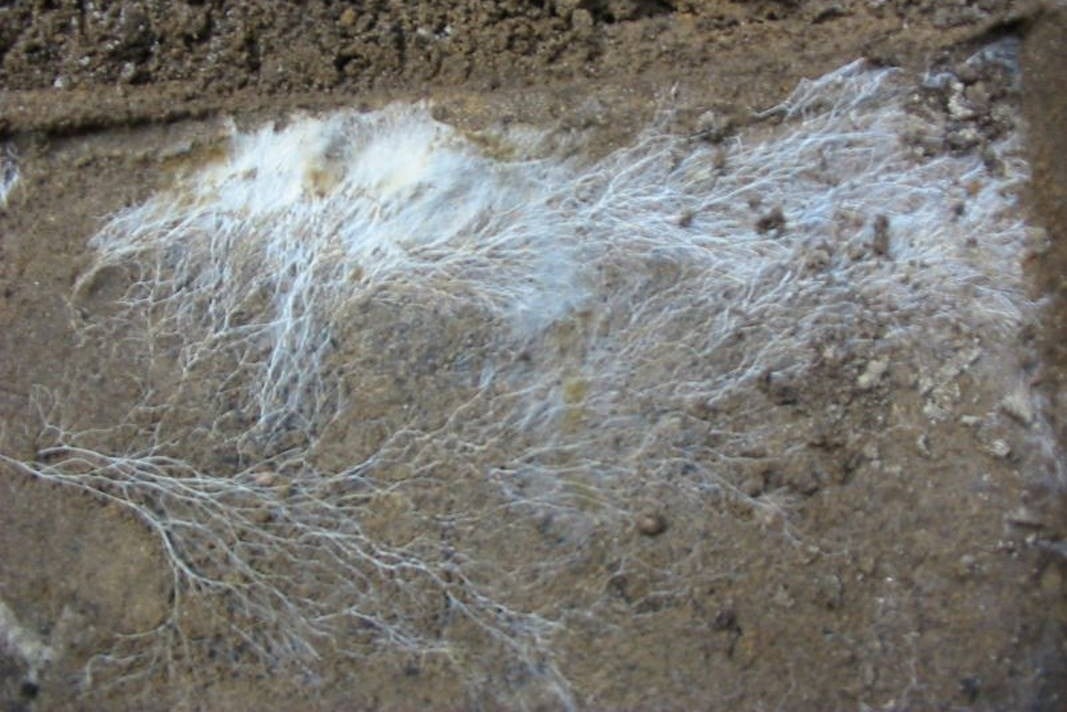
Fungi, specifically their vast network of roots known as mycelia, hold a third of the annually emitted carbon dioxide emissions on Earth, making the soil beneath our feet the biggest carbon sink in the world. An international team of researchers pooled data from hundreds of studies on plant-soil processes to make this discovery. Mycelium can be grown extremely fast, while producing mushrooms as a food source, making them a potential solution to managing fossil fuel emissions. The researchers are now investigating how long carbon is stored by the fungi and are seeking to further explore how it boosts ecosystems.

science2 years ago

The Impact of Ocean Currents on Climate.

Ocean currents play a crucial role in distributing heat, nutrients, and gases that contribute to weather and climate. Climate change is speeding up global ocean currents, affecting migration patterns for marine species and potentially leaving more heat to be absorbed in the atmosphere. The ocean is also the world's largest carbon sink, but rising temperatures have doubled the frequency of marine heatwaves, causing irreversible loss of marine biodiversity, ice melts, and sea level rise.