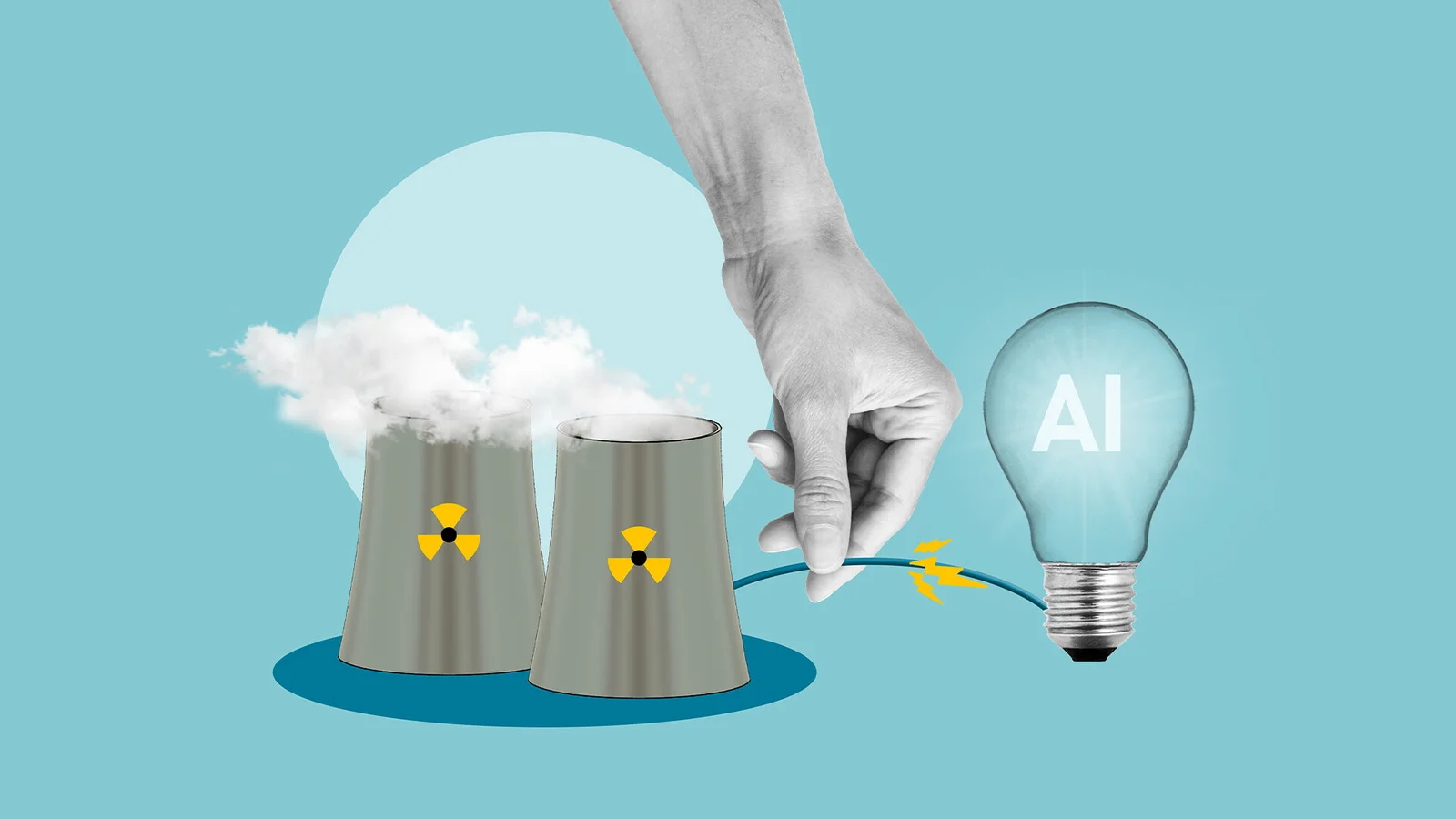
A study finds that AI adoption in the US could add about 900,000 tons of CO₂ annually, a small fraction of national emissions, highlighting the need for energy-efficient AI development as adoption grows.
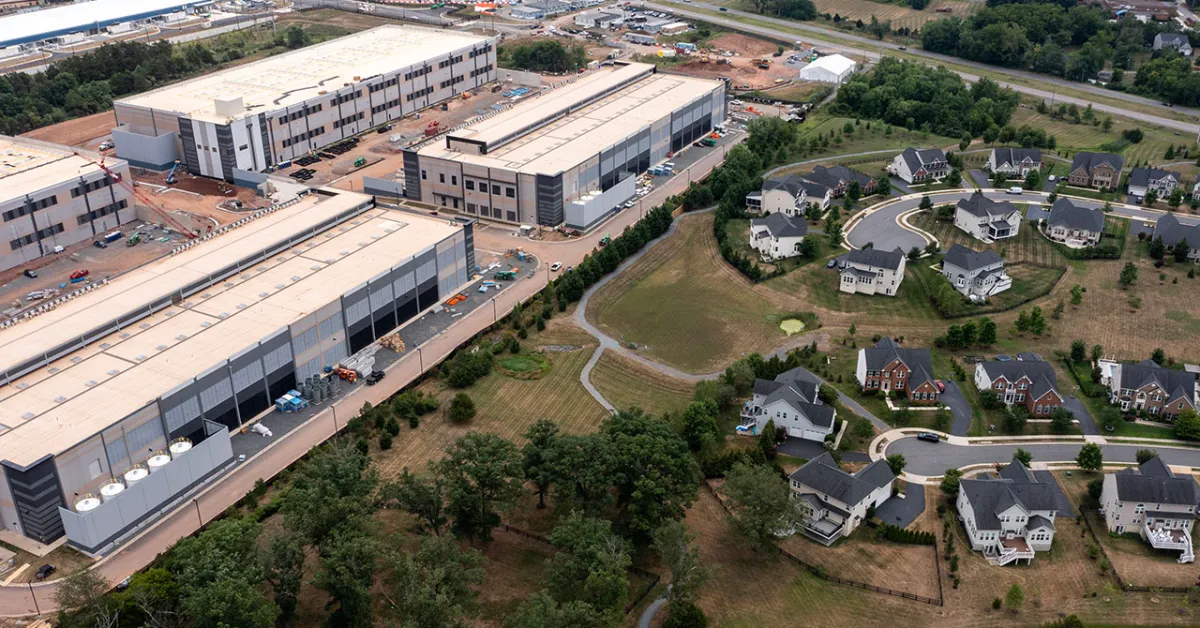
The rapid expansion of U.S. data centers driven by AI development is significantly increasing energy consumption, primarily powered by natural gas and renewables, raising concerns about environmental impact and higher electricity bills for Americans, with public opinion divided on AI's environmental effects.
Engineers at Stanford University have developed colorful paints that can significantly reduce energy use for heating and cooling in buildings. These paints, which reflect infrared heat, can keep buildings cooler in the summer and warmer in the winter without using energy. In laboratory experiments, the paints reduced heating energy use by 36% and cooling energy use by 21%. Computer simulations showed a potential 7.4% reduction in total HVAC energy use for a typical mid-rise apartment building. The paints, available in various colors, are also water-repellant and stable in different climates.
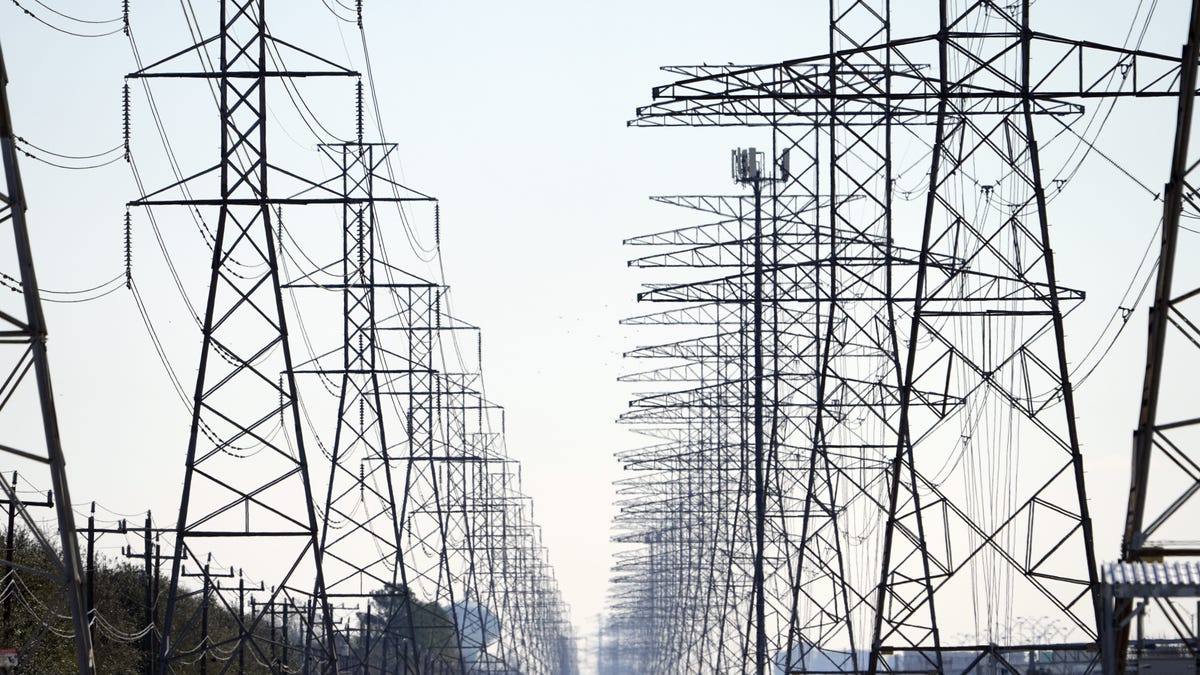
The Electric Reliability Council of Texas (ERCOT) has issued a voluntary conservation notice due to extreme temperatures and high demand for electricity. Texans are asked to reduce electricity use, while government agencies are requested to implement energy-saving programs. ERCOT recommends raising thermostats, avoiding large appliance usage, turning off non-essential lights and appliances, and running pool pumps early in the morning or overnight. Austin and other parts of Texas have been experiencing record-breaking heat waves, with temperatures expected to peak at 107 degrees on Thursday. The conservation notice aims to lower demand during peak hours and does not indicate an emergency or grid reliability issues.
The Electric Reliability Council of Texas (ERCOT) issued a weather watch from June 15-21 due to forecasted higher temperatures and higher electrical demand. ERCOT's 6-day Supply and Demand dashboard shows the possibility of a new all-time peak demand record later this week. People are urged to keep an eye on the grid and plan ahead to reduce energy use. ERCOT hopes the TXANS system will help increase transparency and trust.
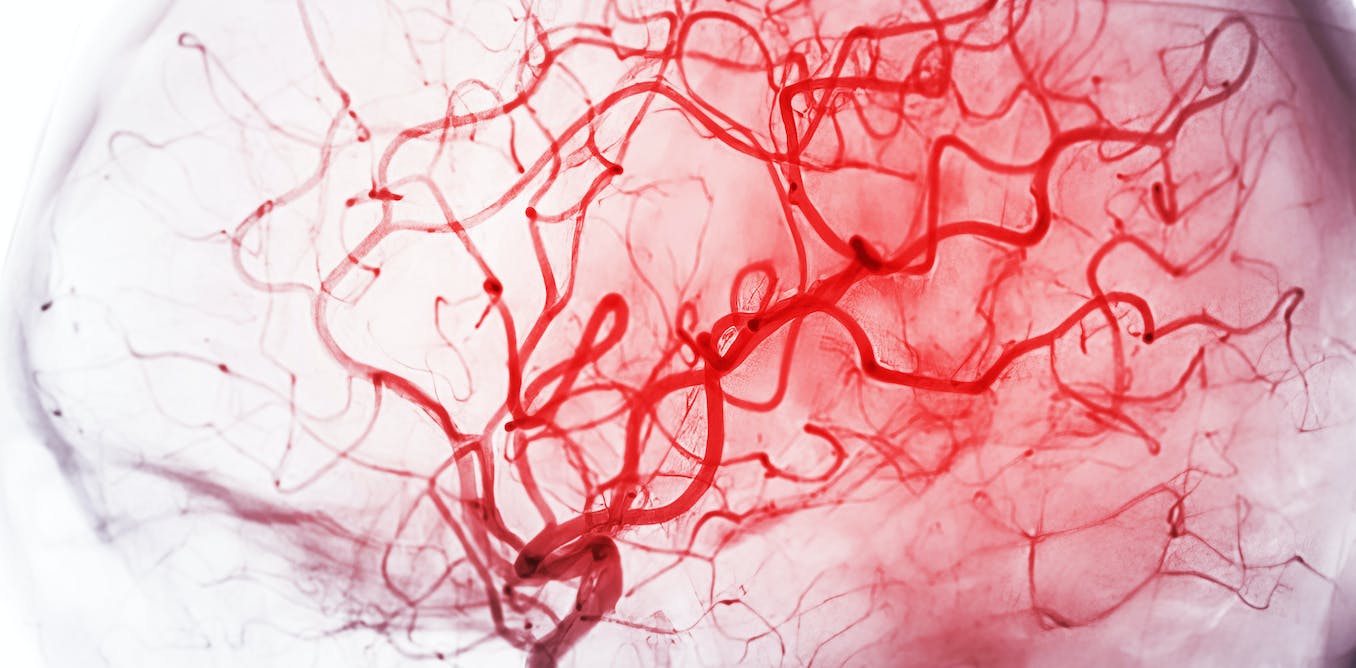
Neuroscientists have discovered that blood flows in the brain like water down rivers, where it can, not where it is needed. This implies that the brain actually uses blood as it is supplied. The inability to multitask might have its origins in blood flow to the brain being supply-limited, not demand-based. The parts of the brain with the highest densities of neurons will be the first to be affected when there is a shortage of blood supply, just like the largest cities feel the pain of a drought before smaller ones. Taking care of the capillaries that keep neurons supplied with blood through a healthy diet and exercise may help maintain brain health in old age.
Norwegian arms manufacturer Nammo is struggling to keep up with the surging demand for ammunition due to TikTok's data center using all the electricity in the region, according to CEO Morten Brandtzæg. The demand for artillery rounds is 15 times higher than normal, driven by the war in Ukraine. Nammo's defense work gets no priority over any other users of electricity, and the energy company has no spare capacity for Nammo to hike its output as it has already been promised to TikTok. Tech giants like TikTok have faced criticism for their energy use, which is causing issues for other industries.