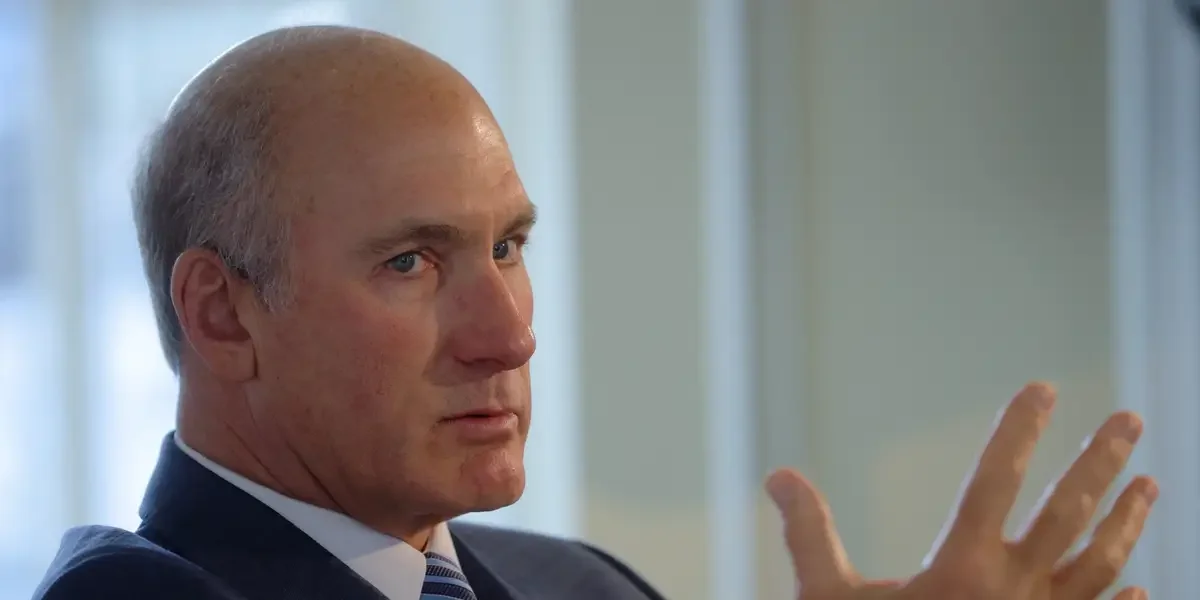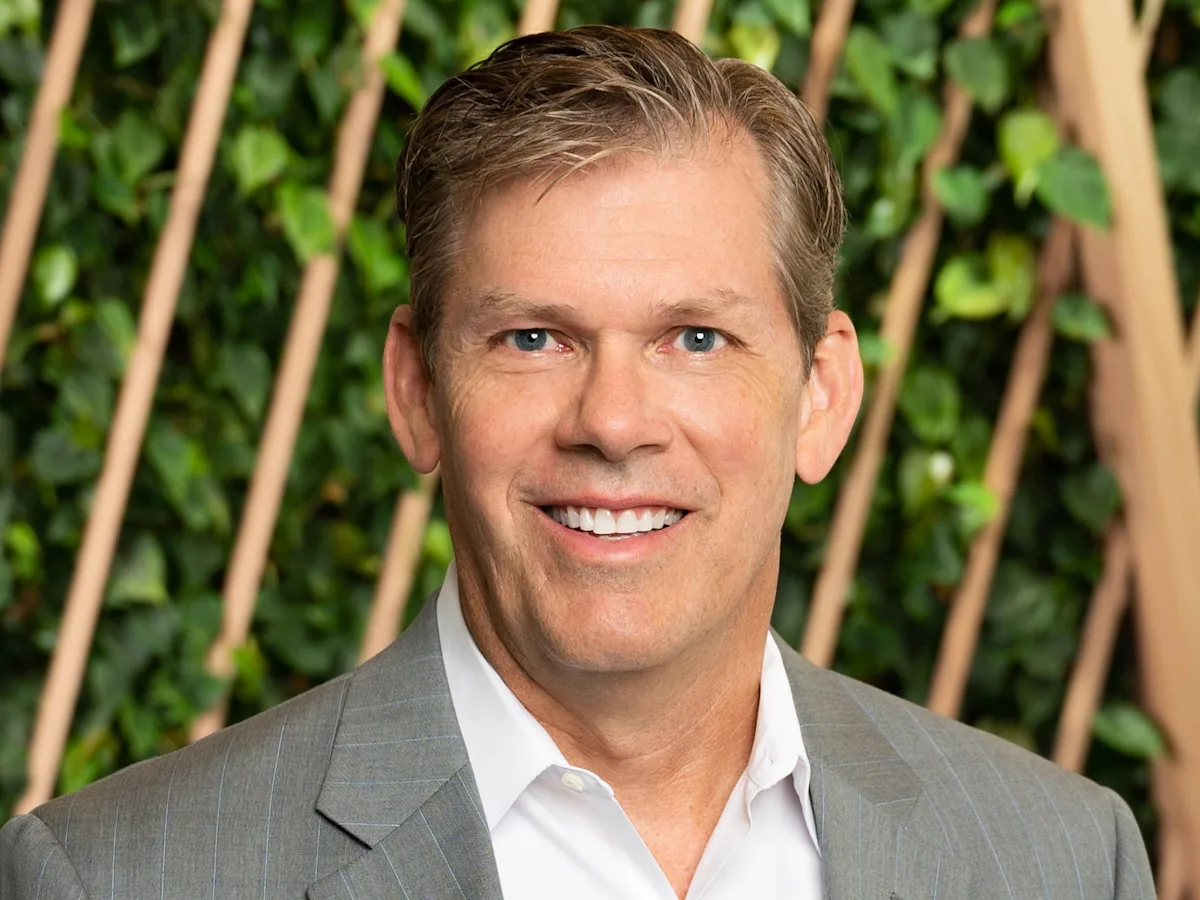
Waste Management CEO Jim Fish emphasizes the importance of safety and employee rapport by regularly participating in safety briefings and riding along with workers, demonstrating that safety investments benefit long-term company health and employee well-being.
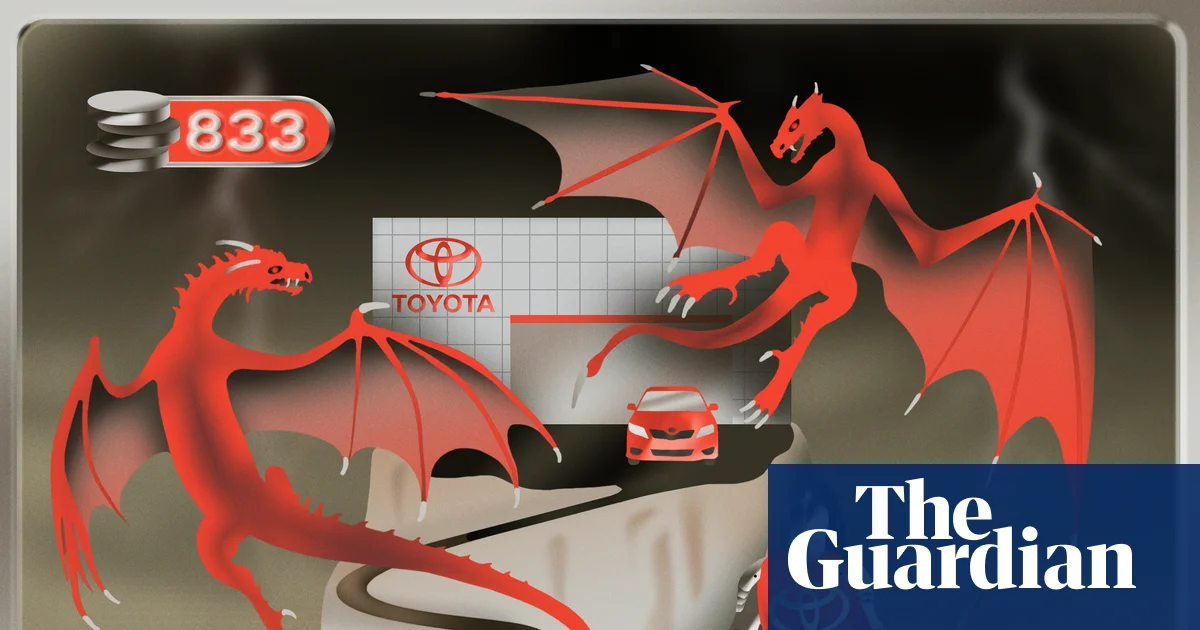
Toyota is using retro-style video games on an internal platform called Toyota Policy Drivers to encourage its US employees to lobby politicians on issues like environmental regulations, despite its public commitments to sustainability and reducing emissions. Critics argue this gamified approach to political advocacy is dystopian and undermines genuine climate action, highlighting a complex contrast between Toyota's environmental branding and its lobbying activities.
Surface acting, where leaders mask their true emotions to meet workplace demands, can lead to a cycle of exhaustion and disengagement, making it difficult for leaders to sustain genuine connections and motivation within their teams.
A new workplace phenomenon called 'quiet cracking' is affecting over half of employees, leading to disengagement and costing the global economy $438 billion in productivity, with signs similar to burnout. Employers are advised to foster open communication and provide development opportunities, while employees should assess their job satisfaction and consider career changes if necessary.
'Quiet cracking' is a rising workplace issue where employees silently struggle and disengage, showing signs similar to burnout but often going unnoticed, driven by economic uncertainty and job market conditions, with potential impacts on morale and productivity.
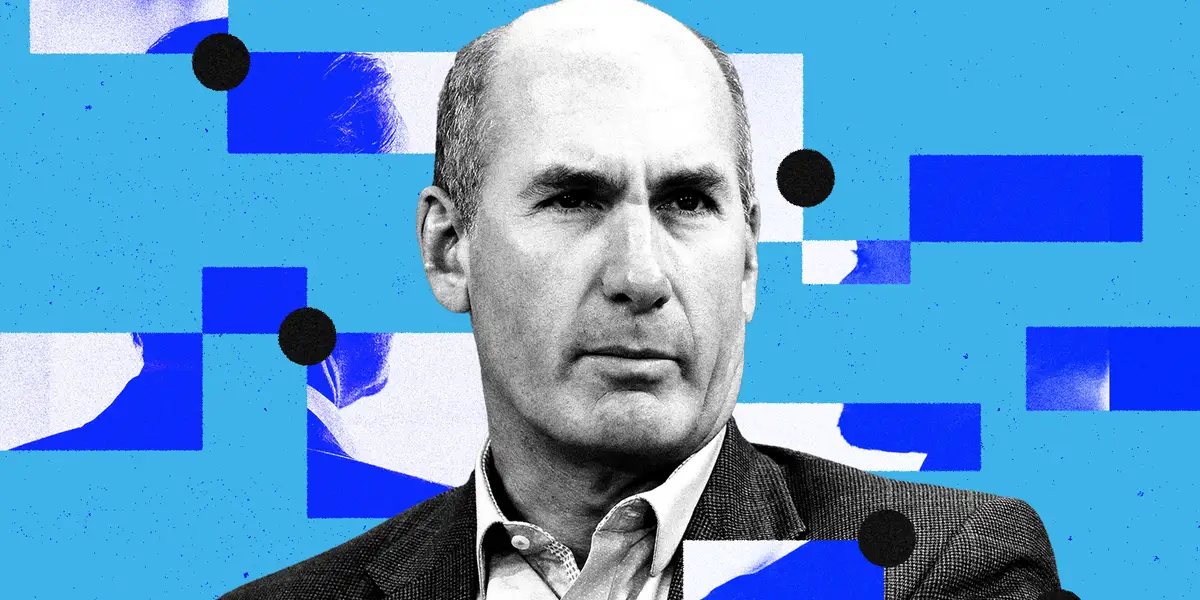
AT&T CEO John Stankey's candid memo openly acknowledges the end of traditional workplace loyalty, shifting towards a market-based approach that emphasizes transparency and basic employee rights, but also dismisses expectations of loyalty and long-term job security, reflecting a broader trend of management by fear and a changing corporate culture in the age of AI.
The article discusses the rise of 'coffee badging,' where employees briefly appear in the office to meet expectations while primarily working remotely, a trend especially prevalent among millennials. This behavior is causing concern for companies like Samsung and Amazon, prompting stricter monitoring and new policies. The trend highlights a deeper disconnect between traditional workplace expectations and modern work realities, suggesting that companies may need to rethink their approach to office engagement and employee motivation.
AT&T CEO John Stankey addressed employee feedback and survey results, emphasizing the company's shift to a market-based culture with a five-day in-office mandate, and urging employees to align with this new direction or consider other opportunities. He highlighted ongoing investments in facilities, culture change, and employee wellbeing, while stressing the importance of teamwork and contribution in the company's transformation efforts.
Effective managers who listen, communicate clearly, own their mistakes, encourage risk-taking, and seek feedback create a positive work environment that boosts employee satisfaction and performance.
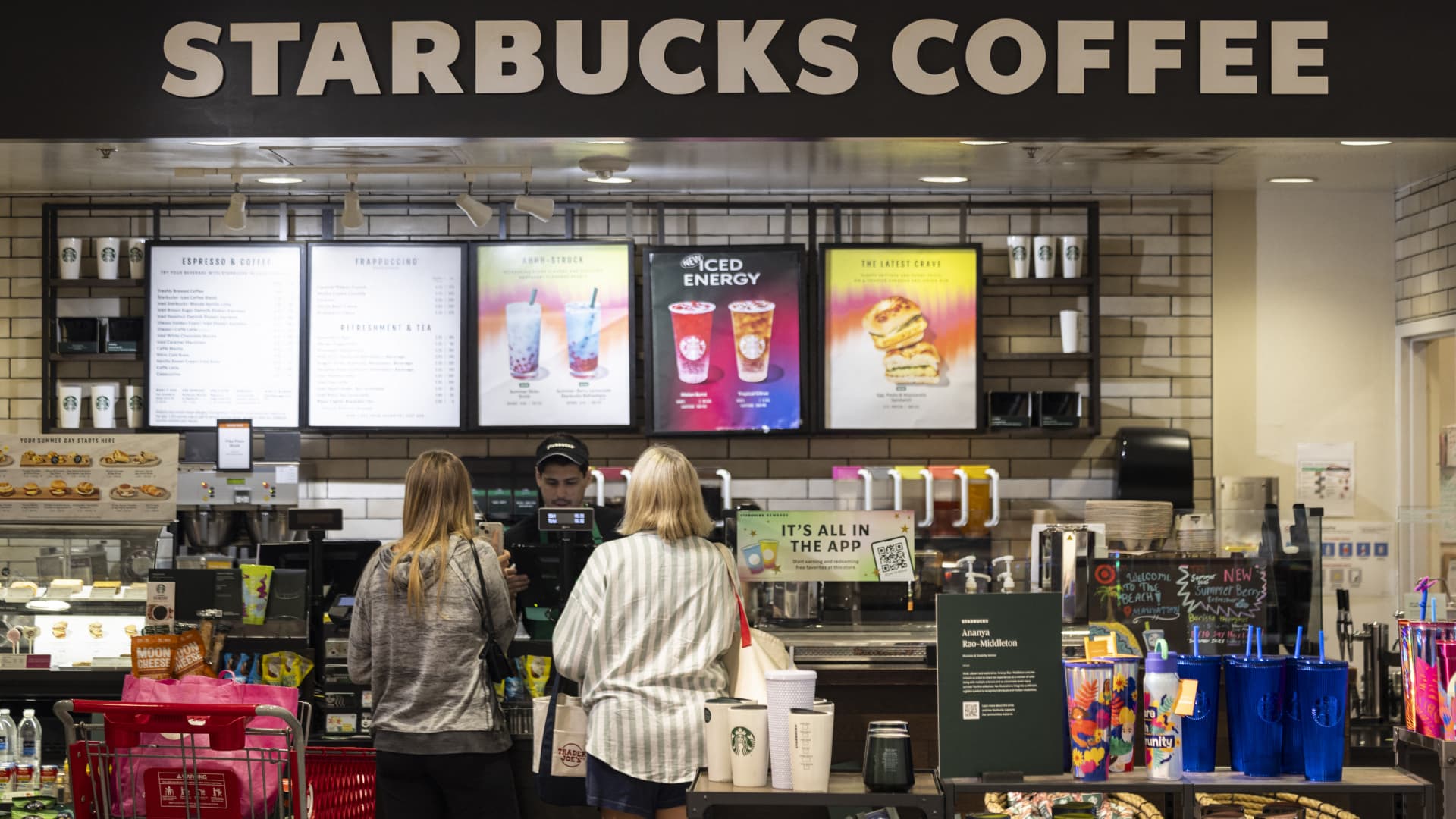
Starbucks is implementing a comprehensive turnaround strategy focused on winning over employees and restoring its culture, including increasing seating, promoting internally, and improving staffing, as part of its efforts to boost sales and customer loyalty under CEO Brian Niccol.
Starbucks' largest leadership event showcased their focus on employee well-being and training, including launching the first Starbucks Global Barista Championship, as part of a broader strategy to improve employee satisfaction and customer service, emphasizing that taking care of employees leads to better business outcomes.
Workday successfully increased AI adoption among its employees to 79% by implementing initiatives like internal campaigns, upskilling programs, and personal AI goals, overcoming barriers such as lack of time and uncertainty, and emphasizing responsible AI principles amidst concerns about job impacts and productivity gains.
Rob Katz announced his return as CEO of Vail Resorts, expressing gratitude for Kirsten's leadership and emphasizing a focus on stakeholder alignment, continuous improvement, and core values to ensure growth and a memorable experience for employees and guests.
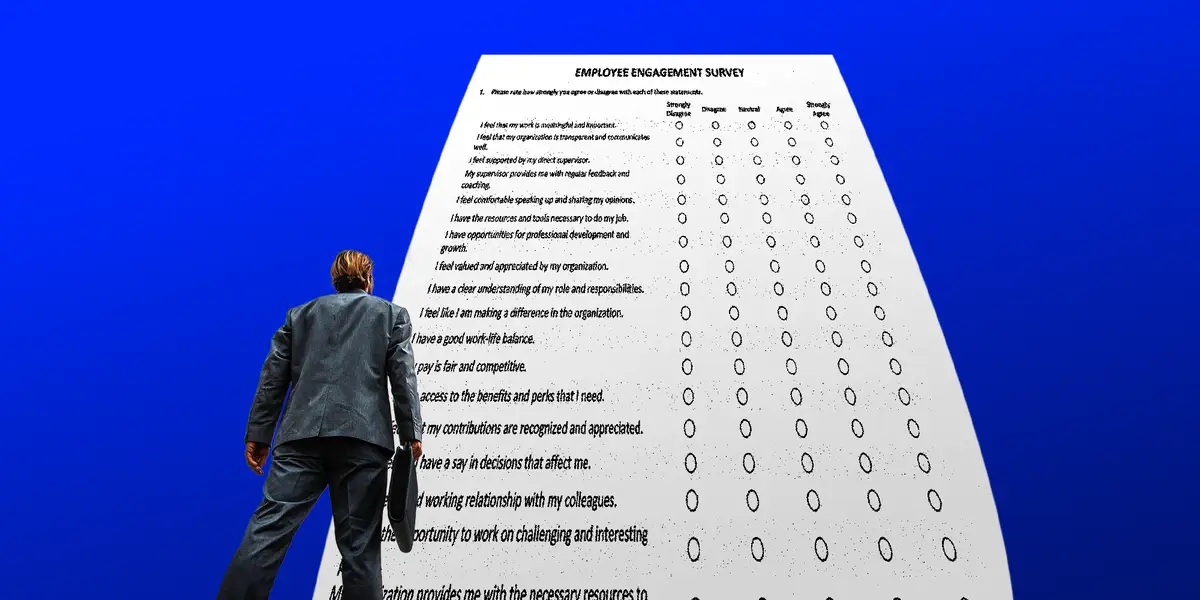
The article critiques the effectiveness of employee engagement surveys, highlighting employee dissatisfaction and skepticism about their impact, despite their widespread use and the significant investment companies make in them. It discusses the history, purpose, and limitations of such surveys, emphasizing that they often fail to foster genuine trust or lead to meaningful change, and suggests that true engagement requires more open communication and trust beyond just surveys.
On-the-job training in corporate America is often inadequate, leaving employees feeling unprepared and companies suffering from lost productivity. Many workers, especially younger ones, lack proper guidance and mentorship, with technology-based solutions failing to fill the gap. The rise of remote work and cost-cutting measures have exacerbated the issue, as companies rely on apps and AI instead of investing in human-led training. This has led to disengagement and burnout among managers and employees, highlighting the need for a more structured and supportive training approach.