Trump to Roll Back Climate Rules and Environmental Protections
Trump plans a broad rollback of federal climate policies and environmental safeguards, signaling a sharp shift in U.S. environmental regulation under the EPA’s leadership.

All articles tagged with #environmental regulation
Trump plans a broad rollback of federal climate policies and environmental safeguards, signaling a sharp shift in U.S. environmental regulation under the EPA’s leadership.
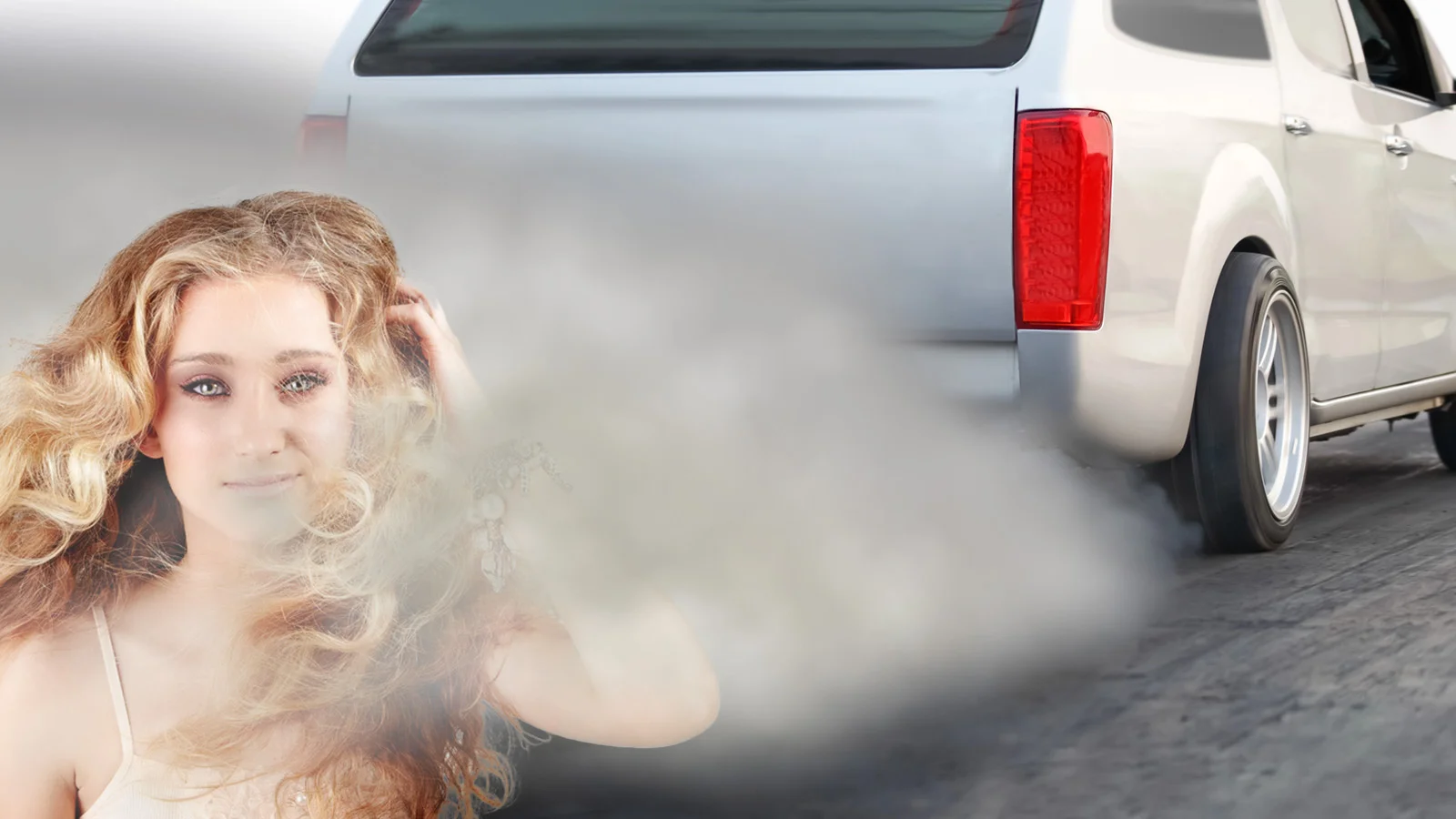
A University of Utah study analyzed 100-year hair samples from Salt Lake City residents and found lead levels were high before EPA rules on leaded gasoline, then declined sharply after the regulations: about 50 ppm in the 1970s dropping to ~10 ppm in the 1990s, with post-2020 averages around 13 ppm. The findings support the public-health benefits of banning leaded fuel, though leaded aviation fuel and other sources still exist globally (e.g., Algeria only fully banned by 2021, and roughly a quarter-million airplanes still use leaded gas).

North Carolina Republicans have been systematically stripping powers from Democratic-leaning institutions and officials, including the governor, to reshape environmental protections, utility regulation, and the university system, raising concerns about weakened democracy and increased costs for residents.

An appeals court paused the shutdown of Florida's Alligator Alcatraz detention center, siding with the state and federal government over environmental concerns, allowing the facility to continue operations while legal challenges proceed.

Tech entrepreneur Ethan Agarwal is entering the California governor race as a Democrat advocating for capitalism and reforming environmental regulations like CEQA, aiming to appeal to young, Indian American, and tech voters amid a crowded field with low name recognition.
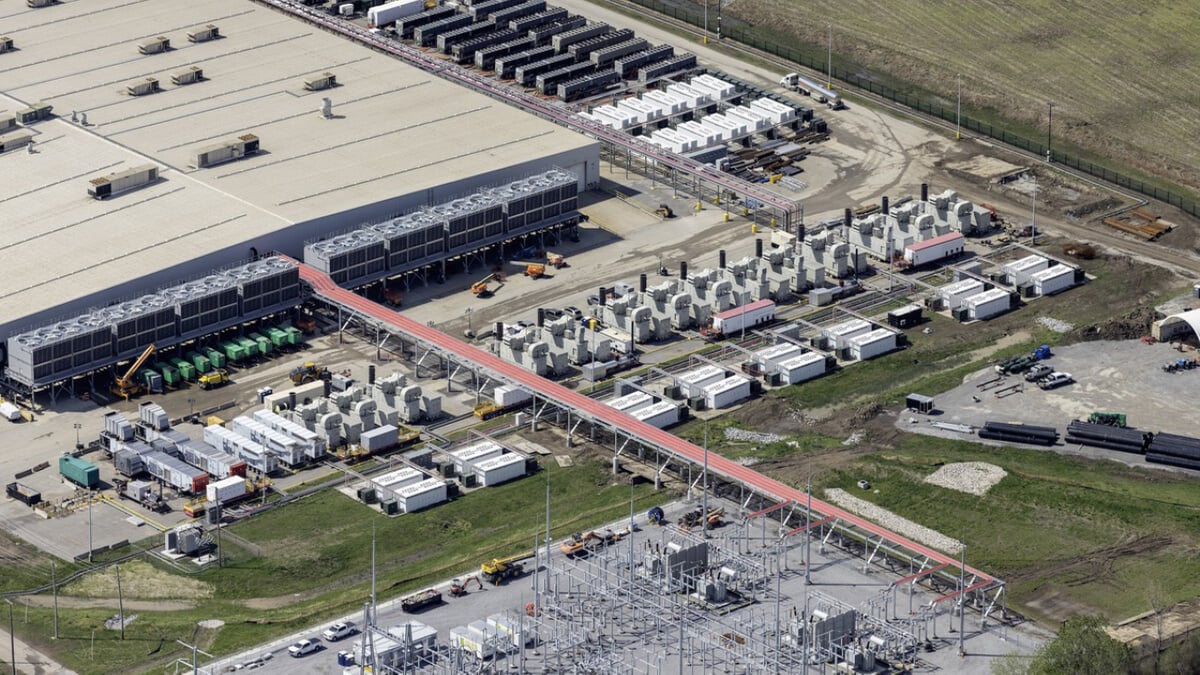
Elon Musk's xAI is under scrutiny for operating a 407 MW gas-fired power plant in Memphis without proper permits, raising environmental and legal concerns amid local air quality issues and regulatory violations, highlighting tensions between technological innovation and environmental responsibility.

Cannes is implementing strict new regulations on cruise ships, banning vessels with over 1,000 passengers starting January to combat overtourism and environmental impact, while aiming to balance economic benefits with sustainability.

The U.S. government has decided to permit California to implement a ban on the sale of new gas-powered cars, marking a significant step in environmental regulation and efforts to reduce carbon emissions.
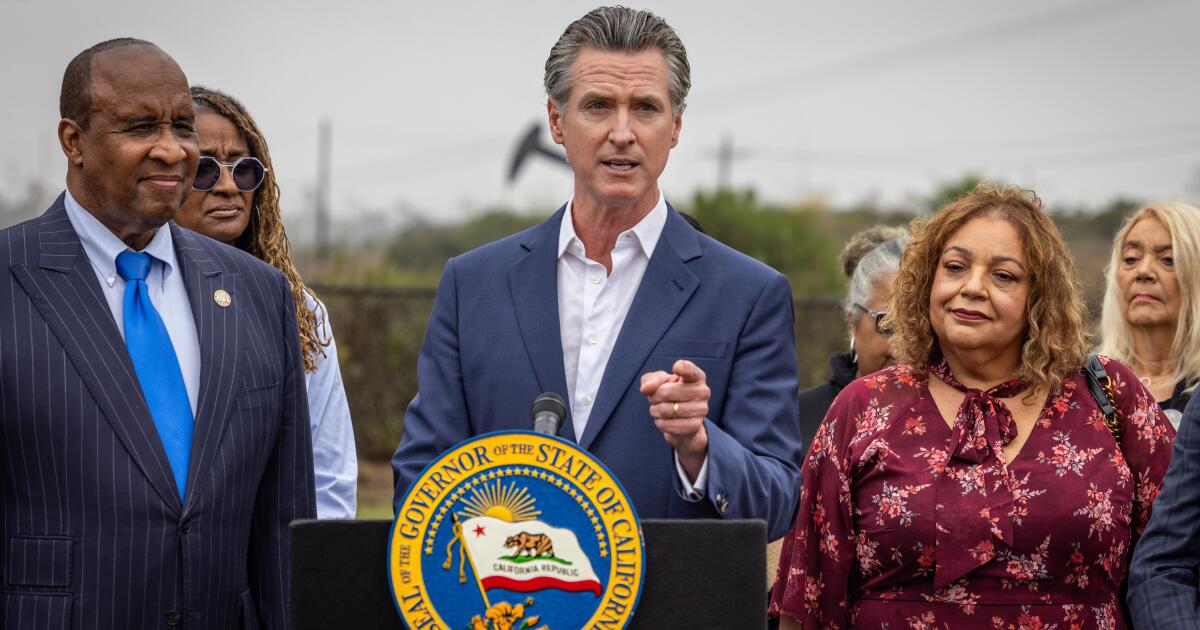
Sentinel Peak, the owner of the Inglewood Oil Field, is suing California to challenge Assembly Bill 2617, which mandates the cessation of oil production and plugging of wells by 2030, with penalties for non-compliance. The company argues the law is unconstitutional and imposes excessive fines, while state officials and environmental groups defend the legislation as necessary for public health and safety. The law specifically targets the Inglewood Oil Field, aiming to end fossil fuel extraction in the area due to its proximity to residential communities.
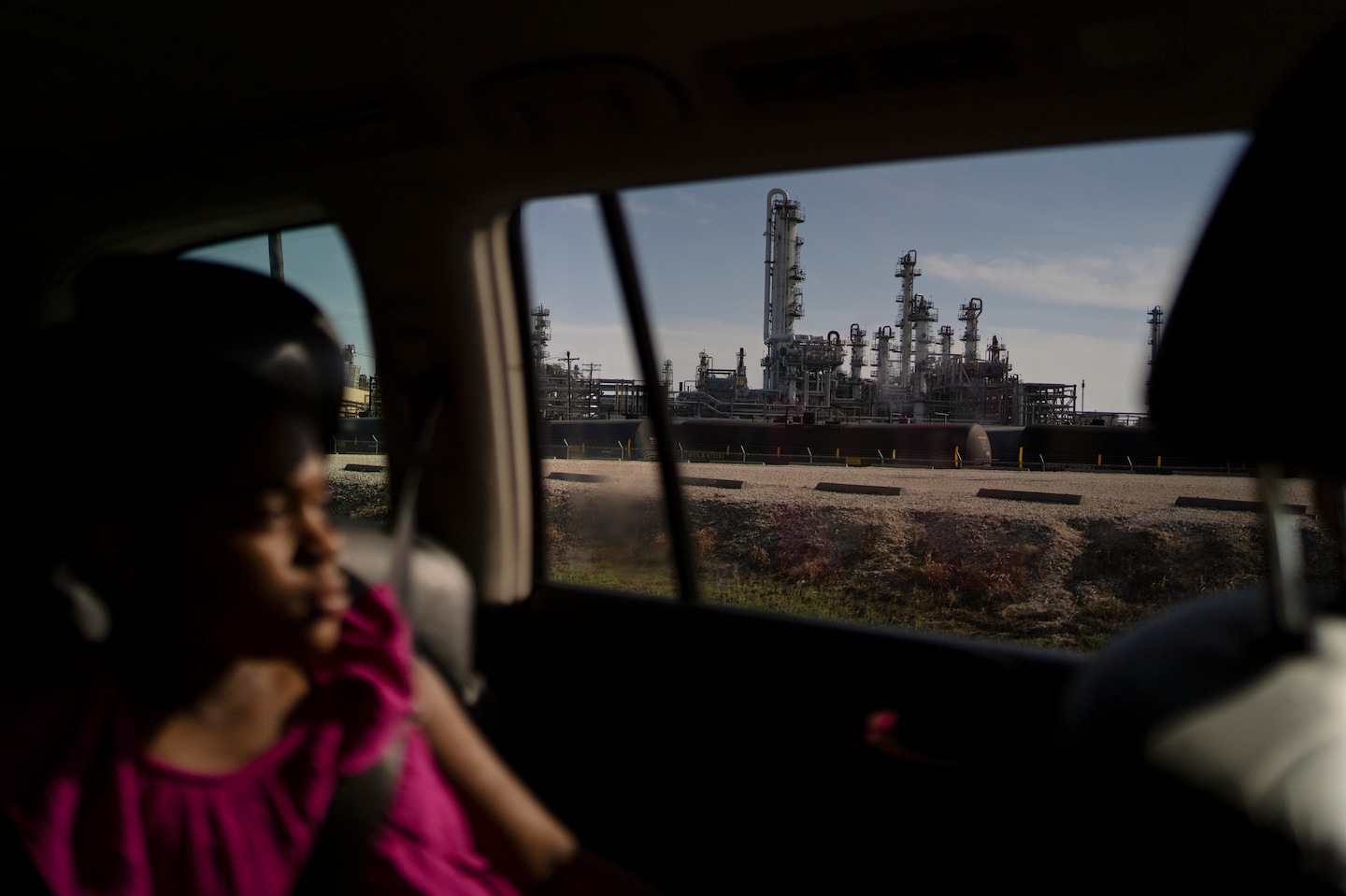
The EPA has finalized a rule aimed at reducing cancer-causing gases and toxic air pollution from chemical operations, particularly targeting ethylene oxide and chloroprene, which are used in medical device sterilization and rubber production. The rule is the first update to national standards in nearly two decades and aims to protect low-income and minority neighborhoods located near such plants. Once implemented, it will reduce over 6,200 tons of toxic air pollution each year and cut emissions from covered facilities by nearly 80 percent. The rule will require chemical manufacturers to monitor emissions near their operations' fence lines and plug any leaks, with the goal of improving air quality and reducing cancer risks in affected communities.
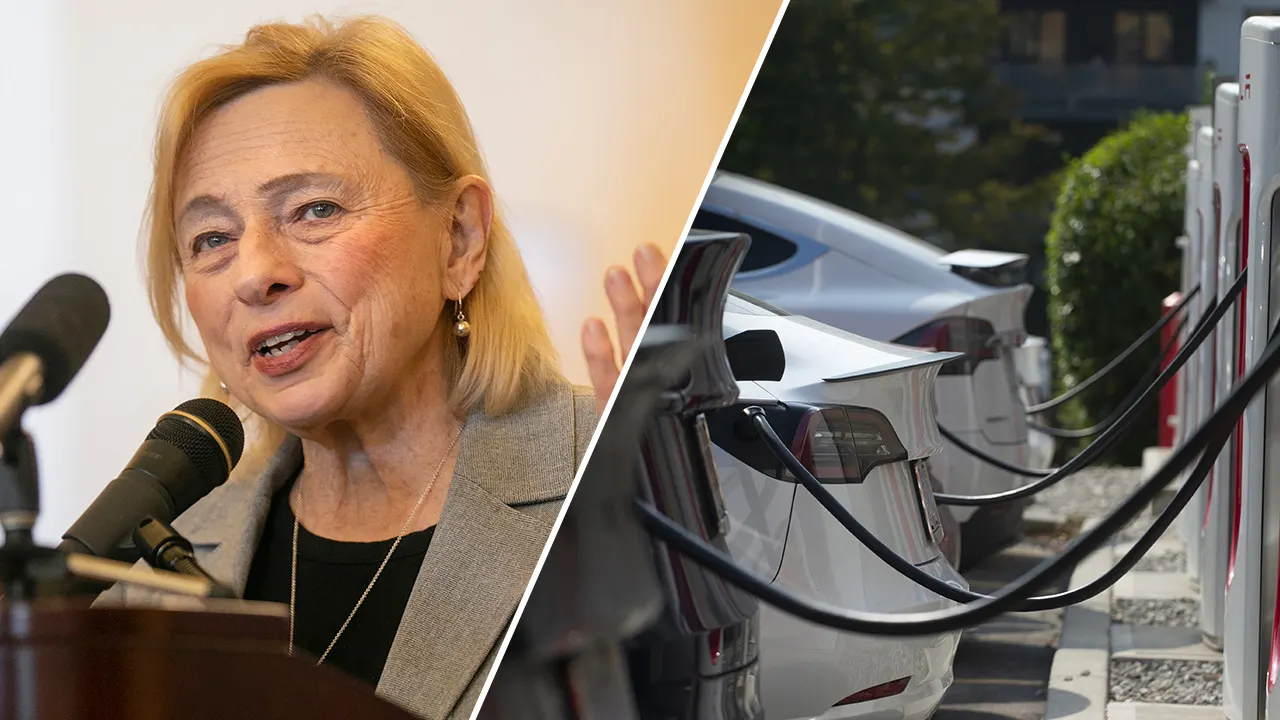
Maine's Board of Environmental Protection rejected a proposed electric vehicle mandate, citing overwhelming opposition from stakeholders and citizens. The proposed program aimed to mirror California's regulations, requiring at least 51% of new car purchases to be electric by 2028 and 82% by 2032. Critics raised concerns about Maine's rural nature, lack of charging stations, and extreme cold weather affecting electric vehicle reliability. The rejection is seen as a blow to Democratic Gov. Janet Mills' climate agenda, which includes promoting vehicle electrification and green energy development.
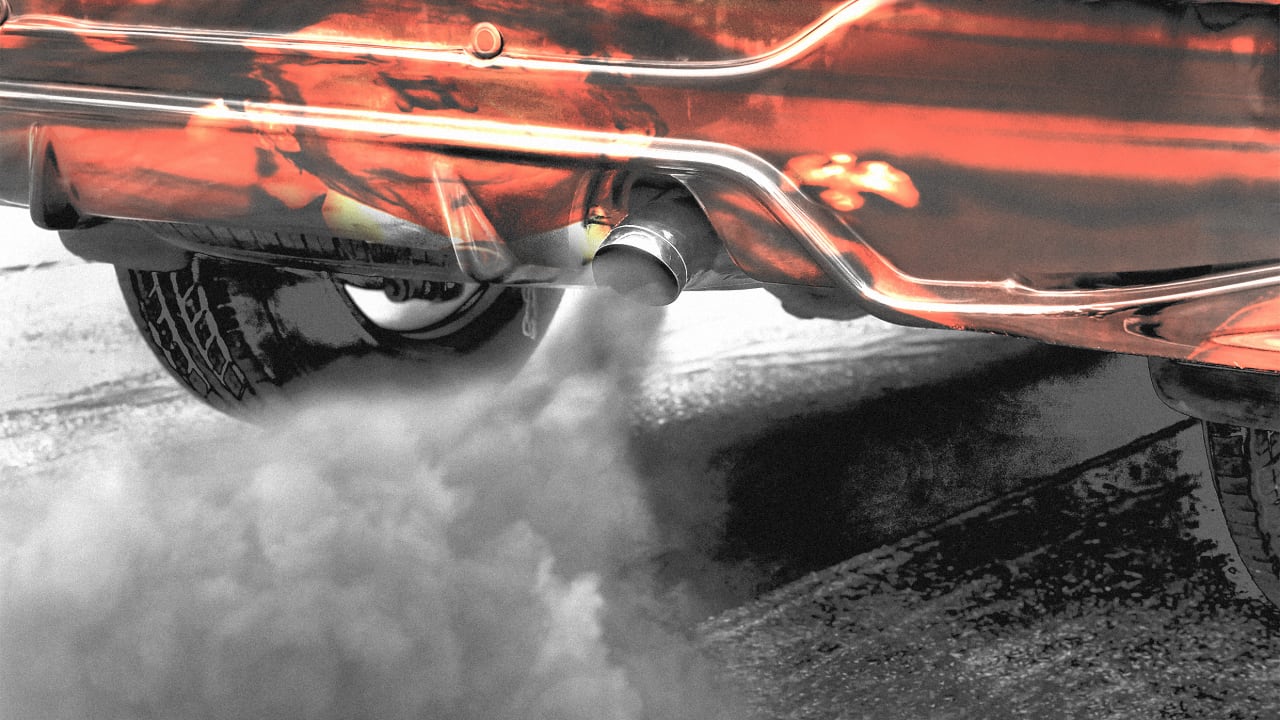
The new EPA rule sets strict limits on tailpipe pollution, potentially leading to over half of all car sales being zero-emissions by 2032 and avoiding 7 billion tons of CO2 emissions over 30 years. Despite potential opposition from a second Trump presidency, the significant investment in electric vehicles and related infrastructure may make it difficult to roll back the regulation. The transition to EVs is accelerating, with record sales and growing charging infrastructure, but potential policy uncertainty could slow down the industry's progress. Lawsuits from fossil fuel companies and Republican attorneys general may also challenge the new rule, but its legal basis is supported by longstanding EPA standards.

A Brooklyn city councilman is proposing a tax break for NYC pizzerias and other businesses using coal- and wood-fired ovens to comply with a new emissions rule, which is already costing eateries tens of thousands of dollars. The rule, set to take effect in April, aims to reduce smoky pollutants by 75%, but businesses are struggling to afford the necessary filtration systems. The councilman believes that providing financial assistance is more effective than immediate punishment and is working on a bill to create a tax credit for affected businesses. The city's Department of Environmental Protection defends the rule as a way to improve public health while preserving authentic NYC pizza, but some locals and business owners are concerned about the financial burden and potential impact on the city's iconic food culture.
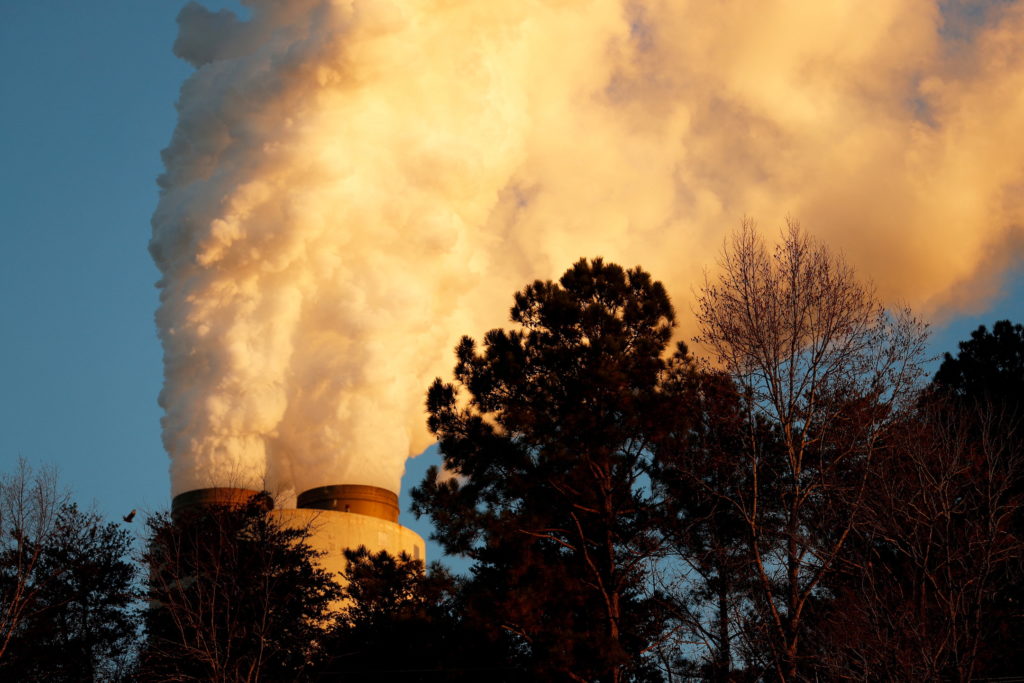
The Supreme Court heard arguments in a case challenging a rule that requires states to prevent their air pollution from drifting into neighboring states, with three states, led by Ohio, claiming the rule is too costly. The "good neighbor" policy, strengthened by the Biden administration, aims to control pollution from power plants and other industrial sources, citing the Clean Air Act's mandate to protect neighboring states from pollution. The court's decision to take up the case on an emergency docket raised eyebrows, reflecting a trend of skepticism towards environmental regulations, with potential implications for future policies.
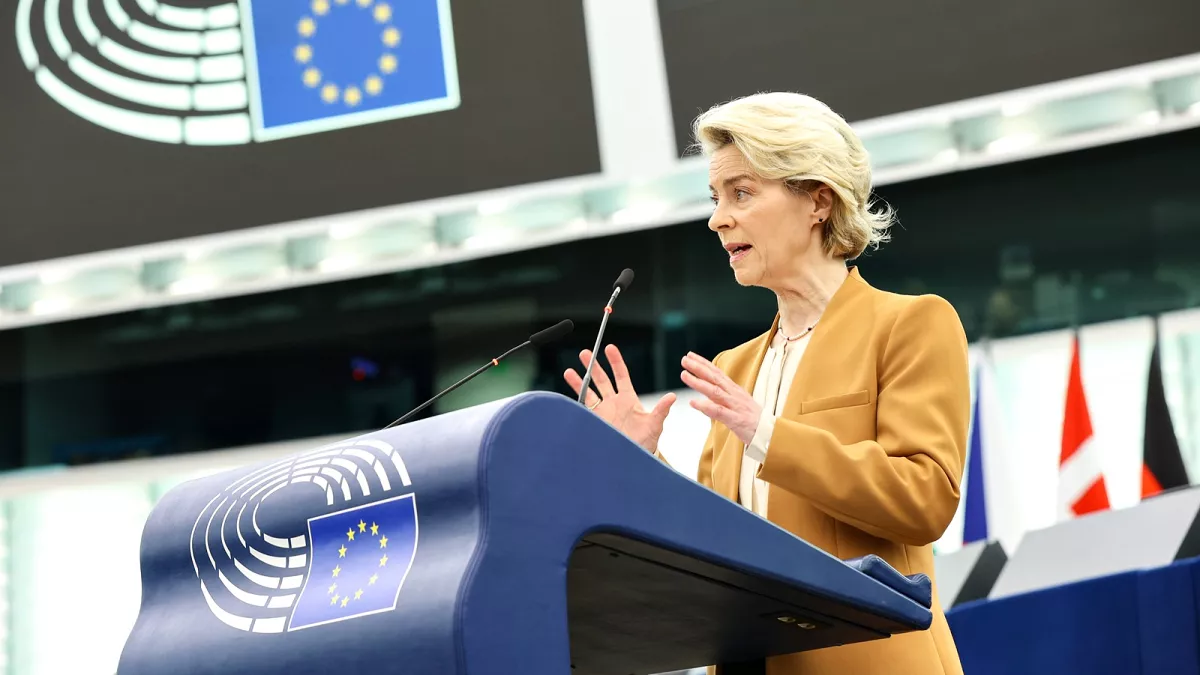
European Commission President Ursula von der Leyen has withdrawn the contentious Sustainable Use Regulation (SUR) aimed at reducing pesticide use in the EU, following fierce lobbying and protests from farmers. The decision marks a setback for the European Green Deal's environmental goals. Von der Leyen emphasized the need for a more sustainable farming model but faced criticism from environmental organizations, while receiving support from farming lobbies and some political leaders. The withdrawal of the pesticide law signals challenges in implementing ambitious environmental regulations in the agricultural sector.