Climate change is driving Aspergillus fungi north into Europe and North America, increasing exposure and the risk of invasive infections and crop contamination (aflatoxins), while azole antifungal resistance grows and regional losses in agriculture are projected to rise.
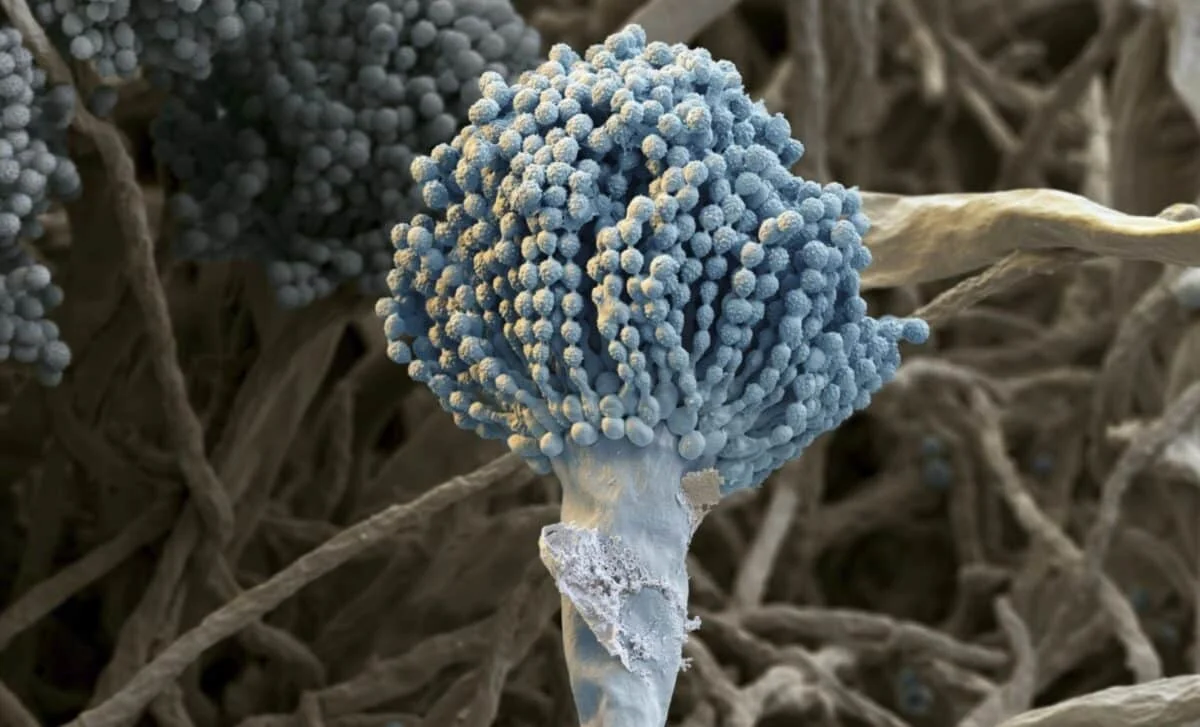
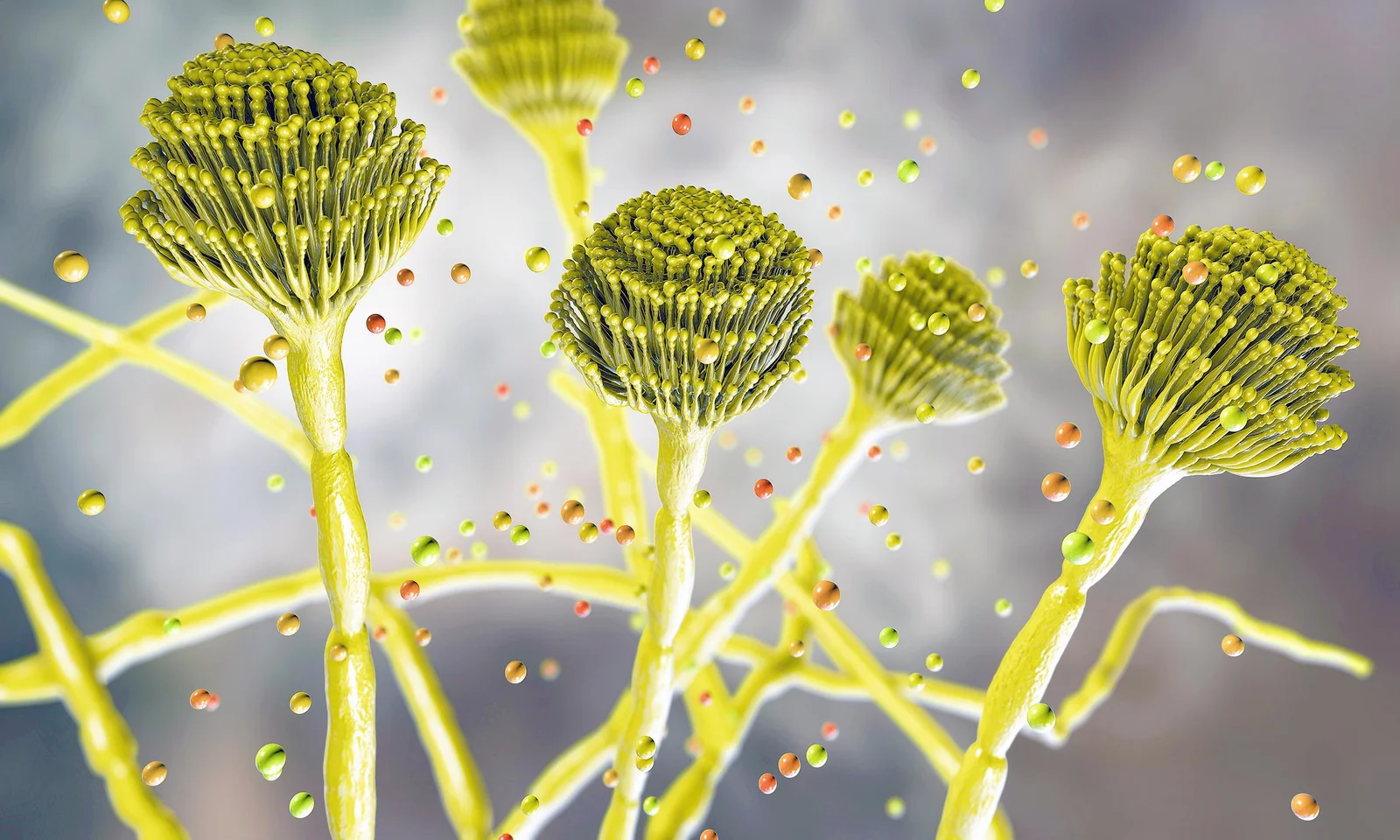
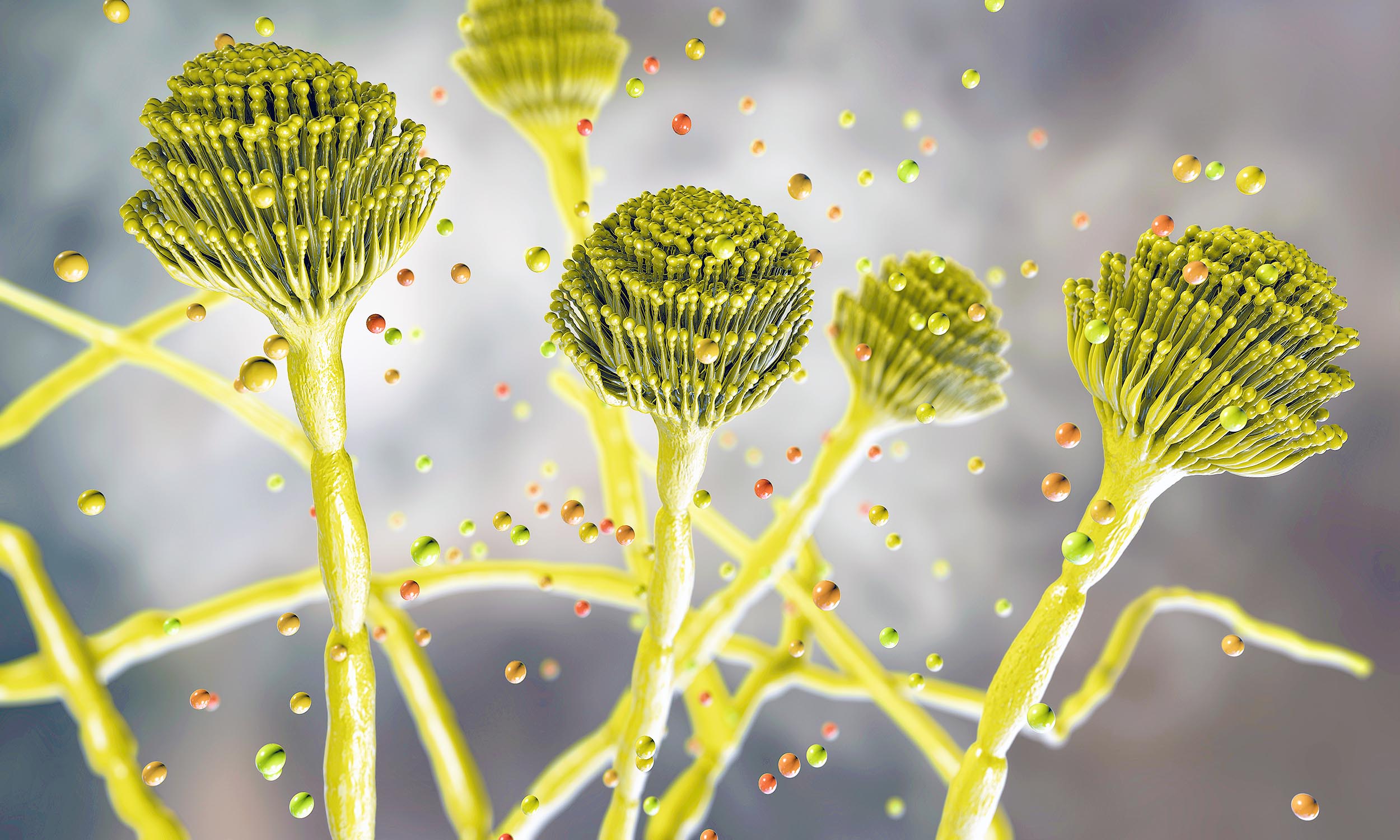
A new study using climate models warns that Aspergillus fungi, including A. fumigatus, could expand their geographic range as temperatures rise, increasing risk of invasive infections in people and mycotoxin-related crop losses. The spread is amplified by azole resistance driven by overlapping use of antifungicides in agriculture and medicine. Experts call for coordinated monitoring, better diagnostics, and stronger climate action to limit spread and mitigate health and agricultural impacts.
Experts warn that climate change may cause the spread of the deadly fungus Aspergillus worldwide, increasing health risks, especially in vulnerable populations, and emphasizing the need for global health and environmental strategies to mitigate this threat.
Climate change is likely to increase the spread of infection-causing fungi like Aspergillus species, potentially exposing millions more people to fungal infections due to rising global temperatures and environmental changes, with concerns about antifungal resistance and limited treatment options.
A deadly fungus called Aspergillus, capable of causing severe infections and resistant to current treatments, is spreading globally due to climate change, rising temperatures, and increased fungicide use, posing significant health and economic risks.
Aspergillus is a common fungus found in the environment that can cause serious infections, especially in immunocompromised individuals, with symptoms like persistent cough, chest pain, and fever. Rising global temperatures may increase its spread, making awareness and prevention crucial.
Climate change is expanding the habitat of the deadly Aspergillus fungus, increasing the risk of severe lung infections worldwide, especially among vulnerable populations, amid rising antifungal resistance and diagnostic challenges.
Deaths from fungal infections have nearly doubled worldwide in the past decade, with an estimated 3.8 million deaths annually, comprising about 6.8% of total global deaths. The lack of timely diagnosis, limited access to diagnostic tests, and ineffective antifungal drugs contribute to unnecessary fatalities. Aspergillus and Candida are among the most lethal fungi, causing lung infections and bloodstream infections, respectively. The COVID-19 pandemic has led to a surge in fungal infections, particularly mucormycosis, and there is concern about a potential double epidemic of fungal infections and respiratory viruses. Accurate and timely diagnosis of fungal diseases is crucial, as there are currently no vaccines available.
Various types of fungi can impact humans, including Candida species, Cryptococcosis neoformans, and Aspergillus fumigatus. Candida auris, a type of yeast, has been spreading rapidly through health facilities in the US. As the planet warms up due to climate change, it is feared that known and unknown fungi could emerge as potential threats. Experts stress that more research is needed to understand how these fungi can affect humans and animals.