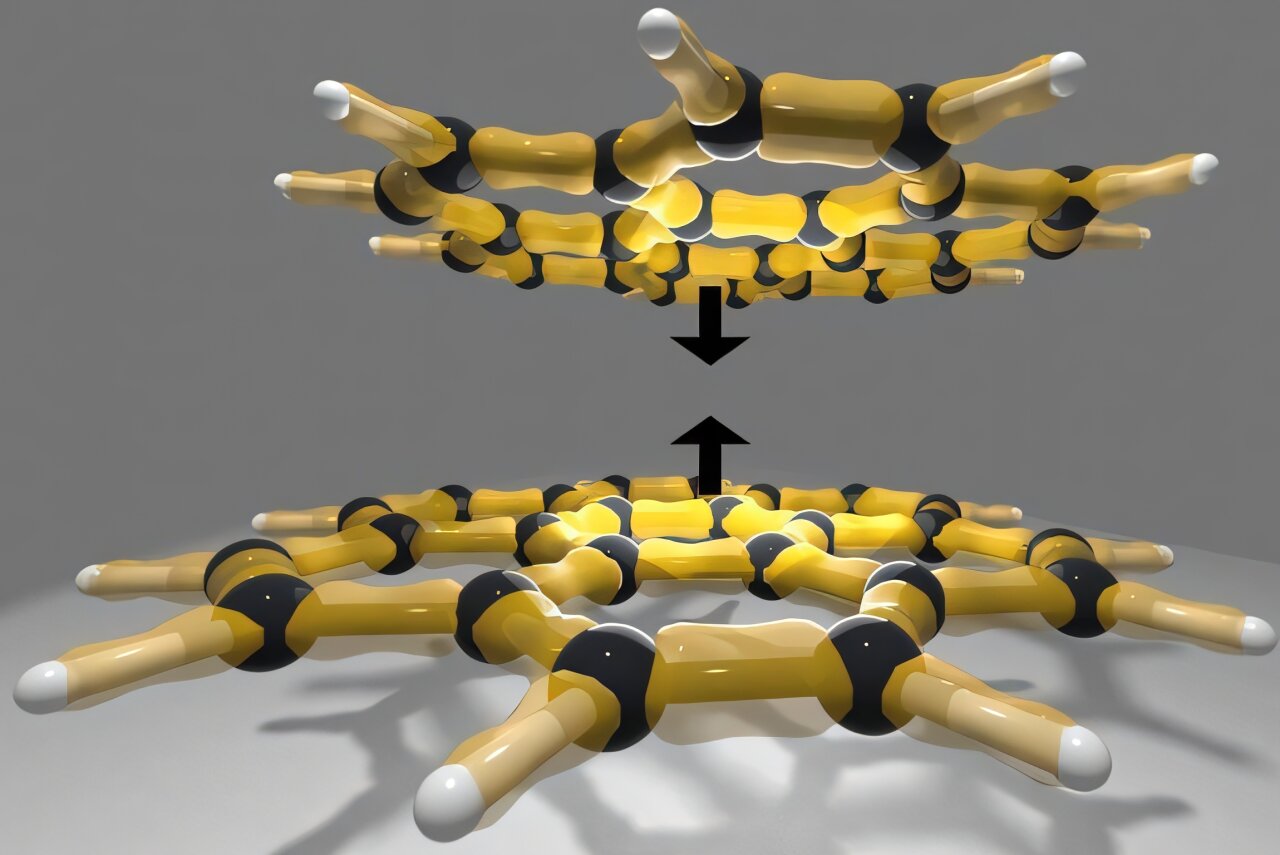
Researchers at TU Wien have developed an improved computational method that accurately predicts forces between large molecules, resolving longstanding discrepancies in quantum chemistry methods and enabling advances in materials science and pharmaceuticals.
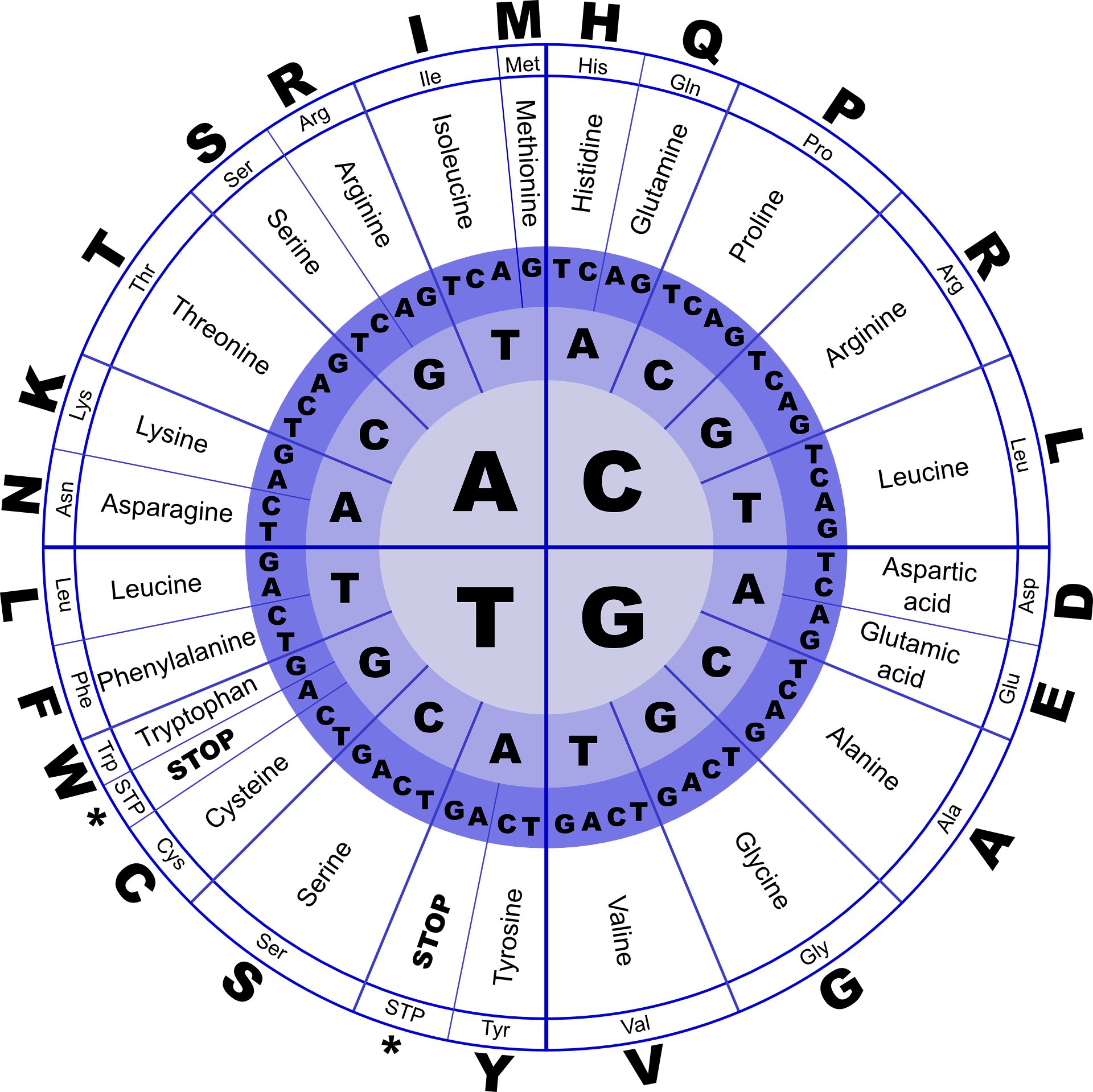
Researchers at the University of Florida are using the HiPerGator supercomputer to test whether "molecules of life" can be formed naturally in the right conditions. By utilizing over 1,000 A100 GPUs, they conducted a large-scale early Earth chemistry experiment, identifying amino acids, nucleobases, fatty acids, and dipeptides. The use of AI and powerful GPUs has enabled data-intensive scientific simulations that were previously unimaginable, bringing researchers closer to understanding how complex molecules are formed. This breakthrough demonstrates UF's capability to support "hero runs" that advance scientific and scholarly projects.
A team of chemists has repurposed blockchain technology to generate the largest network of chemical reactions, termed NOEL, which may have given rise to prebiotic molecules on early Earth. This work suggests that primitive forms of metabolism might have emerged without the involvement of enzymes and demonstrates the potential of using blockchain to solve complex computational chemistry problems. The resulting network contains 4.9 billion plausible reactions, including parts of well-known metabolic pathways, but only a few hundred reactions could be called "self-replicating," indicating that self-replication may have appeared later in evolution. The use of blockchain technology significantly reduced the time and cost required for this extensive computational chemistry task.
Researchers have developed an object-aware equivariant elementary reaction diffusion model for accurate transition state generation in chemical reactions. The model utilizes machine learning techniques and is capable of exploring reaction space and predicting transition state structures with high accuracy. This advancement in computational chemistry has the potential to significantly improve the efficiency and effectiveness of reaction prediction and discovery processes.
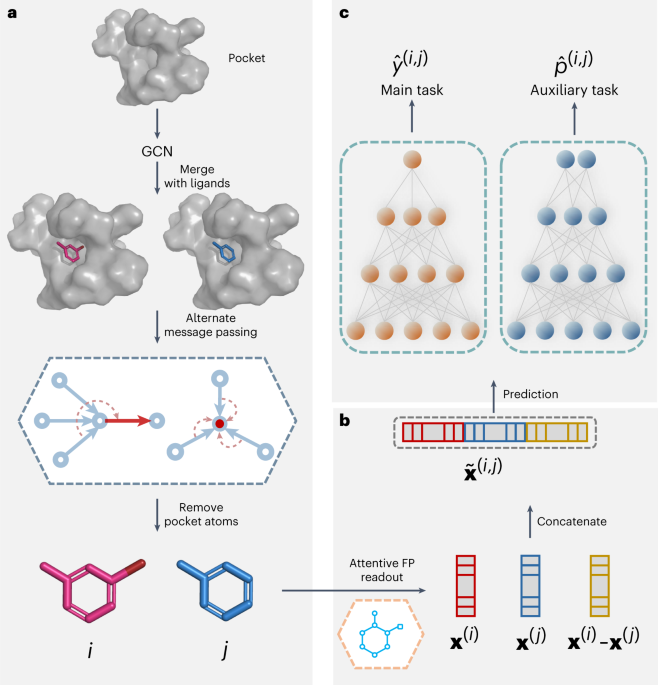
Researchers have developed a new AI model called the pairwise binding comparison network (PBCNet) that can accurately predict the relative binding affinity of ligands in lead optimization for drug discovery. PBCNet outperformed other high-throughput methods, except for FEP+, and showed robustness and stability in its performance. The model was also able to accelerate lead optimization projects by up to 473% and reduce resource investment by 30%. PBCNet's efficiency and accuracy make it a valuable tool for guiding lead optimization in drug discovery.
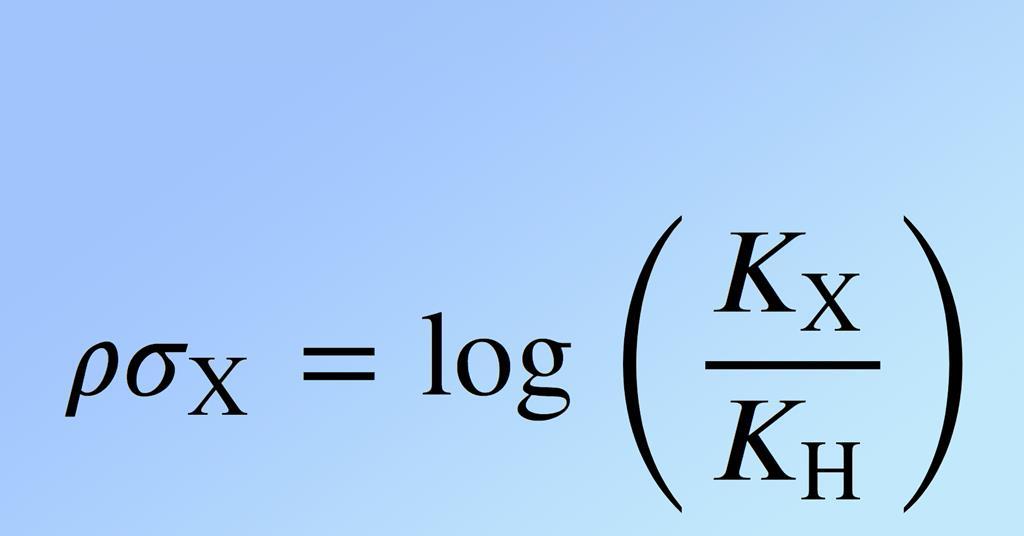
Brazilian researchers are using machine learning algorithms and computational methods to expand and improve the 86-year old Hammett equation, a chemical theory that explains the electron-donating or withdrawing nature of aromatic substituents. By combining density functional theory (DFT) methods and machine learning techniques, the researchers were able to calculate new Hammett constants and unlock previously unknown values. While the study has limitations due to the availability of DFT data, experts believe that acquiring more data could improve the accuracy of the machine learning approach. Overall, this work provides a valuable tool for experimentalists to access previously unknown Hammett constants.
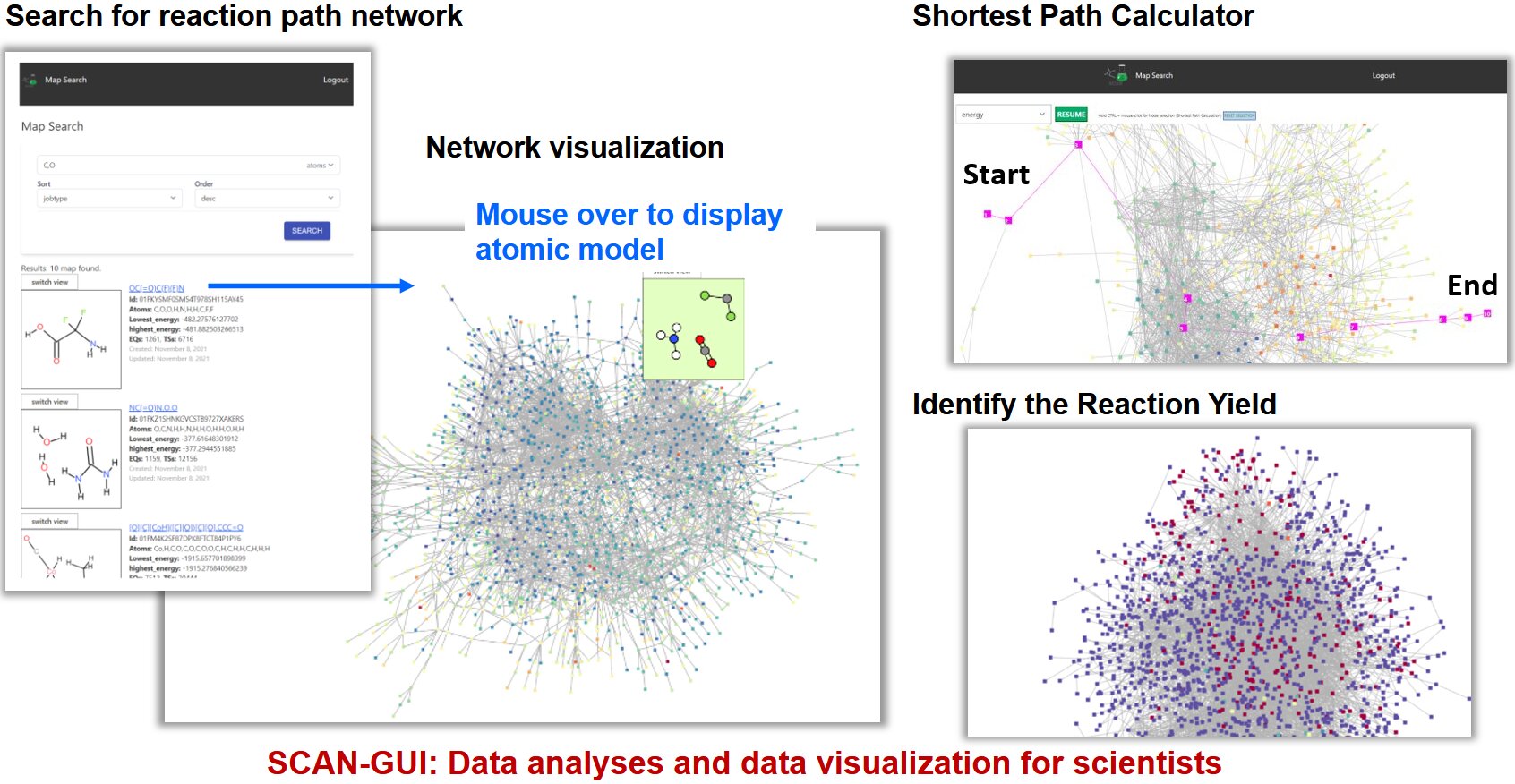
Researchers from Hokkaido University have developed a user-friendly online platform called Searching Chemical Action and Network (SCAN) for exploring computationally calculated chemical reaction pathways. The platform allows for in-depth understanding and design of chemical reactions by organizing and visualizing the data generated by computational chemistry. SCAN provides an interactive reaction pathway map that can be searched and viewed, aiding in achieving a detailed understanding of complex chemical reaction pathways.
Chemical engineers at the University of Wisconsin-Madison have developed a model of how catalytic reactions work at the atomic scale, which could allow engineers and chemists to develop more efficient catalysts and tune industrial processes, potentially with enormous energy savings. The team used powerful modeling techniques to simulate catalytic reactions at the atomic scale, looking at reactions involving transition metal catalysts in nanoparticle form. The understanding could have major ramifications for industry, including petroleum refining, pharmaceuticals, plastics, food additives, fertilizers, green fuels, and industrial chemicals.
Chemical engineers from the University of Wisconsin-Madison have developed a model that explains how catalytic reactions work at the atomic level, potentially leading to more efficient catalysts, optimized industrial processes, and significant energy savings. Catalysis plays a crucial role in producing 90% of the products we use daily, and just three catalytic reactions use close to 10% of the world's energy. The researchers used powerful modeling techniques to simulate catalytic reactions at the atomic scale and found that the energy provided for many catalytic processes to take place is enough to break bonds and allow single metal atoms to pop loose and start traveling on the surface of the catalyst, forming small metal clusters that serve as sites for chemical reactions to take place much easier than the original rigid surface of the catalyst.
Chemical engineers at the University of Wisconsin-Madison have developed a breakthrough model of how catalytic reactions work at the atomic scale, which could allow engineers and chemists to develop more efficient catalysts and tune industrial processes, potentially with enormous energy savings. The researchers used powerful modelling techniques to simulate catalytic reactions at the atomic scale, looking at reactions involving transition metal catalysts in nanoparticle form. The new framework challenges the foundation of how researchers understand catalysis and how it takes place, and may apply to other non-metal catalysts as well.