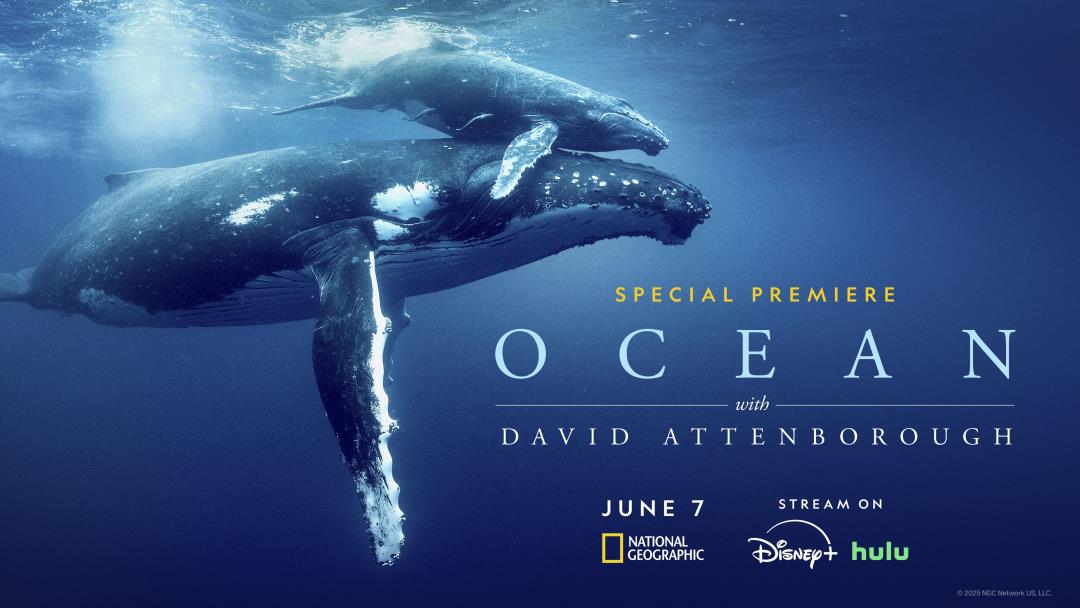
David Attenborough's film 'Ocean' highlights the beauty and vulnerability of marine life, exposing destructive practices like bottom trawling and emphasizing the urgent need for ocean protection, with hopeful signs of recovery through marine reserves and conservation efforts.
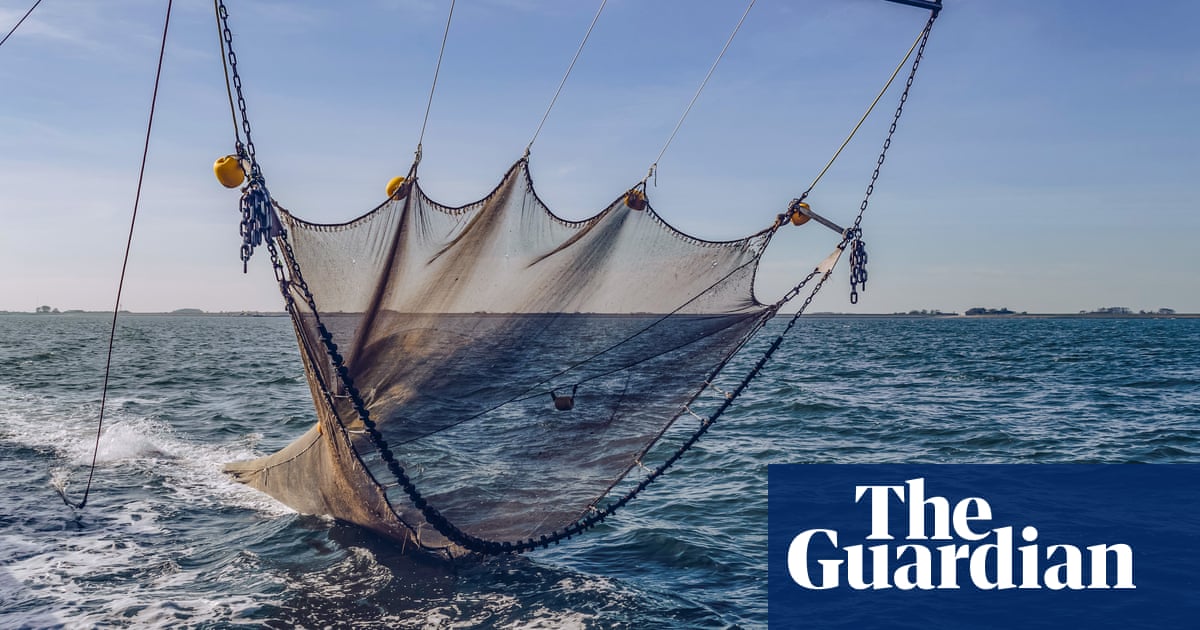
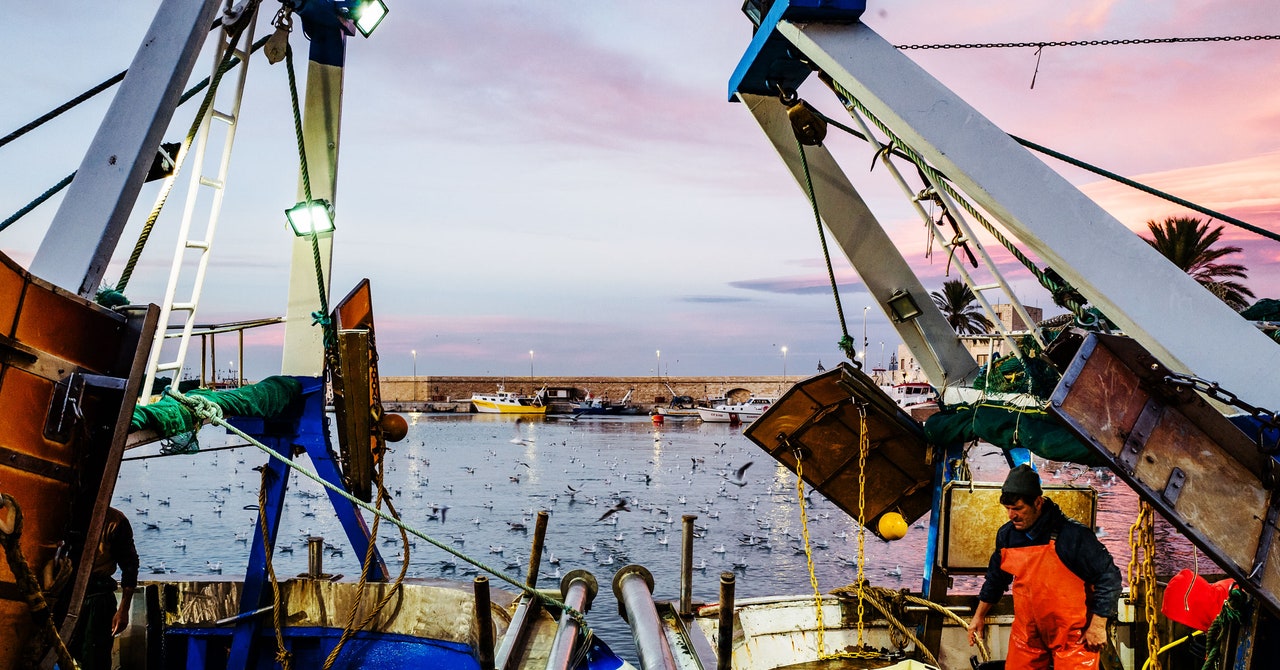
A new study has revealed that bottom trawling, a fishing practice that drags massive nets along the seabed, releases 370 million tonnes of carbon dioxide into the atmosphere annually, causing significant harm to the climate, society, and wildlife. The study, conducted by a global team of climate and ocean experts, found that 55-60% of the carbon dioxide released from trawling will make it to the atmosphere within nine years, contributing to global warming. The researchers urge countries to include these emissions in their climate action plans and emphasize the immediate benefits of reducing bottom trawling carbon emissions.
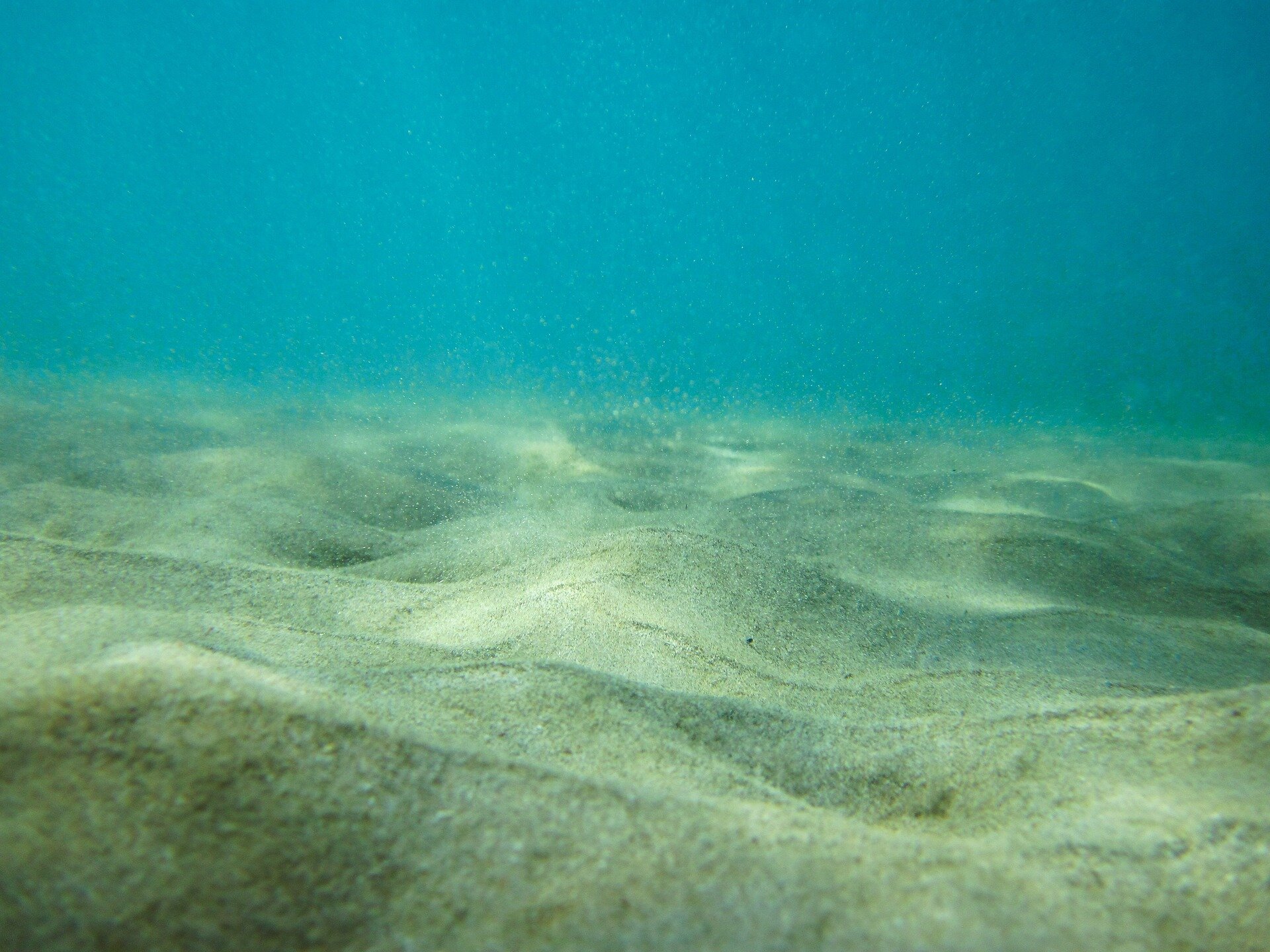
Research shows that bottom trawling, a common fishing method, not only devastates seafloor ecosystems but also releases a significant amount of carbon into the atmosphere, exacerbating global warming. The practice disrupts the natural carbon sequestration process in the ocean, leading to increased CO2 emissions and ocean acidification. The study highlights the urgent need for countries to reevaluate the environmental impact of bottom trawling and consider stricter regulations to mitigate its effects on biodiversity and the climate.
A new study reveals that bottom trawling, a fishing method that involves dragging heavy nets across the ocean floor, is a significant and previously unaccounted for source of atmospheric carbon emissions. The study finds that 55%–60% of the carbon dioxide produced underwater by bottom trawling eventually enters the atmosphere within nine years, contributing to global warming. The annual carbon emissions from bottom trawling are estimated to double the emissions from the entire global fishing fleet. The research emphasizes the need to account for and address these significant carbon emissions in climate action plans and highlights the immediate benefits of reducing bottom trawling emissions.
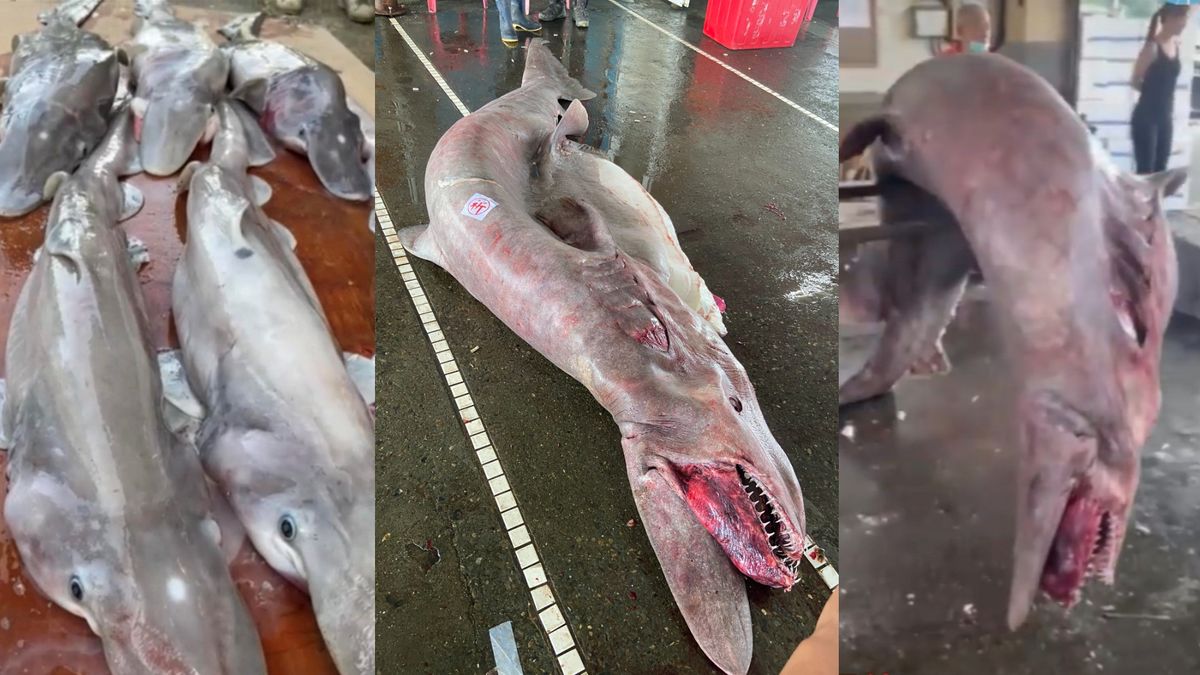
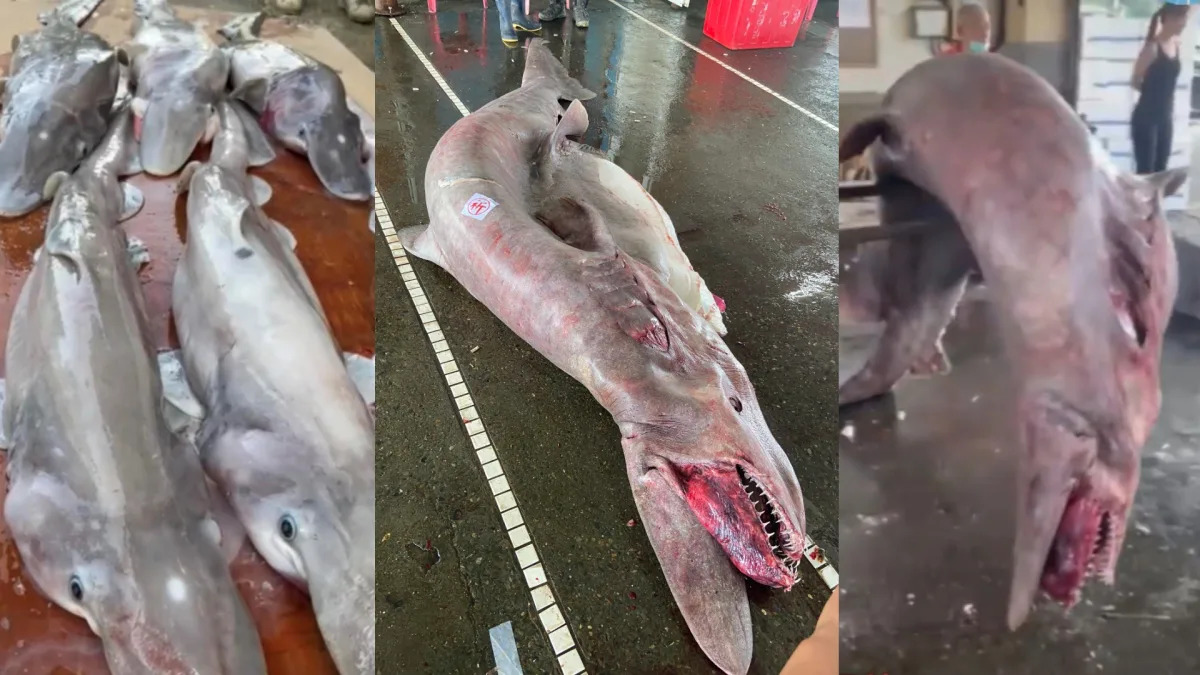
A 1,760-pound goblin shark, the largest ever caught in Taiwan waters, was found to be pregnant with six pups. The shark was caught accidentally while bottom trawling, a fishing practice that is indiscriminate and damaging to the seabed. The Taiwan Ocean Artistic Museum purchased the shark to use as a future marine education resource. Goblin sharks are prehistoric deep-sea creatures with long snouts and needle-like teeth that are usually grayish in color but can appear pinkish-purple if their blood vessels are damaged. The species is not considered endangered by human activities.
A 1,760-pound goblin shark, pregnant with six pups, was caught off the northeast coast of Taiwan, making it the largest goblin shark ever caught in those waters. The Taiwan Ocean Artistic Museum bought the shark, which was originally intended to be sold to a restaurant, as a future marine education resource. Goblin sharks are bottom-dwellers with needle-like teeth that prey on bony fish, squid, and crustaceans. They are the only living members of the Mitsukurinidae family of sharks, which originated 125 million years ago. Bottom trawling, the fishing practice that accidentally caught the shark, is indiscriminate and damages the seabed.