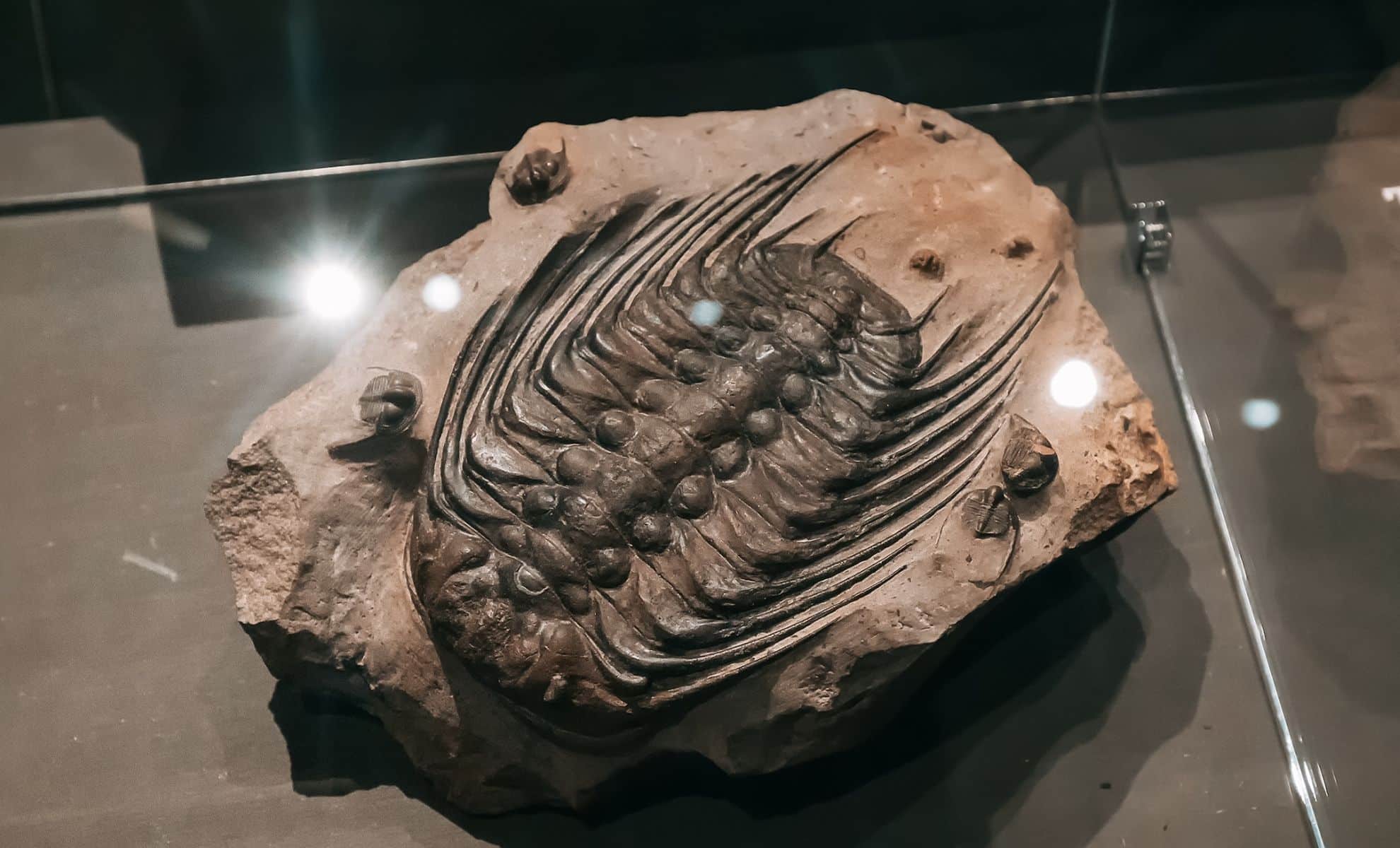
Scientists discovered exceptionally preserved soft-bodied fossils in the Grand Canyon's Bright Angel Formation, revealing a diverse and complex Cambrian ecosystem that thrived in oxygen-rich shallow waters, challenging previous assumptions about fossil preservation conditions and offering new insights into early animal evolution.
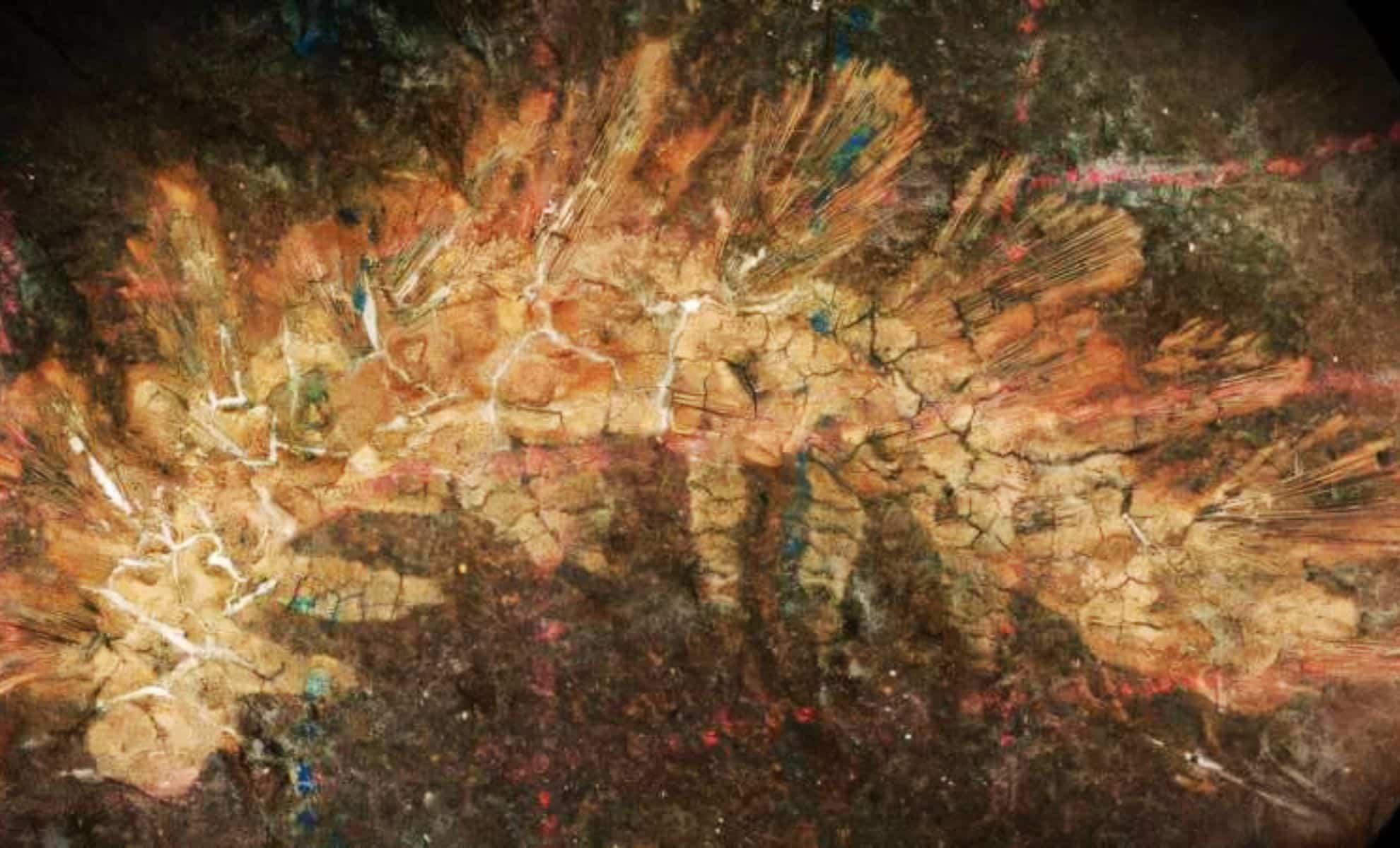
A fossil initially mistaken for a caterpillar has been reidentified as Palaeocampa anthrax, the oldest known nonmarine lobopodian, revealing new insights into early animal evolution and freshwater ecosystems during the Carboniferous period, thanks to advanced imaging techniques and reexamination of old specimens.
New research suggests the Cambrian explosion, a major event in Earth's biological history, actually began around 545 million years ago, with evidence of complex, mobile organisms appearing much earlier than previously thought, reshaping our understanding of early animal evolution.