Tag

Astronomical Society

All articles tagged with #astronomical society

environment1 year ago

"Maximizing the Lifespan of Your Eclipse Glasses: Recycle, Reuse, or Donate?"

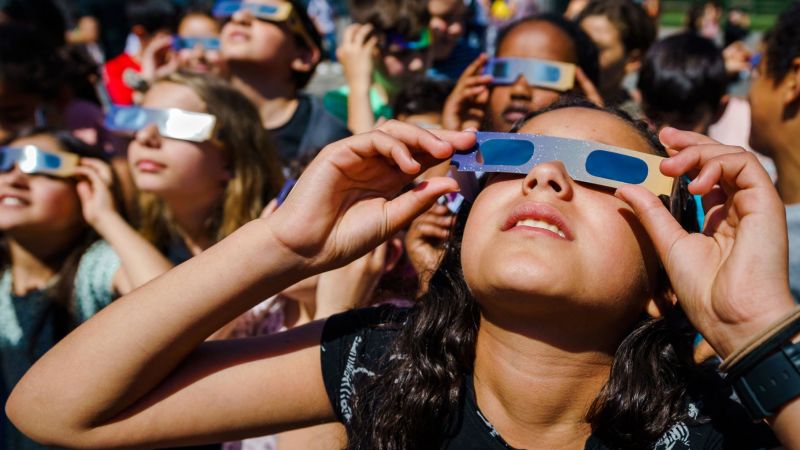
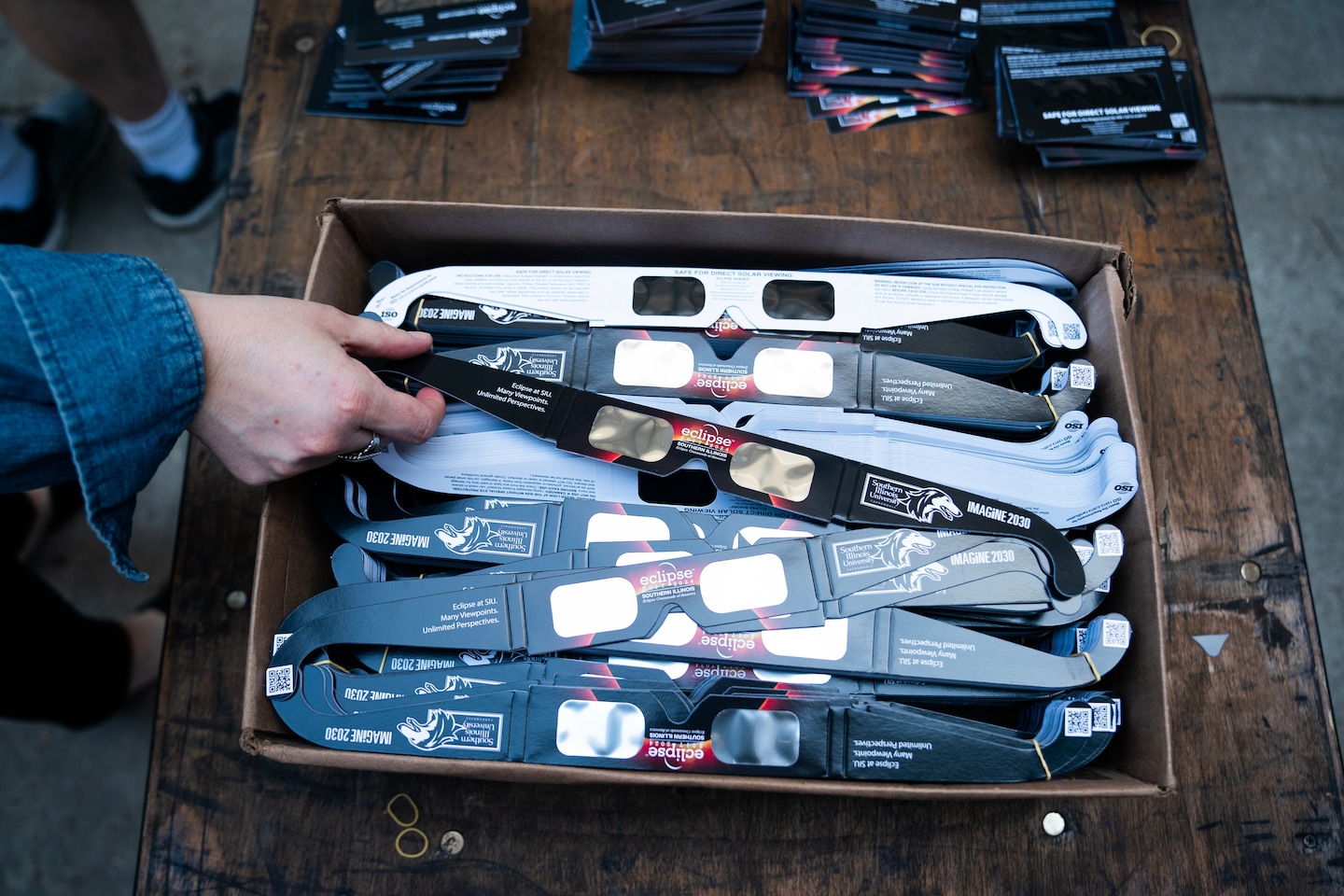
The American Astronomical Society advises that modern eclipse glasses don't expire and can be reused for future eclipses as long as they meet safety standards, or donated to organizations like Astronomers Without Borders and Eclipse Glasses USA to benefit others in need. If you choose to dispose of them, the cardboard frames can be recycled, but the lenses should be thrown in the trash.
astronomy1 year ago

"Maximizing Your Solar Eclipse Viewing Experience: Expert Tips and Best Cities"

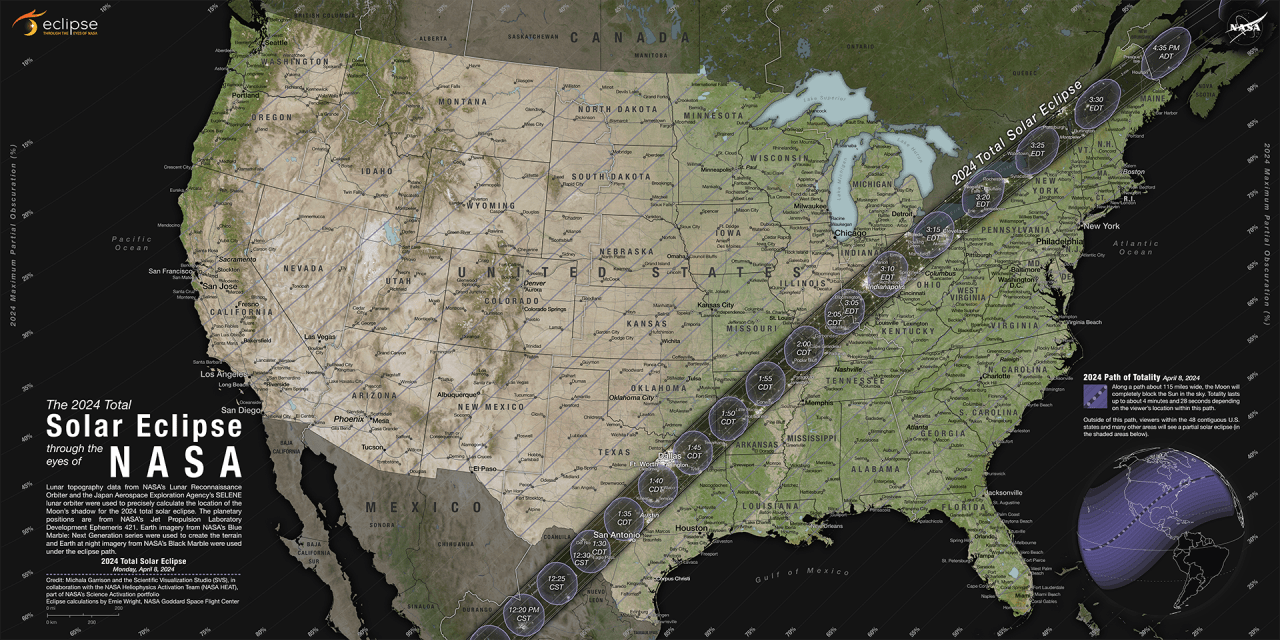
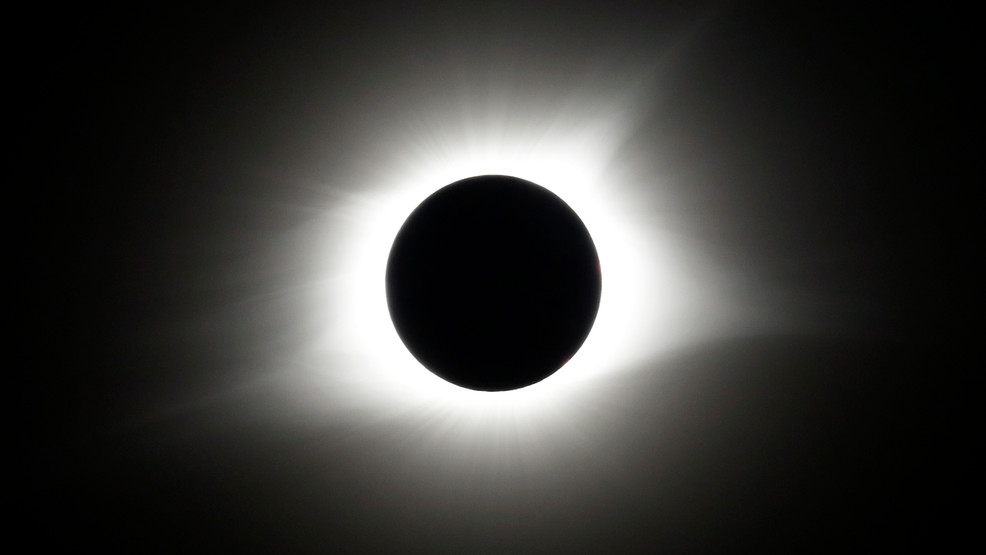
Experts emphasize that witnessing a total solar eclipse requires being within the path of totality, as even a 99.9% partial eclipse outside this path still allows too much sunlight. Locations within the path will experience darkness, visible stars, and a drop in temperature, providing the best opportunity to view the sun's corona. Eclipse glasses are necessary outside the path, but those within it can remove them during totality. It's stressed that being closer to the center of the path provides more time in darkness, and the upcoming total solar eclipse on April 8 will traverse several U.S. states.

astronomy1 year ago

"2024 Solar Eclipse: Viewing Tips and Interactive Map for West Michigan and Path of Totality"

On April 8, 2024, a total solar eclipse will sweep across North America, with West Michigan experiencing a 95% sun obscuration. Those seeking totality will need to travel south, where the moon's shadow will create a brief night and reveal the sun's corona. Eclipse viewers should use ISO certified solar eclipse viewing glasses and find a location without cloud cover for optimal viewing. The next total solar eclipse in the U.S. won't occur until 2033, making this a rare event to witness.

science1 year ago

"April's Solar Eclipse: Avoiding Viewing Risks and Traffic Issues"

A total solar eclipse will be visible across Mexico, the United States, and Canada on April 8, but it's crucial to view it safely to avoid eye damage. Sunglasses are not sufficient protection, and direct viewing of the sun can result in blindness or disrupted vision. To safely view the eclipse, use certified eclipse glasses, handheld solar viewers, or pinhole projectors. It's important to follow safety guidelines, such as wearing eclipse glasses before looking up and never using unfiltered optical devices to view the sun. Additionally, ensure that eclipse glasses are compliant with safety standards and not damaged, and store them properly for future use.

astronomy2 years ago

"Unexplained Glowing Auroras Discovered on Distant Celestial Objects"

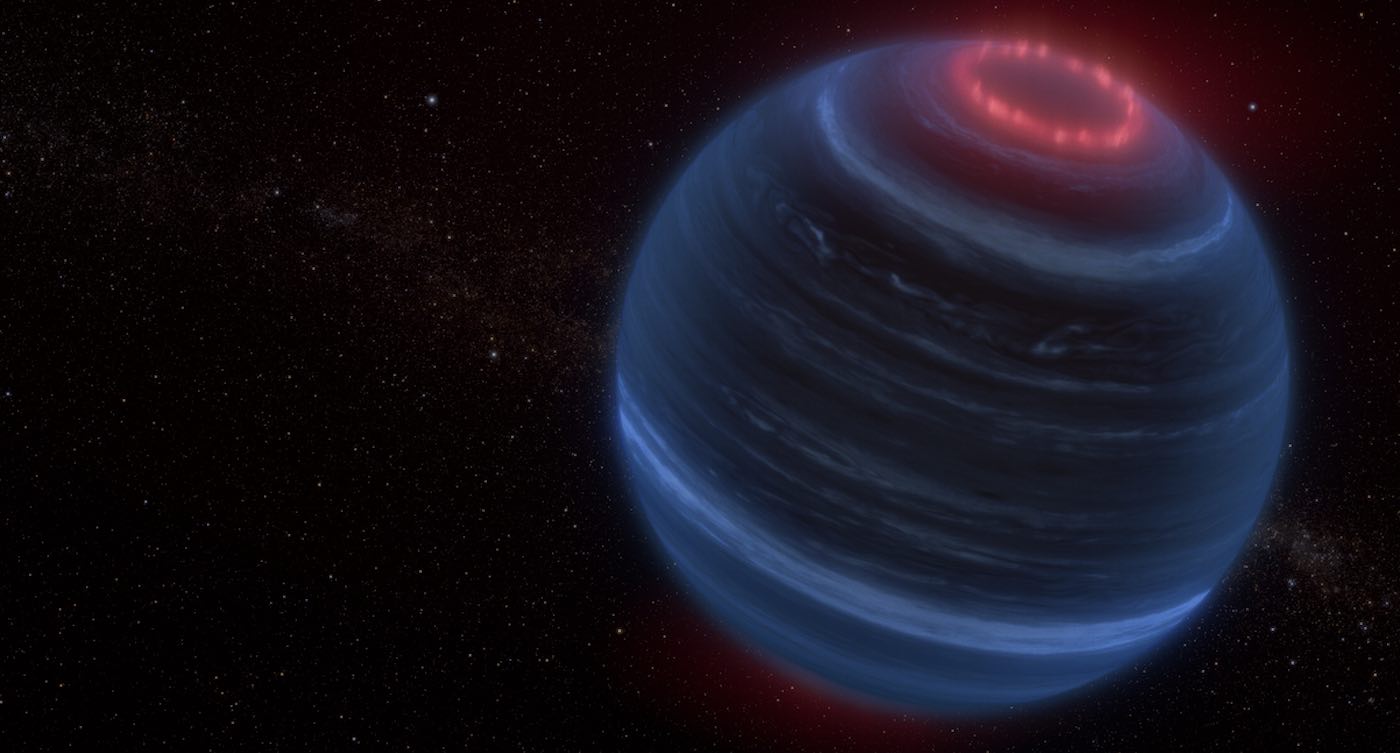
Astronomers using NASA’s James Webb Space Telescope have observed a mysterious aurora-like phenomenon on a brown dwarf called W1935, located 47 light-years from Earth. Unlike planets in our solar system, this isolated object lacks a nearby star to create such an aurora, posing a mystery as to the source of energy heating its upper atmosphere and causing methane to glow. The discovery, presented at the American Astronomical Society meeting, suggests that internal processes or external interactions may explain this phenomenon, offering a unique opportunity to study auroral processes beyond our solar system.

astronomy2 years ago

"Astronomers Discover Ultra-Hot Earth-Sized Exoplanet with Lava Hemisphere"

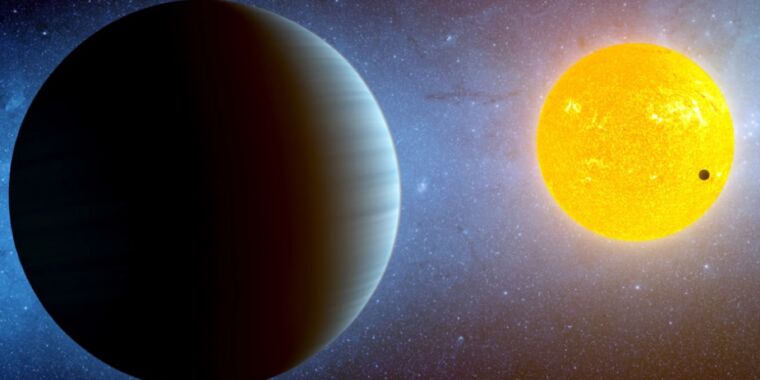
Astronomers have discovered an Earth-sized exoplanet with a hemisphere of molten lava and another hemisphere tidally locked in perpetual darkness. The discovery was presented at a meeting of the American Astronomical Society and detailed in The Astronomical Journal. Another paper in Astronomy and Astrophysics described the finding of a rare small, cold exoplanet with a massive outer companion. The Transiting Exoplanet Survey Satellite (TESS) aims to identify planets orbiting bright stars close to Earth, allowing follow-up observations to determine their compositions and atmospheres. This discovery sheds light on the diverse conditions of exoplanets and the potential for supporting life.