Gut bacteria's role in depression and brain health explored
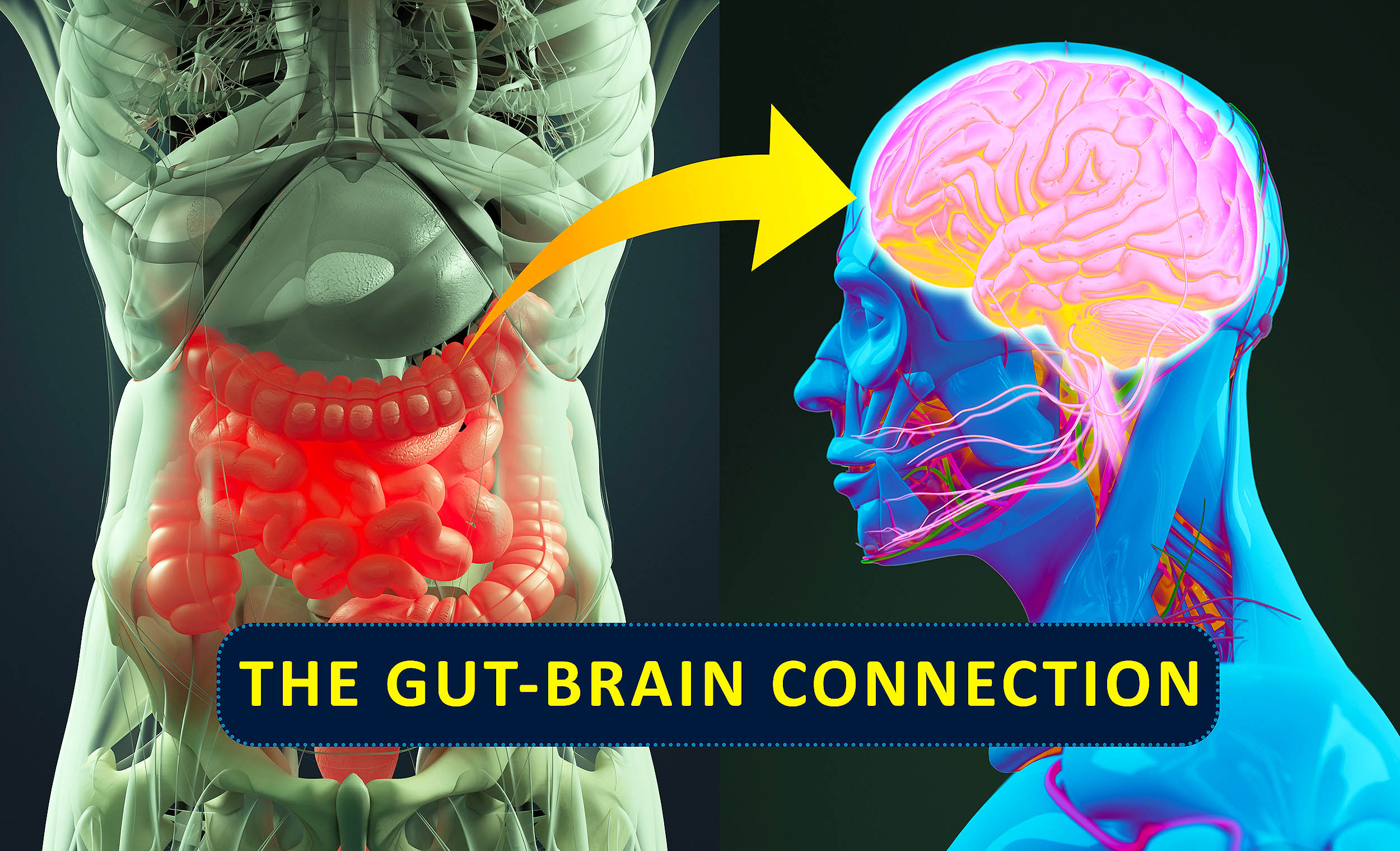
A study suggests that bacteria in the gut, specifically Morganella morganii, can produce molecules modified by environmental contaminants like diethanolamine (DEA), which trigger immune responses linked to depression. This finding highlights a potential molecular mechanism connecting gut microbiome alterations due to pollution with mental health disorders, emphasizing the role of inflammation and immune pathways in depression. Further research is needed to explore this pathway's prevalence and therapeutic implications.