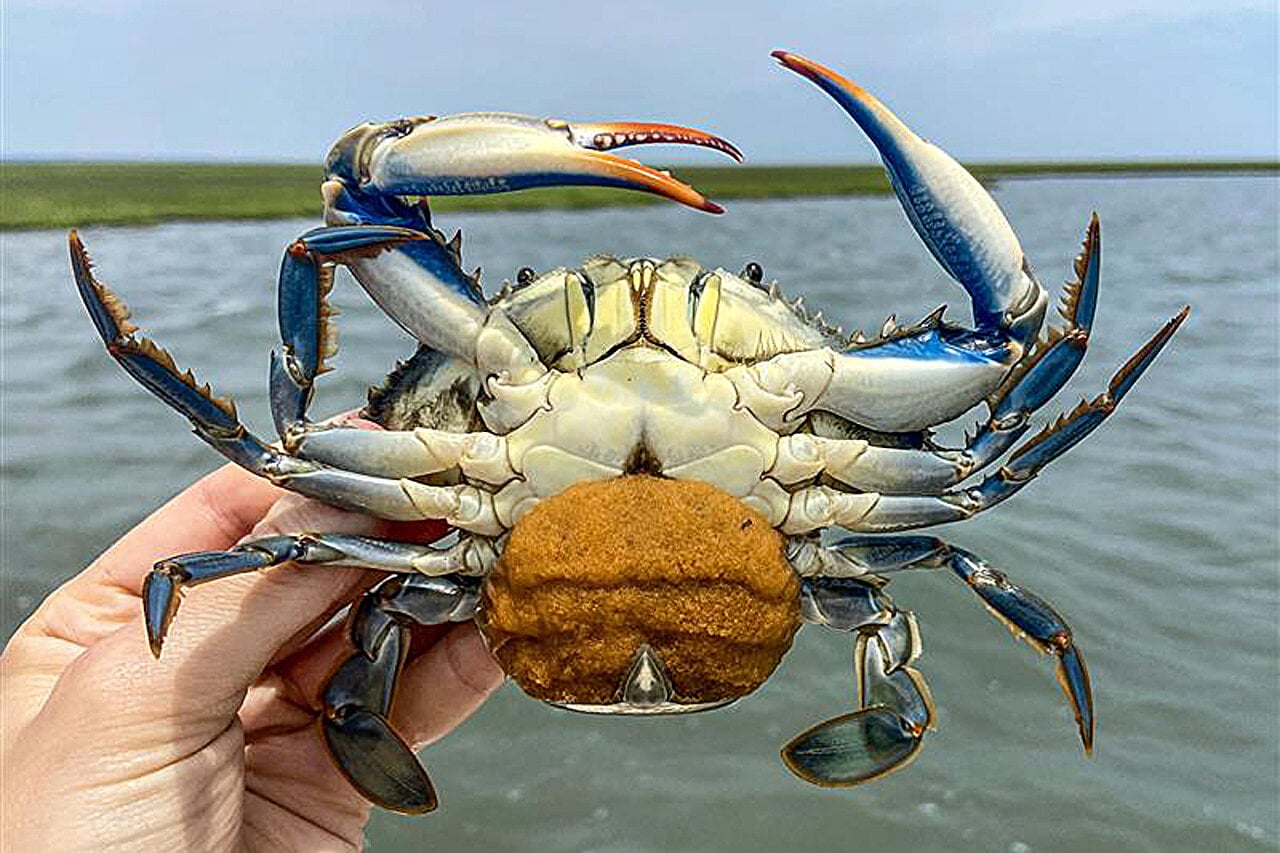
A study suggests that a parasitic, egg-eating worm found on female blue crabs in Chesapeake Bay could serve as a biomarker for their reproductive history, helping to manage and potentially rebuild crab populations by identifying spawning females and understanding reproductive patterns, especially in low-salinity conditions.
The 2024 Chesapeake Bay Blue Crab Winter Dredge Survey estimates 317 million blue crabs, a slight decrease from last year. Spawning age female crabs dropped to 133 million but remain above the overfishing threshold. Juvenile crab numbers rose to 138 million, though still below average. A new stock assessment will begin this summer to reassess management strategies, with results expected by March 2026.
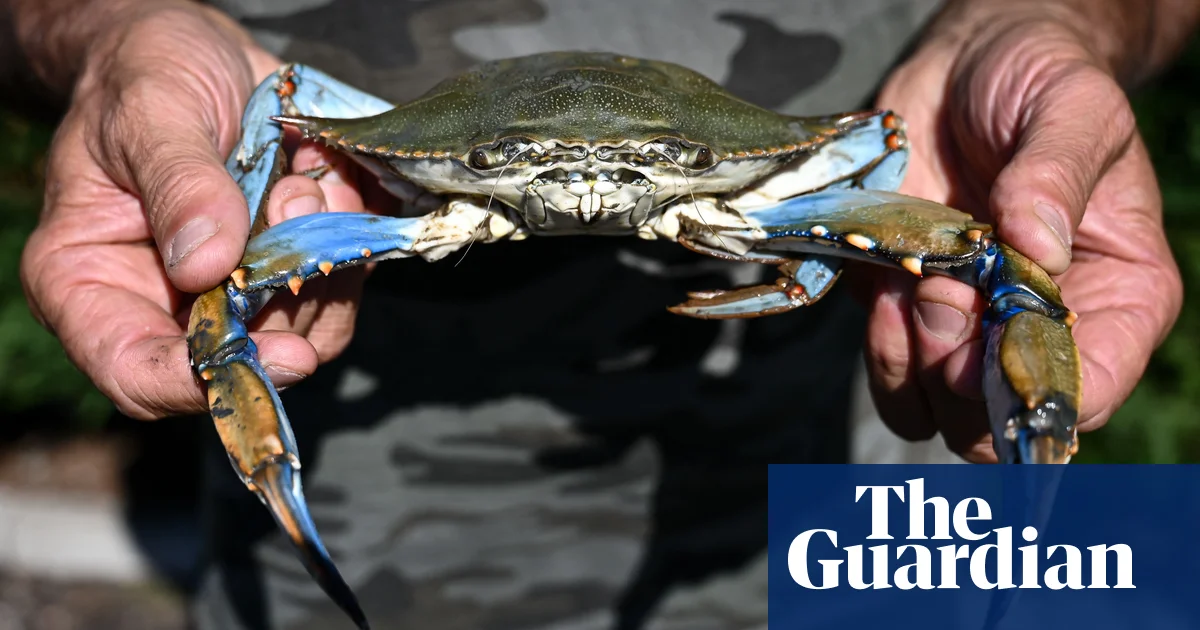
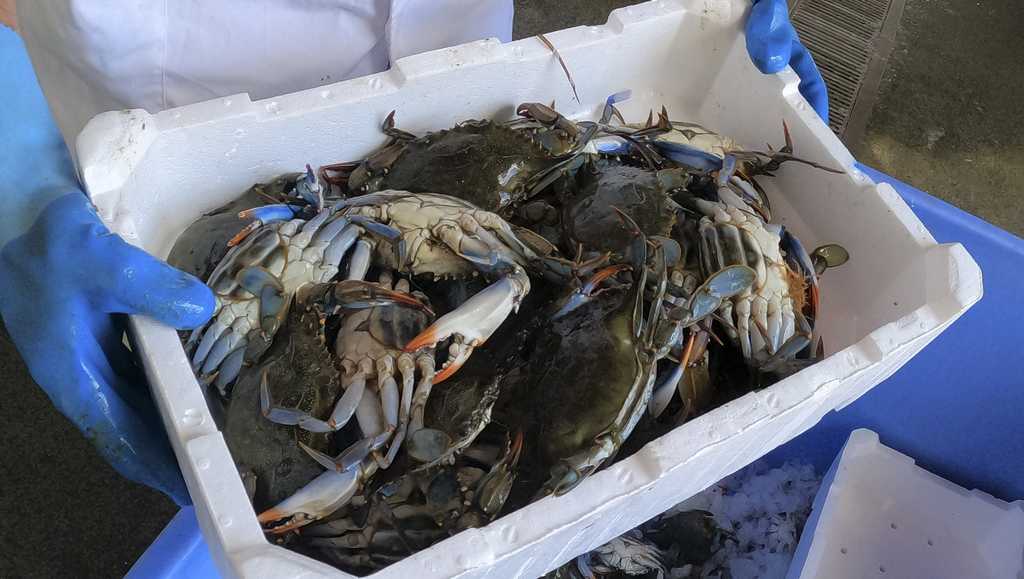
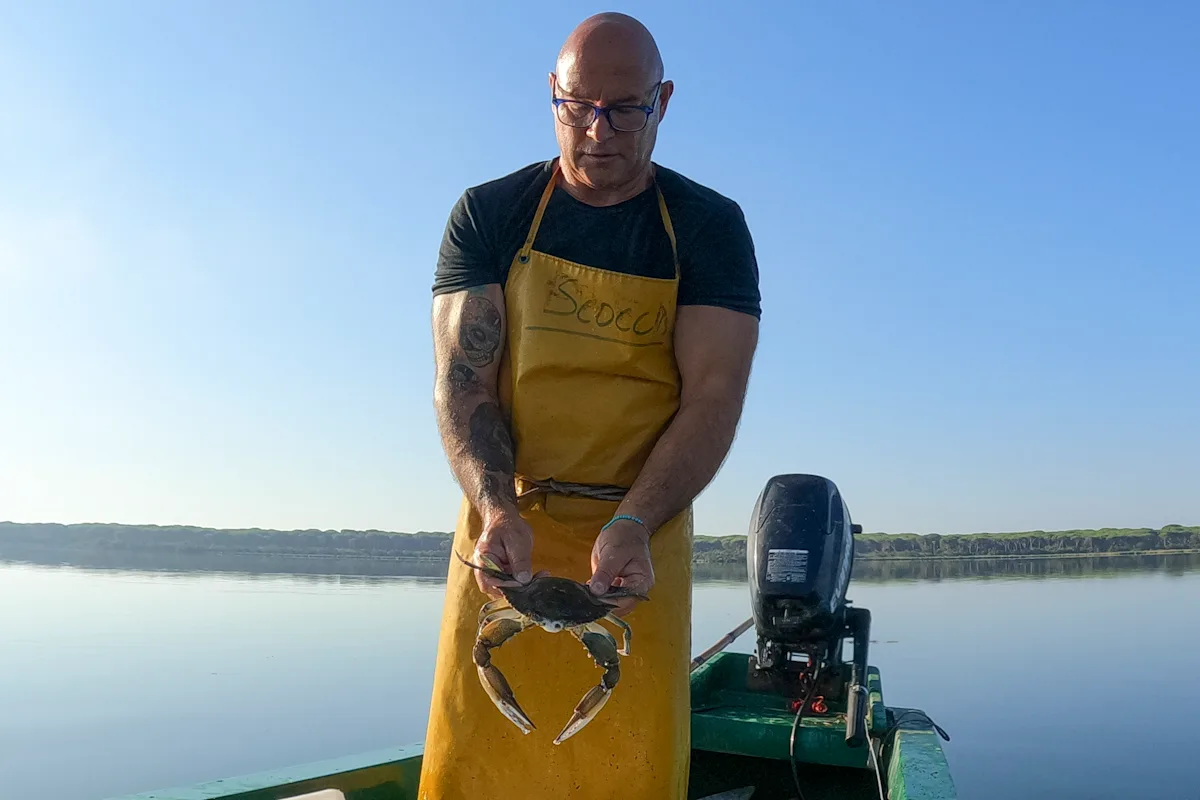
Invasive blue crabs from North and South America are threatening the economy of fishing communities in northern Italy, as they prey on local shellfish and disrupt the country's clam production. The crabs have already caused significant economic damage and have devoured up to 90% of young clams in the Po delta. Efforts to control their population have been largely ineffective, prompting calls for government support. While Rome has allocated funds to control the crabs, there is also a parallel strategy to encourage Italians to consume them. However, not everyone agrees with this approach, arguing for a more serious program to control the invasive species. The blue crabs likely arrived in Italy through shipping and international trade.
Italians are dealing with an invasion of blue crabs, an invasive species that is wreaking havoc on Italy's marine ecosystem and fishing industry. The crabs are devouring stocks of eels, clams, and mussels, causing significant damage to shellfish production. To combat the problem, farm lobby group Coldiretti and fishing associations have been promoting the consumption of blue crabs as a culinary solution. However, the growing population of blue crabs poses a threat to Italy's prized clam harvests and other fish farms. The Italian government has allocated funds to fight the invasion, but the crabs continue to multiply due to favorable conditions.
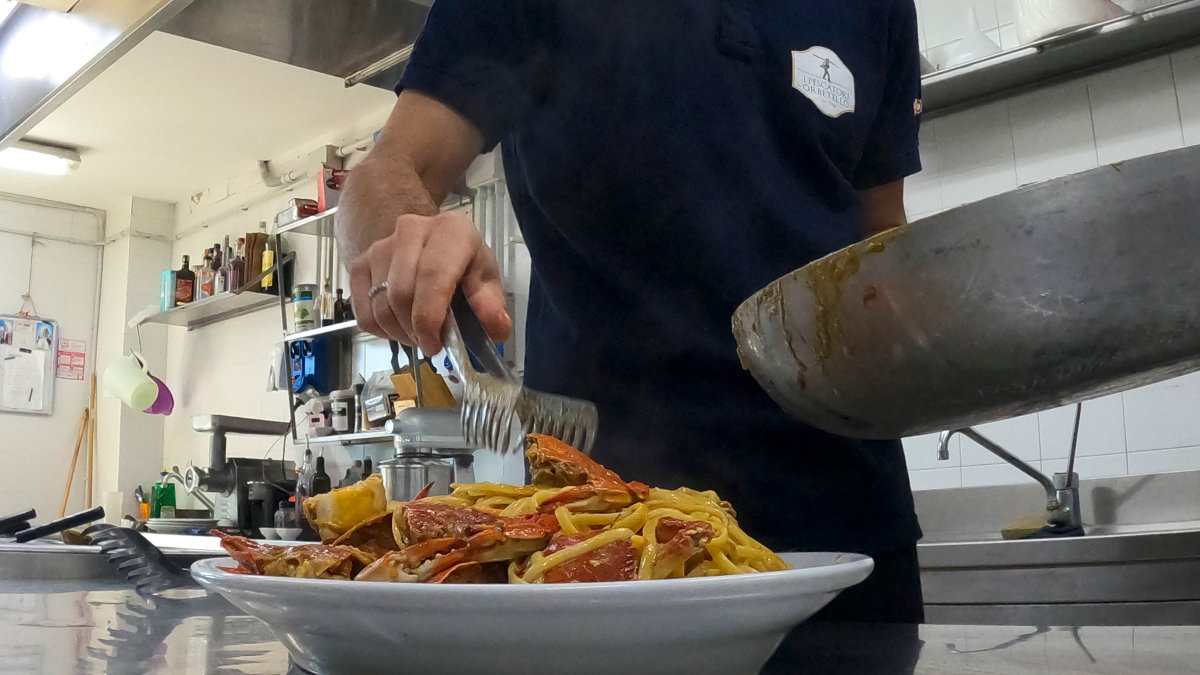
Italy is facing an invasion of Atlantic blue crabs, an invasive species that is wreaking havoc on the country's marine ecosystem and fishing industry. The crabs, which have no natural predators in Italy, are devouring stocks of eels, clams, and mussels, causing significant damage to shellfish production. To combat the problem, Italians are embracing the "if you can't beat them, eat them" approach and introducing blue crabs to their cuisine. However, the growing population of blue crabs poses a serious threat to Italy's prized clam harvests and other fish farms. The government has allocated funds to fight the invasion, but the crabs continue to multiply due to favorable environmental conditions.
Italy is grappling with an invasion of blue crabs, an invasive species that is wreaking havoc on the country's marine ecosystem and fishing industry. The crabs, which have no natural predators in Italy, are devouring stocks of eels, clams, and mussels, causing significant damage to shellfish production. To combat the problem, Italians are embracing the "if you can't beat them, eat them" approach, introducing blue crabs to their cuisine. However, the surge in blue crab population poses a potentially devastating threat to Italy's prized clam harvests, which are a key ingredient in dishes like spaghetti alle vongole. The Italian government has allocated funds to fight the invasion, but the problem extends beyond shellfish production, affecting other types of fish farms as well.