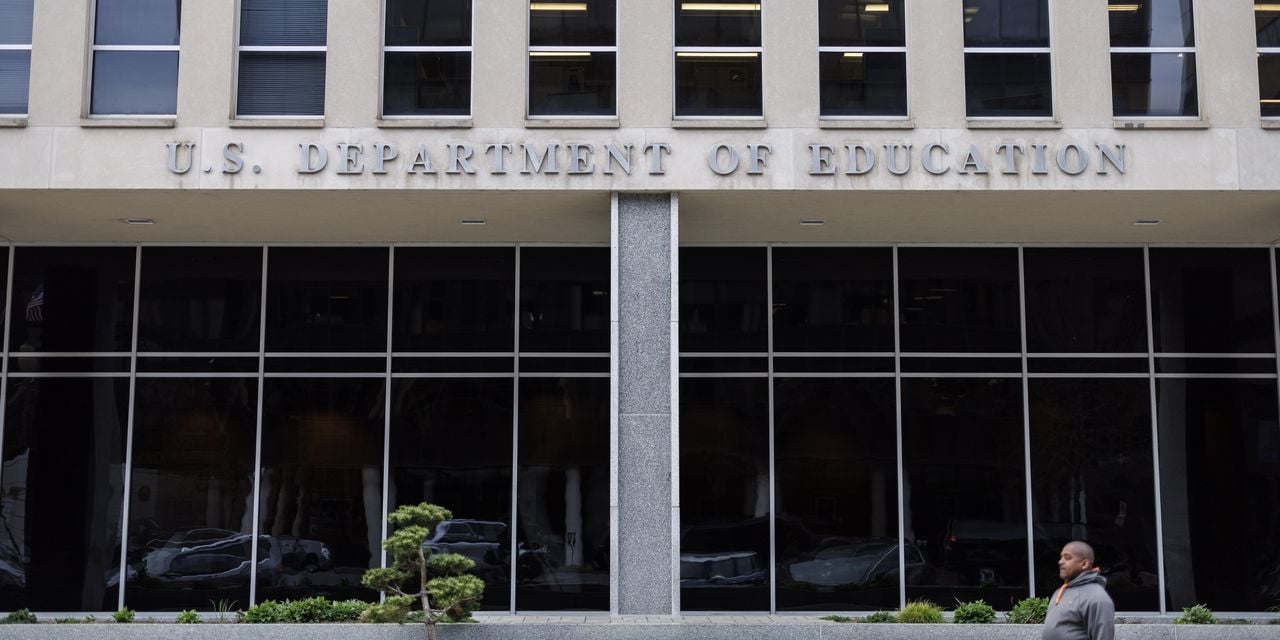
The Biden administration has ordered Grand Canyon University to pay a record $37.7 million fine for misleading doctoral students about tuition costs. The Phoenix-based Christian school, with an enrollment of over 100,000 students, will also be subject to special disclosure requirements for the next few years.
California has passed a groundbreaking law that will require large companies, including major global corporations, to disclose their carbon emissions. This is the first law of its kind in the United States and could serve as a blueprint for national climate accountability. The law will apply to companies with annual revenues exceeding $1 billion and will require them to publicly disclose their carbon emissions by 2026, including emissions from their supply chains and customers. The law also includes provisions for disclosing climate-related financial risks. While the law has faced opposition from business interests, including the fossil fuel industry, supporters believe it will provide transparency and make it harder for companies to "greenwash" their environmental impact.
The Securities and Exchange Commission (SEC) has adopted amendments to the Investment Company Act "Names Rule" to prevent misleading or deceptive investment fund names. The amendments require funds with names suggesting a particular investment focus to adopt an 80 percent investment policy, review their portfolio assets quarterly, and comply with enhanced prospectus disclosure requirements. The amendments also introduce additional reporting and recordkeeping requirements. The new rules aim to align a fund's portfolio with its name, promote fund integrity, and protect investors. The amendments will become effective 60 days after publication in the Federal Register, with compliance deadlines ranging from 24 to 30 months depending on the fund's net assets.
US financial regulators have approved new rules aimed at reducing the cost of bank failures. The rules include a requirement for banks with at least $100 billion in assets to issue around $70 billion in long-term debt to absorb losses in case of insolvency. This is intended to prevent banks from tapping into the FDIC's Deposit Insurance Fund (DIF). The FDIC also proposed a rule that would force banks to disclose more details on how they could be managed if they were to fail. Critics argue that these rules could harm banks and restrict financing to small businesses.
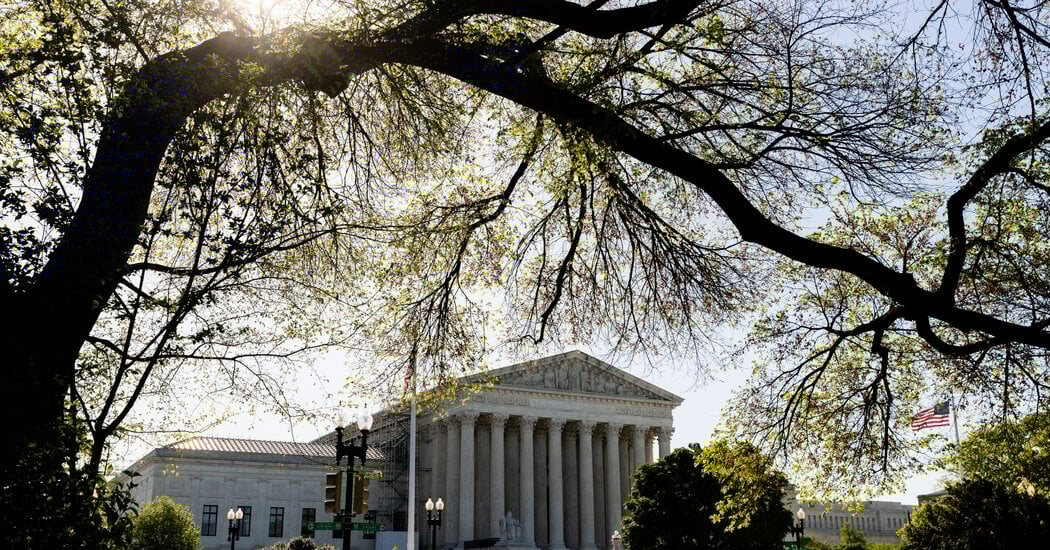
Retired conservative judge J. Michael Luttig has called for new ethics rules for Supreme Court justices, joining a chorus of legal experts from across the political spectrum. The Senate Judiciary Committee is holding a hearing on Supreme Court ethics, and lawmakers are expected to hear from five experts. Calls for the Supreme Court justices to be subject to an ethics code have grown in recent weeks after revelations about justices’ gifts, luxury travel, and property deals highlighted how few reporting requirements are in place and how the justices are often left to police themselves.
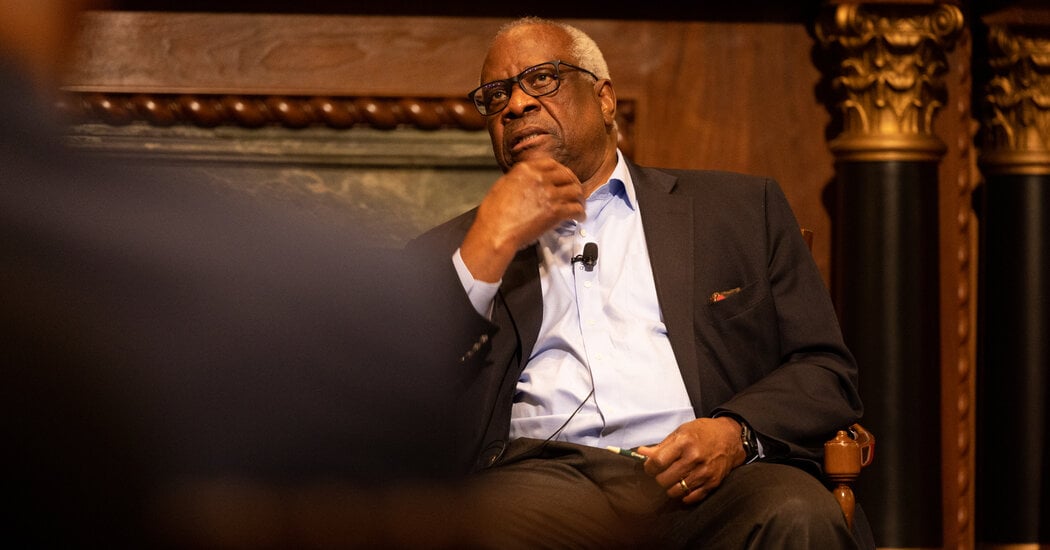
Justice Clarence Thomas failed to disclose a real estate deal worth over $100,000 with Texas billionaire Harlan Crow in 2014, which appears to be a direct violation of disclosure requirements. This is the first known instance of money going directly from Crow to the justice. Thomas has long raised eyebrows over questions of conflicts of interest, in part because of the political activism of his wife, Virginia Thomas. The revelation has fueled calls for the justices to face tighter ethics constraints.