U.S. banking regulators are conducting health checks on regional lenders following New York Community Bancorp's disappointing earnings and dividend cut, with concerns about the health of the sector persisting. Regulators have been inquiring about liquidity, impact on deposit flows, and worries from customers, particularly regarding commercial real estate (CRE) loans. The heightened monitoring includes conversations around every area of operation to ensure that banks are resilient, as smaller banks account for nearly 70% of all CRE loans outstanding.
Approximately 44% of office properties in the U.S. are underwater on their loans, posing a threat to banks as loan defaults could result in billions of dollars in losses. A 10% default rate on commercial real estate loans could lead to potential losses of $80 billion, putting many regional banks at risk of solvency runs. The rising cost of debt and doubling interest rates since the loans were originated make it difficult for a significant portion of CRE loans and office loans to refinance when debt matures. The Federal Reserve's potential rate cuts in 2024 may alleviate distress, but the exposure of banks to CRE distress remains a serious risk to their survival.
New York Community Bank (NYCB) reported an increase in distressed debt in the second quarter of 2023, primarily driven by multifamily mortgages and non-real estate loans. The uptick in delinquencies was attributed to the bank's recent acquisitions, including its merger with Flagstar Bank and the purchase of post-collapse Signature Bank loans. While NYCB emphasized the health of its original loan book, multifamily delinquencies have been on the rise, particularly among rent-stabilized landlords. Additionally, commercial real estate loans have also seen an increase in delinquencies, with office loans being a significant concern. Despite these challenges, NYCB's acquisition of Signature Bank helped boost profits in the second quarter.
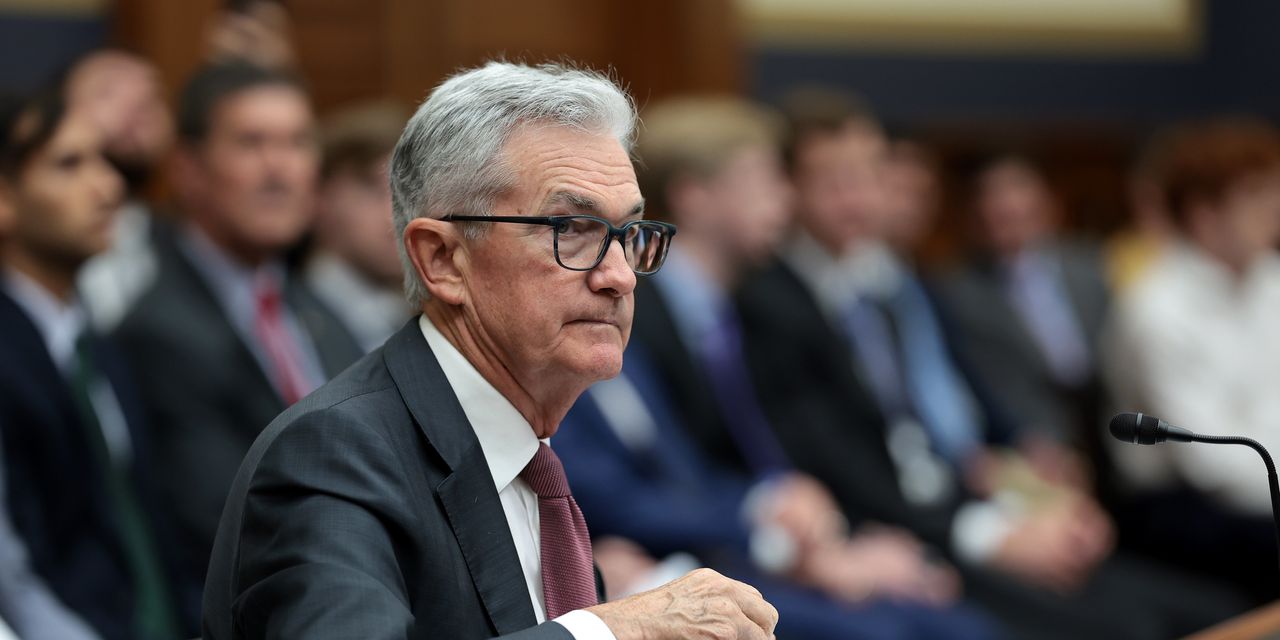
Federal Reserve Chair Jerome Powell said it is possible that inflation can cool without a large increase in the unemployment rate. Powell repeated that a “strong majority” of Fed officials think the Fed will engineer two more 25 basis point rate hikes by the end of the year. Powell also said that the Fed is working with small banks that have a concentration in commercial real estate loans.
Shares of large and mid-sized US banks, including Wells Fargo, Morgan Stanley, Bank of America, Goldman Sachs, JPMorgan Chase, and Citigroup, sharply underperformed the broader market due to concerns about potential losses from office real estate loans. Executives from Wells Fargo and Blackstone spoke about the "unprecedented weakness" in older office buildings, causing investors to worry about the banks' exposure to commercial real estate loans. The S&P 500 Banks Index closed down 2.0%, while the benchmark S&P 500 Index fell 0.6%.
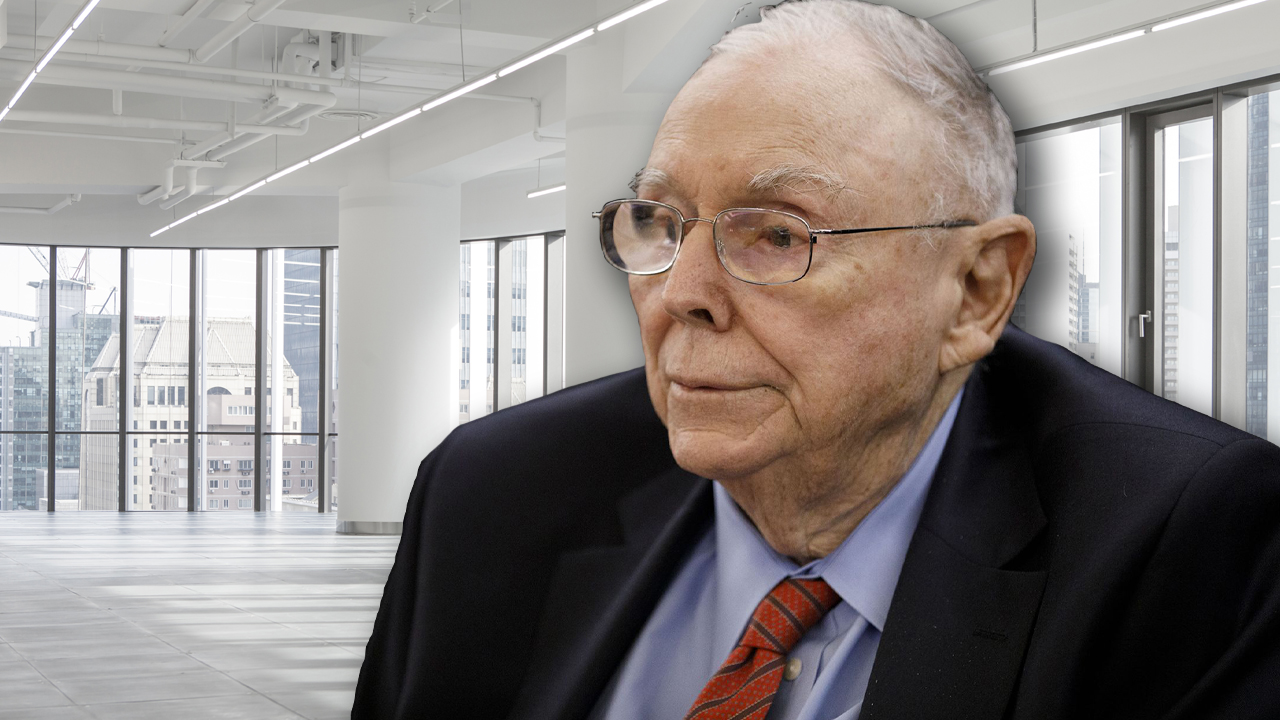
Charlie Munger, the vice chairman of Berkshire Hathaway, has raised concerns over the poor-quality commercial real estate loans held by American banks. Despite the recent collapse of three major U.S. banks and the expected seizure of First Republic Bank by the federal government, Munger emphasized that the current situation is not as severe as the 2008 financial crisis. American banks hold nearly $1.5 trillion in debt, which is due by the end of 2025, and the decreasing value of this property has raised concerns. Munger expressed optimism that the economy’s current troubles will not be as severe as they were back then.