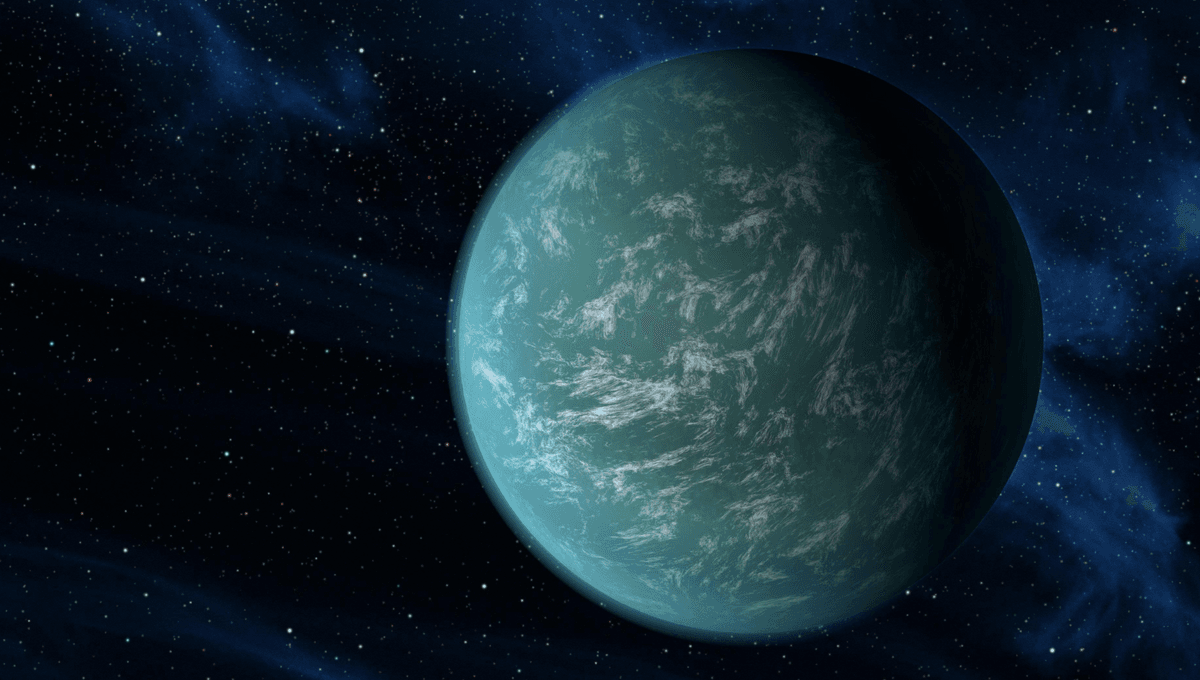
Recent research suggests that truly Earth-like planets with the right atmospheric conditions for complex life are extremely rare, especially around red dwarf stars, and the likelihood of discovering intelligent extraterrestrial civilizations may be much lower than previously thought, possibly even nonexistent in our galaxy.
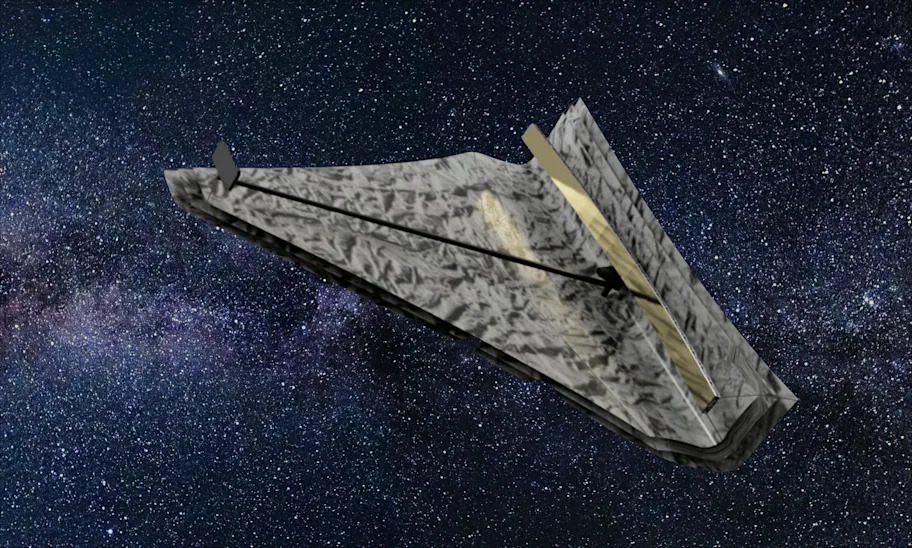
A new study proposes that a rectangular space telescope, similar in size to the James Webb Space Telescope but with a 1x20 meter mirror, could be more efficient and cost-effective for detecting Earth-like exoplanets in habitable zones around nearby sun-like stars, potentially finding about 30 promising planets within three years.
Recent research indicates that low-mass stars, particularly M-dwarfs, frequently host Earth-like planets, with four new exoplanets discovered, suggesting these stars are promising targets in the search for habitable worlds.
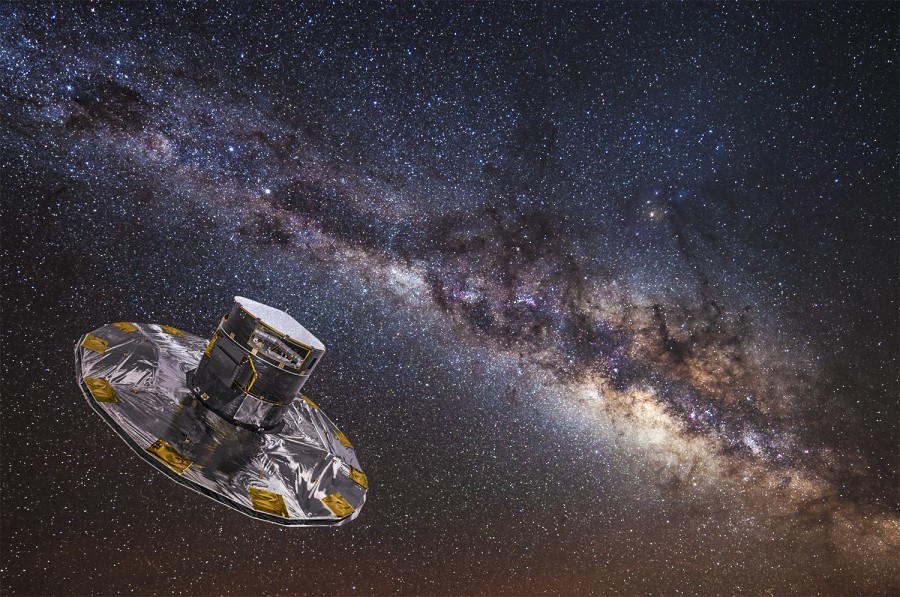
The European Space Agency's Gaia mission, which aims to map over one billion stars in the Milky Way, has the potential to detect Earth-like planets up to 30 light-years away using astrometry. Gaia's astrometry method allows for more accurate determination of an exoplanet's orbital parameters and can detect planets far away from their host stars. If advanced astrometry precision is achieved, Gaia could detect the four giant planets in our solar system within 100 years. Additionally, over 300 stars within ten parsecs from our solar system could potentially detect Earth if they achieve microarcsecond accuracy. The possibility of extraterrestrial intelligences (ETIs) using similar technology to Gaia raises the question of whether they could discover planets in our solar system, including Earth.
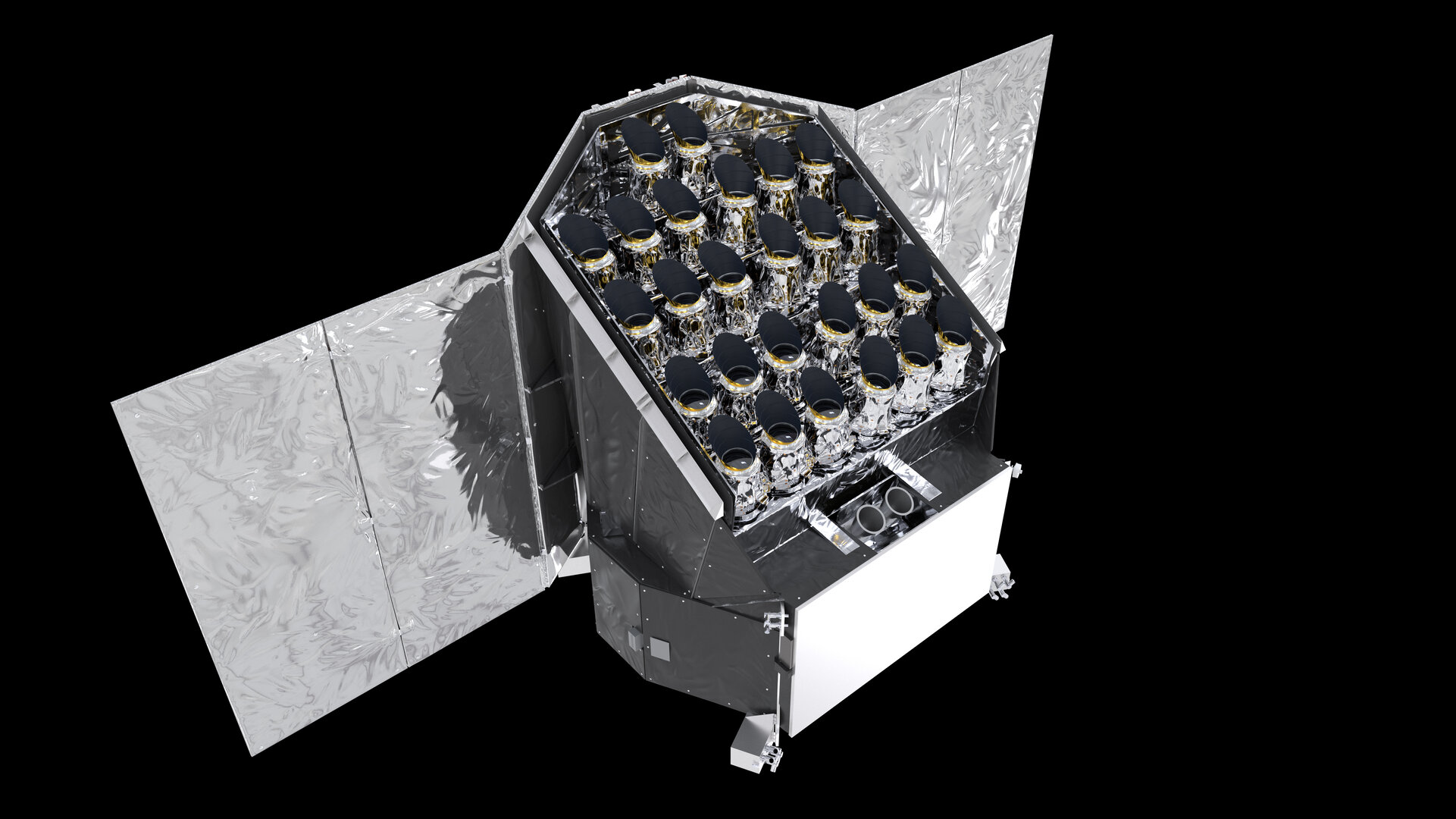
The upcoming PLATO mission by the European Space Agency (ESA) is expected to be the most successful planet hunter ever. A recent study estimates that PLATO could detect tens of thousands of exoplanets, including a minimum of 500 Earth-sized planets and up to a dozen with favorable orbits around Sun-like stars. The study used a tool called PYPE to combine statistical approaches, planet formation models, and data from the Kepler space telescope. The results will help refine planet formation models and provide insights into the prevalence of Earth-like planets, narrowing the search for habitable worlds.
The definition of an Earth-like planet is subjective and varies depending on the criteria used. While some consider any rocky planet within a certain mass range to be Earth-like, others argue that it should also have a temperate temperature and a potentially habitable atmosphere. The presence of abundant life, particularly an oxygen-rich atmosphere, would greatly contribute to a planet being considered Earth-like. However, determining these factors is challenging, and the boundaries of what qualifies as Earth-like may narrow as more candidates are discovered.