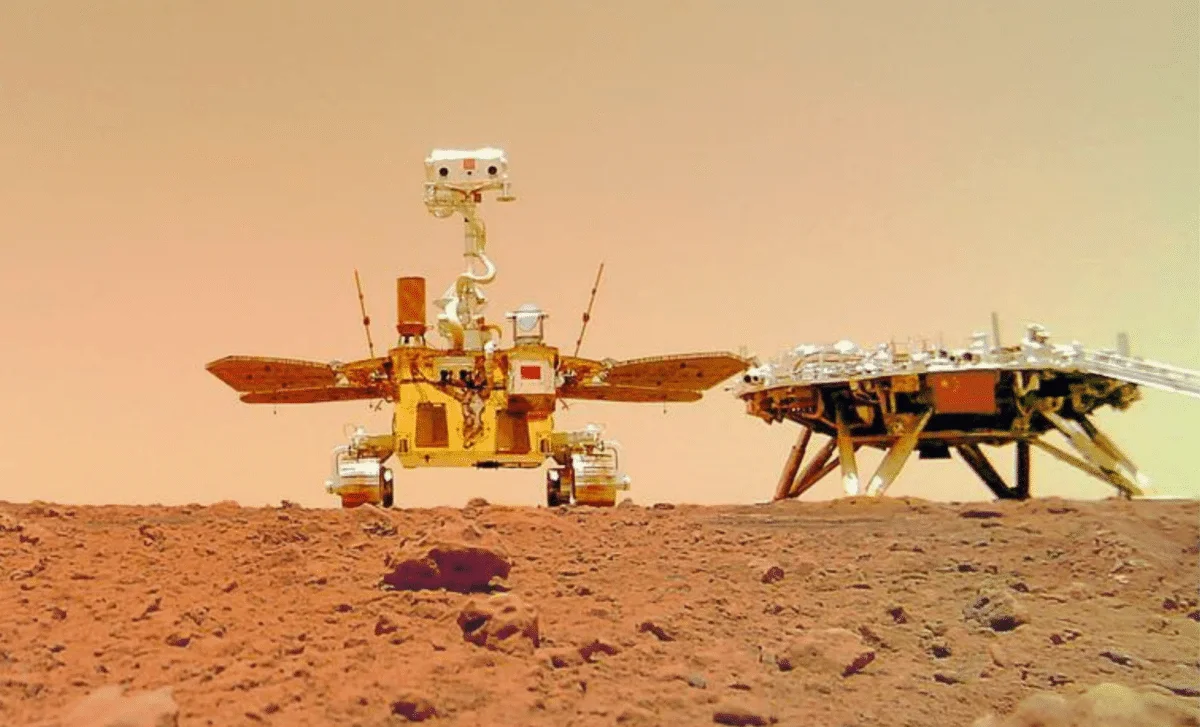
China’s Mars rover Zhurong has discovered evidence that liquid water persisted on Mars much later than previously believed, indicating the planet may have had habitable conditions for hundreds of millions of years longer, which has significant implications for understanding Mars’ climate, geology, and potential to support life.
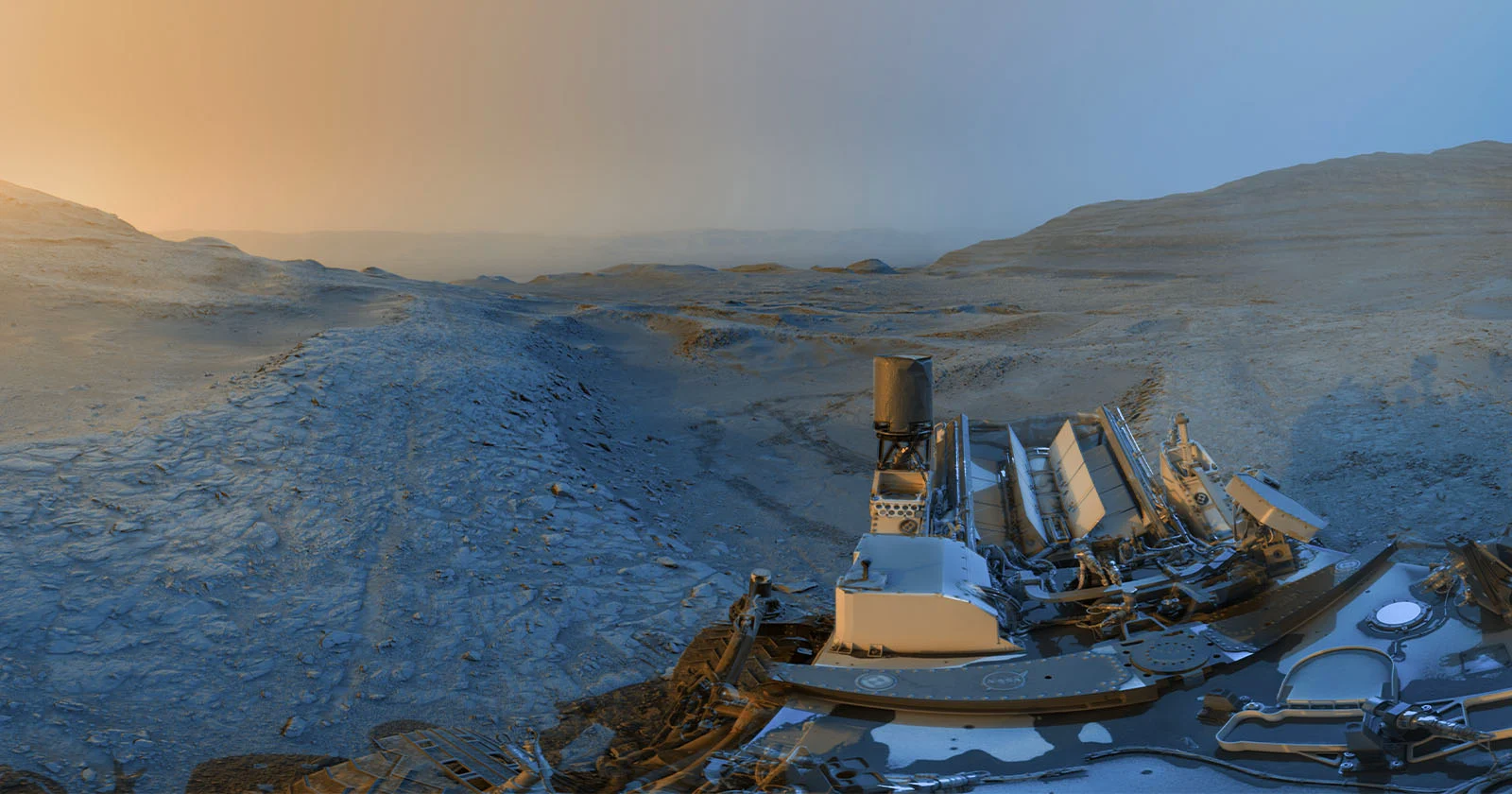
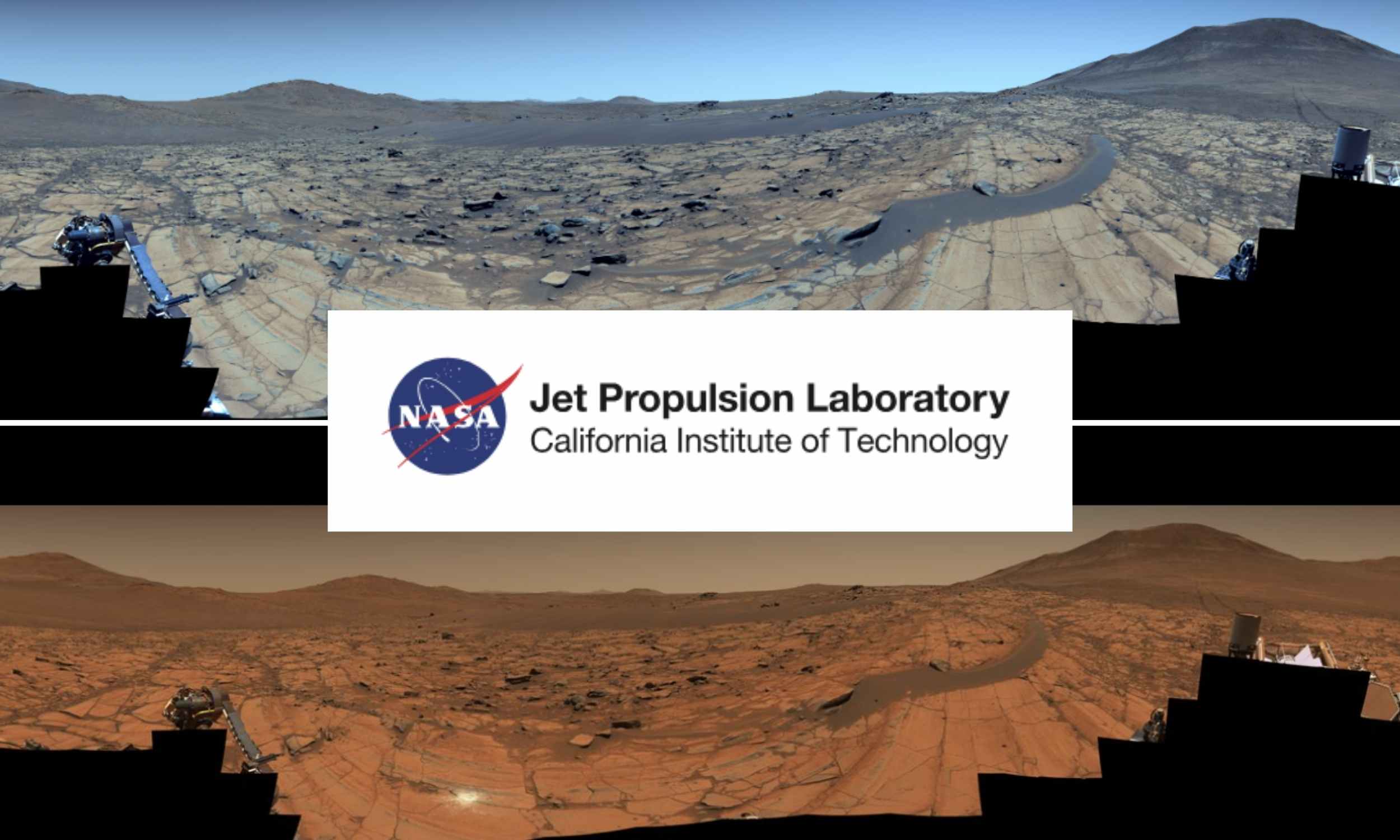
NASA's Curiosity rover created a panoramic 'postcard' of Mars by combining images taken at different times of day, revealing the planet's geological features and its watery past, with artistic color enhancements to highlight the scene.
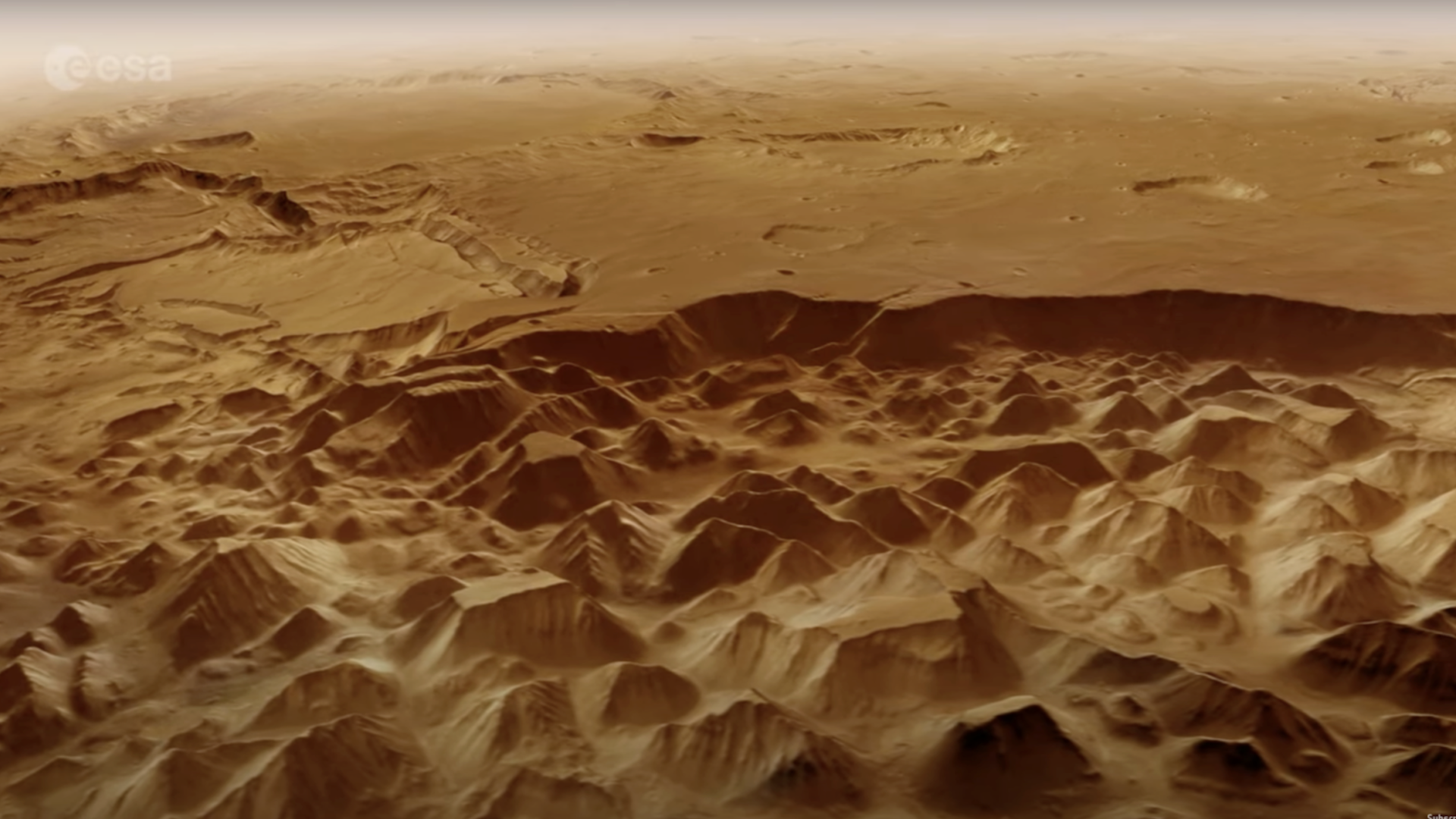
A new satellite video from ESA offers a mesmerizing flyover of Mars' Xanthe Terra region, highlighting a 1300 km outflow channel called Shalbatana Vallis and other geological features formed by ancient water floods, providing insights into the planet's history and ongoing exploration efforts by the Mars Express spacecraft.
NASA's Perseverance rover captured an unprecedented detailed 360-degree panorama of the Martian surface at Falbreen, revealing diverse rock textures, mineral compositions, and geological features that aid in understanding Mars' history and selecting samples for future analysis.
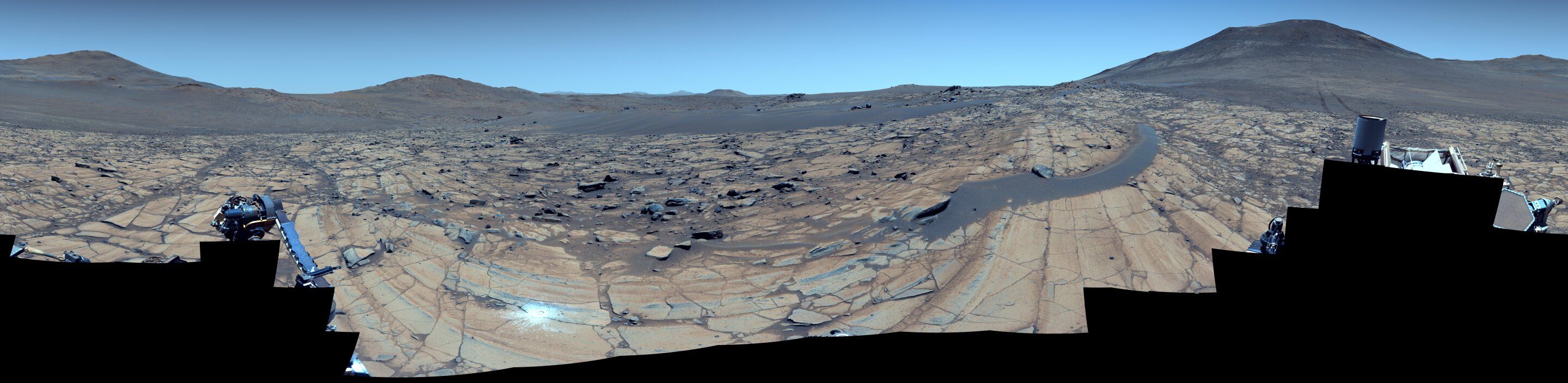
NASA's Curiosity rover has reached a stable and scientifically valuable location in Gale Crater on Mars, enabling detailed analysis of ancient water-related mineral formations and geological fractures that could reveal insights into Mars' past climate and water history. The rover is now conducting high-resolution imaging and chemical analyses, preparing for autonomous exploration and atmospheric studies to better understand the planet's habitability and environmental conditions.
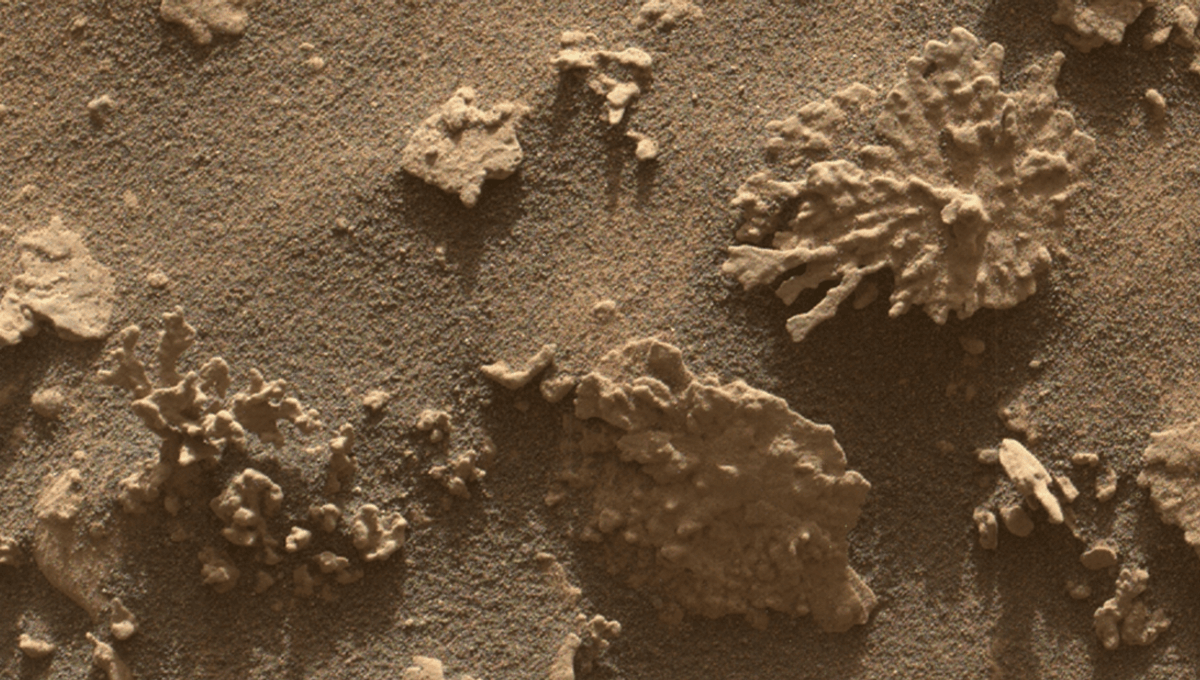
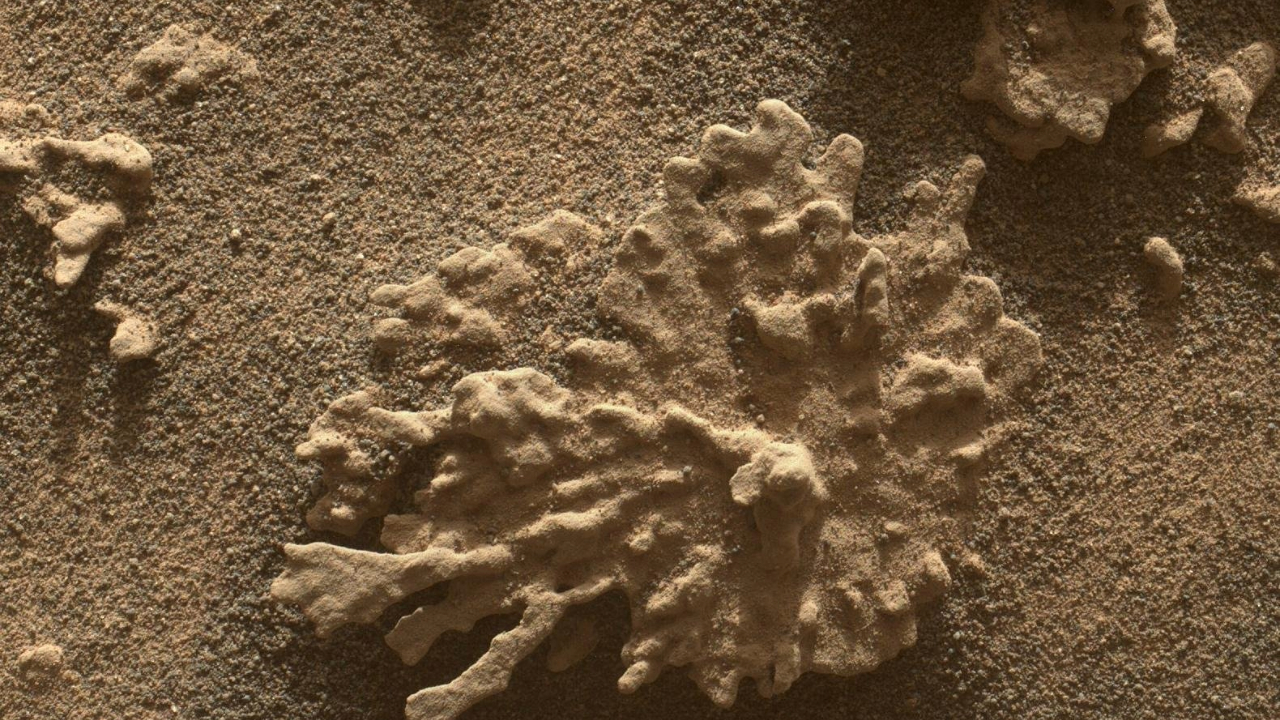
NASA's Curiosity rover discovered a coral-shaped rock on Mars that formed billions of years ago when liquid water existed on the planet, indicating Mars once had a wetter environment. The rock's unique shape results from natural mineral deposits and erosion, providing evidence of ancient water activity on Mars.
NASA's Perseverance rover captured a highly detailed 360-degree panorama of Mars at Falbreen, showcasing clear skies, diverse terrain, and geological features, including a large transported rock and a boundary between different rock types, highlighting the mission's ongoing scientific discoveries.
NASA's Curiosity rover celebrates 13 years on Mars, continuing its mission to study the planet's past, including signs of ancient water and microbial life, while adapting to energy constraints with new software upgrades that improve efficiency and autonomy. It recently captured a coral-shaped rock called 'Paposo,' indicating Mars' wetter past, and remains in good health thanks to engineering innovations and strategic energy conservation.
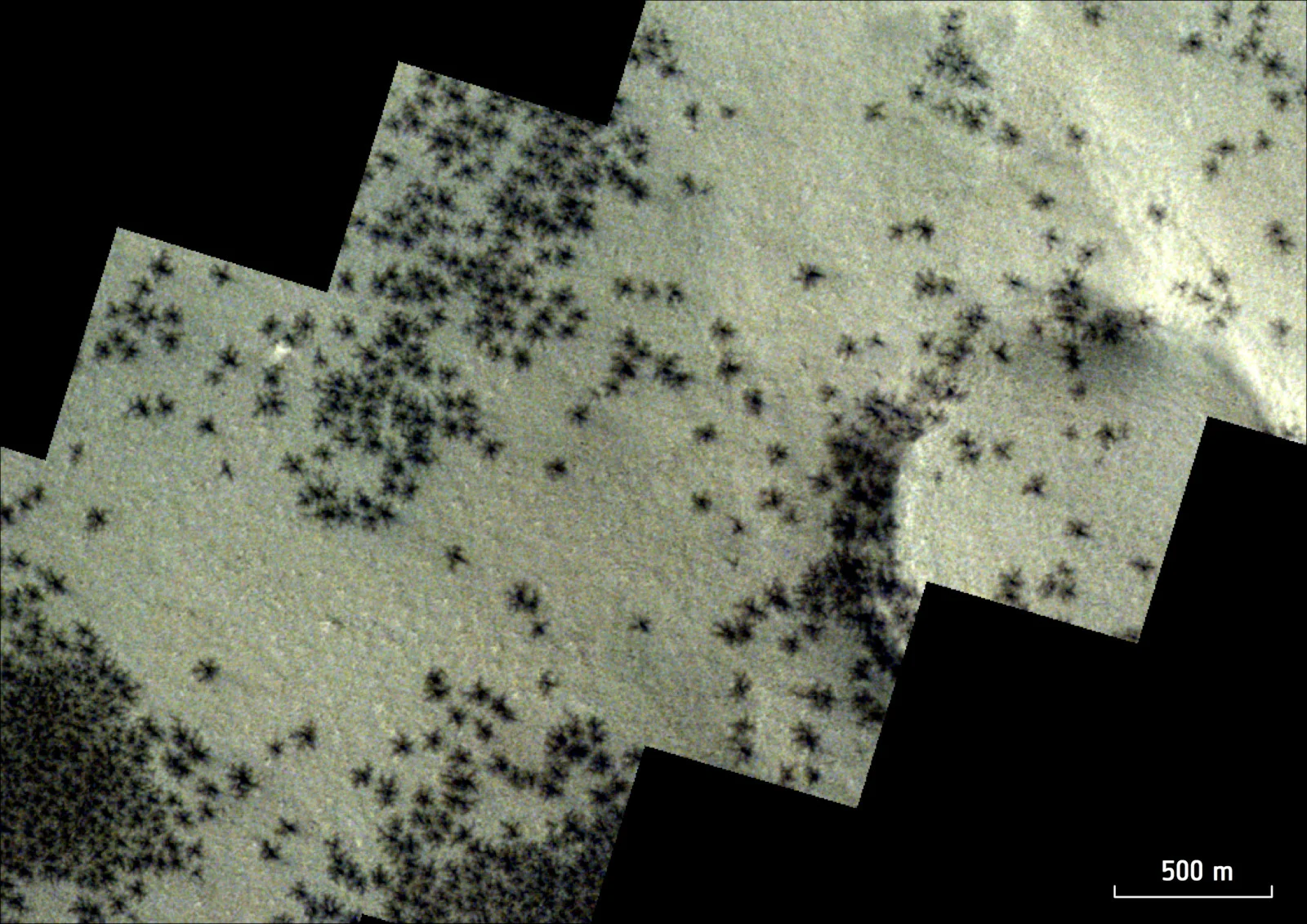
NASA researchers have successfully recreated the spider-like geological structures on Mars, known as araneiform terrain, in a lab by simulating the planet's cold, low-pressure conditions. These features are formed by seasonal sublimation of CO2 ice, which causes gas buildup and surface cracking, creating the distinctive spider shapes. The findings help understand Mars' climate history and geological processes.
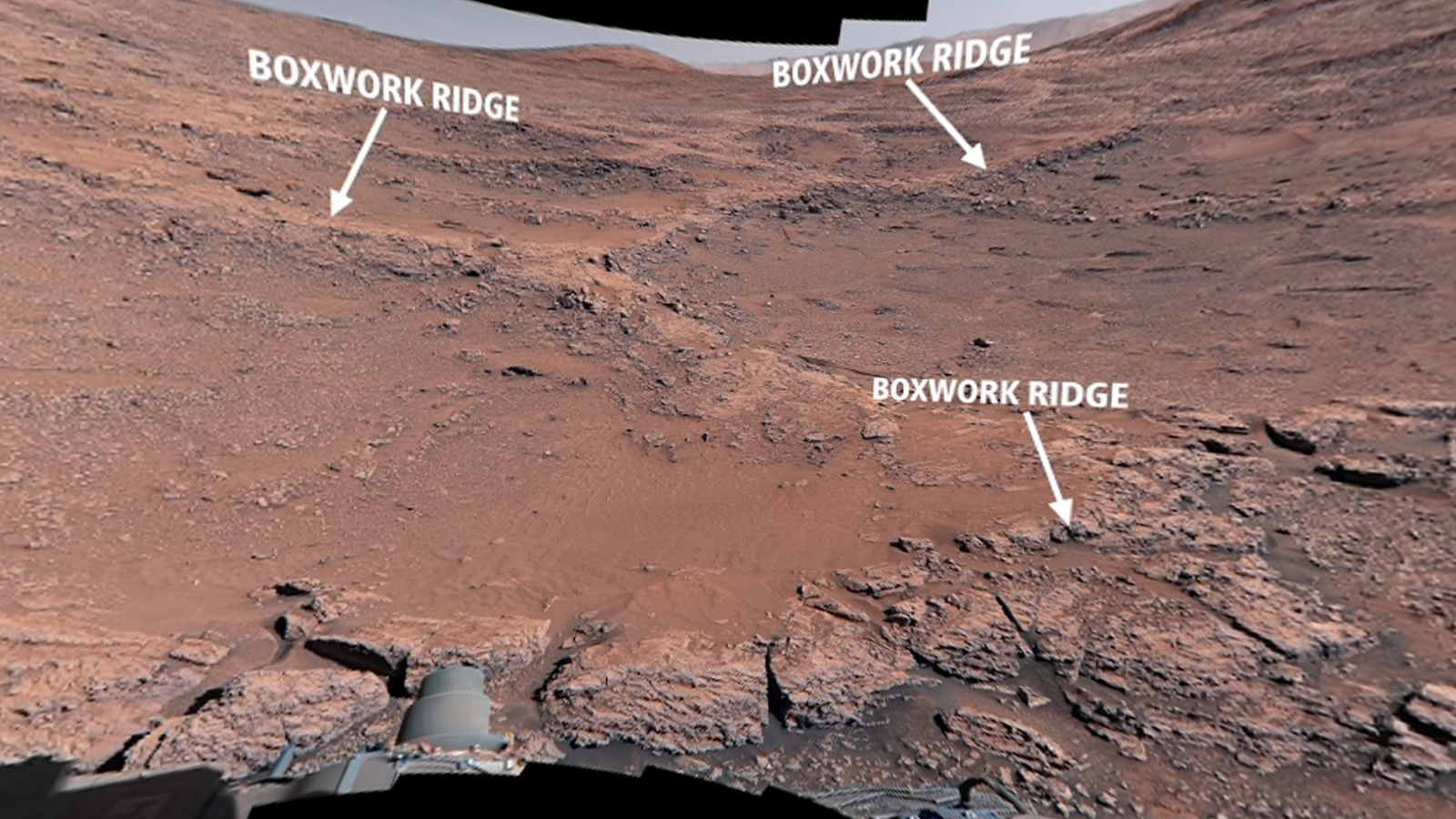
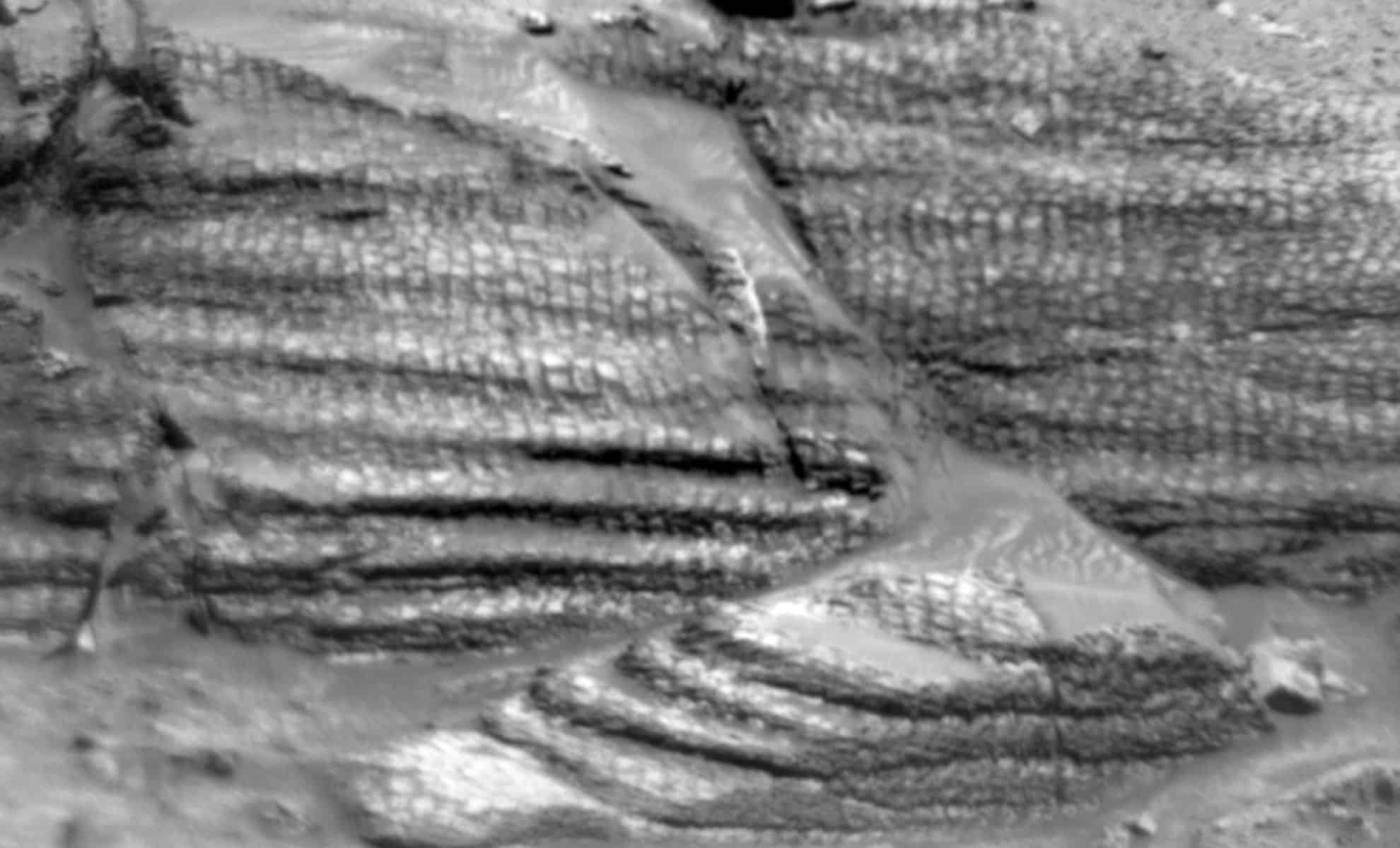
NASA's Curiosity rover has captured the first close-up images of large, web-like mineral formations called 'boxwork' on Mars, which are believed to be formed by ancient groundwater activity. These structures, found on Mount Sharp in Gale Crater, could provide insights into Mars' watery past and potential habitability, and contain minerals like calcium sulfate that suggest past water presence.
NASA's Curiosity rover has successfully positioned itself in a stable location on Mars, enabling detailed geological analysis of rocks and formations that suggest past water activity, while preparing for a new 54-meter drive to continue its scientific exploration and atmospheric studies.