Tag

Life On Mars

All articles tagged with #life on mars

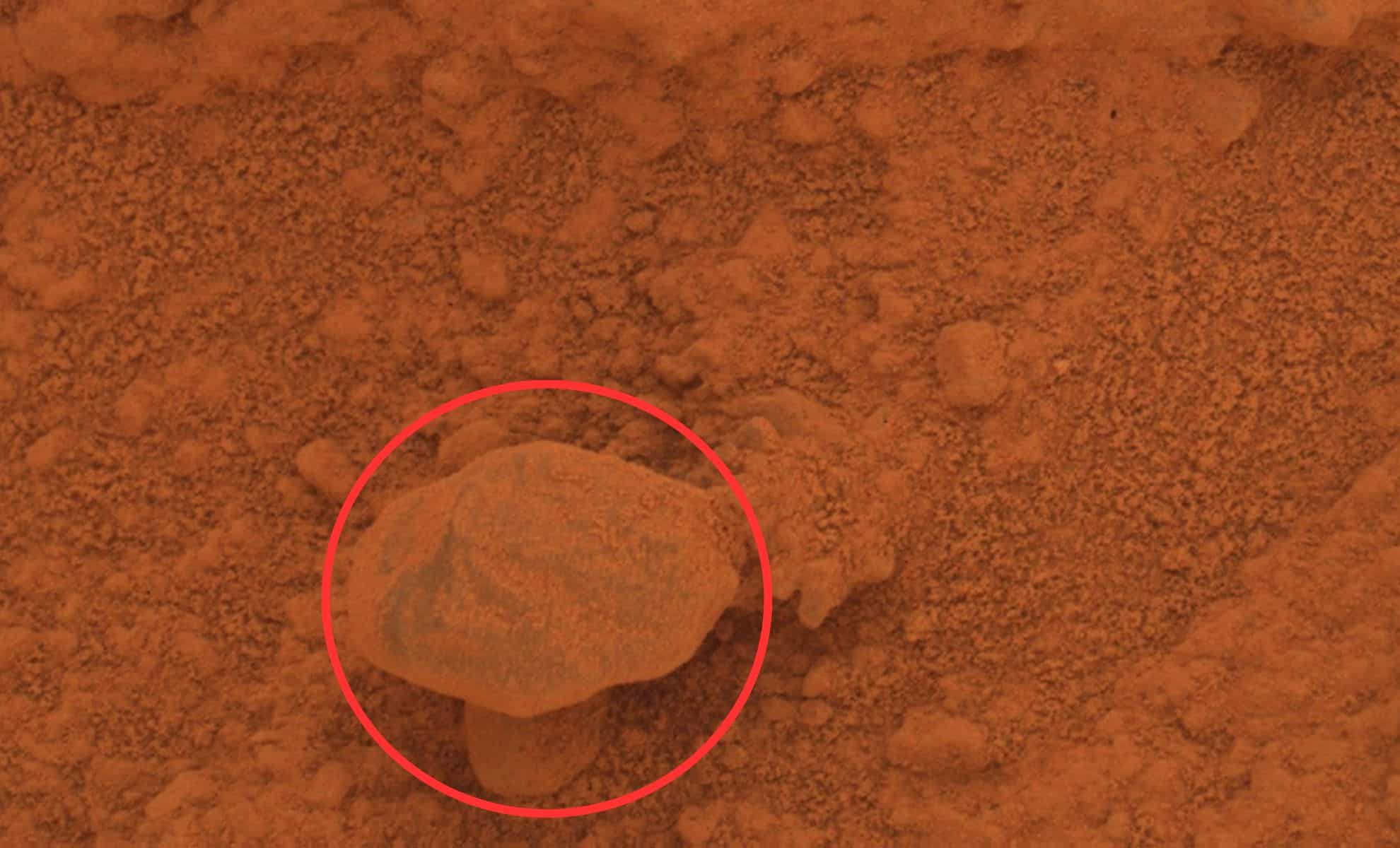
Mysterious 'Mushroom' Spotted on Mars Sparks Life Speculation

Originally Published 6 months ago — by The Daily Galaxy

Featured image for Mysterious 'Mushroom' Spotted on Mars Sparks Life Speculation
Source: The Daily Galaxy

A photo taken by NASA's Curiosity rover shows a mushroom-like formation on Mars, sparking speculation about potential signs of life. Experts suggest it is likely a natural geological formation shaped by wind erosion, and the harsh environmental conditions on Mars make surface life unlikely, though subsurface habitats could still harbor life.

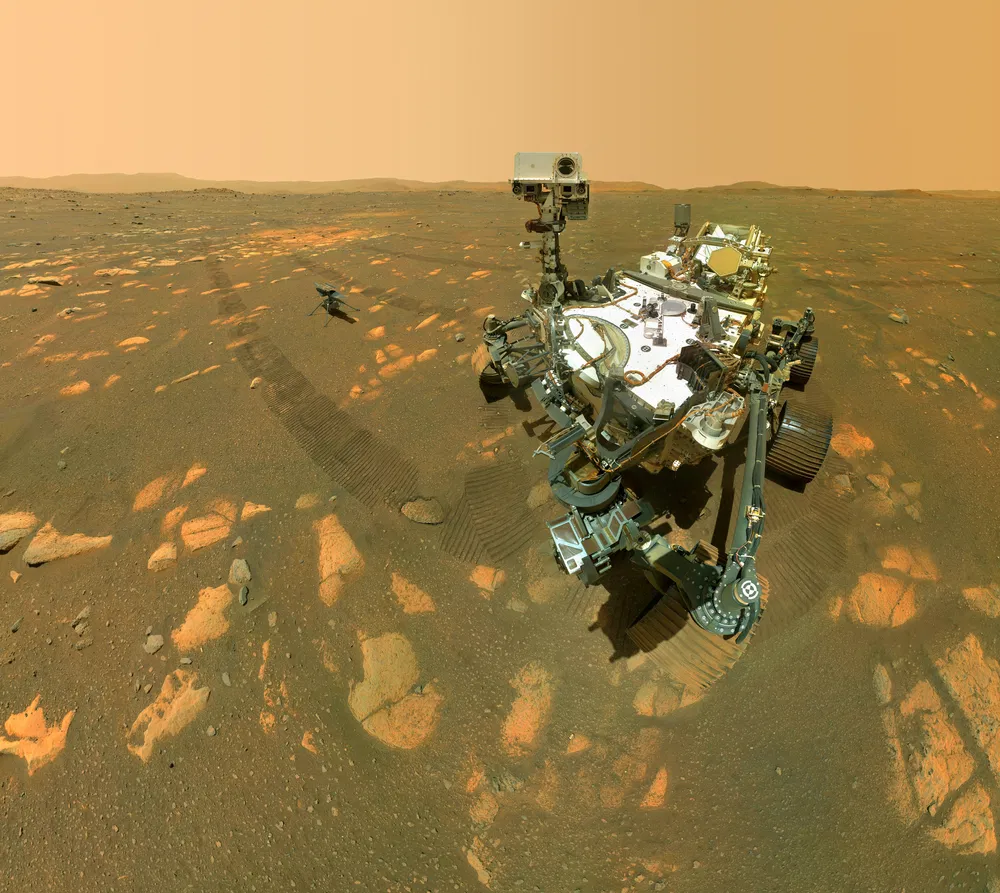
NASA's Perseverance Rover Sparks Debate Over Mysterious Green Spots on Mars

Originally Published 1 year ago — by Euro Weekly News

Featured image for NASA's Perseverance Rover Sparks Debate Over Mysterious Green Spots on Mars
Source: Euro Weekly News

NASA's Perseverance Rover has discovered greenish spots on Martian rocks, sparking excitement and speculation about the possibility of ancient life on Mars. These green stains, found on August 19, 2024, resemble Earth's 'red beds,' which can result from water and microbial activity. While this discovery has reignited interest in Mars' potential to harbor life, NASA urges caution as further analysis is needed to determine the nature of these green spots. The findings suggest Mars may have had conditions suitable for life, but definitive evidence is still pending.

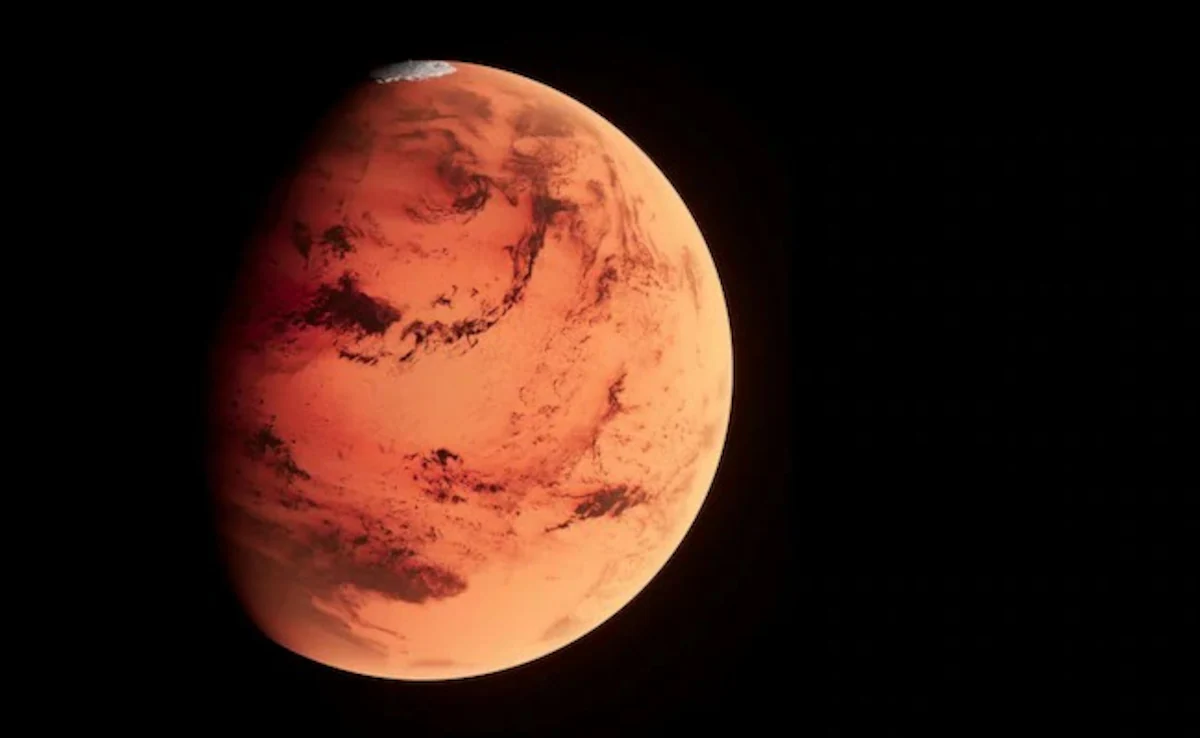
New Study Suggests Mars Was Habitable More Recently Than Believed

Originally Published 1 year ago — by NDTV

Featured image for New Study Suggests Mars Was Habitable More Recently Than Believed
Source: NDTV

A new study from Harvard's Paleomagnetics Lab suggests that Mars' magnetic field, which could have supported life, may have lasted until 3.9 billion years ago, rather than the previously estimated 4.1 billion years. This finding, published in Nature Communications, indicates that Mars may have been habitable more recently than thought, overlapping with a period when the planet was covered with water. The study used simulations to analyze Mars' magnetic field history, providing insights into the planet's potential to support life.

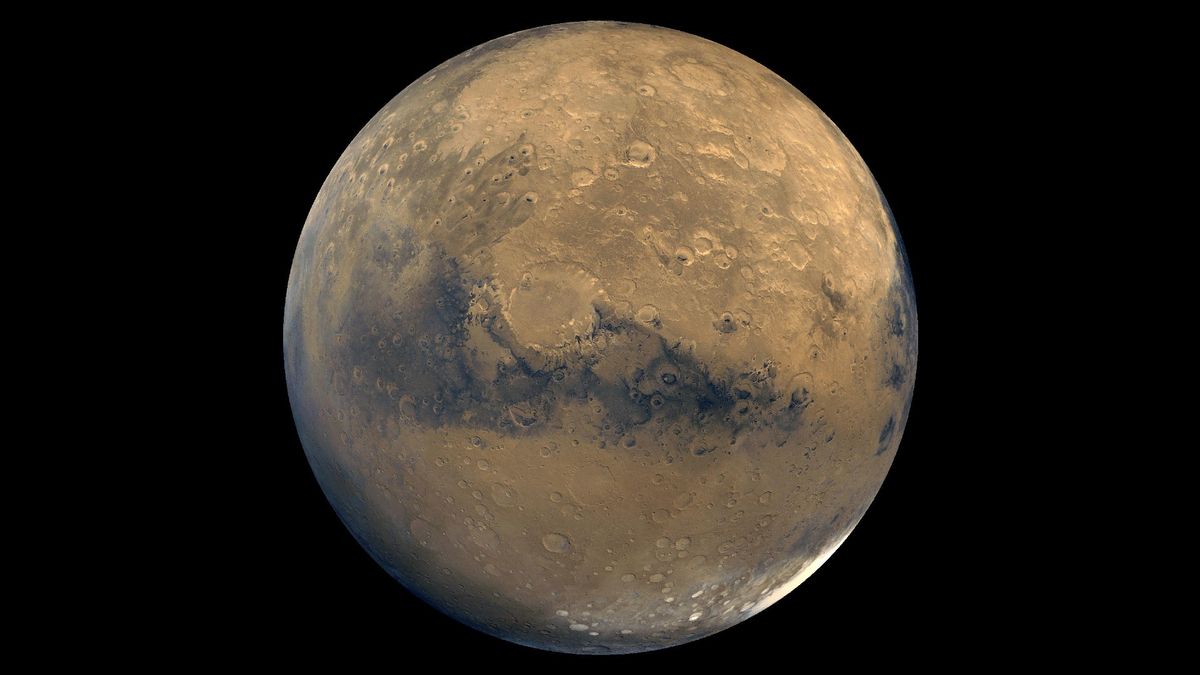
New Insights Suggest Mars Was Habitable More Recently Than Believed

Originally Published 1 year ago — by Space.com

Featured image for New Insights Suggest Mars Was Habitable More Recently Than Believed
Source: Space.com

New research from Harvard University suggests that Mars' magnetic field may have lasted 200 million years longer than previously thought, potentially overlapping with the presence of liquid water on the planet's surface. This extended duration could have provided a protective environment conducive to the development of life. The study proposes that magnetic-pole reversals, rather than a complete shutdown of the magnetic dynamo, explain the lack of magnetic evidence in Martian impact basins. These findings could alter our understanding of Mars' atmospheric and water loss timelines.

"Controversial Claim: Humans Unknowingly Wiped Out Life on Mars 50 Years Ago"

Originally Published 2 years ago — by WION

Featured image for "Controversial Claim: Humans Unknowingly Wiped Out Life on Mars 50 Years Ago"
Source: WION

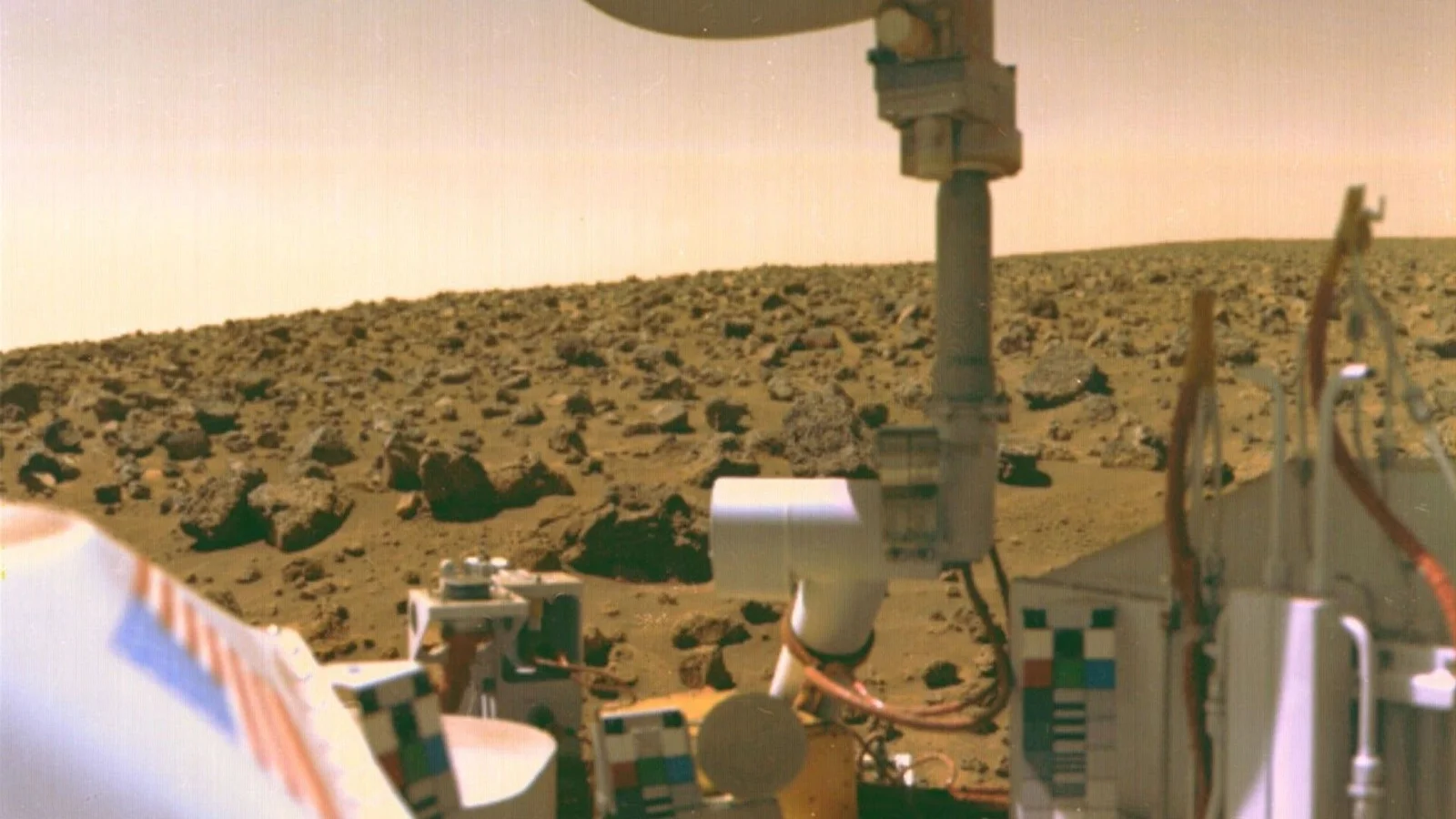
An astrobiology professor claims that life on Mars was discovered 50 years ago by the Viking program but was unintentionally eradicated. The Viking landers performed biological analysis of Martian soil and found geological formations consistent with water flows, as well as small amounts of chlorinated organics. One experiment involved adding water to soil samples, and the professor suggests that the potential microbes may have been overwhelmed and died off. The search for life on Mars continues with the Perseverance rover and future missions aimed at retrieving samples.

"From Discovery to Extinction: The Short-lived Life on Mars"

Originally Published 2 years ago — by The Jerusalem Post

Featured image for "From Discovery to Extinction: The Short-lived Life on Mars"
Source: The Jerusalem Post

A scientist suggests that life on Mars may have been discovered and inadvertently eradicated nearly 50 years ago during NASA's Viking program. The landers conducted experiments that initially hinted at the presence of metabolic processes, but subsequent tests failed to detect organic substances. One theory proposes that the inclusion of water in the experiments may have led to the demise of potential Martian bacteria. Another theory suggests that Martian life may have evolved to incorporate hydrogen peroxide into their cells, which could have reacted with the experiments' equipment, generating false positive results. While speculative, this notion raises the possibility that life on Mars was encountered and terminated shortly after its discovery.

Mysterious Hexagonal Pattern on Mars Captivates Scientists

Originally Published 2 years ago — by Yahoo News

Featured image for Mysterious Hexagonal Pattern on Mars Captivates Scientists
Source: Yahoo News

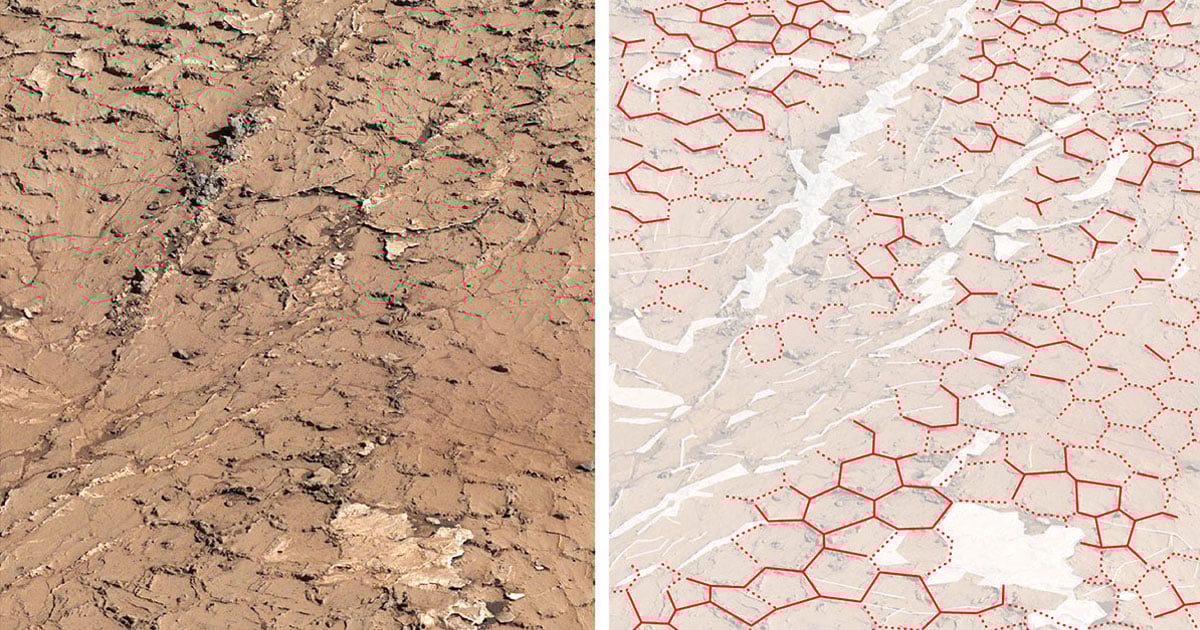
NASA's Curiosity Mars rover has discovered a hexagonal pattern in salt deposits on the Red Planet, providing evidence of a sustained, cyclical, and possibly seasonal climate on early Mars. The finding suggests that Mars may have experienced periods of lush water-rich seasons and drier conditions, bringing scientists closer to understanding whether the planet could have supported life. The hexagonal patterns formed as mud cracks turned into Y-shaped junctions due to recurring exposure to water. This discovery adds to the growing evidence that ancient Mars could have been habitable for microbial life.

Mars mission set to revolutionize our knowledge.

Originally Published 2 years ago — by Ars Technica

Featured image for Mars mission set to revolutionize our knowledge.
Source: Ars Technica

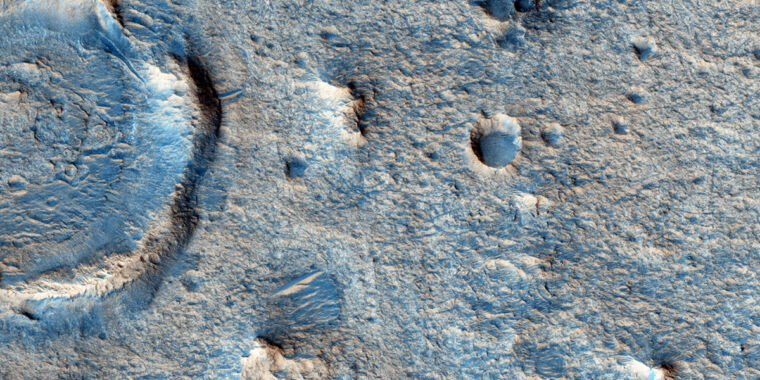
The European Space Agency's ExoMars program is set to launch its Rosalind Franklin rover in 2028, carrying a next-generation mass spectrometer that could help answer the question of whether there is evidence of past or present life on Mars. The instrument, known as the Mars Organic Molecule Analyzer, will analyze any carbon-containing material found underneath Mars's surface, looking for molecular patterns that are unlikely to be formed in the absence of living biology. The rover will land at a Martian site that likely had water 4 billion years ago, and a drill will retrieve ancient samples from as deep as two meters.

Mars mission set to revolutionize our knowledge.

Originally Published 2 years ago — by Ars Technica

Featured image for Mars mission set to revolutionize our knowledge.
Source: Ars Technica

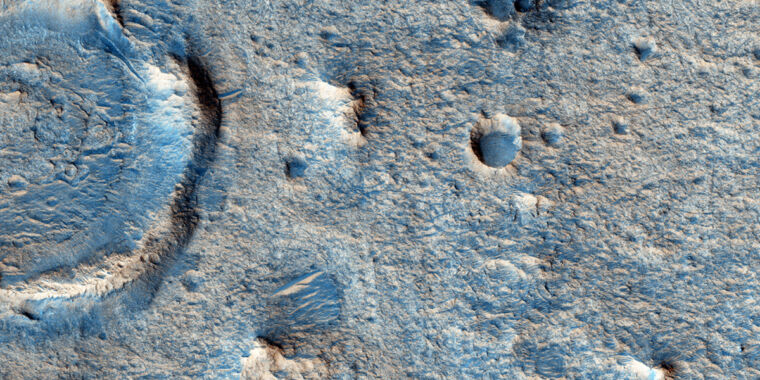
The European Space Agency's ExoMars program is set to launch its Rosalind Franklin rover in 2028, carrying a next-generation mass spectrometer that could help answer the question of whether there is evidence of past or present life on Mars. The instrument, known as the Mars Organic Molecule Analyzer, will analyze any carbon-containing material found underneath Mars's surface, looking for molecular patterns that are unlikely to be formed in the absence of living biology. The rover will land at a Martian site that likely had water 4 billion years ago, and a drill will retrieve ancient samples from as deep as two meters.