Scientists discovered that Lac-Phe, a molecule produced during exercise, suppresses appetite by acting on specific brain neurons, offering potential new avenues for weight management treatments.
A new study suggests that intense exercise produces a metabolite called Lac-Phe in mice, which may suppress appetite by affecting brain neurons, offering potential for future weight management drugs. While promising, further research is needed to determine if this mechanism works similarly in humans.
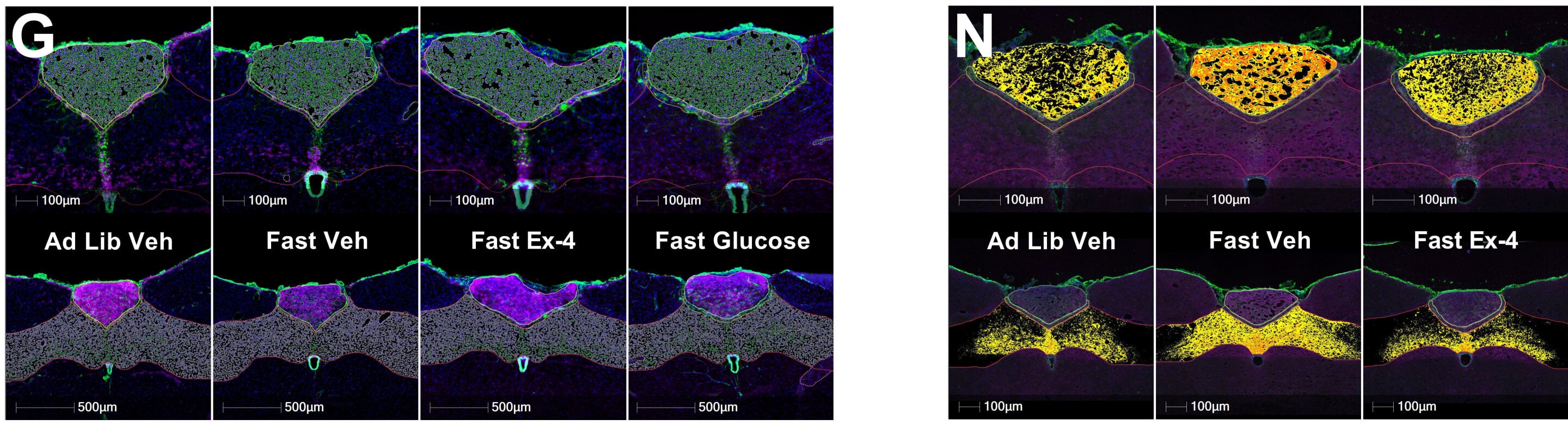
Researchers discovered that the brainstem-produced peptide ODN can reduce hunger and improve glucose metabolism in rodents without causing nausea, offering a potential new treatment avenue for obesity and type 2 diabetes by targeting glial-to-neuron signaling in the dorsal vagal complex.
Researchers have developed a new experimental drug derived from a brain protein called ODN that can help with weight loss and blood sugar control without causing nausea or vomiting, unlike current medications like Ozempic. The drug has shown promising results in animal studies, and human trials are planned within two years.
The author shares how taking the weight-loss drug Mounjaro has significantly changed her body and relationship with food, leading to a loss of appetite and a shift in family dynamics, as her children are affected by her inability to cook and share meals together.
A viral TikTok video from @happinessyoga_1 highlights five fruits that can aid in weight loss by boosting metabolism and suppressing appetite. The fruits include apples, berries, grapefruits, avocados, and oranges, each offering unique benefits like fiber, antioxidants, and healthy fats. The video has garnered significant attention, with viewers eager to incorporate these fruits into their diets. Healthline supports these claims, adding other fruits like stone fruits and melons to the list of weight-loss-friendly options.
Scientists have discovered a natural compound, BHB-Phe, which is produced by the body and can suppress appetite and reduce body weight by activating specific neurons in the brain. This compound, identified by researchers from Baylor College of Medicine and Stanford University, operates through distinct neural mechanisms compared to a related compound, Lac-Phe. The findings, published in Cell, suggest potential new treatments for obesity by leveraging BHB-Phe's unique metabolic pathway.
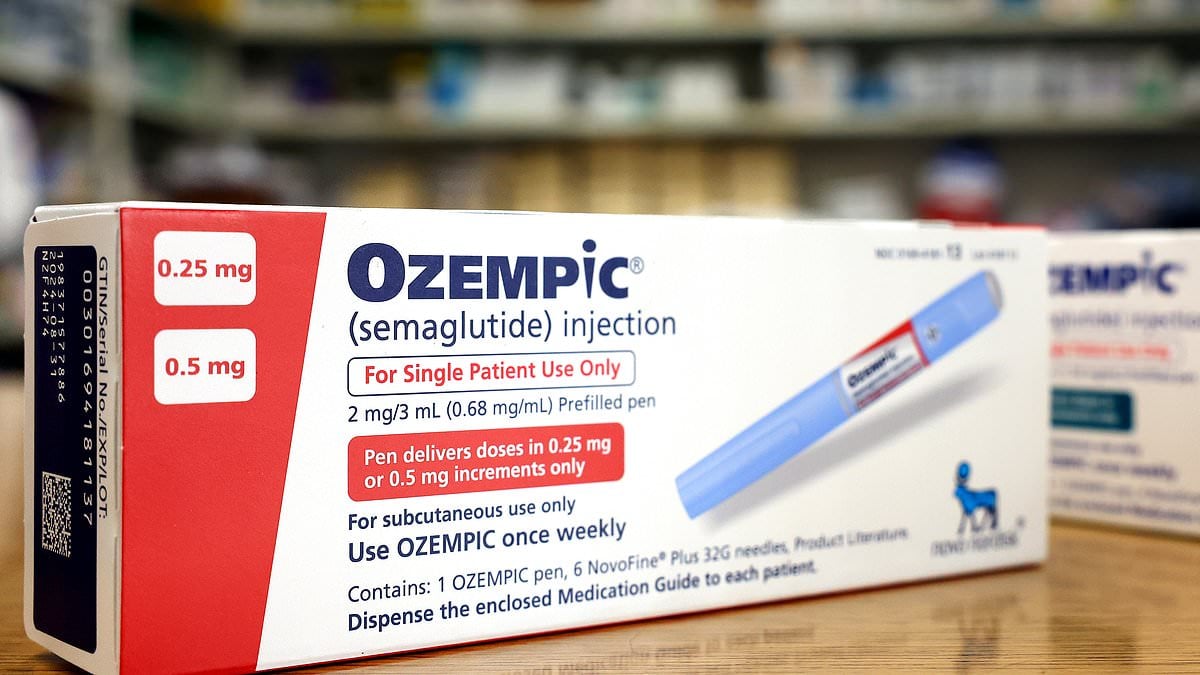
Some users of diabetes medications like Ozempic and Wegovy, which are known for their weight loss capabilities, are reporting limited success in shedding pounds. Studies show that only a small percentage of patients achieve significant weight loss, with some experiencing weight regain upon stopping the medication. Factors such as individual response variability, pre-existing medical conditions, lifestyle habits, and genetic mutations may contribute to the drugs' limited effectiveness. Additionally, interactions with other medications and rapid drug metabolism can also impact their weight loss effects.
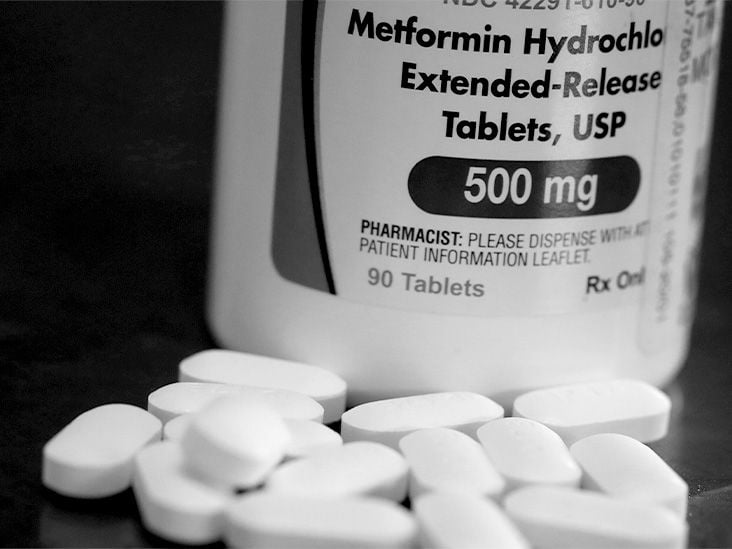
A study by Stanford University reveals that the diabetes drug metformin increases the body's production of a molecule that suppresses appetite, similar to the effects of vigorous exercise. This "anti-hunger" molecule, lac-phe, may explain the modest weight loss effects of metformin. While metformin is primarily prescribed for managing type 2 diabetes, the study suggests its potential for aiding weight loss. Experts emphasize the importance of exercise in achieving weight loss and overall health, and stress the need for a multi-pronged approach to weight management, including lifestyle changes and medication.
GLP-1 analogues like semaglutide, initially used for type 2 diabetes, have gained attention for their ability to aid weight loss and reduce appetite. Research has shown that these drugs work by mimicking the action of a molecule released by the intestines after eating, affecting insulin release, gastric emptying, and sense of fullness. Studies also suggest potential benefits for minimizing the risk of cancer and cardiovascular disease. However, there is still uncertainty about the mechanisms behind these effects, and further research is needed to understand the long-term impact and potential side effects of these drugs.
The "miracle" weight-loss drug semaglutide, administered weekly via injection, has gained popularity for its ability to aid in weight loss by suppressing appetite and controlling blood sugar levels. However, it has been associated with negative side effects such as a gaunt, deflated facial appearance, leading to concerns about the downsides of rapid weight loss and the use of such drugs.
Dr. Terry Dubrow, known for "Botched," tried the popular weight loss drug Ozempic but quit due to experiencing side effects like low-grade nausea and a loss of appetite, which took away the joy of eating. He warns against drinking alcohol while on the medication and notes that rapid weight loss from Ozempic can lead to sagging skin, prompting an increase in plastic surgery procedures. On "Botched" Season 8, Dubrow and co-star Dr. Paul Nassif tackle complex cases, showcasing their expertise in fixing difficult surgical challenges.
A survey by Deutsche Bank found that 30% of patients who stopped taking weight loss medications like Ozempic or Wegovy reported eating more calories than before, despite the drugs' appetite-suppressing mechanism. This could lead to weight gain, with reports of rapid weight regain among former users. Experts warn that patients who stop these medications may regain lost weight, emphasizing the need for long-term use of these drugs for sustained weight loss.
The use of weight loss drugs like semaglutide and tirzepatide is not only helping people shed pounds but also positively impacting their relationships. Patients on these drugs have reported improved moods, reduced arguments, increased confidence, and higher sex drives. The drugs can alter social priorities, leading to more quality time with partners or friends. However, the effects on libido vary among individuals. Some experience an increase in sexual desire, while others may notice a decrease. Partners of those taking weight loss drugs may also be motivated to try them, leading to lifestyle changes and potential weight loss for both individuals. However, the long-term commitment to these drugs and potential side effects can strain relationships.
Incorporating low-calorie foods that are rich in protein or fiber can help you feel full and suppress your appetite, supporting weight management and overall health. Greek yogurt, cottage cheese, fish, lean meat and poultry, eggs, legumes, oats, vegetables, and fruits are all nutritious options that can keep you satisfied without adding excessive calories. It's important to choose foods that provide essential nutrients and to listen to your body's hunger cues. Building meals and snacks around protein and fiber, eating breakfast, and avoiding overeating at night can help maintain a balanced diet. Consult with a registered dietitian for personalized meal plans and seek medical attention if you experience appetite changes or challenges with appetite regulation.