Tag

Feathers

All articles tagged with #feathers

Do Beautiful Birds Gain an Evolutionary Edge?

Originally Published 4 months ago — by Quanta Magazine

Featured image for Do Beautiful Birds Gain an Evolutionary Edge?
Source: Quanta Magazine

Birds, as descendants of dinosaurs, evolved feathers initially for insulation, camouflage, and display rather than flight, with their vibrant colors and complex behaviors shaped by sexual selection and sensory perception, highlighting the intricate relationship between beauty and evolutionary advantage.

Revolutionary Archaeopteryx Fossil Confirms Dinosaur-Bird Evolution

Originally Published 7 months ago — by SciTechDaily

Featured image for Revolutionary Archaeopteryx Fossil Confirms Dinosaur-Bird Evolution
Source: SciTechDaily

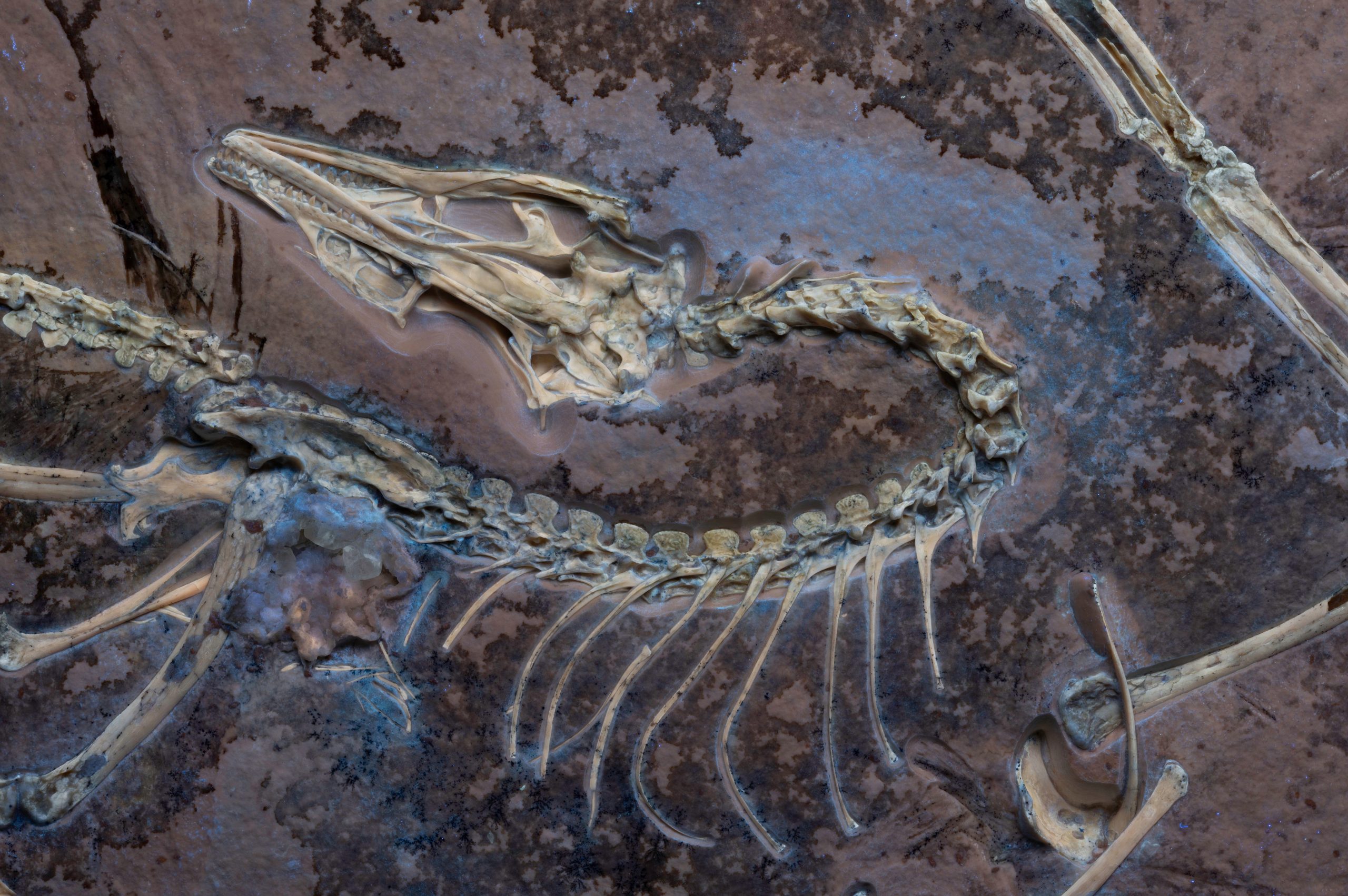
A newly discovered, well-preserved Archaeopteryx fossil from Chicago provides new insights into the evolution of flight in dinosaurs, revealing soft tissues, feathers, and anatomical features that demonstrate its ability to fly, supporting the idea that flight evolved more than once in dinosaurs.

"New Fossil Reveals Birds' Evolutionary Flight Path"

Originally Published 1 year ago — by Forbes

Featured image for "New Fossil Reveals Birds' Evolutionary Flight Path"
Source: Forbes

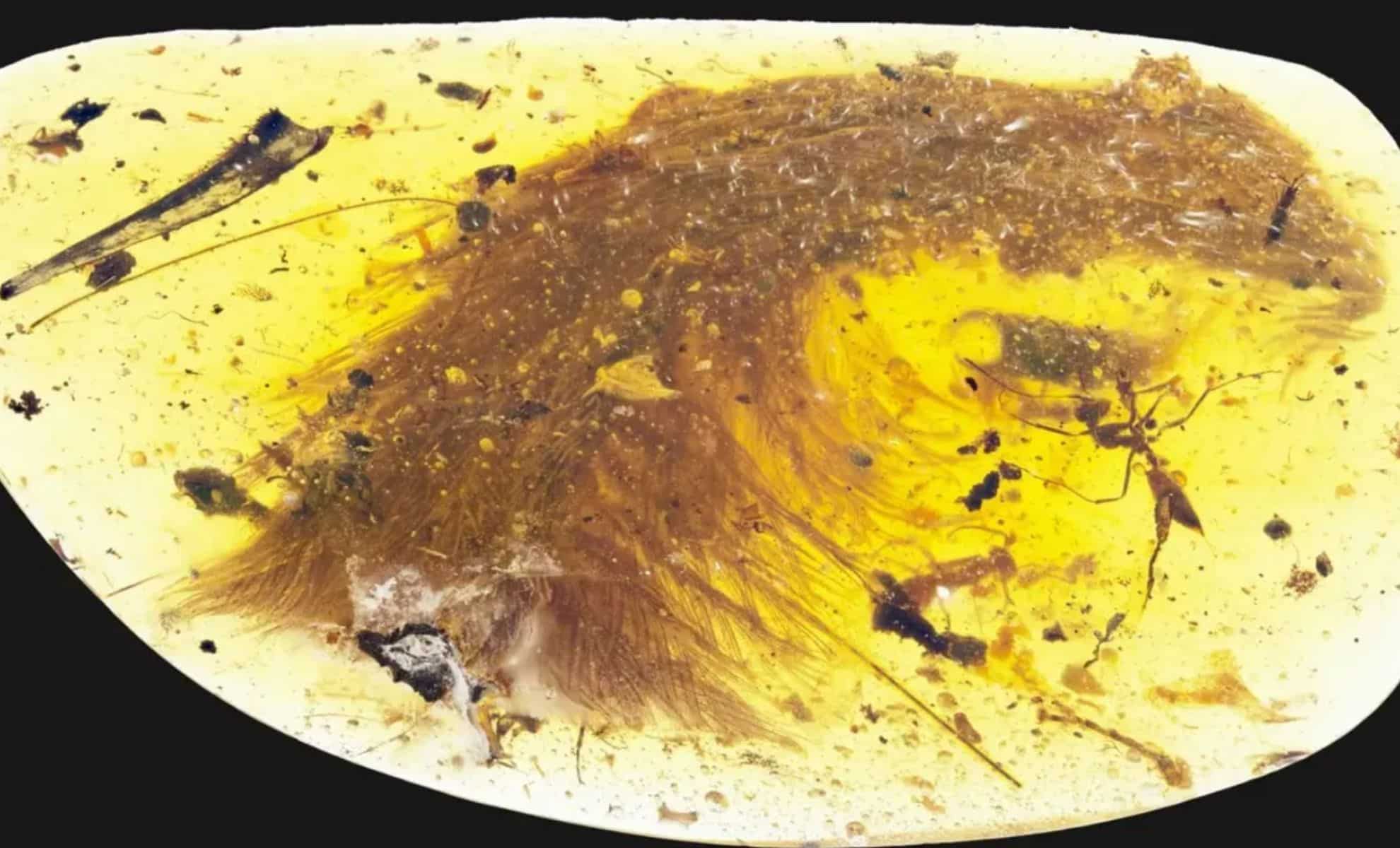
A newly discovered Psittacosaurus fossil from the early Cretaceous period provides significant insights into the evolution of feathers in dinosaurs. The fossil, which shows preserved skin with unique chemical properties under ultraviolet light, indicates a mix of scales and feathered regions. This discovery supports the idea that early feather development offered selective evolutionary advantages, enriching our understanding of how some dinosaurs transitioned into birds.

"Robotic Dinosaur Reveals How Feathers Helped Dinosaurs Hunt Prey"

Originally Published 1 year ago — by Phys.org

Featured image for "Robotic Dinosaur Reveals How Feathers Helped Dinosaurs Hunt Prey"
Source: Phys.org

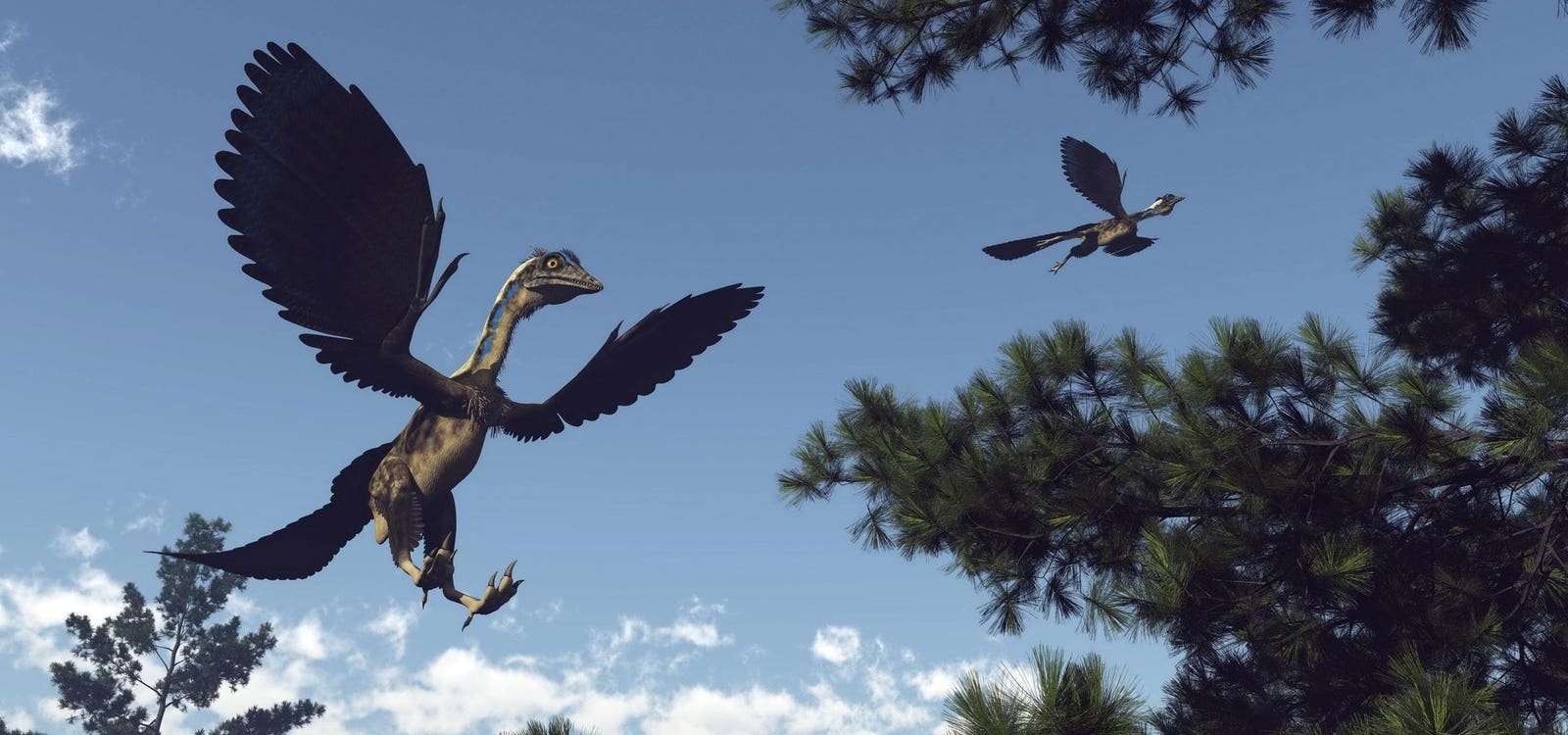
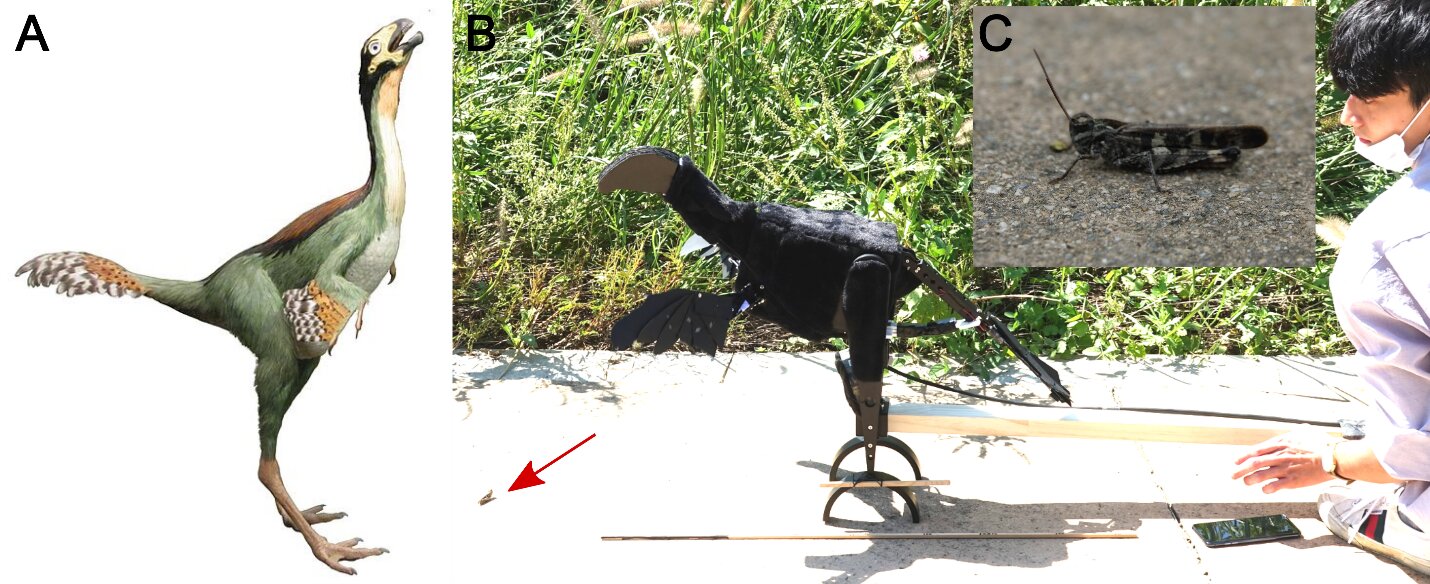
Biologists propose the "flush-pursue hypothesis," suggesting that small dinosaurs with proto-wings may have used their feathers on forelimbs and tails to visually flush out hiding prey and pursue them, similar to the foraging strategy employed by some birds. This idea is rooted in detailed field-ornithological studies and neurobiological research, and was presented in a recent scientific collaboration's paper published in Scientific Reports. The hypothesis provides a new perspective on the potential functions of feathers in the ancestors of birds.

St. Joe's Hawk Gets a Refresh with New Feathers

Originally Published 2 years ago — by Defector

Featured image for St. Joe's Hawk Gets a Refresh with New Feathers
Source: Defector

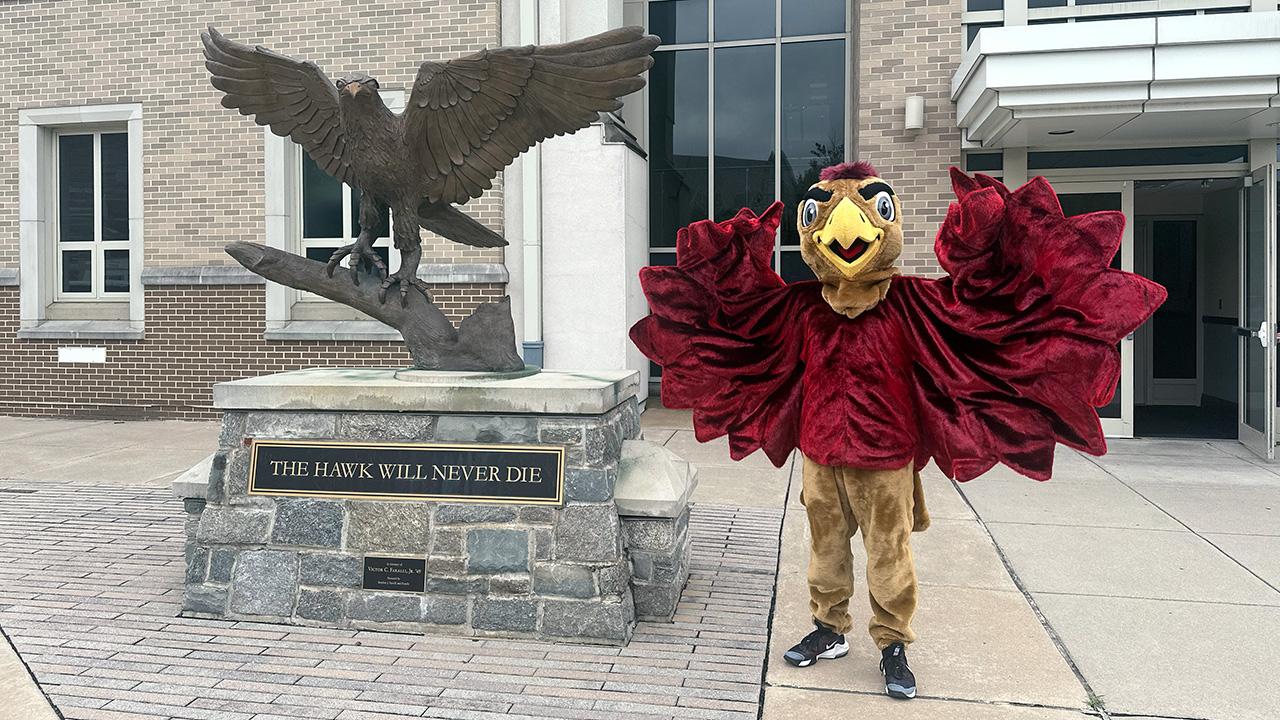
St. Joseph's University in Philadelphia has unveiled a new version of its Hawk mascot costume, the first update in two decades. The old costume was in poor condition, with feathers falling off and difficulty in finding replacements. The new costume, designed by Calgary-based mascot firm Street Characters, was created with input from various stakeholders in the university's athletics department. Despite the absence of feathers on the new costume, the student playing the Hawk mascot expressed excitement about the smoother wing movements and the continuation of the beloved role.

Single Gene Tweak Transforms Chicken Feet into Feathers

Originally Published 2 years ago — by Livescience.com

Featured image for Single Gene Tweak Transforms Chicken Feet into Feathers
Source: Livescience.com

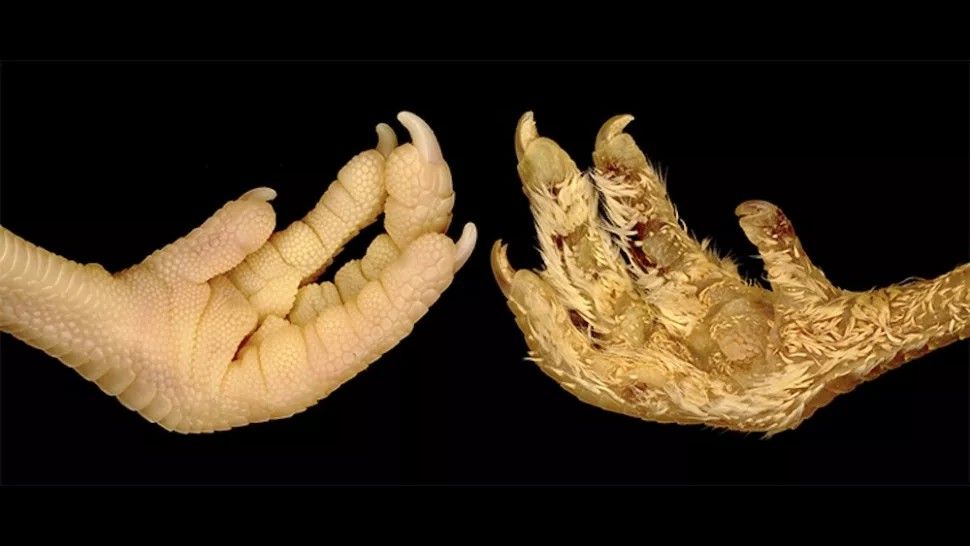
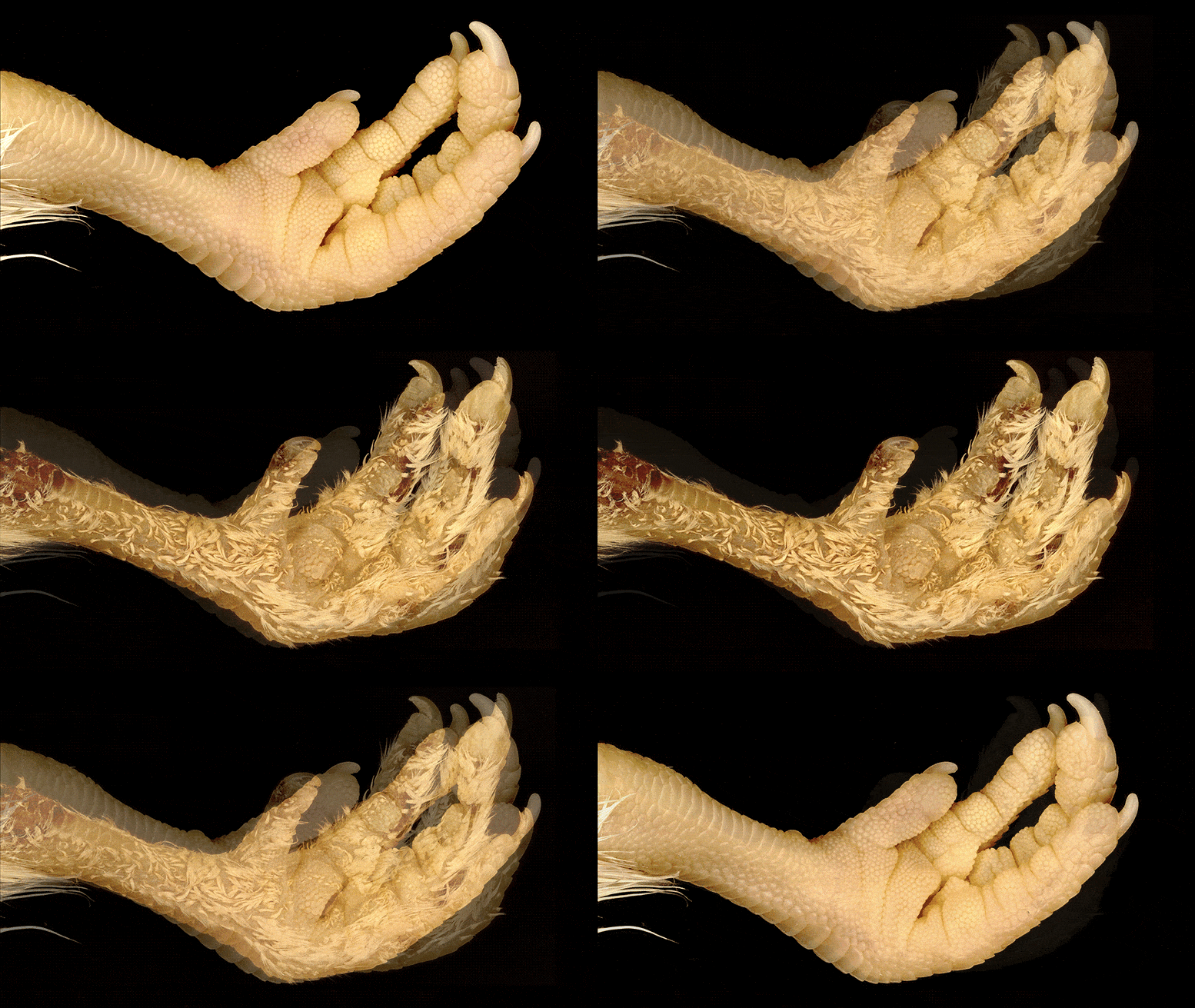
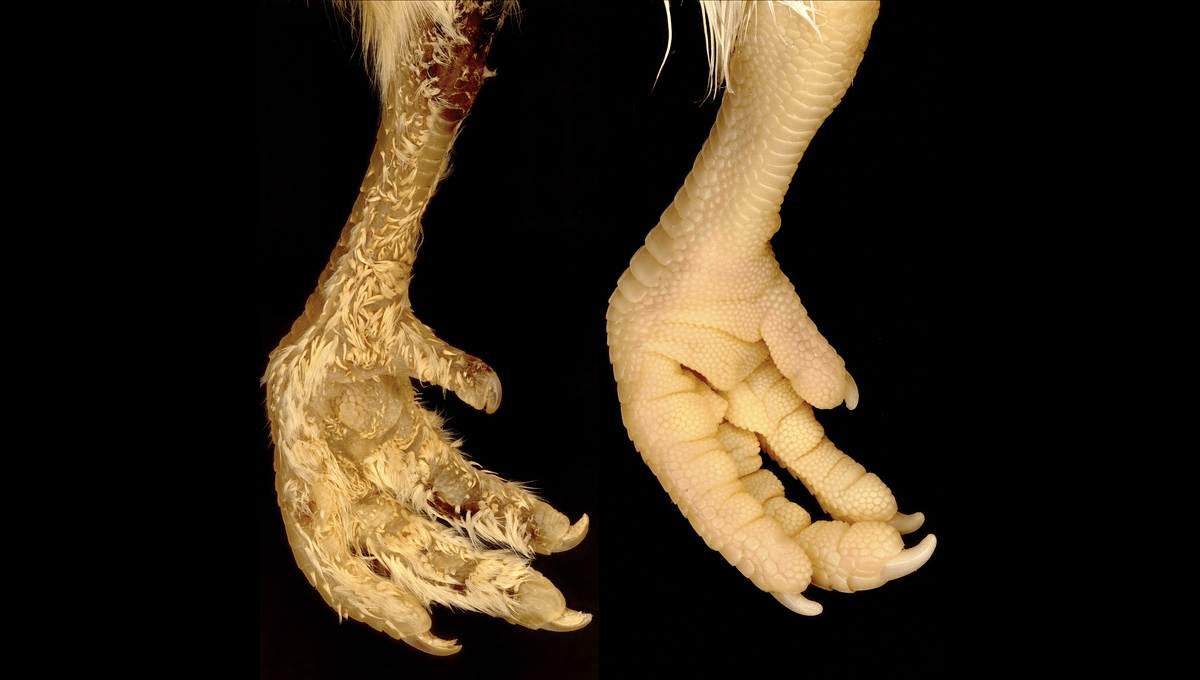
Scientists have discovered a way to permanently transform the scales on a chicken's feet into feathers by tweaking a specific gene, providing new insight into the bird's evolutionary origins from dinosaurs. By altering the sonic hedgehog gene (Shh), researchers were able to create a cascade of developmental effects that triggered feather growth, offering new insights into the evolution of these animals. The study also sheds light on how dinosaurs may have evolved to have feathers.

Gene Editing Transforms Scales into Feathers in Chickens.

Originally Published 2 years ago — by ScienceAlert

Featured image for Gene Editing Transforms Scales into Feathers in Chickens.
Source: ScienceAlert

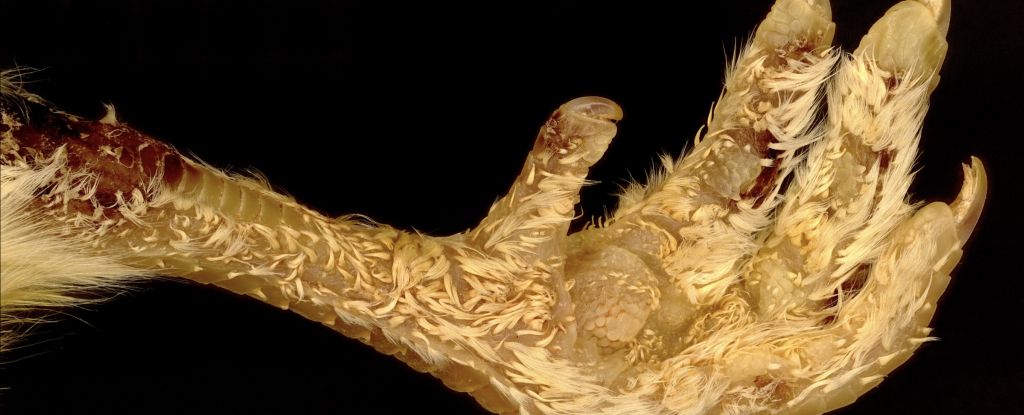
Scientists at the University of Geneva have altered embryonic chickens to grow feathers instead of scales on their feet by targeting the sonic hedgehog (Shh) gene. The alteration is permanent, and the chickens' feet will remain feathery for life. The researchers say this has implications for our understanding of how animals evolved and diversified, as natural variations in Shh signaling are probably an evolutionary driver of skin appendage diversity. The study shows that a transient change in expression of one gene, Shh, can produce a cascade of developmental events leading to the formation of feathers instead of scales.

"Scientists Use Gene Expression to Turn Chicken Scales into Feathers"

Originally Published 2 years ago — by SciTechDaily

Featured image for "Scientists Use Gene Expression to Turn Chicken Scales into Feathers"
Source: SciTechDaily

Researchers from the University of Geneva have transformed chicken scales into feathers by temporarily modifying the Sonic hedgehog (Shh) gene expression, revealing that significant evolutionary transitions can occur without major changes in the genome. The study sheds light on the mechanisms responsible for the wide diversity of animal forms and has important implications for understanding the evolutionary mechanisms generating the enormous diversity of animal forms observed in nature.

The Genetics of Scales and Feathers

Originally Published 2 years ago — by IFLScience

Featured image for The Genetics of Scales and Feathers
Source: IFLScience

Researchers at the University of Geneva have discovered that it is surprisingly easy to grow feathers where there should be scales, just by affecting one gene's expression. The Sonic hedgehog (Shh) gene is responsible for the transformation of scales into feathers. A single treatment on chicken embryos when they are still in the egg is enough to trigger the formation of feathers on their feet. The Shh pathway is key to the diversity of various skin appendages in nature, as well as the evolution of birds from avian dinosaurs.

"Google Pixel 7a: Features, Reviews, and Deals"

Originally Published 2 years ago — by 9to5Google

Featured image for "Google Pixel 7a: Features, Reviews, and Deals"
Source: 9to5Google

Google has included a new set of "Feathers" wallpapers with the Pixel 7a, featuring eight wallpapers, two for each of the Pixel 7a's available colors. The images focus on the details of the feathers themselves rather than the bird to which they're attached. All images are credited to filmmaker and photographer Andrew Zuckerman. The wallpapers can be downloaded from the article.

Sandgrouse feathers inspire innovative water-holding technology.

Originally Published 2 years ago — by MIT News

Featured image for Sandgrouse feathers inspire innovative water-holding technology.
Source: MIT News

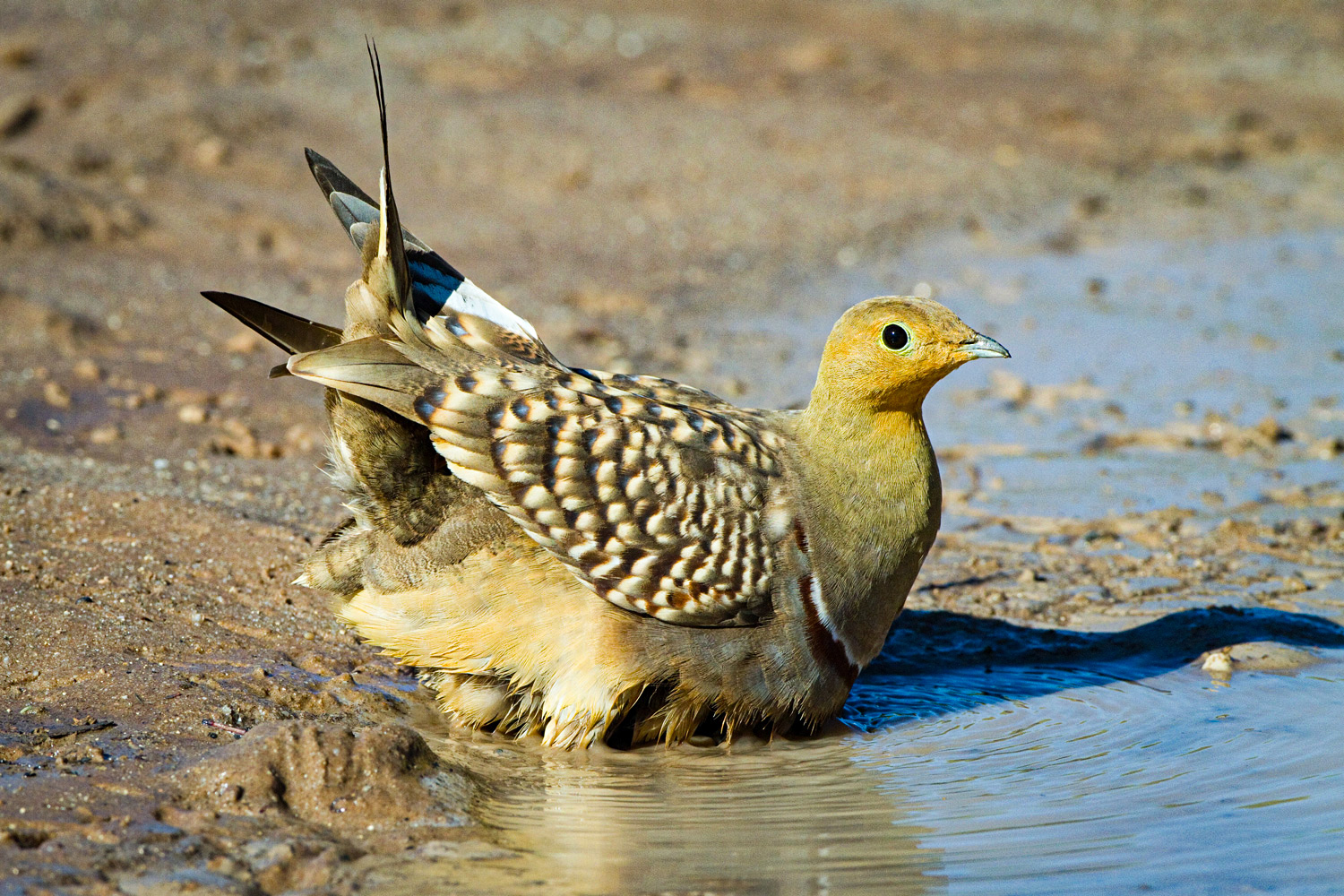
Scientists have used advanced imaging techniques to uncover the unique structural details that enable sandgrouse feathers to absorb and retain water so efficiently that male birds can fly more than 20 kilometers from a distant watering hole back to the nest and still retain enough water in their feathers for the chicks to drink and sustain themselves in the searing deserts of Namibia, Botswana, and South Africa. The feathers have a helically coiled structure close to their base and then a straight extension, which can hold water through capillary action. The study may inspire others to take a closer look at diverse feather microstructures across bird species.