Elevance Health has warned of high medical costs for the year due to increased claims from Medicaid members, leading to a nearly 7% drop in its shares. The insurer expects more claims in the second half of the year from sicker patients, which could offset revenue growth. This trend has also affected shares of rival insurers like Centene and Molina Healthcare. Despite this, Elevance's second-quarter adjusted profit beat estimates, driven by its health services unit Carelon and growth in Obamacare and commercial health plans.
UnitedHealth Group's CEO Andrew Witty acknowledged that the company underestimated the impact of a cyberattack on its subsidiary Change Healthcare, which has cost the company $1.1 billion in Q2 alone and is now expected to have a total impact of up to $2.3 billion by 2024. Despite the setback, UHG's revenues grew by 7% in Q2, and the company is leveraging AI to improve efficiency.
Eli Lilly's stock did not surge following the FDA approval of its Alzheimer's drug, Kisunla, because the approval was already anticipated and priced into the stock. Investors are more focused on the company's potential in the anti-obesity market with its GLP-1 treatments, which are expected to generate significantly higher revenue.
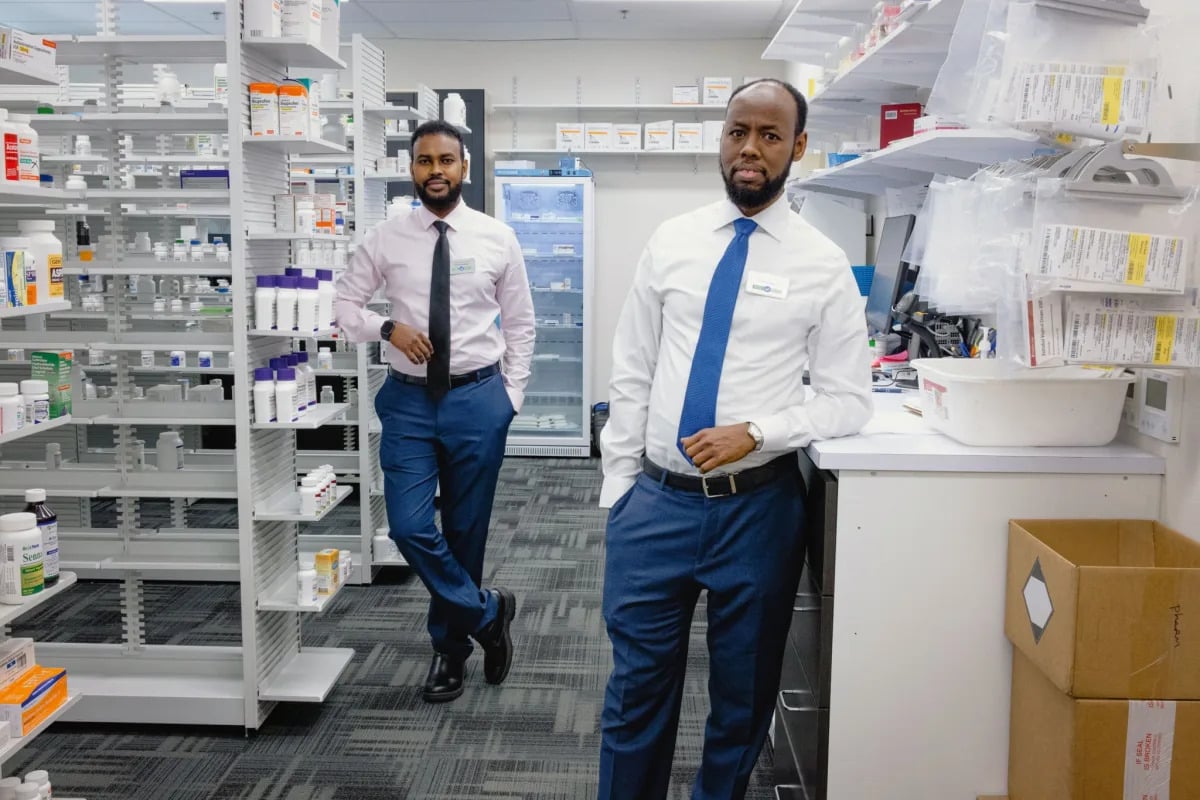
The American drugstore industry is facing a crisis, with major chains like CVS, Walgreens, and Rite Aid closing locations and experiencing financial struggles. Pharmacists are leaving the industry due to burnout, and customers are losing access to essential healthcare services. The situation is exacerbated by insurance middlemen reducing reimbursements for prescriptions, contributing to a broader healthcare crisis.
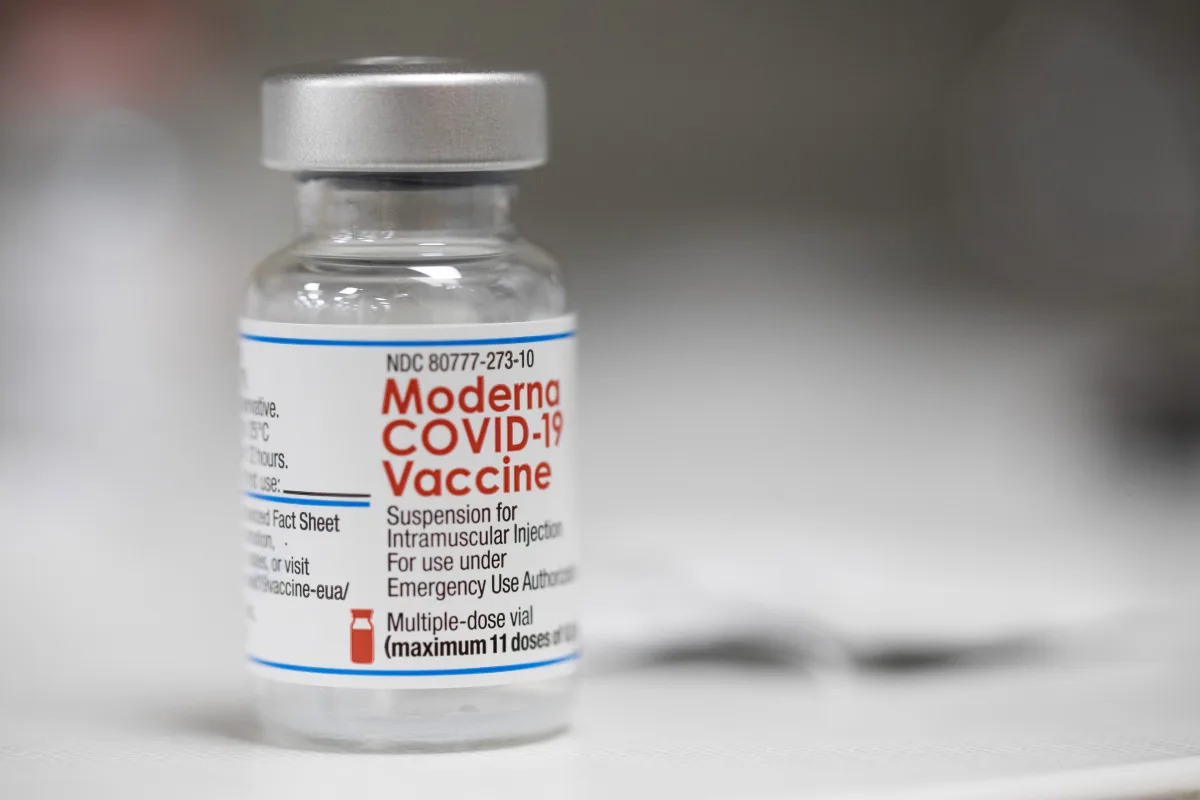
Moderna's stock fell after the FDA approved its second product, an RSV vaccine named mResvia, which targets respiratory syncytial virus in older adults. This approval further validates Moderna's mRNA technology, also used in its Covid vaccine. Despite the stock dip, analysts project significant future sales growth for the RSV vaccine, potentially giving Moderna an edge over competitors Pfizer and GSK. Moderna's pre-filled syringe for the vaccine could simplify administration in pharmacies, enhancing its market position.
Insmed's stock surged 135% after announcing successful Phase 3 trial results for brensocatib in treating non-cystic fibrosis bronchiectasis, showing significant reductions in pulmonary exacerbations. The company plans to file for FDA approval in late 2024, with potential U.S. launch in mid-2025 and subsequent launches in Europe and Japan.
Venture capitalist Bob Nelsen approached industry veteran Vicki Sato nearly a decade ago with the idea of launching a company dedicated to combating infectious diseases, a concept that seemed financially risky given the trend of biotech companies pulling out of infectious disease research. Sato, who had worked on HIV and hepatitis C drugs at Biogen and Vertex, was initially skeptical but ultimately joined the venture, leading to the formation of Vir Biotechnology, which has since faced the challenges of balancing financial viability with the pursuit of infectious disease treatments.
Johnson & Johnson has agreed to acquire Shockwave Medical for $12.5 billion, expanding its portfolio of medical devices for treating heart diseases. The deal gives J&J access to Shockwave's catheter-based treatment using shockwaves to break down calcified plaque in heart vessels, complementing its focus on building its cardiac health business. This acquisition follows J&J's previous purchases in the heart device sector and is expected to close by mid-2024, financed through a combination of cash and debt.
Viking Therapeutics' stock surged over 25% after reporting positive Phase 1 results for its oral weight-loss drug, showing up to 5.3% weight loss in patients with minimal side effects. The company plans to launch the drug into Phase 2 trials later this year, following strong results from its injectable version. Analysts view the data as a "clear win" and believe the drug has best-in-class potential, positioning it to compete with current market leaders in the weight-loss drug space.
Viking Therapeutics' stock surged 80% after positive results from a mid-stage trial of its experimental weight loss drug, VK2735, which showed significant weight loss in patients with obesity or overweight. The drug, targeting GLP-1 and GIP hormones, demonstrated promising initial results with encouraging safety and tolerability. Analysts suggest potential acquisition interest from larger pharmaceutical companies, as the weight loss drug market is projected to grow into a $100 billion industry.
Moderna CEO Stéphane Bancel anticipates a year of growth in 2024 after a transition year in 2023, which saw COVID-19 vaccine sales of $6.8 billion. Despite a decrease from the prior year's $18 billion, ongoing demand for the vaccine is expected to drive revenues of $4 billion in 2024. Bancel emphasizes the importance of increasing vaccination rates, particularly among the elderly, and highlights the potential for COVID vaccines in preventing long-term unemployment due to long COVID effects. Moderna is also awaiting FDA decision on its RSV vaccine for older adults and continuing research on a combination flu and COVID vaccine, as well as a cancer vaccine in partnership with Merck.
Iovance Biotherapeutics' stock surged after the FDA granted accelerated approval to its T cell immunotherapy, Amtagvi, for treating advanced melanoma. Amtagvi is the first one-time T cell therapy approved for solid tumor cancer and the first treatment option for advanced melanoma that has progressed after prior anti-PD-1/L1 therapy. The approval addresses the unmet needs of melanoma patients and provides a significant commercial opportunity for Iovance. The company is also evaluating Amtagvi for frontline advanced melanoma and other solid tumors. However, the approval comes with a boxed warning for treatment-related risks.
Moderna's shares dropped 7% as analysts expressed concerns over the faster decline in efficacy of its RSV vaccine compared to competitors GSK and Pfizer, with data showing a drop from 84% to 63% after 8.6 months. Moderna cautioned against direct comparisons, citing different trial methodologies, but analysts raised questions about the competitive profile of its vaccine. GSK and Pfizer's vaccines also showed declines in efficacy over time, with both companies exploring the possibility of at least two years of efficacy.
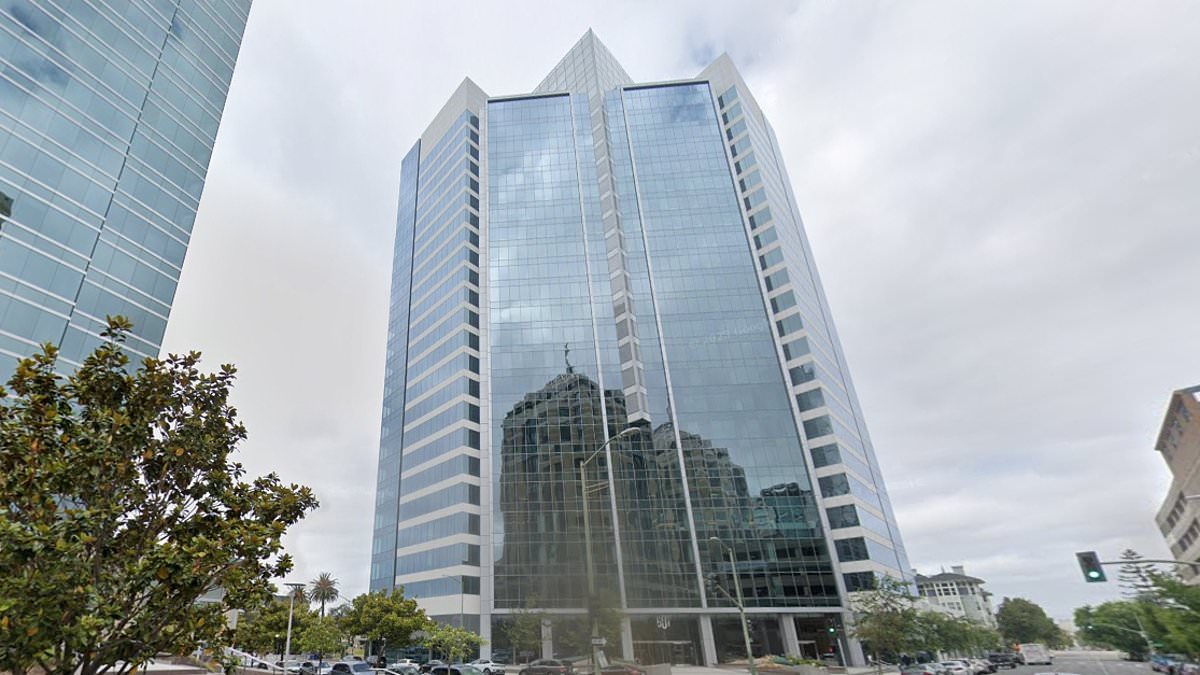
Blue Cross/Blue Shield and Kaiser Permanente in Oakland have implemented safety measures for employees due to a surge in crime, including staying inside for lunch and arranging rides to work. The move comes after a 21% increase in violent crime in Oakland last year, prompting concerns among residents and business owners. The city has seen a rise in robberies, burglaries, and car thefts, leading to businesses like In-N-Out Burger closing due to safety concerns. Oakland's mayor denies that her policies are the sole cause of rising crime rates, while police officers express frustration with restrictive rules that limit their ability to curb crime.
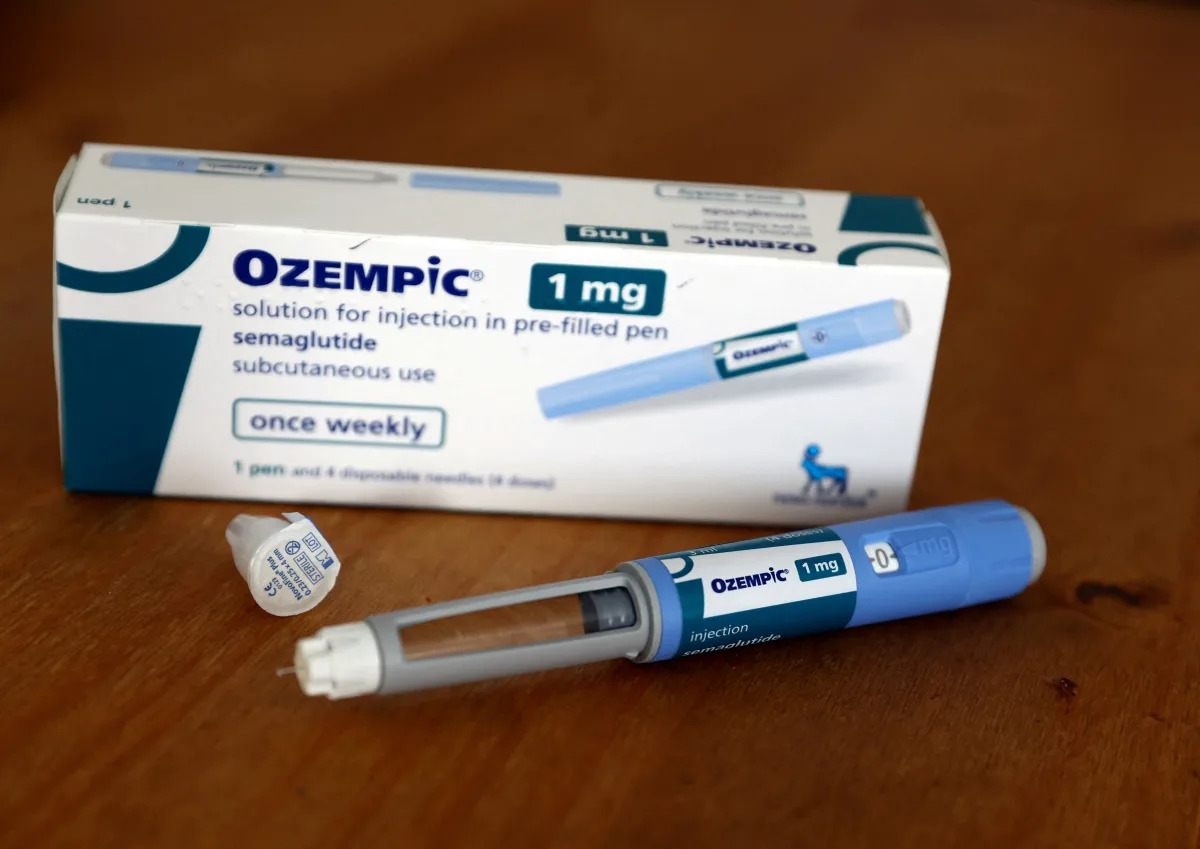
Wall Street's fears of weight loss drugs impacting medical device and food and beverage stocks have subsided, with analysts noting a lack of concern at recent conferences. The popularity of GLP-1 drugs like Novo Nordisk's Wegovy and Eli Lilly's Zepbound continues to grow, but concerns about their long-term impact on industries have eased. Medical device sales have actually surged due to increased interest in continuous glucose monitoring devices, while some pharmaceutical companies, like Sanofi, are not pursuing the trend. Food and beverage stocks, including McDonald's, have rebounded, and restaurant demand remains strong, with factors like side effects and limited insurance coverage for weight loss drugs mitigating potential negative impacts.