The article discusses potential fractures in China-US relations by 2026, highlighting issues such as China's possible reimposition of export restrictions on rare earths and pharmaceuticals, and its military expansion, which could challenge U.S. influence in the Indo-Pacific region.
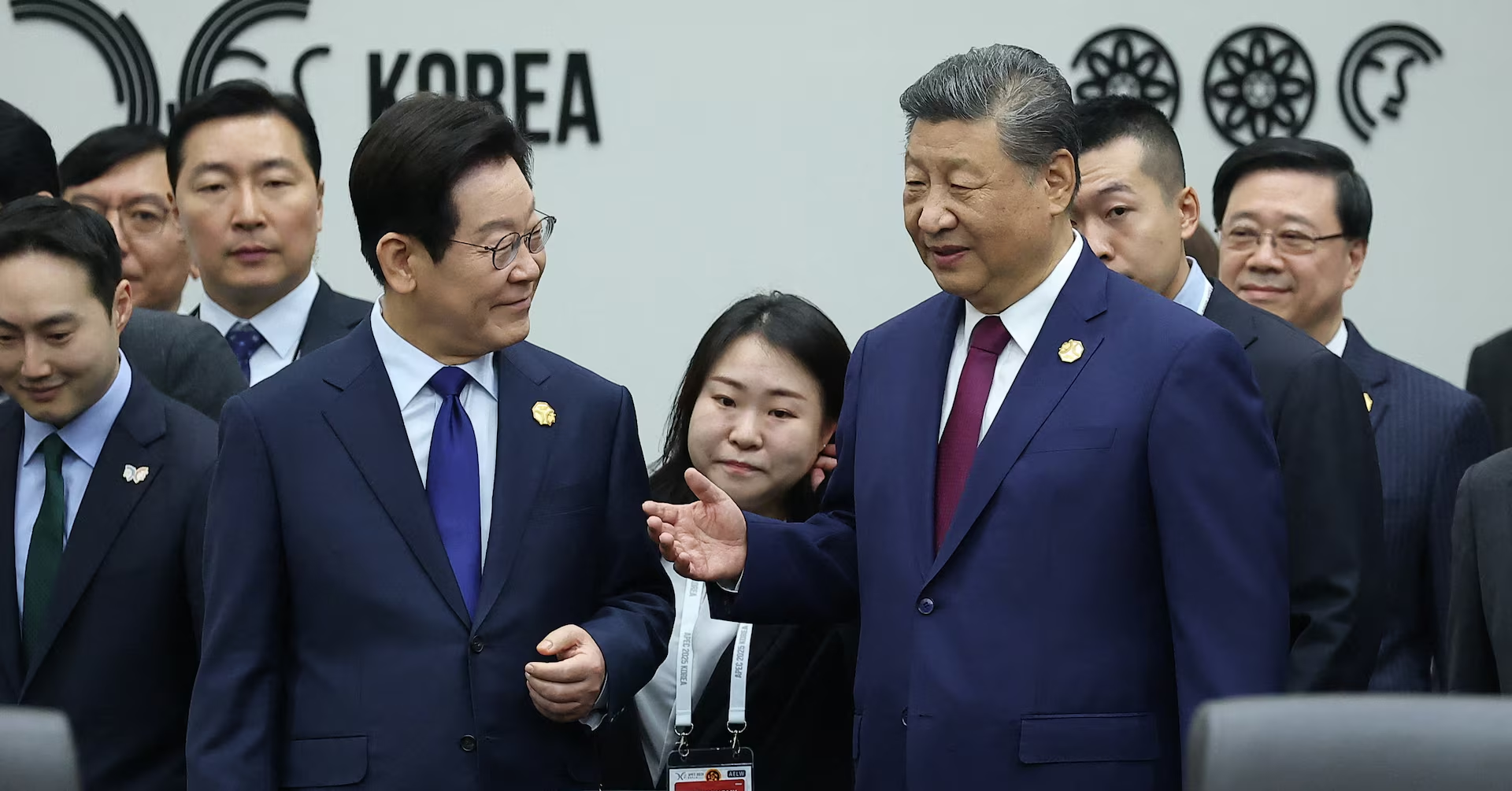
Chinese President Xi Jinping's visit to South Korea includes a summit with President Lee Jae Myung, focusing on denuclearisation of North Korea, regional cooperation, and easing tensions, amid broader U.S.-China strategic competition and regional issues.
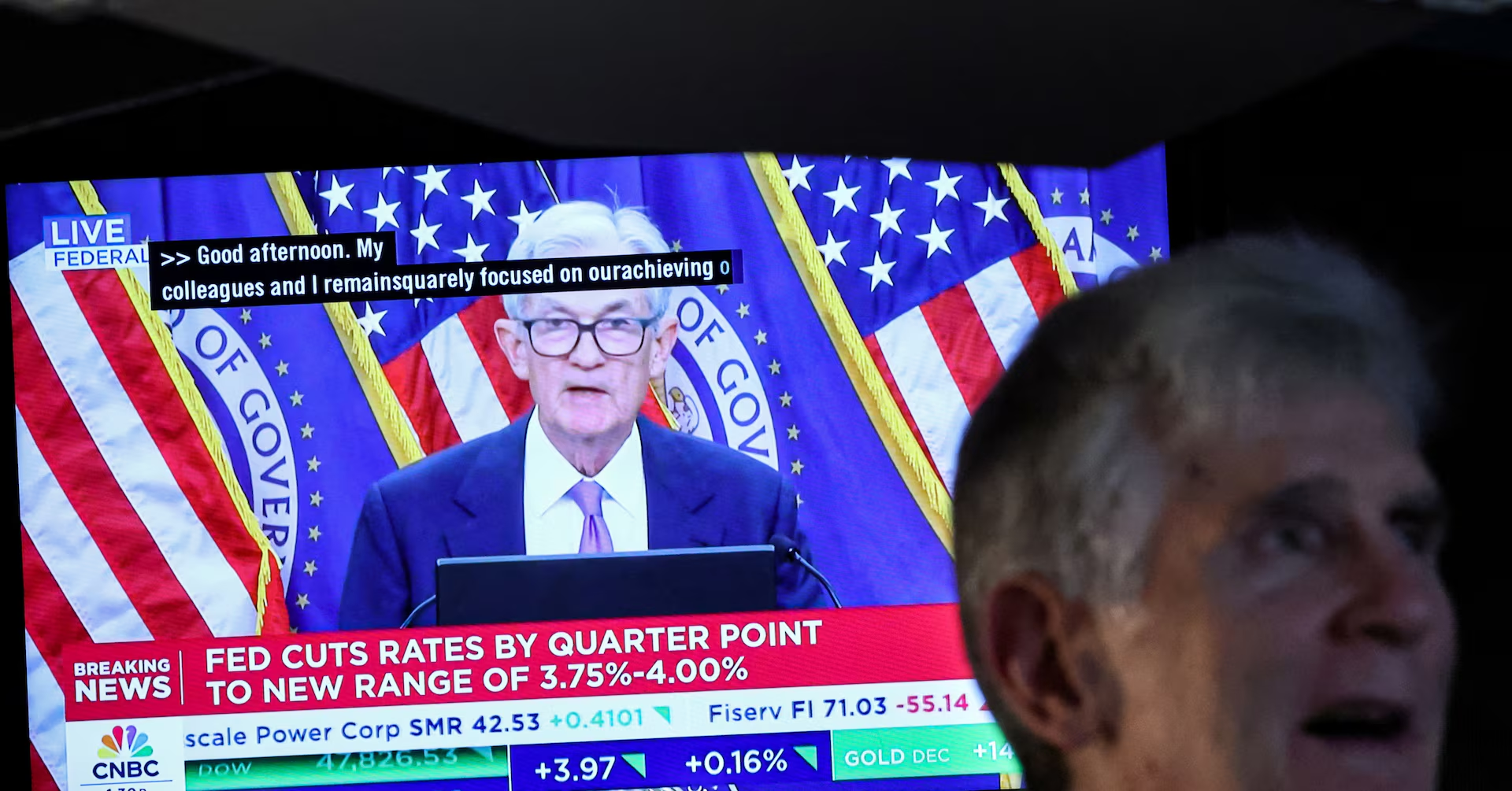
Markets are showing hesitation after recent central bank decisions and geopolitical developments, with the Fed hinting at a possible December rate cut, while US-China trade talks and tech earnings reports influence investor sentiment. The European Central Bank is expected to hold rates steady, and global markets remain sensitive to policy signals and geopolitical tensions.
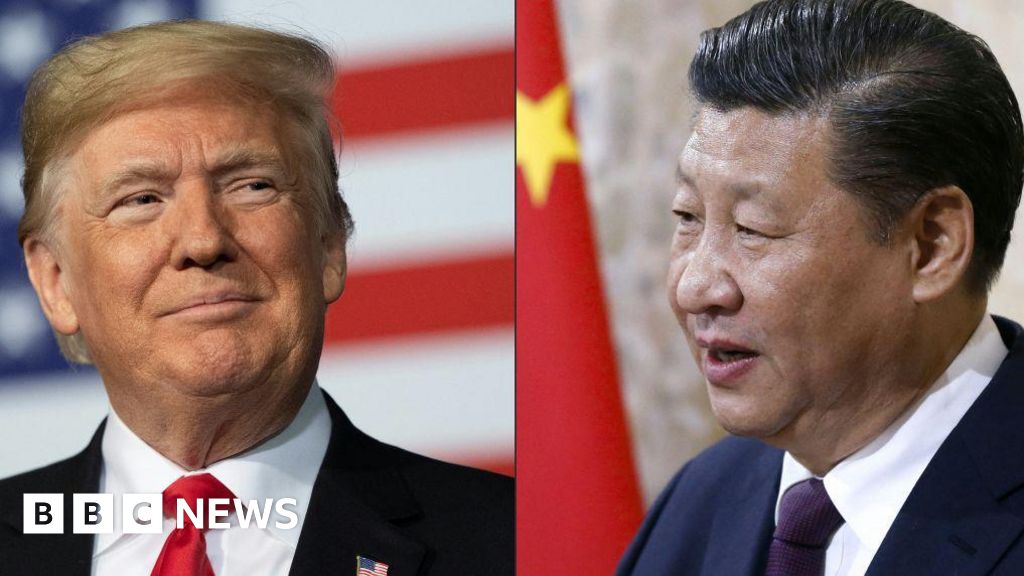
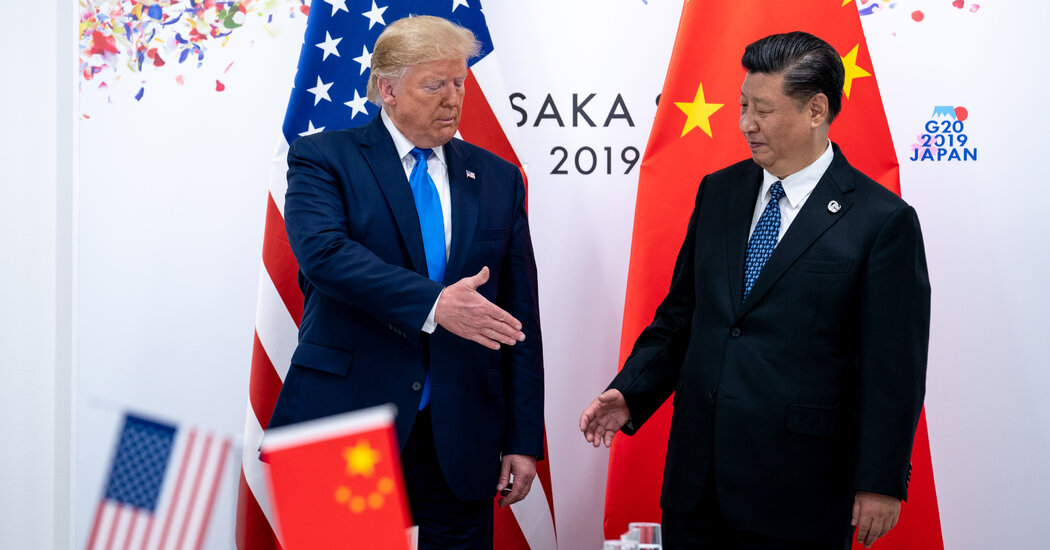
The article details the complex history of escalating trade tensions between the US and China, including tariffs, technological competition, and strategic resource controls, leading up to a high-stakes meeting between Trump and Xi aimed at easing tensions and reaching a trade deal.
Global shares mostly declined amid tech stock sell-offs and mixed economic signals, with concerns over US-China relations and upcoming economic data influencing markets worldwide.
China and the US are set to hold new trade negotiations next week to avoid escalating tariff conflicts, with Trump acknowledging that current US tariffs on Chinese goods are unsustainable. Trump plans to meet Chinese President Xi Jinping at the APEC summit in November, amid ongoing tensions over China's export controls on rare earths and US threats of new export restrictions. Both sides have expressed a desire to continue discussions to prevent further economic damage.
American mercenaries who fought as the Flying Tigers in WWII are still revered in China, with their legacy celebrated through museums and a recent WWII parade in Beijing, highlighting enduring China-US historical ties despite current tensions.
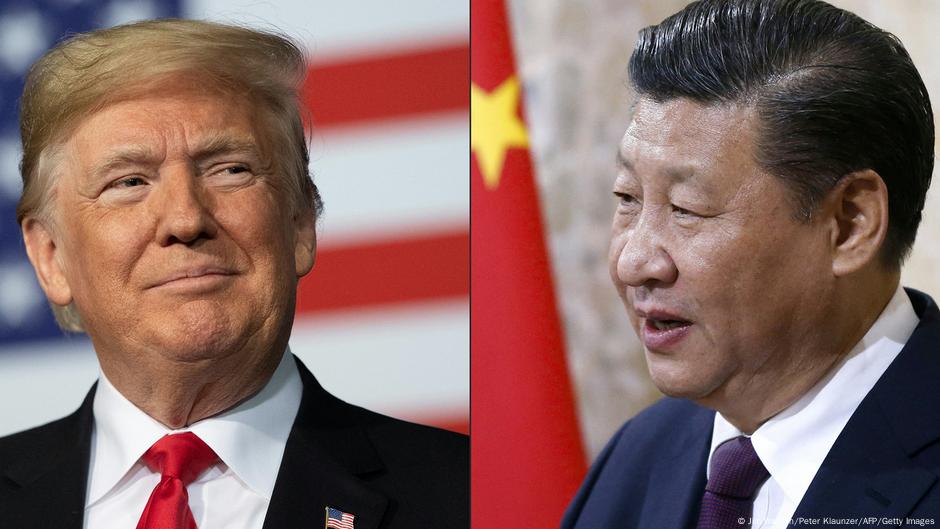
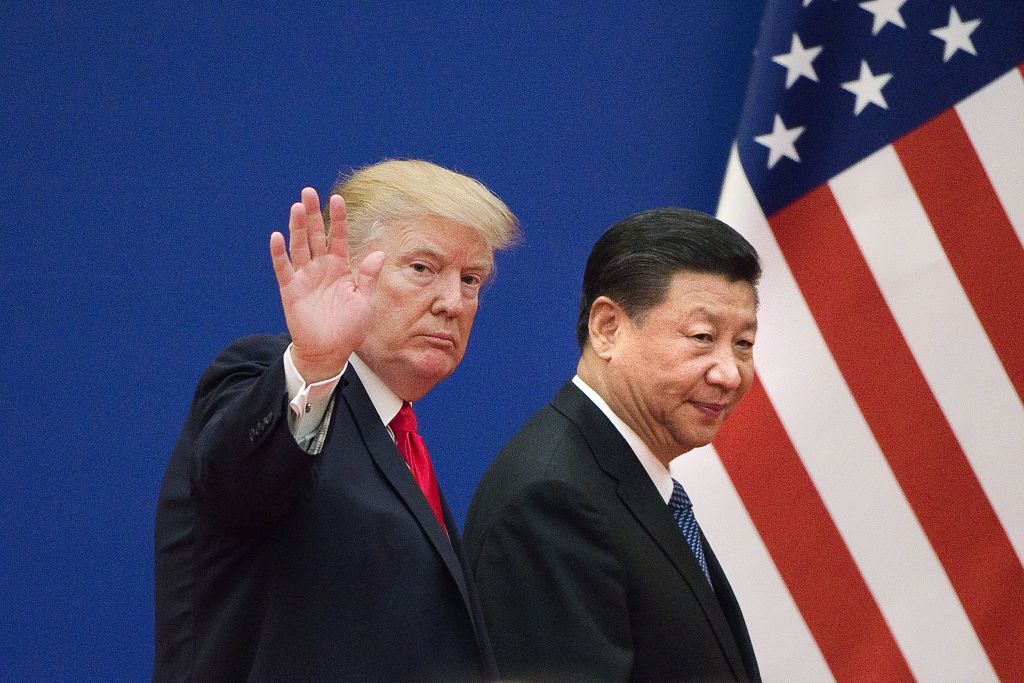
Chinese President Xi Jinping and U.S. President Trump discussed efforts to maintain the fragile trade truce amid escalating tensions, with Xi using a maritime analogy to emphasize the importance of staying on course and avoiding external interference in their relationship.
President Trump and Chinese President Xi Jinping had their first phone call since the start of the tariff war, discussing trade negotiations, potential state visits, and China's export controls, with both leaders expressing a desire to improve relations and resolve ongoing disputes.
President Trump has struggled to establish direct communication with Xi Jinping due to differences in negotiation styles and mutual distrust, impacting efforts to resolve ongoing trade disputes between the US and China, with a phone call expected to occur soon amid heightened tensions.
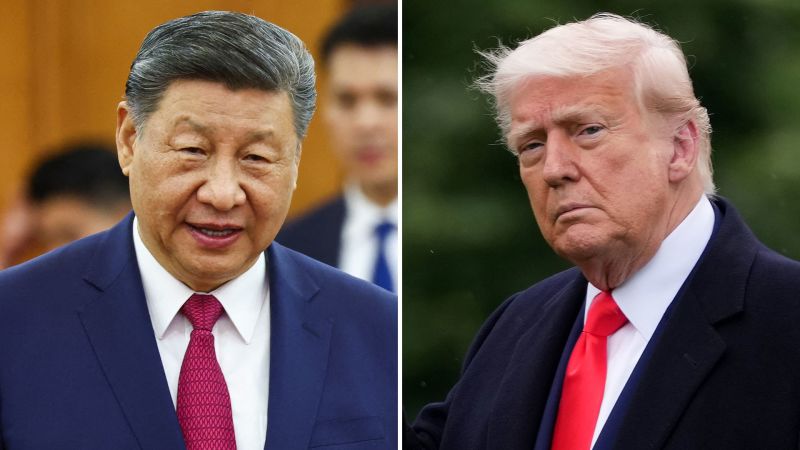
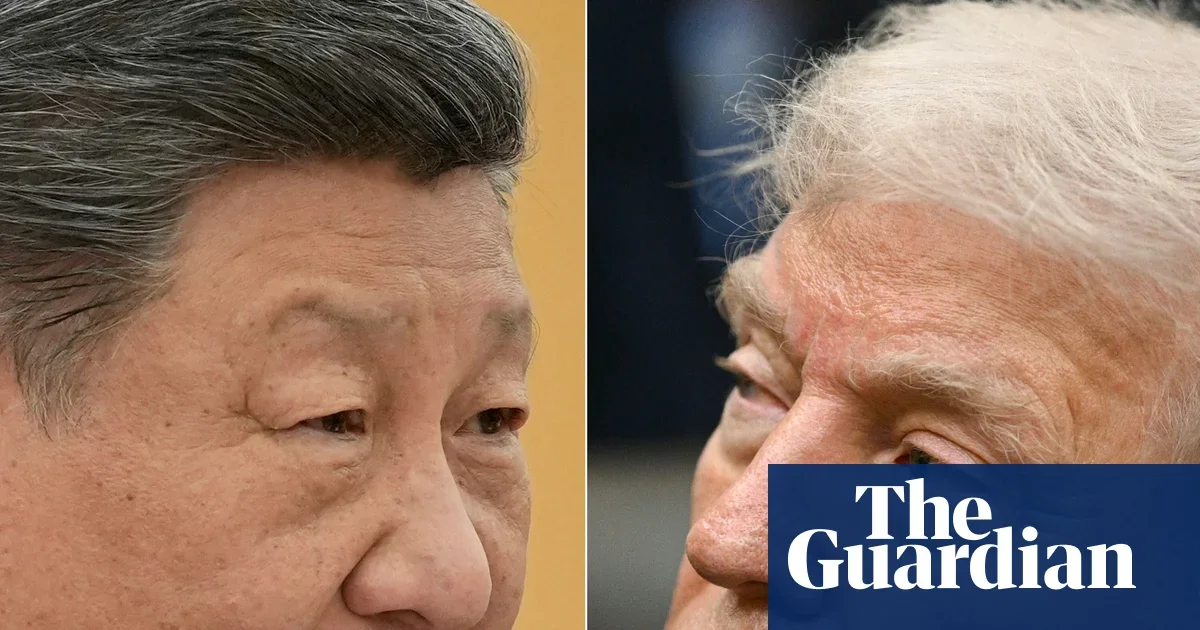
President Donald Trump described Chinese leader Xi Jinping as 'very tough' to negotiate with, amid escalating economic and geopolitical tensions between the US and China, including tariffs, export restrictions, and military concerns, raising questions about the stability of their fragile truce.
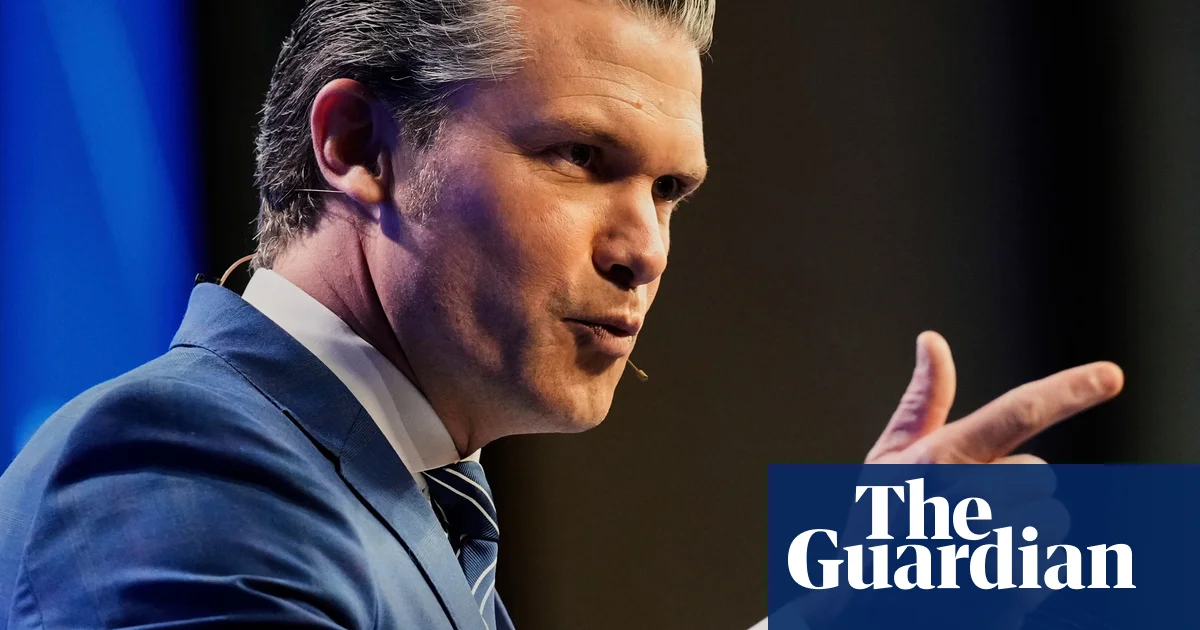
China has condemned Pete Hegseth's speech at the Singapore defence forum, where he warned of China's military threats and regional ambitions, accusing him of provoking division and misrepresenting China's intentions. The US and Australia emphasized China's military buildup and regional tensions, while China defended its stance and criticized foreign interference, highlighting the ongoing strategic rivalry in the Asia-Pacific region.
The US crackdown on Chinese students and visa policies are causing many Chinese students to reconsider studying in the US, with some seeking alternatives in the UK, Australia, and Singapore due to concerns over safety, political tensions, and changing policies, which are also impacting the US's reputation as a top destination for international students.
President Trump reassures Chinese students in the US that they will be 'fine' amid increased scrutiny and visa revocations targeting individuals with links to the Chinese Communist Party, as part of broader efforts to tighten foreign student vetting and address national security concerns, particularly at Harvard University.
The Trump administration increased punitive measures against China, including visa restrictions and technology export bans, due to frustrations over China's failure to fulfill trade commitments, highlighting escalating tensions and a strategic move towards decoupling in critical supply chains.