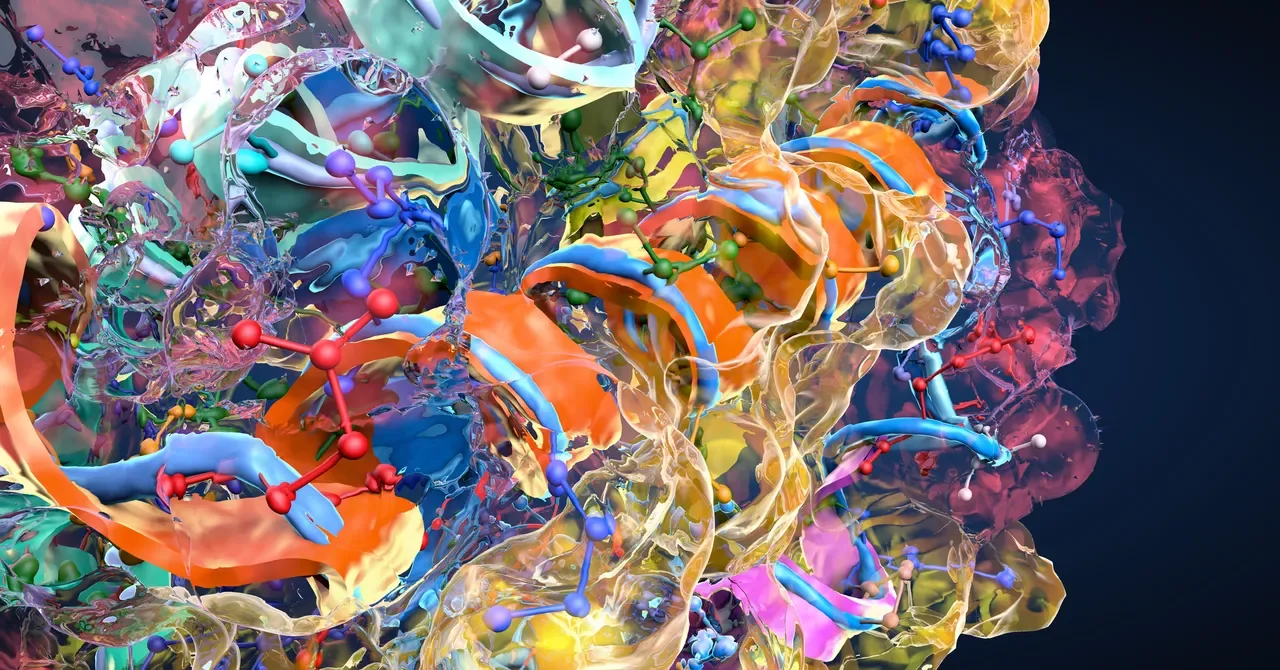
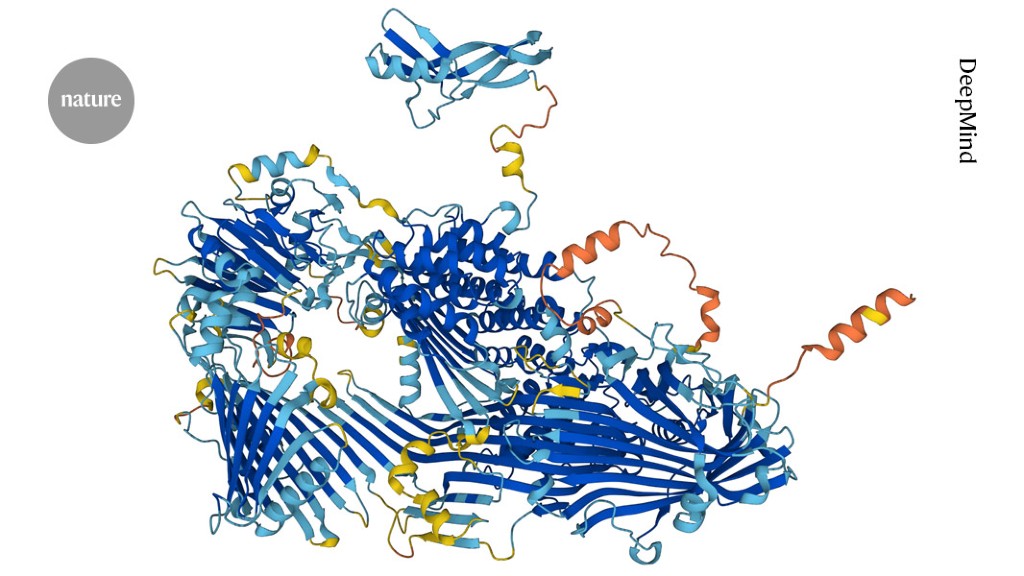
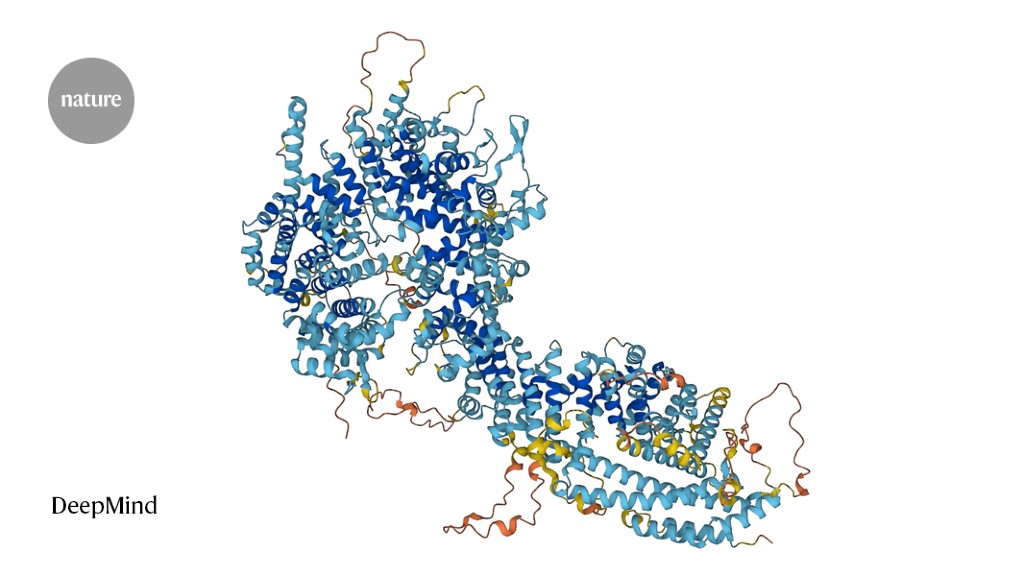
AlphaFold, developed by DeepMind, has revolutionized biology by accurately predicting protein structures, earning a Nobel Prize and expanding into DNA, RNA, and drug interactions, with ongoing advancements aimed at understanding cellular systems and improving medicine.
Google DeepMind's affiliate, Isomorphic Labs, is preparing to begin human trials of AI-designed drugs, aiming to revolutionize drug development by increasing success rates and reducing costs, leveraging breakthroughs like AlphaFold for protein modeling.
AI tools like AlphaFold, Casanovo, and InstaNova are revolutionizing biology by predicting complex protein structures, inferring unknown sequences, and enhancing peptide identification, with applications extending to archaeology and medical research, marking a new era of scientific discovery.
The article highlights positive applications of AI across various fields, including scientific breakthroughs with AlphaFold in protein folding, AI in healthcare to reduce doctor workload, and AI-driven flood forecasting to aid vulnerable populations, emphasizing that AI's potential for good is often overshadowed by negative headlines.
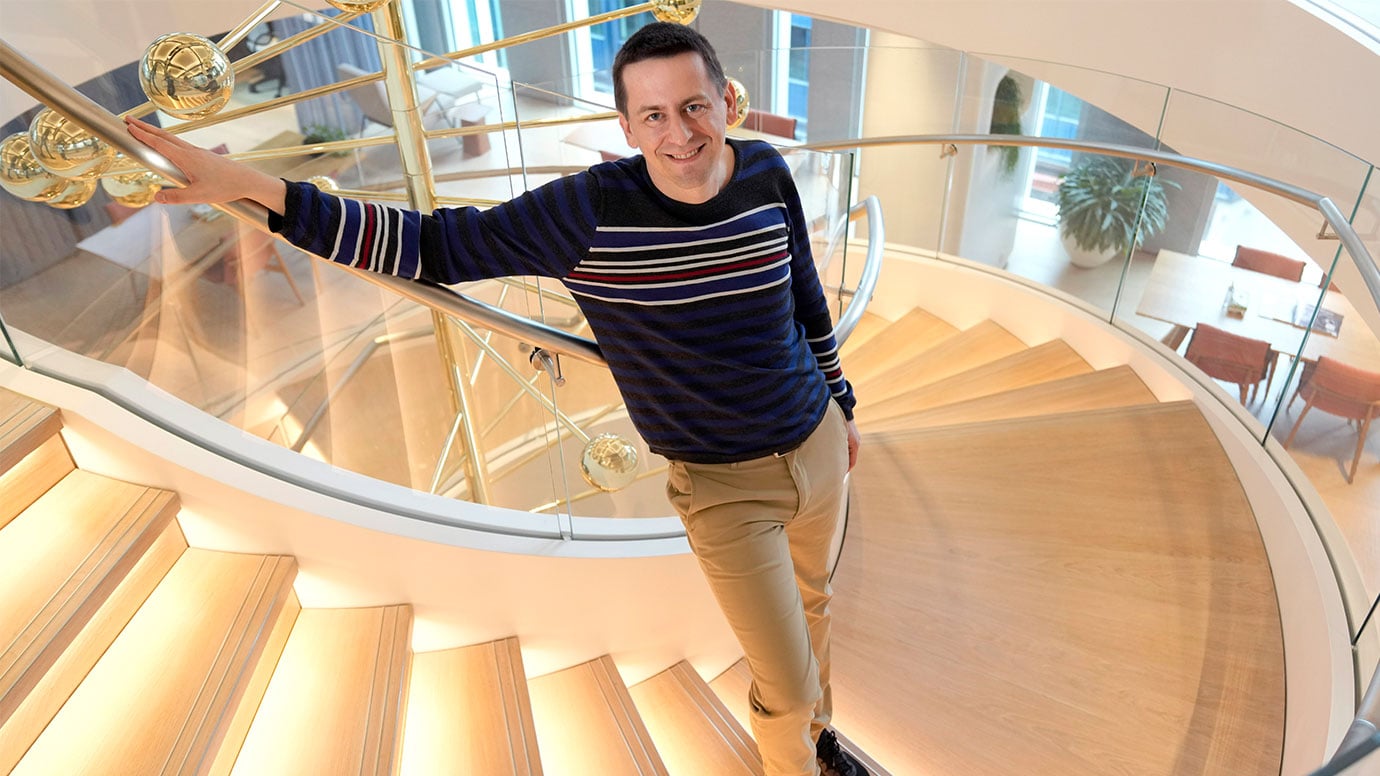
John Jumper, a Nobel laureate in Chemistry, initially struggled with chemistry but found his passion in computational modeling of protein folding. His work at the University of Chicago and later at DeepMind led to the development of AlphaFold, an AI program that predicts protein structures from genetic sequences. This breakthrough has significant implications for understanding diseases and drug development, earning Jumper and his colleague Demis Hassabis the 2024 Nobel Prize in Chemistry.
Demis Hassabis and James Manyika discuss the transformative potential of AI in advancing scientific discovery, highlighting DeepMind's achievements like AlphaFold, which solved the protein folding problem and accelerated research across various fields. They emphasize the importance of responsible AI development, collaboration with diverse stakeholders, and the potential for AI to unlock new scientific insights and address global challenges.
Google DeepMind has open-sourced AlphaFold 3, allowing academic researchers access to its training weights for non-commercial use. This model, released in May 2024, predicts protein structures with 50% better accuracy and is expected to revolutionize drug discovery. Isomorphic Labs, a sister company, aims to leverage AI for drug development, with partnerships with major pharmaceutical companies like Eli Lilly and Novartis. AlphaFold has already predicted over 200 million protein structures, significantly advancing biomedical research.
AlphaFold, an AI tool developed by DeepMind, has been used to identify hundreds of thousands of potential new psychedelic molecules, showing its potential in drug discovery. While some skepticism remains, studies have found that AlphaFold's predictions can be as useful as experimental models in identifying promising drugs. The tool's ability to predict protein structures could revolutionize drug discovery, although it may not be universally applicable. Isomorphic Labs, a spin-off of DeepMind, is ramping up drug-discovery efforts using AlphaFold, and the company has announced deals with pharmaceutical giants to utilize machine-learning tools for drug development.
DeepMind has released an updated version of its AI system, AlphaFold, which can accurately predict the structures of proteins, ligands, nucleic acids, and post-translational modifications. The new model, AlphaFold 2, is being applied to drug discovery by Isomorphic Labs, a DeepMind spin-off, to help characterize molecular structures for therapeutic drug design. The model's capabilities surpass current docking methods used in pharmaceutical research and show potential for enhancing scientific understanding of the human body's molecular machines. However, the system falls short in predicting the structures of RNA molecules, an area that DeepMind and Isomorphic Labs are working to improve.
Google Deepmind's AlphaFold, an AI program that accurately predicts the 3D shapes of proteins, has sparked excitement in the field of drug discovery. Biotech firm Recursion recently used AlphaFold to calculate how potential drug compounds could bind to human proteins, but some scientists remain skeptical about the quality and usefulness of these predictions. While AlphaFold's protein structure predictions are impressive, they may not accurately predict ligand binding, and the lack of validation data and transparency from companies like Recursion raises concerns. Other AI programs, such as RoseTTAFold and DragonFold, are also being developed to improve protein-drug binding predictions. The challenge lies in identifying compounds that bind strongly to proteins with limited knowledge, and validation in the lab is crucial for progress in this field.
DeepMind's AlphaFold AI, which accurately predicts protein structures, has had a significant impact on the field of biology and drug discovery. The AlphaFold Protein Structure Database has been used by over 1.2 million researchers worldwide, and adoption rates are increasing rapidly. DeepMind CEO Demis Hassabis believes that AlphaFold has had the most beneficial effects in AI so far, with numerous Nobel Prize-winning biologists and chemists utilizing the technology. While AlphaFold has already made important contributions, the team acknowledges that there are still many unsolved problems in protein research. DeepMind continues to invest in AlphaFold and aims to see more real-world applications in the coming years.
Scientists at Skoltech Bio tested AlphaFold, the AI program that solved the central problem of structural bioinformatics, on another challenge in the field and found that the program's predictions contradicted experimental findings, suggesting that the AI is not a cure-all for structural bioinformatics. The findings refute claims by some AlphaFold enthusiasts that the program had mastered the ultimate protein physics and should work beyond the task it was designed for. The study highlights that even in the wake of AlphaFold, scientists in the field have one or two things to do, including predicting the structures of complexes made up of proteins and either small molecules or DNA or RNA, determining how mutations affect the binding energy of proteins with other molecules, and designing proteins with amino acid sequences that endow them with desired properties.
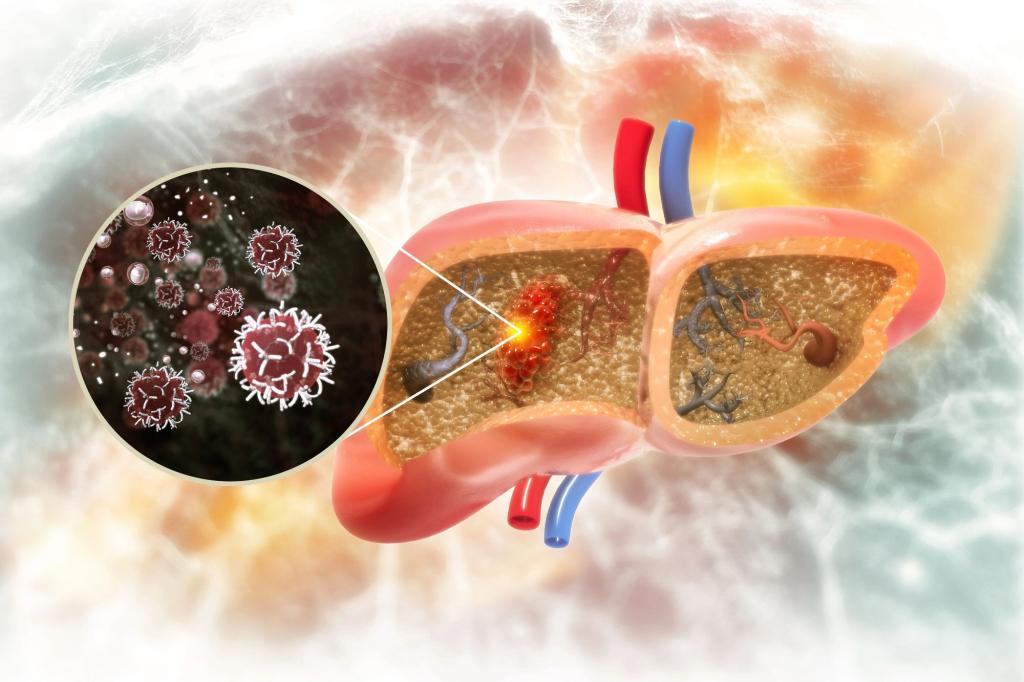
Researchers from the University of Toronto and Insilico Medicine used an AI-powered database called AlphaFold to create a drug that could potentially treat liver cancer. AlphaFold identified a previously undiscovered pathway to treat hepatocellular carcinoma (HCC) and developed a "novel hit molecule" that could bind to the target. However, any potential drug would still need to undergo clinical trials before it can be used to treat cancer. Another study showed how AI was more than 80% accurate in predicting cancer patient survivor rates.
Researchers at the University of Toronto and Insilico Medicine have developed a potential treatment for hepatocellular carcinoma (HCC) with an AI drug discovery platform called Pharma.AI. The creation of the potential drug was accomplished in just 30 days from the selection of the target and after synthesizing just seven compounds. The AI system was also able to predict cancer patient survival rates using doctors’ notes with an accuracy rate of over 80%.