Scientists discovered giant viruses living in Greenland's ice sheet, revealing new insights into polar ecosystems and their potential role in regulating algae growth and ice melt, with broader implications for understanding climate change and microbial interactions in extreme environments.
Researchers discovered 230 previously unknown giant viruses in global oceans, significantly expanding understanding of viral diversity and their role in marine ecosystems, with potential implications for managing algal blooms and biotechnological applications.
Scientists have discovered hundreds of new giant viruses in the ocean, revealing their potential roles in marine ecosystems, including influencing algae and phytoplankton, which are vital for oxygen production and marine food chains. These findings enhance understanding of oceanic microbial interactions and could aid in managing harmful algal blooms and monitoring water health.
Scientists have discovered 230 new giant viruses in oceans worldwide that infect marine microbes and may influence ecosystem dynamics, carbon cycling, and harmful algal blooms, revealing their potential role in biogeochemistry and biotechnology.
Scientists have discovered 230 new giant viruses in ocean waters that infect protists like algae, which are crucial to marine ecosystems and can influence public health through harmful algal blooms. Using advanced computational tools and global datasets, they characterized these viruses' genomes and functions, revealing their potential to manipulate host metabolism and impact biogeochemical cycles. This research enhances understanding of ocean viral diversity and could aid in monitoring and managing marine health threats.
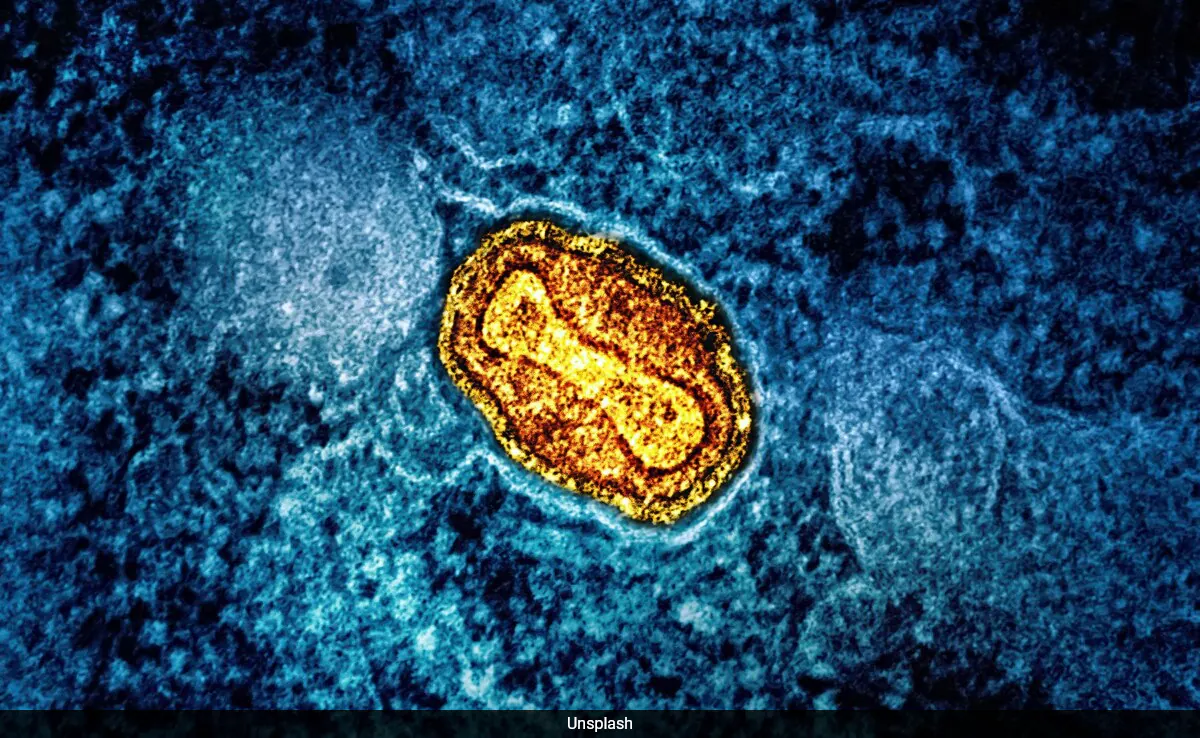
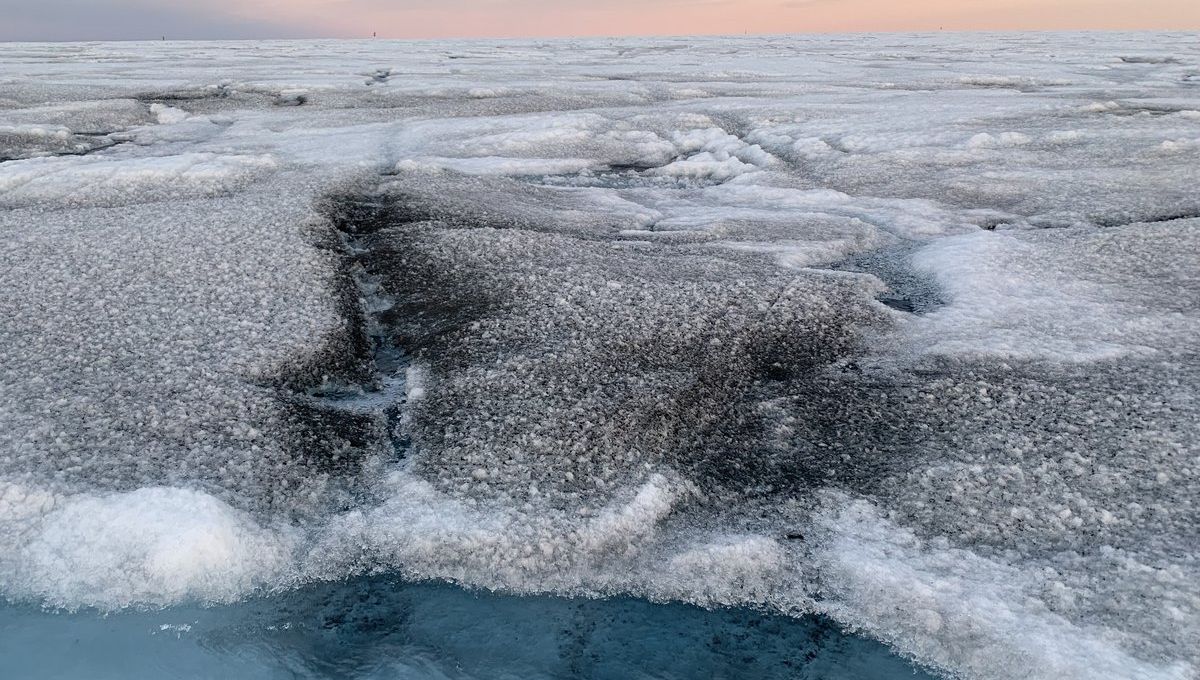
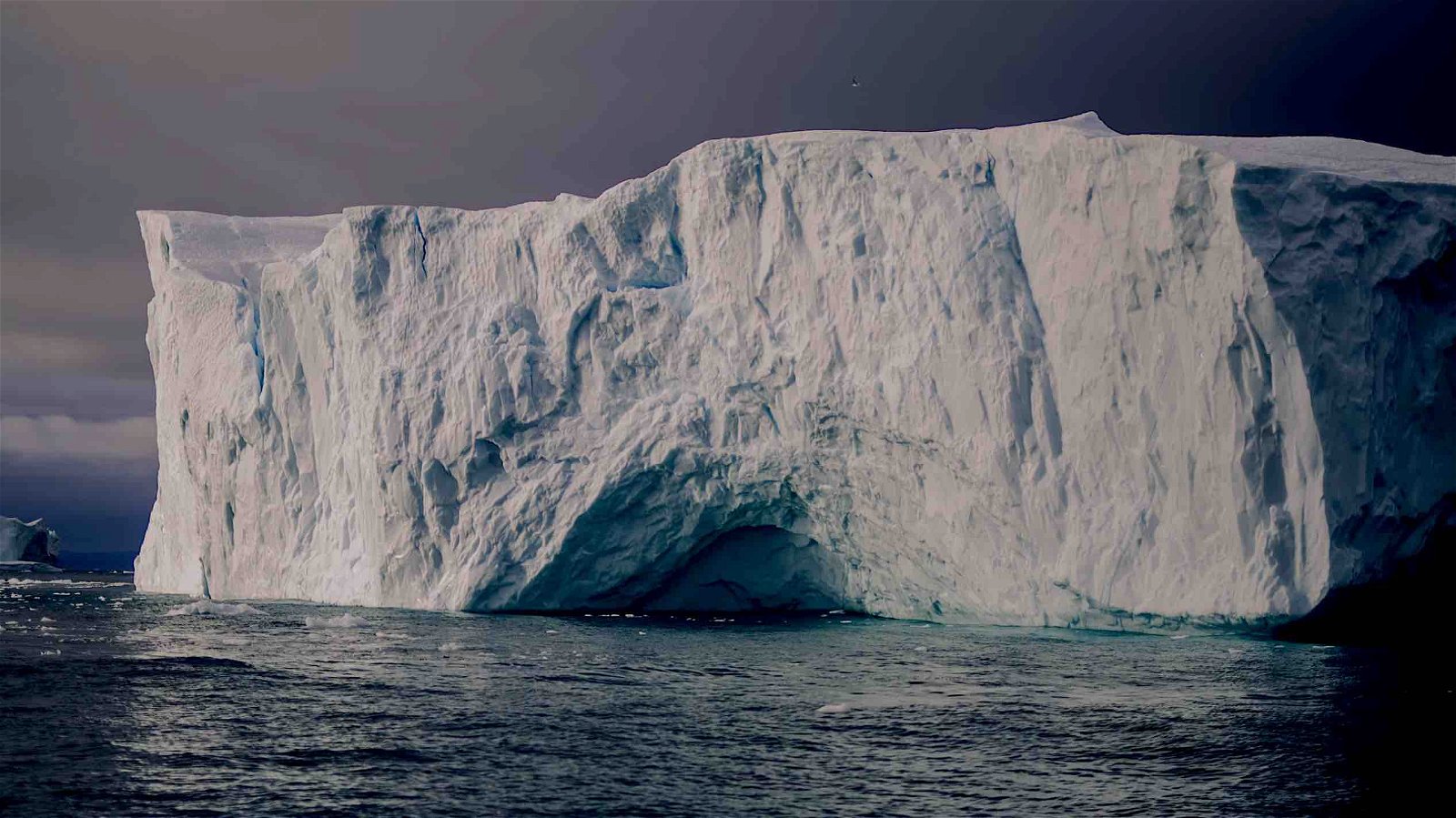
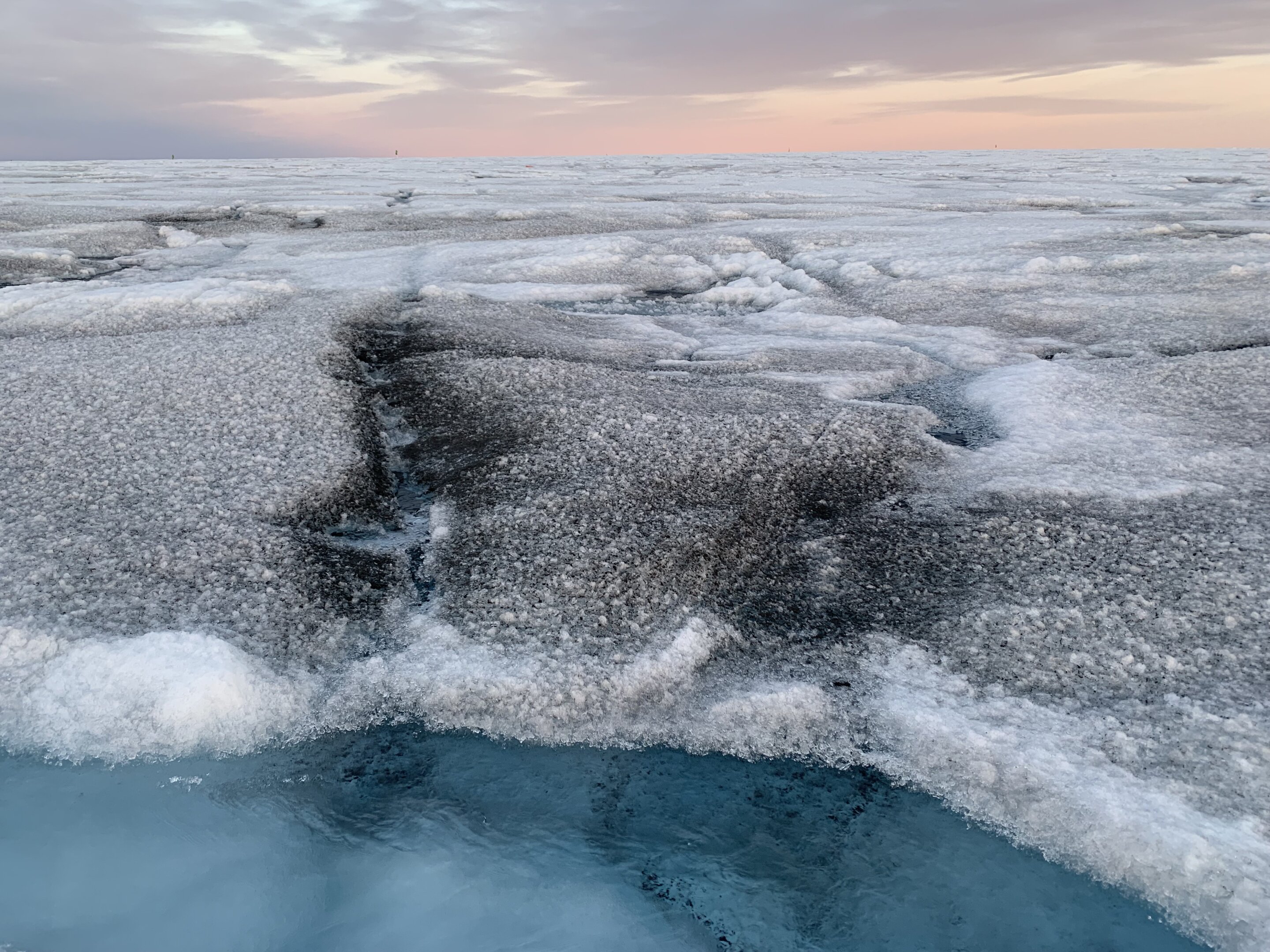
Scientists have discovered giant viruses on the Greenland ice sheet, which may help control algal blooms that accelerate ice melt. These viruses, significantly larger than typical viruses, could play a crucial role in regulating algae and protecting the ice. Further research is needed to understand their full impact and potential benefits.
Scientists have discovered giant viruses on Greenland's Arctic ice sheet that may help control algal blooms and reduce ice melting. These viruses, larger than most bacteria, were found thriving alongside microalgae in dark ice and red snow. The discovery challenges previous notions of the Arctic as a barren landscape, revealing a complex ecosystem. Further research is expected to uncover more about the ecological roles and interactions of these giant viruses.
Researchers have discovered giant viruses on the Greenland ice sheet that may help control algae blooms, which darken the ice and accelerate melting. These viruses, larger and more complex than typical viruses, could potentially reduce ice melt and mitigate some effects of global warming. Further research is needed to understand their specific roles and effectiveness.
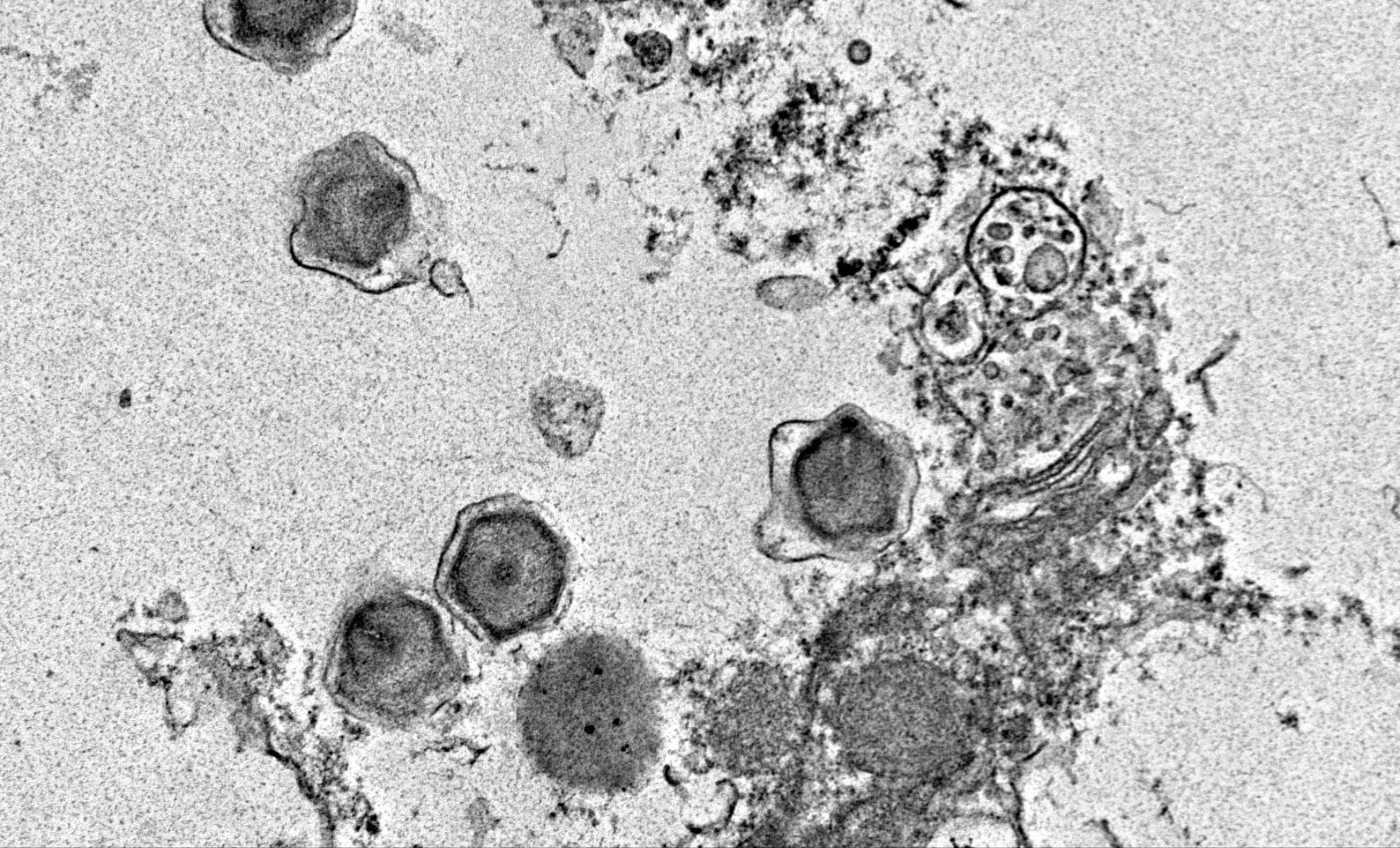
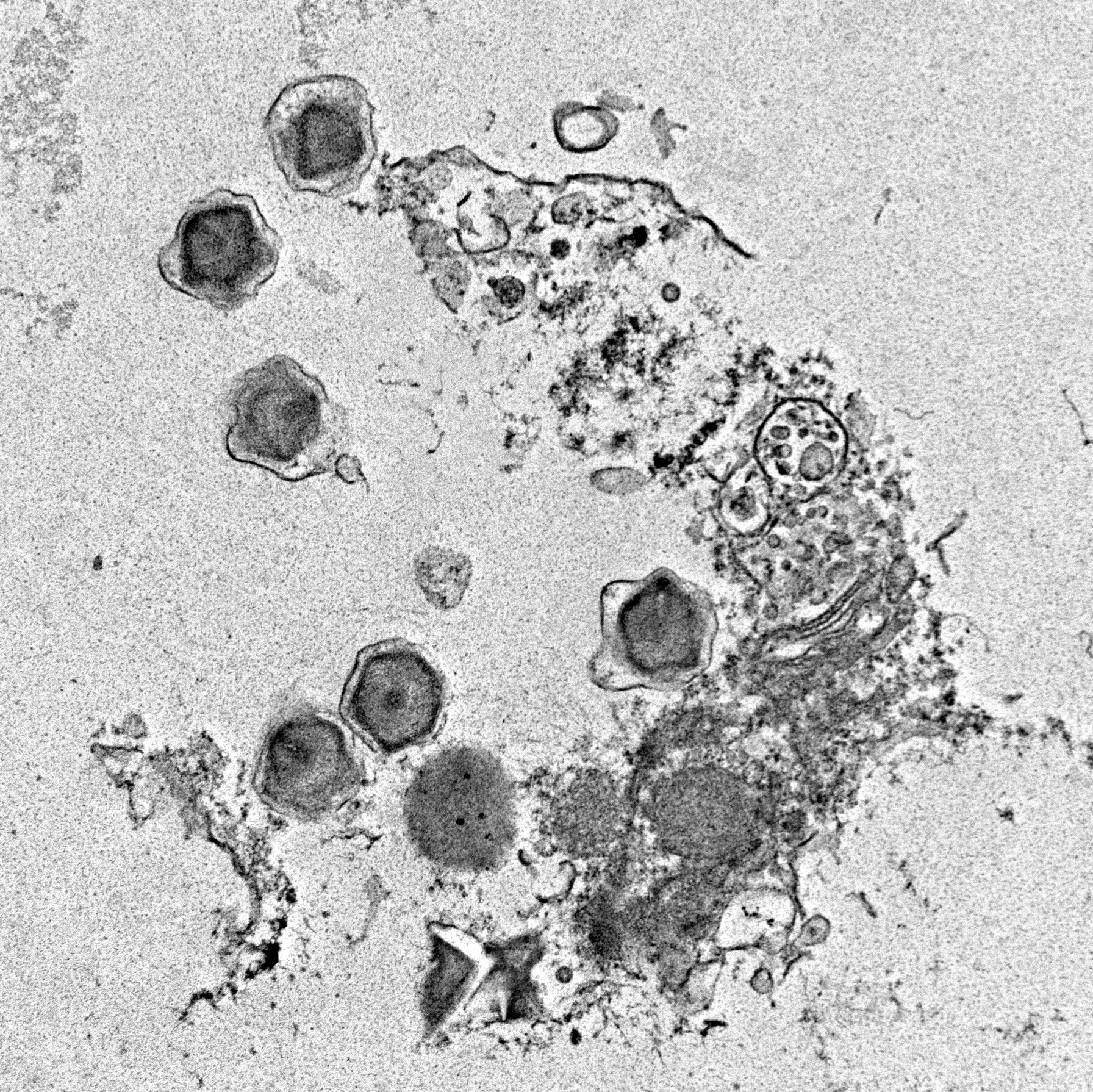
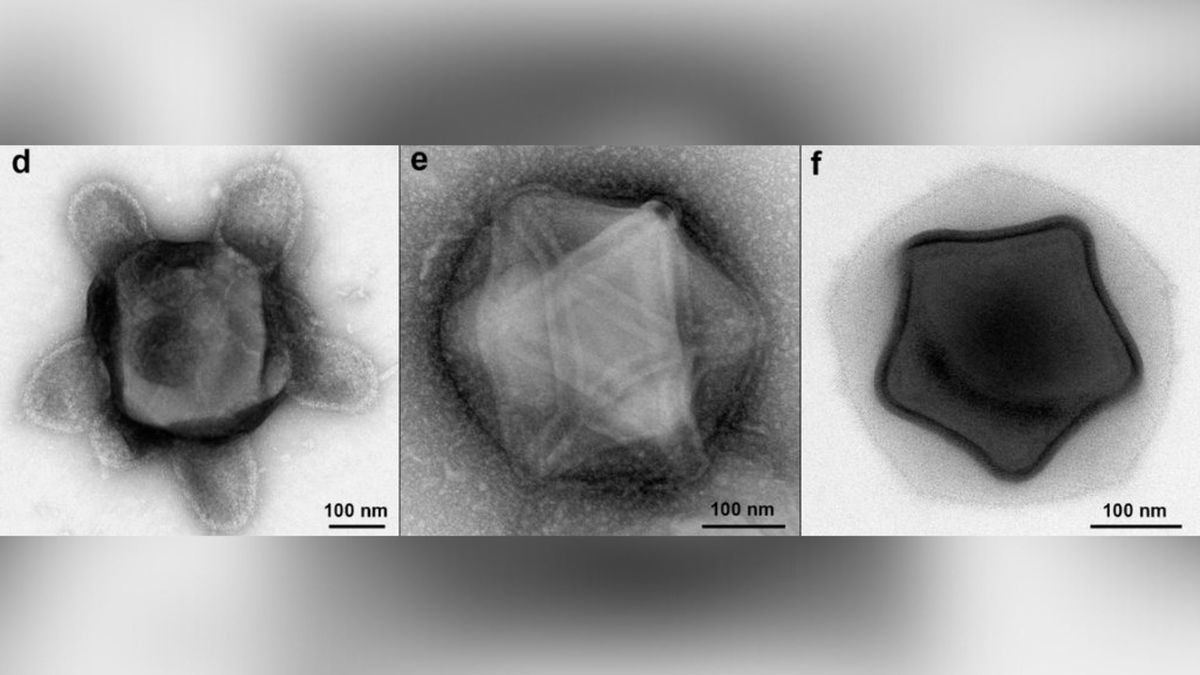
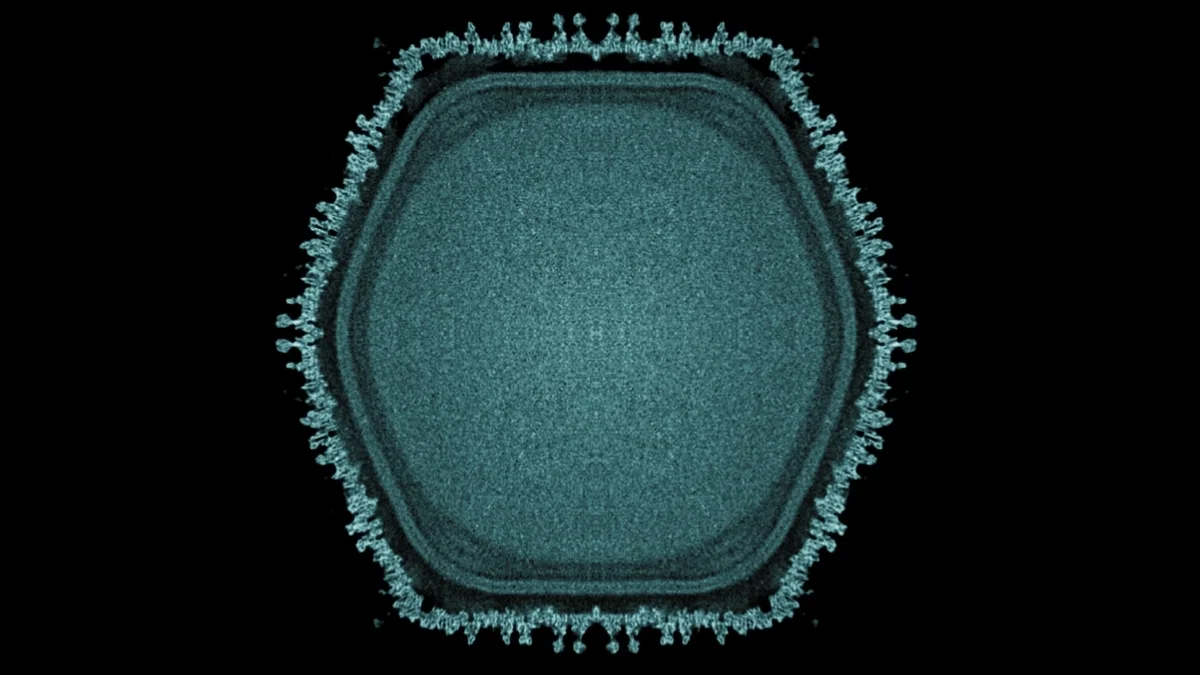
A team of researchers has discovered a wide variety of gigantic viruses in the soil of a Massachusetts forest, revealing an unprecedented ecological diversity. These colossal parasites, comparable in size to bacteria, have genomes larger than more complex organisms. The study focuses on the morphology of the viruses, revealing an unexpected diversity of forms, including tentacle-like appendages and ornate shapes. The researchers believe that many of these viruses are completely new and have never been seen before. While these viruses primarily infect single-celled microbes, their discovery opens up new possibilities for understanding their role in ecological and evolutionary contexts. The study of soil viruses is reshaping our understanding of the microbial world and has potential applications in medicine and agriculture.
Scientists have discovered never-before-seen giant viruses in the soils of a New England forest, exhibiting unique traits such as star-like outer shells and tubular appendages. These giant viruses, which are larger than most viruses and primarily infect single-cell organisms, have complex genomes and play important roles in the ecosystem, particularly in carbon cycling. The researchers believe that similar giant viruses could be found in other hardwood forests worldwide, highlighting the diverse and previously unknown structures of soil viruses.
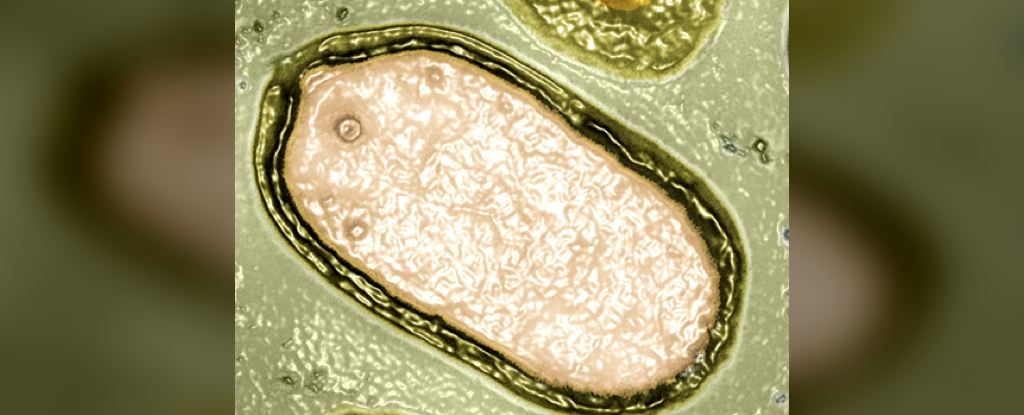
Climate change is causing permafrost to thaw, releasing ancient viruses that have been frozen for millions of years. While most of these "zombie viruses" are harmless to humans, there are concerns that deadly diseases could be revived. Anthrax, a bacterial disease that can be fatal, has already been found in thawing permafrost. Other dangerous diseases could also be lurking beneath the ice, making their resurgence and potentially fatal consequences not a matter of if, but when.