
"Groundbreaking Scientific Discovery Challenges Human Evolution Theories"
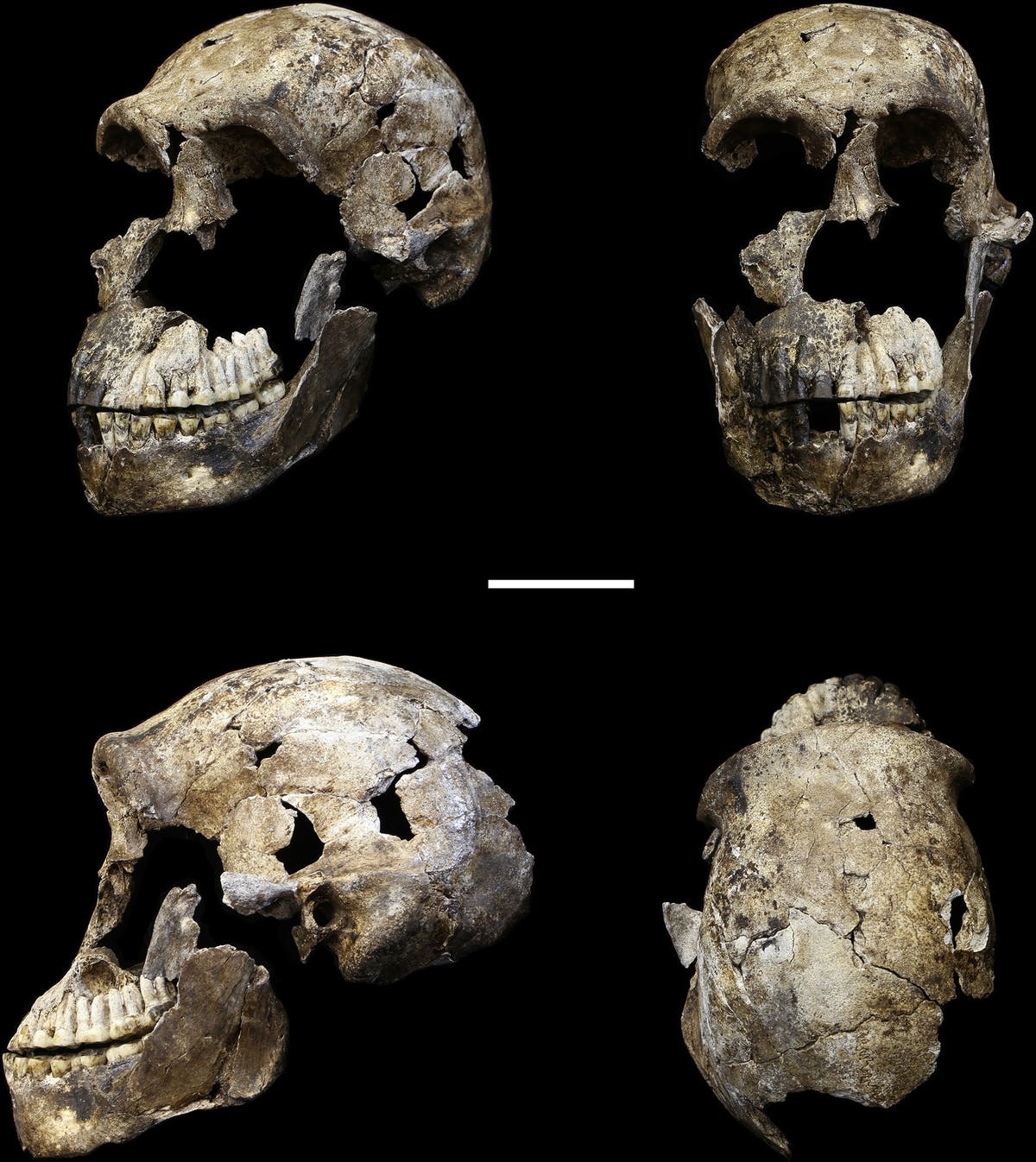
Scientists are investigating the possibility that a species of "ape-men" called Homo naledi, which lived in southern Africa around 300,000 years ago, had a complex human-like culture that included practices and beliefs associated with modern humanity. Despite having brains only a third the size of modern humans, Homo naledi may have been able to envision an afterlife, bury their dead, give grave goods, carry out rituals, create art, and plan a complex lighting system. The discovery challenges current understanding of human evolution and raises questions about the importance of brain size in cognitive abilities. Further investigations are planned to confirm these findings and shed light on the origins of human thought and belief systems.
Reading Insights
0
9
10 min
vs 11 min read
94%
2,020 → 114 words
Want the full story? Read the original article
Read on The Independent