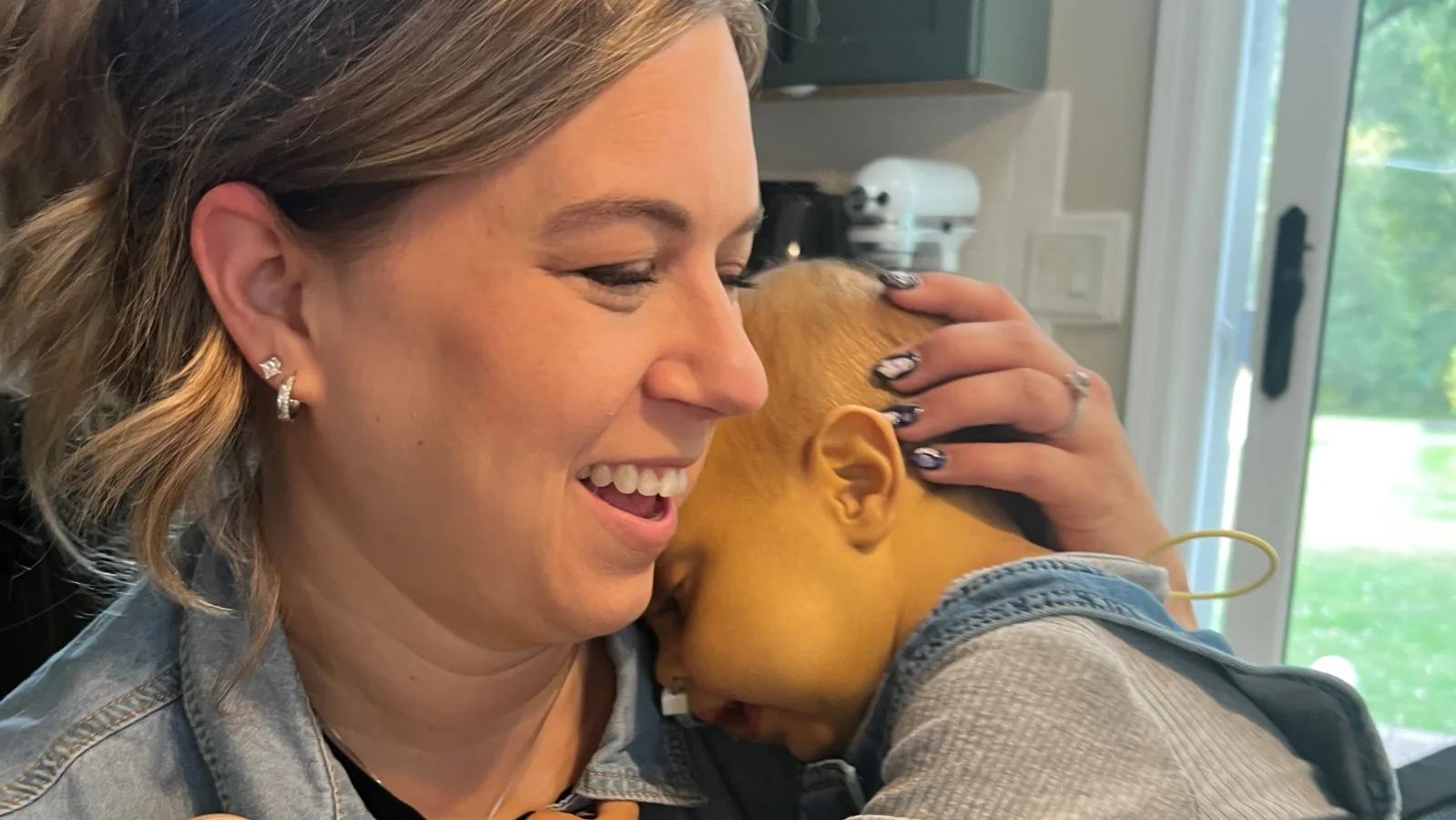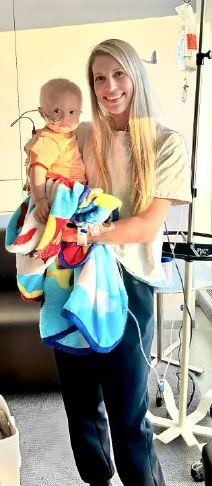
A mother undergoes a living donor liver transplant to save her daughter Ruby, who suffers from the rare metabolic condition PMM2-CDG, leading to significant health improvements and highlighting the emotional and medical complexities of such procedures.
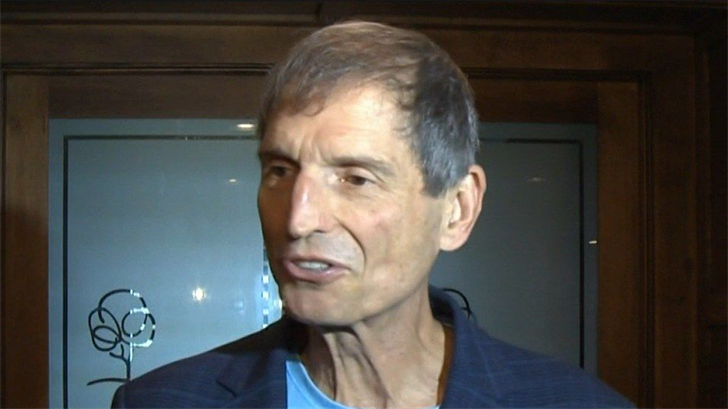
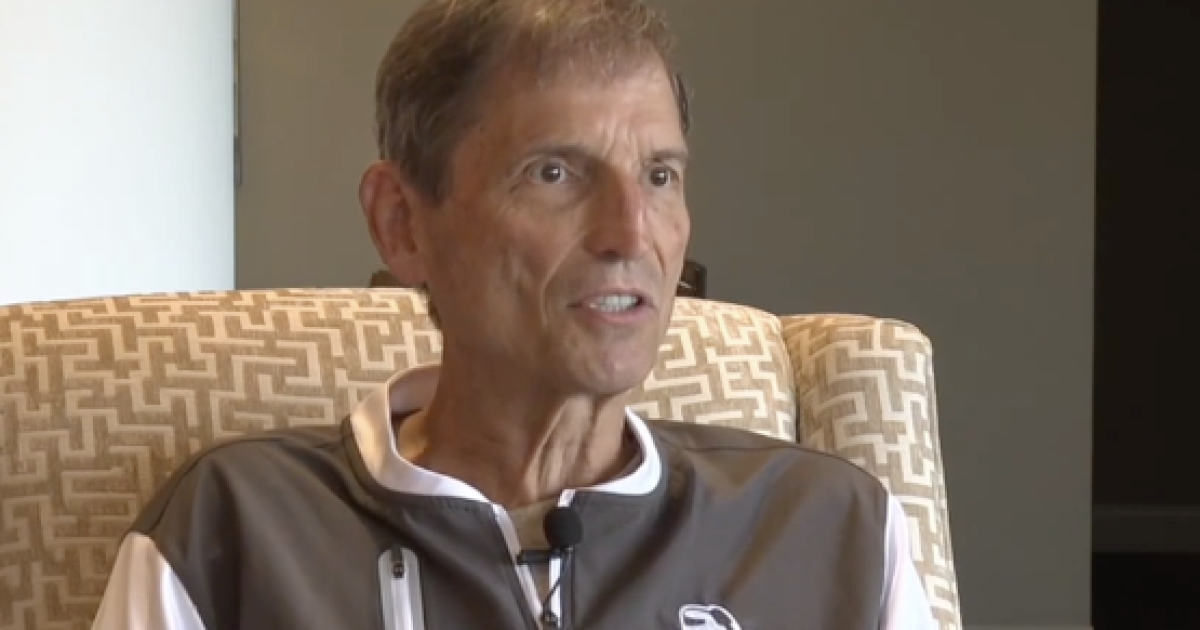
Former Browns quarterback Bernie Kosar, 61, is hospitalized and undergoing a third procedure to stop internal bleeding caused by an infection, while awaiting a liver transplant and managing Parkinson's Disease.
Bernie Kosar, a Cleveland Browns legend, is battling serious health issues including internal bleeding and liver problems, and is awaiting a liver transplant which has been delayed due to infection. He has undergone multiple surgeries and is seeking support and prayers during this difficult time, while also raising awareness and funds for others facing medical challenges.
Toddler Isaac Calkins, suffering from a rare genetic disorder called OTC deficiency, urgently needs a liver transplant and his family is seeking a living donor to help save his life, as his condition worsens and he faces multiple health challenges.
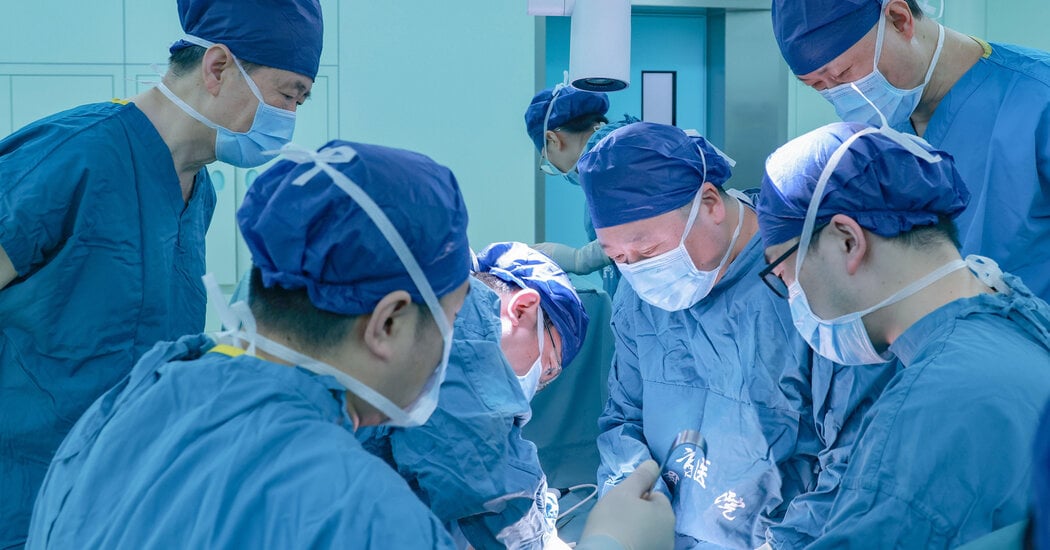
Chinese surgeons successfully transplanted a genetically modified pig liver into a human patient with liver cancer, marking a significant milestone in xenotransplantation, though the patient died several months later due to complications. The procedure demonstrated that pig organs can temporarily function in humans, offering hope for addressing organ shortages, especially in China where liver disease is prevalent.
A parent inquires if earlier hospital intervention could have saved their son's life, who died from acute-on-chronic liver failure likely related to Wilson's disease, a rare genetic disorder affecting copper metabolism. The doctor explains that earlier diagnosis and management might have prevented the progression, but once acute failure occurred, the prognosis was poor, and a transplant was probably too late.
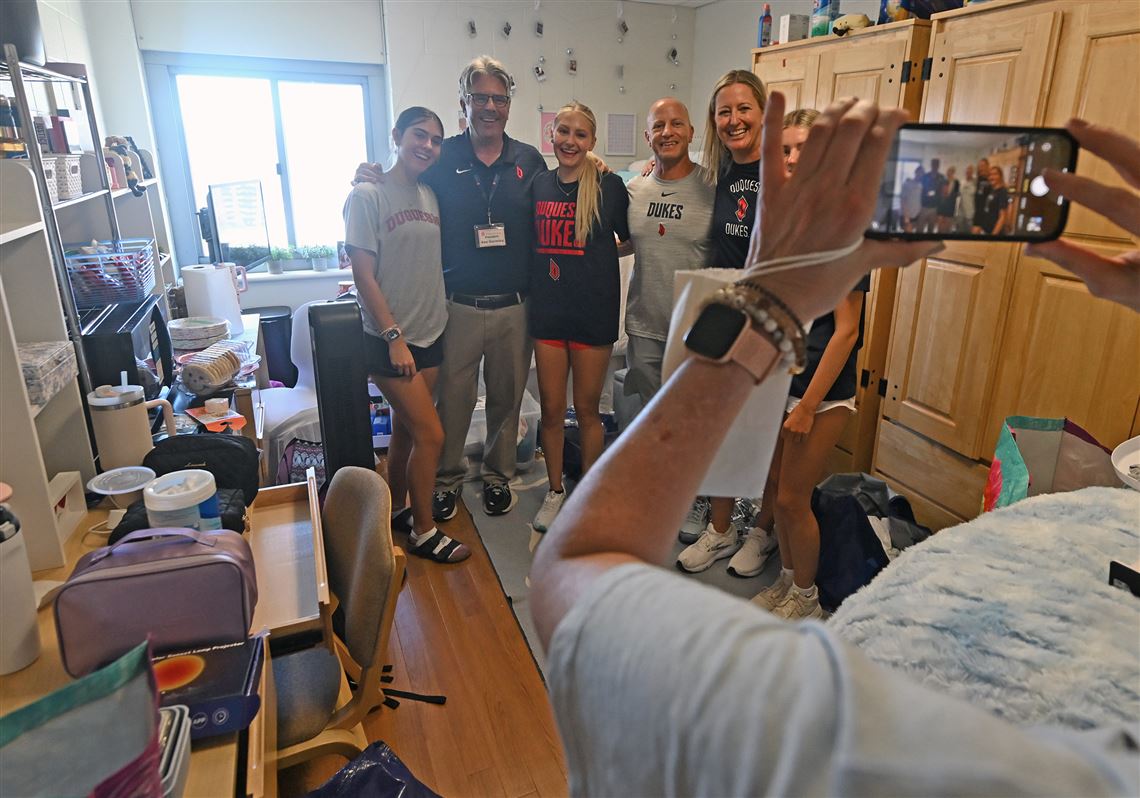
Alaina Janet, who received a liver transplant as a baby, is moving into her college dorm at Duquesne University in Pittsburgh, marking 17 years since her transplant and fulfilling her dream to study nursing in the city where she was treated. Her father donated part of his liver, creating a lifelong bond, and her experience has inspired her to pursue a career in healthcare.
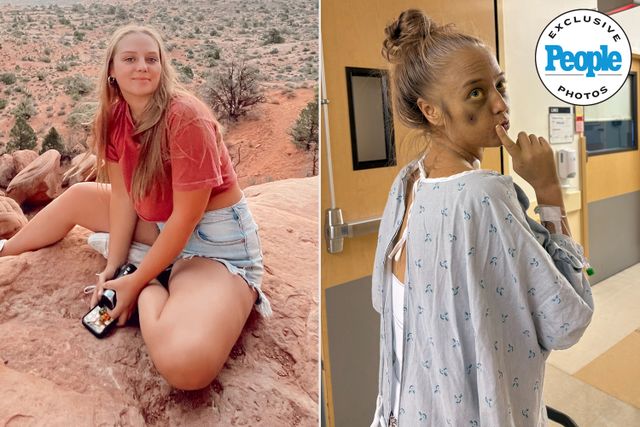
An aunt, Taylor Dearth, selflessly donated part of her liver to save her nephew Crew, a young boy battling stage 4 hepatoblastoma, a rare and aggressive liver cancer. The successful transplant at the Cleveland Clinic marks a significant step in Crew's treatment, highlighting themes of family love, sacrifice, and medical advancement.
Emma Mendelssohn, a 15-year-old from California, was diagnosed with autoimmune hepatitis and needed a liver transplant after her symptoms, including jaundice and fatigue, worsened. She underwent two transplants due to complications and now manages her condition while raising awareness through social media. Her story highlights the challenges of autoimmune liver disease and the resilience required to cope with life-threatening health issues.
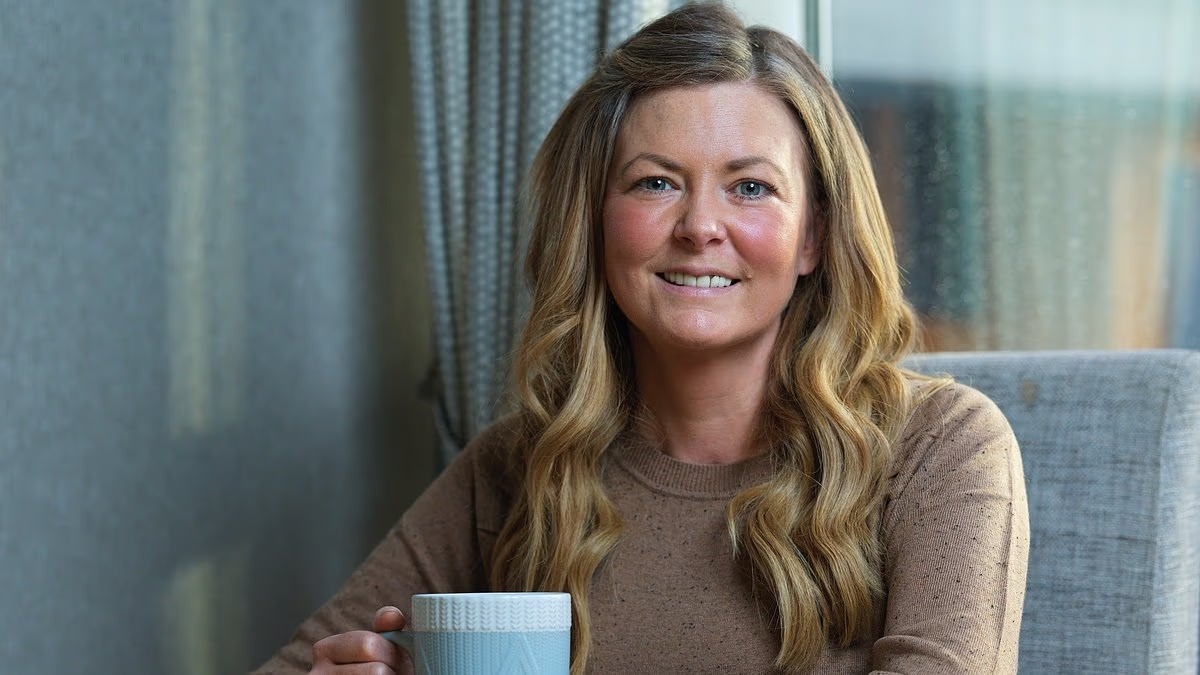
A woman diagnosed with incurable bowel cancer at 33 was initially misdiagnosed due to her age, but after aggressive treatment and a pioneering liver transplant procedure, she is now cancer-free, highlighting the importance of early detection and advocacy in young adults.
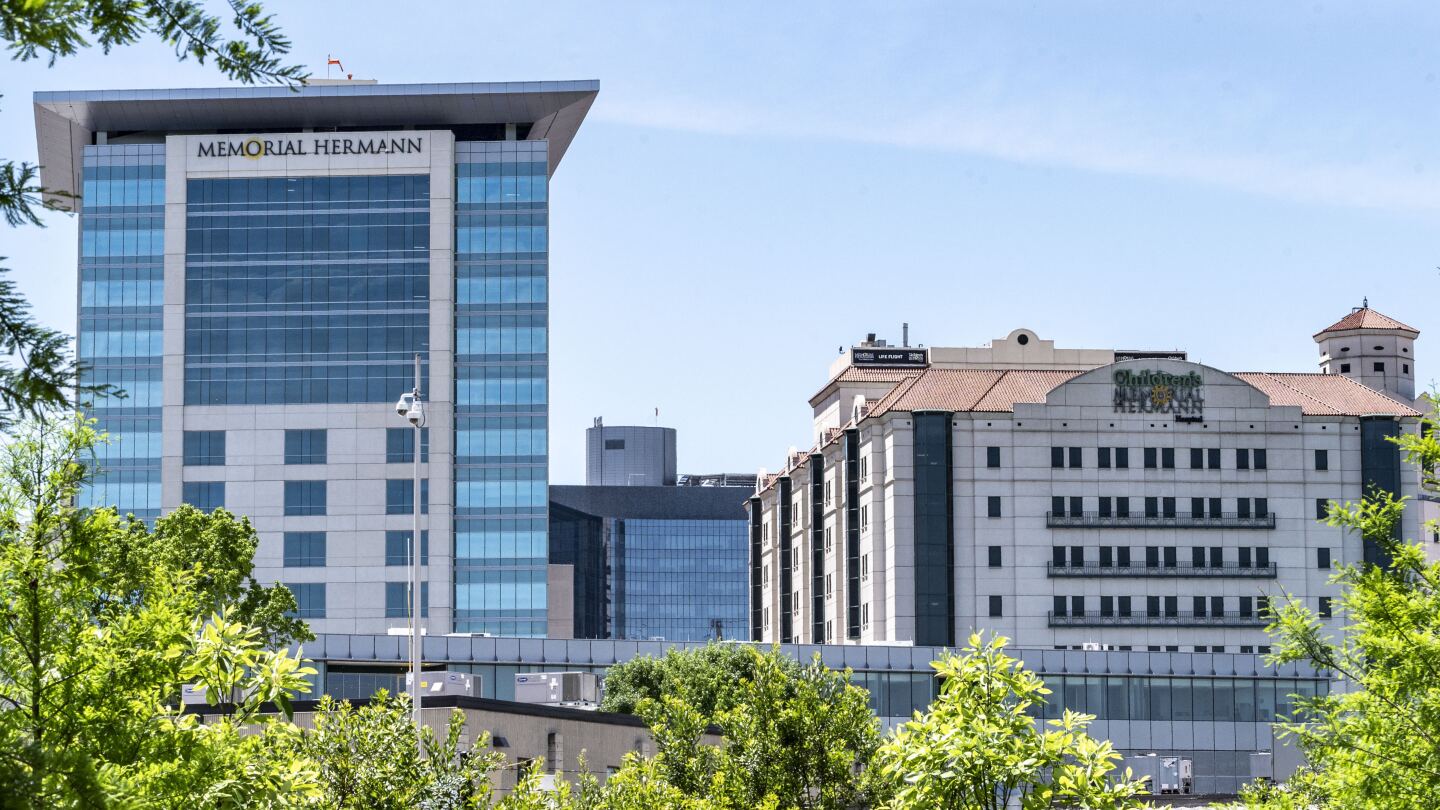
Memorial Hermann-Texas Medical Center in Houston has suspended its liver and kidney transplant programs after discovering that a doctor had made inappropriate changes to a database for liver transplant patients, rendering them ineligible for new organs. The hospital did not name the doctor, but the University of Texas Health Science Center at Houston defended Dr. Steve Bynon, who is contracted to Memorial Hermann. The allegations have raised concerns about fairness, transparency, and accountability in the organ allocation system, and the U.S. Department of Health and Human Services is addressing the matter. The hospital is working to ensure affected patients receive necessary care and is collaborating with UTHealth Houston to reactivate the program under different leadership.
Memorial Hermann-Texas medical center in Houston has suspended its liver and kidney transplant programs after uncovering irregularities in donor acceptance criteria, allegedly due to a doctor manipulating patient records to make them ineligible for transplants. The doctor in question, Dr. J Steve Bynon Jr, has not confirmed or denied altering records. The hospital has seen an increase in patient deaths while waiting for transplants and is working to ensure continuity of care for affected patients. The US Department of Health and Human Services is investigating the allegations to protect patient safety and equitable access to organ transplant services.
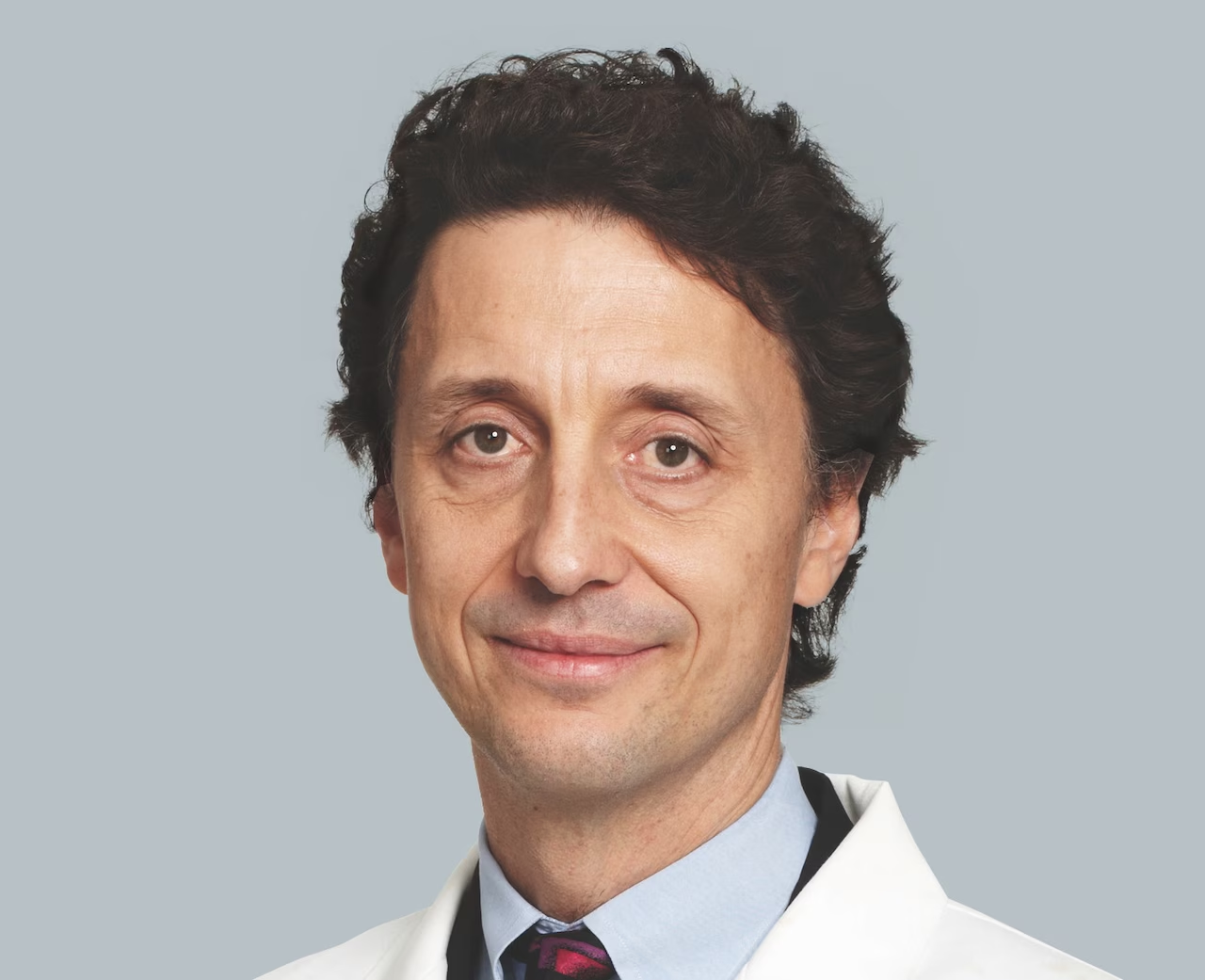
Dr. J. Steve Bynon Jr. has been removed as the leader of Memorial Hermann's liver and kidney transplant program amid an investigation into alleged manipulation of donor acceptance criteria. The New York Times report linked the prominent surgeon to irregularities in the liver transplant program, prompting the hospital to voluntarily inactivate both programs. Despite the allegations, one organ recipient has expressed support for Dr. Bynon, citing a successful transplant surgery. UTHealth, Bynon's employer, has stated that he and other staff members are assisting with the investigation.
Jamie Ball initially thought she had gallbladder troubles when she felt sharp pain in her side, but it turned out to be stage 4 colon cancer that had spread to her liver. After undergoing grueling chemotherapy and a colon resection, she needed a liver transplant to survive. Luckily, a friend volunteered to donate part of her liver, and the transplant was successful. Liver transplants have shown promise in treating liver cancers, offering hope to patients with low survival rates. Ball is now cancer-free and advocates for organ donation and colon cancer screening.
A Houston hospital has suspended its liver and kidney transplant programs after discovering that a doctor manipulated records for liver transplant candidates, leading to patients being unable to receive organ donation offers. The doctor, identified as transplant surgeon Dr. J. Steve Bynon Jr., admitted to altering patient records, prompting an investigation by the U.S. Department of Health and Human Services. The hospital is working with affected patients and their families while the programs remain closed, and other medical centers in Houston continue to offer transplant programs.