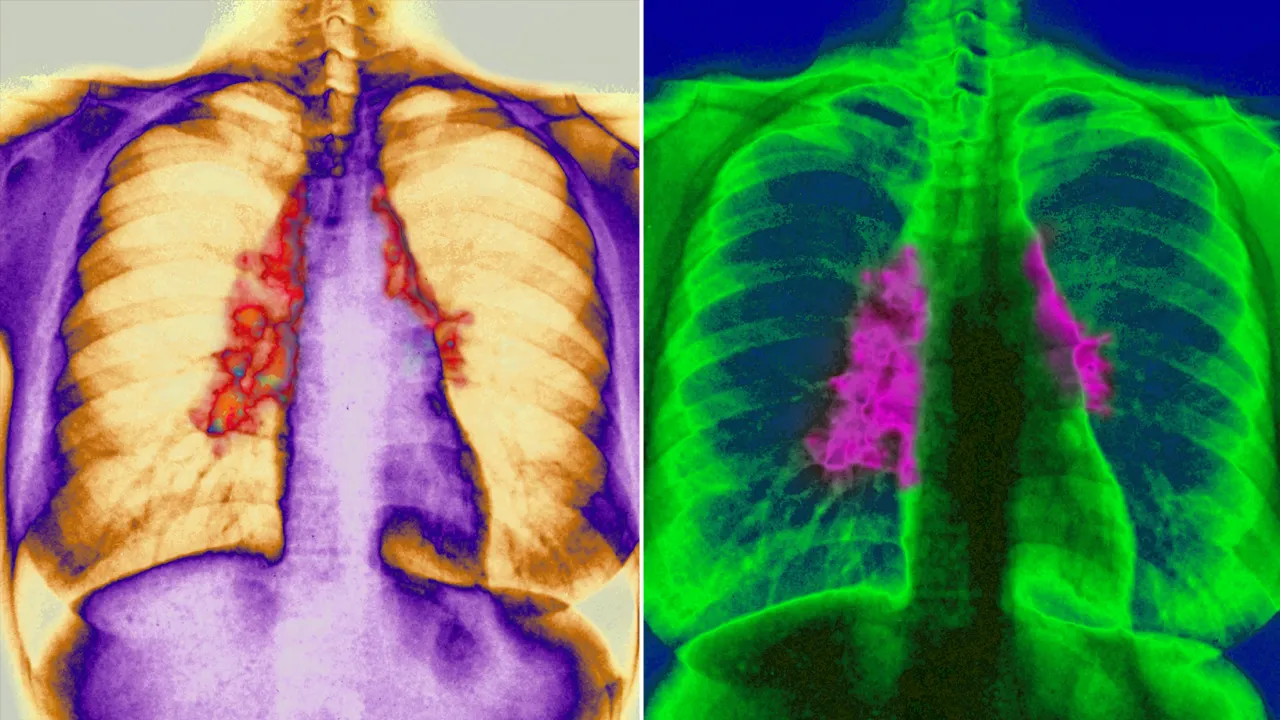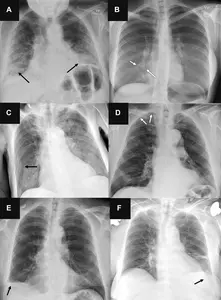
Radiologists outperformed commercially available AI tools in accurately identifying the presence and absence of three common lung diseases on chest X-rays, according to a study published in Radiology. While AI tools showed moderate to high sensitivity rates, they produced more false-positive results than radiologists, especially when multiple findings were present or for smaller targets. The study highlights the need for further testing of AI tools in real-life clinical scenarios and emphasizes the importance of radiologists' expertise in interpreting complex chest X-rays. AI systems could serve as a valuable second opinion for radiologists but should not be autonomous in making diagnoses.

Researchers from Osaka Metropolitan University have developed an artificial intelligence (AI) model that can estimate a person's biological age by analyzing chest X-rays. The study found that the higher the AI-estimated age compared to the person's actual age, the more likely they were to have chronic diseases such as hypertension, COPD, liver disease, lung disease, and chronic renal failure. The AI model could serve as an indicator for age-related diseases and aid in early detection and intervention, but further research is needed to confirm causality and compare it with other biological age markers.
Scientists in Japan have developed an AI deep-learning model that can estimate a person's age by analyzing chest X-rays. The breakthrough could be crucial in identifying signs of disease or accelerated aging, allowing for early intervention. The study, conducted by researchers at Osaka Metropolitan University, analyzed over 67,000 chest X-rays from healthy individuals and patients with known diseases. The results showed a positive correlation between apparent age and various chronic conditions. The researchers aim to further develop this technology to predict life expectancy and forecast surgical complications.