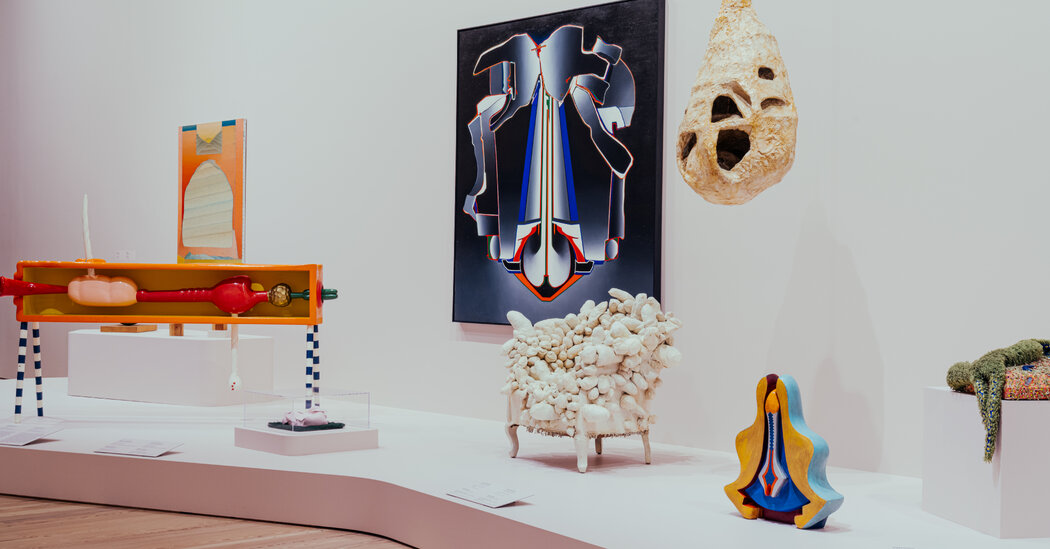
The article highlights nine art exhibitions to visit before they close, including the 'Sixties Surreal' at the Whitney Museum, which features over 150 works from the 1960s that explore counterculture, social unrest, and marginalized artists, offering a revisionist perspective on the era's art.
The documentary 'Beatles '64,' directed by David Tedeschi and produced by Martin Scorsese, explores the Beatles' groundbreaking arrival in America in 1964, highlighting their legendary performance on The Ed Sullivan Show and their subsequent US tour. Featuring interviews with Ringo Starr and Paul McCartney, the film captures the band's infectious energy and the cultural impact they had during a transformative period in history. It also touches on their unique appearance and the societal changes they symbolized, as well as their brief yet monumental influence on music and culture.
Maurie McInnis has been named the 24th president of Yale University, becoming the first woman to hold the position permanently. McInnis, currently the president of Stony Brook University, will succeed Peter Salovey and start her new role on July 1. She brings extensive experience in higher education and a strong academic background, having previously served in leadership roles at the University of Texas at Austin and the University of Virginia. McInnis, a Yale alumna, plans to engage with the university community through listening sessions and individual meetings.
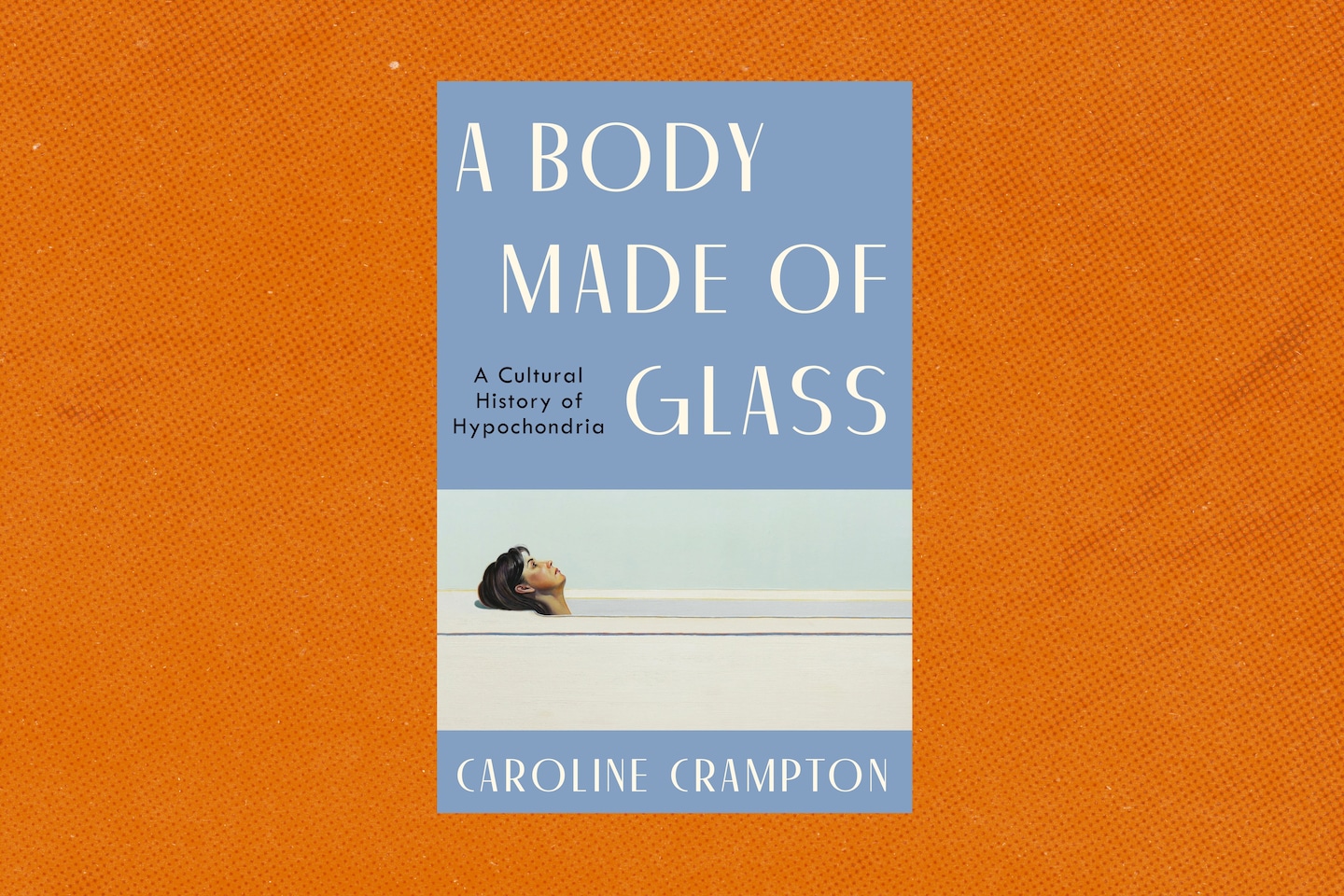
In "A Body Made of Glass: A Cultural History of Hypochondria," journalist Caroline Crampton explores her own hypochondria and its cultural context, tracing the shifting boundaries between hypochondria and verifiable sickness. She delves into the biases and challenges faced by hypochondriacs, the impact of chronic and autoimmune conditions, and the evolving understanding of illness. Crampton's book combines memoir, literary criticism, and historical micro-histories, offering fascinating insights into the human condition and the universal fear of mortality.
McDonald's has announced that it will be phasing out self-serve beverage stations in its dining rooms across the U.S. by 2032, aiming to create a consistent experience for customers across all ordering points. This move marks the end of an era for the iconic American fast-food chain, as self-serve fountain soda has been a quintessential part of the McDonald's experience for decades. The decision raises questions about the changing dining habits and profit margins, while also reflecting on the cultural significance of soda fountains in American history.
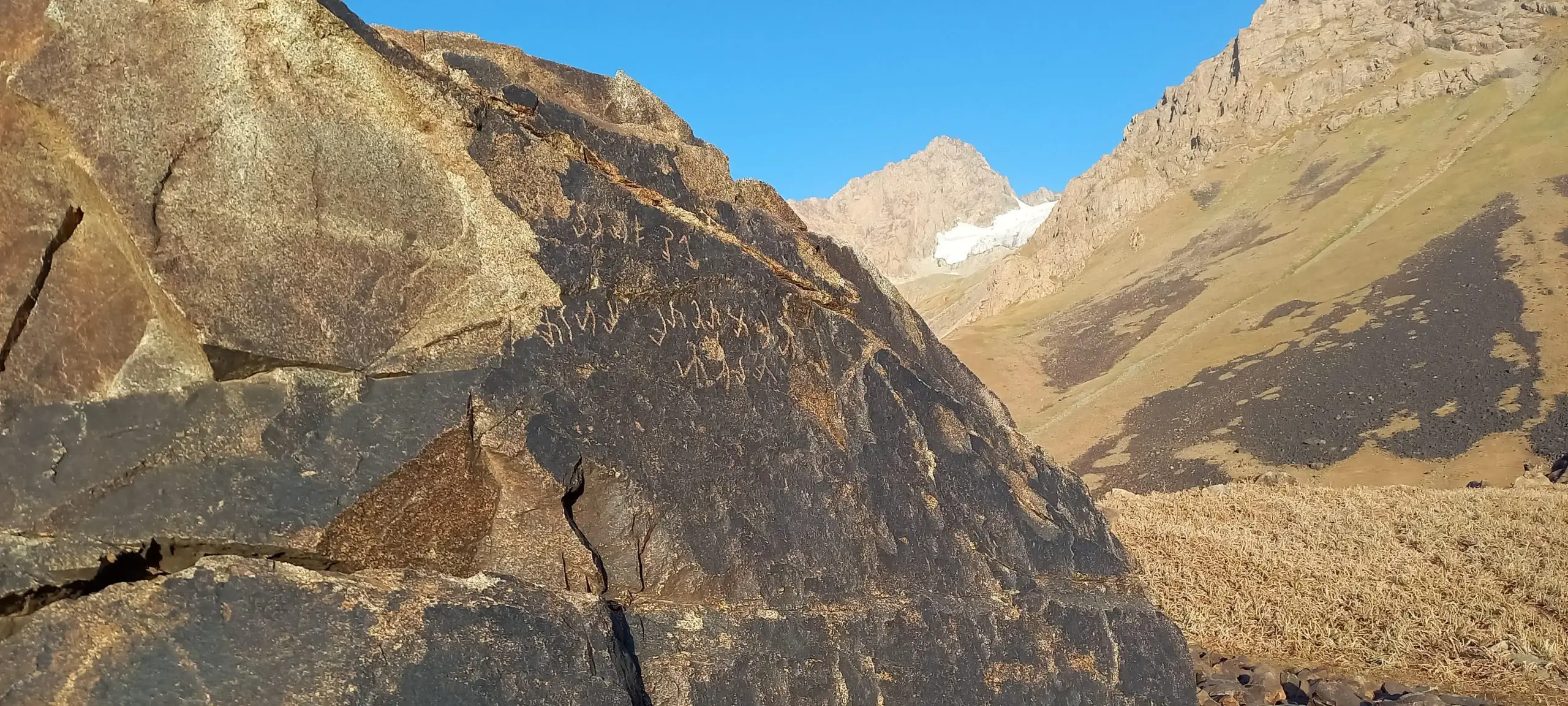
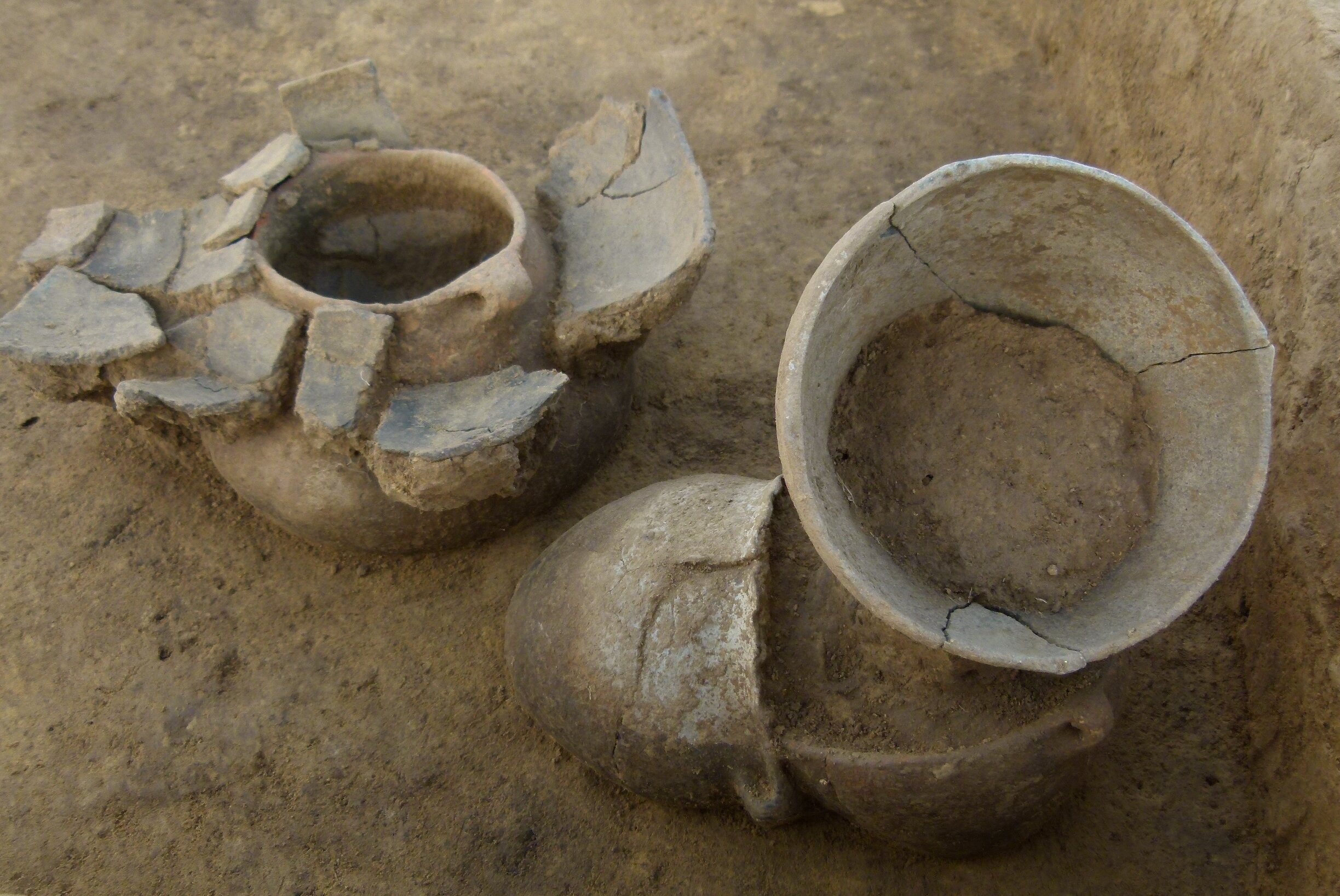
Researchers from the University of Cologne have partially deciphered the mysterious "unknown Kushan script," a writing system used in Central Asia between 200 BCE and 700 CE. By analyzing cave inscriptions and pottery markings, the team was able to decode about 60% of the characters, shedding light on a previously unknown Middle Iranian language. The decipherment provides valuable insights into the language and cultural history of the Kushan Empire and Central Asia. Further research trips are planned to uncover more inscriptions and expand our understanding of this ancient script.
A new DNA study conducted by researchers at Uppsala University has provided insights into the intermingling and isolation of different groups during the European Stone Age. The study analyzed genetic data from 56 individuals from Central and Eastern Europe, revealing that the intermingling of hunter-gatherer genetic lines was strongly influenced by geography. The spread of agriculture from Anatolia also played a significant role in shaping genetic and cultural differences across Europe. The study highlights the importance of power relations and social factors in burial practices during the Stone Age, and contributes to a more comprehensive understanding of the genetic history of early Europeans.
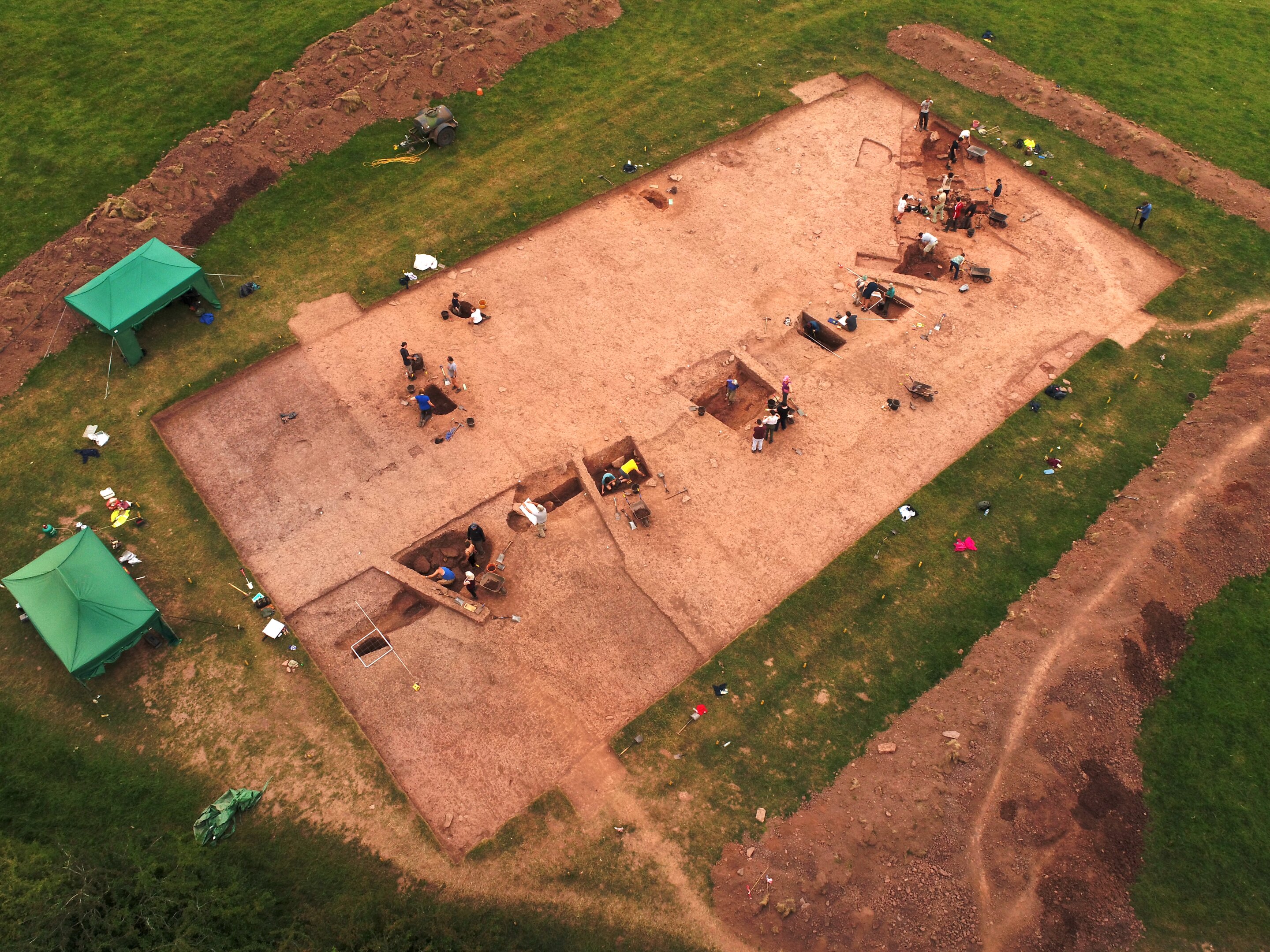
Advanced radiocarbon dating has revealed that Neolithic monuments at Dorstone Hill in Herefordshire, England, are older than previously thought, indicating the presence of Neolithic people in the region at least 5,800 years ago. This makes Dorstone Hill the earliest culturally Neolithic site in the west Midlands of England. The findings suggest that Neolithic practices did not spread evenly across Britain, but rather moved irregularly, with pockets of hunter-gatherers and farmers co-existing for extended periods. The study also highlights the importance of Dorstone Hill as a regional center for social identities during the earlier fourth millennium BC.
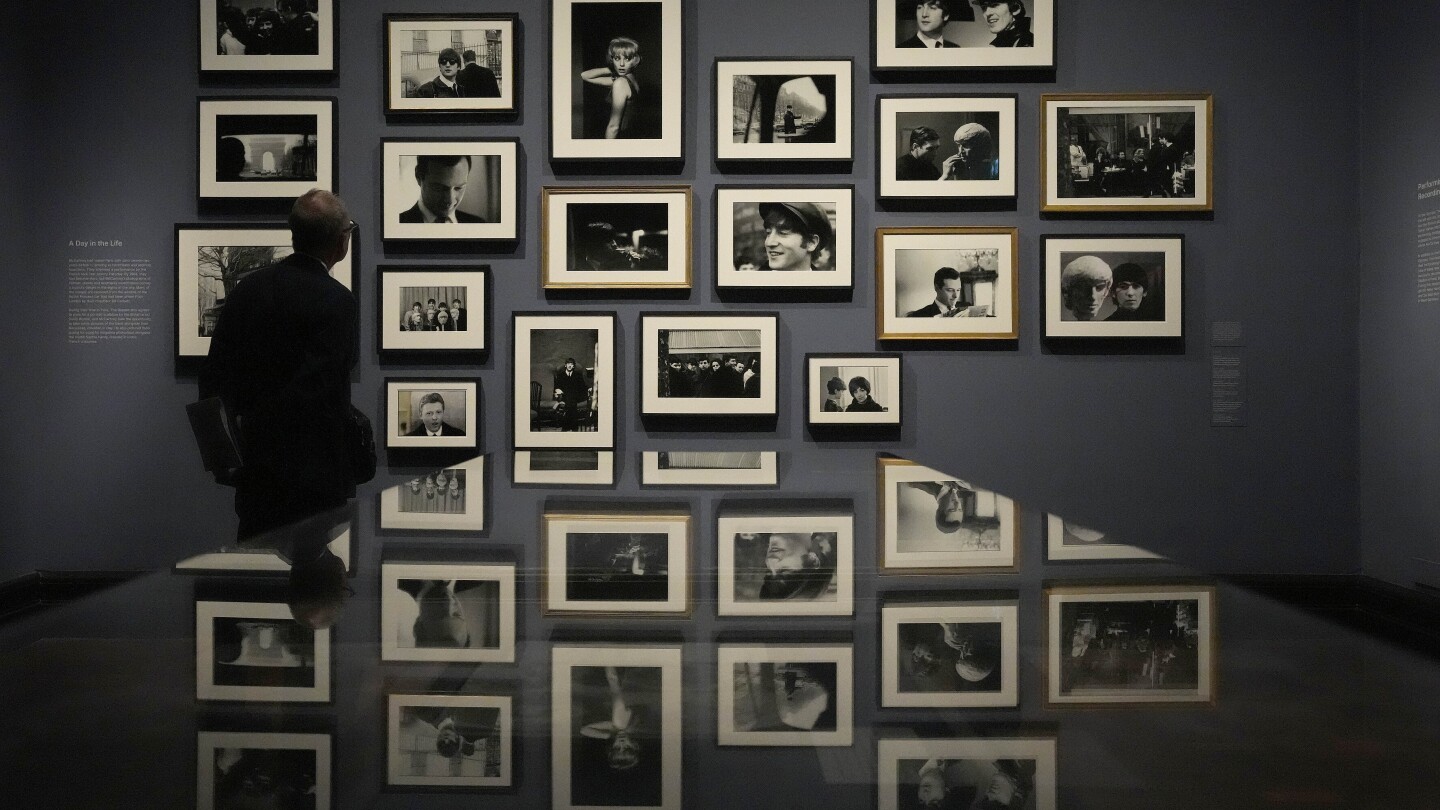
The National Portrait Gallery in London is showcasing an exhibition of 250 photos taken by Paul McCartney in 1963 and 1964, capturing The Beatles' journey from emerging British celebrities to world megastars. The exhibit, titled "Eyes of the Storm," provides a fresh perspective on Beatlemania from the inside out, depicting the band's life on the road, backstage, and in their downtime. The photos convey a sense of intimacy and vulnerability missing from professional photos of the band, and tell an important story about cultural history. The exhibit runs from Wednesday until Oct. 1.